
4251
flower visits
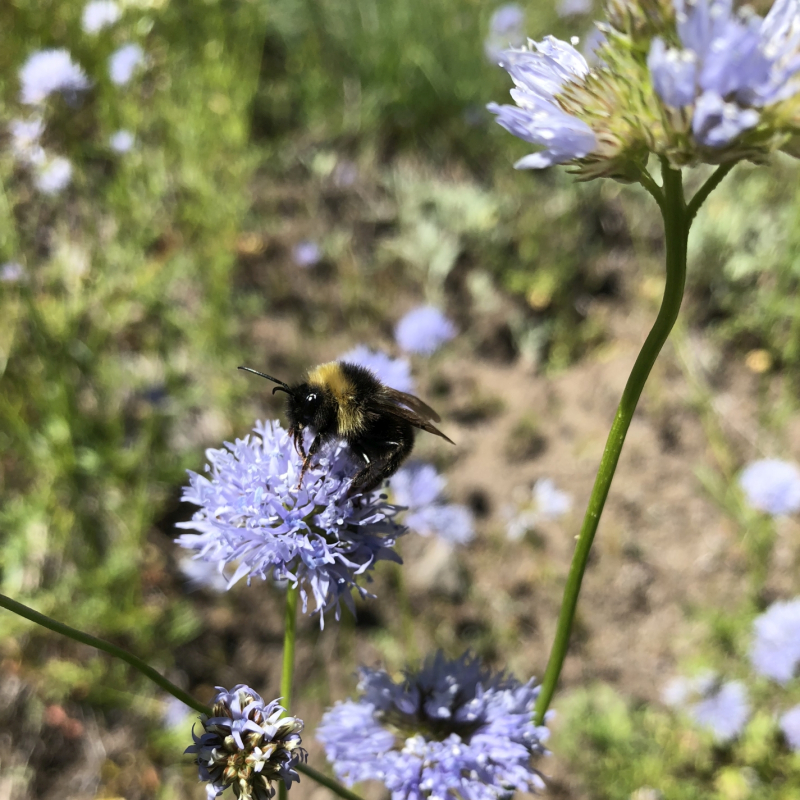
4251 honeybee and bumblebee flower visits, per hour, per hectare of meadow at the HJA
Habitat loss, climate change, pathogens, and invasive species have reduced pollinators globally. Since 2011, the Andrews Forest pollinator study has surveyed flowering plants and all flower-visitors in montane meadows, yielding one of the longest continuous plant–pollinator interaction datasets worldwide. The meadows are shrinking habitat islands, reduced by tree invasion to <2.5% of the Andrews Forest area. The meadows are biodiversity hotspots, with >189 flowering plant species and diverse native bumble bees and solitary bees. The long-term meadow study provides a rare opportunity to test how plant-pollinator interactions respond to environmental change.