
The reciprocal transplant project aims identify the factors that explain long-term relationships between environmental conditions and interactions between plants, mosses, lichens, and endophytes. Organisms were collected and co-located with or without interacting species across a stratified gradient in microclimate. Researchers then evaluated species’ responses to microclimate as a function of interspecific interactions, testing hypotheses about differences between the fundamental niche (i.e., species are primarily driven by abiotic conditions) versus the realized niche (i.e., responses to abiotic conditions are strongly mediated by biotic interactions, particularly competition). In the moss experiment, different species of moss from high, mid, and low elevation were transplanted across the elevation gradient with or without a competing moss species. Researchers used a grid to transplant similarly sized mats of moss, then returned to measure the growth or shrinkage of the moss mat. Microclimate data, such as understory temperature and relative humidity are measured in each research plots.
Moss Transplant Experiment 2023
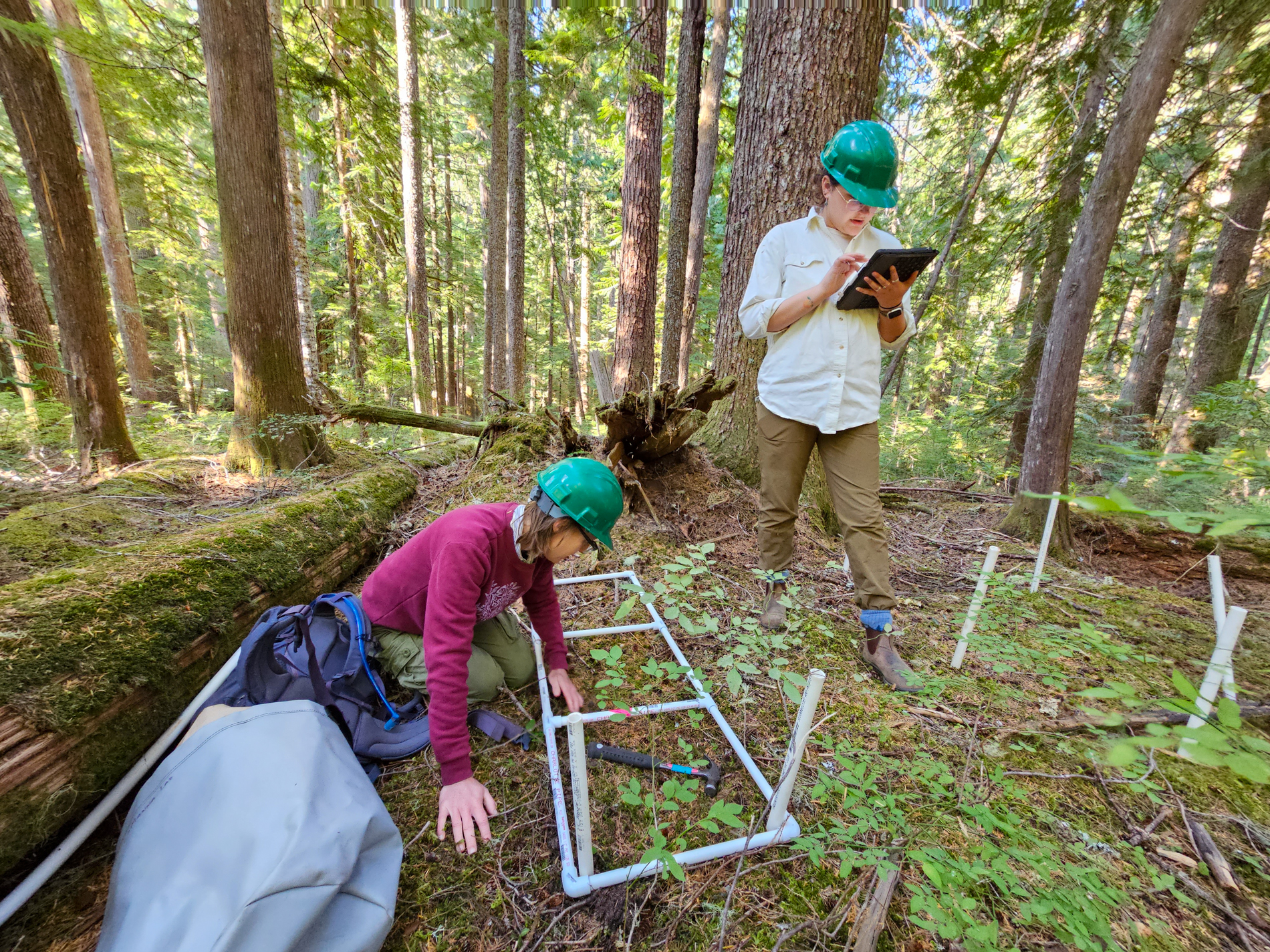
Researchers set out a grid and prepare the area for transplants of moss
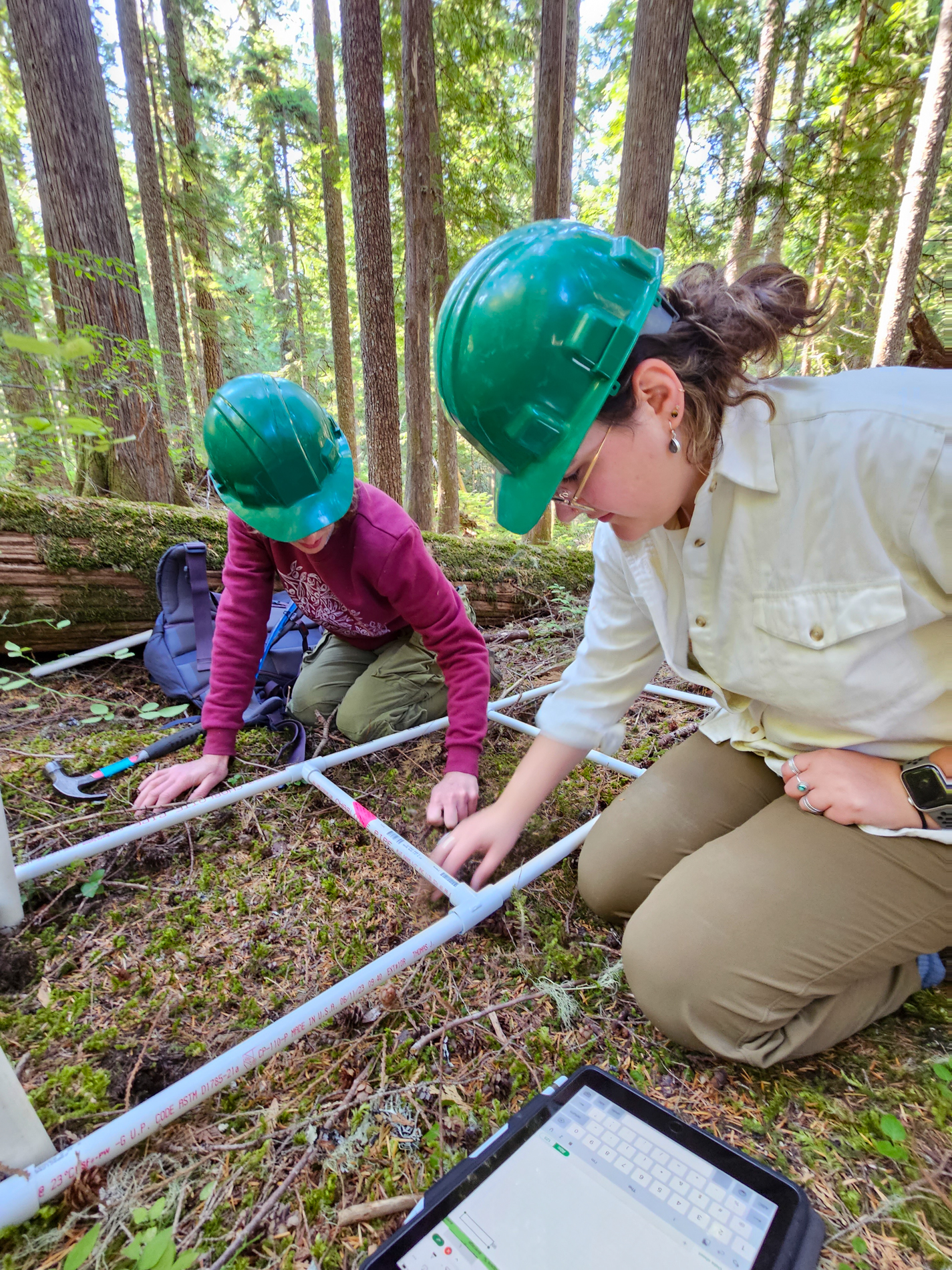
Researchers set out a grid and prepare the area for transplants of moss
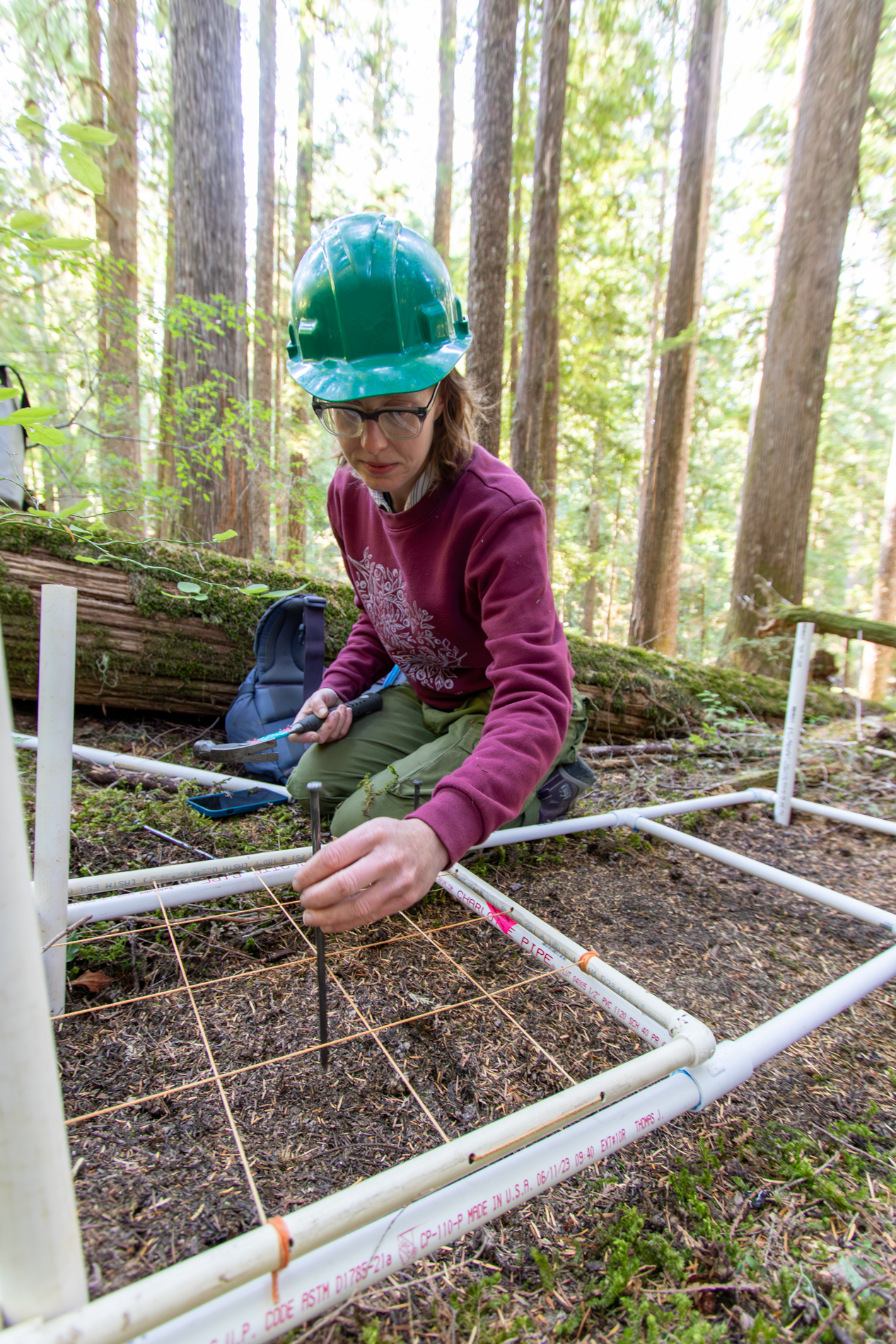
Research for Undergraduates (REU) student Meghan Lake prepares an area for moss transplant and study
Researchers set out a grid and prepare the area for transplants of moss
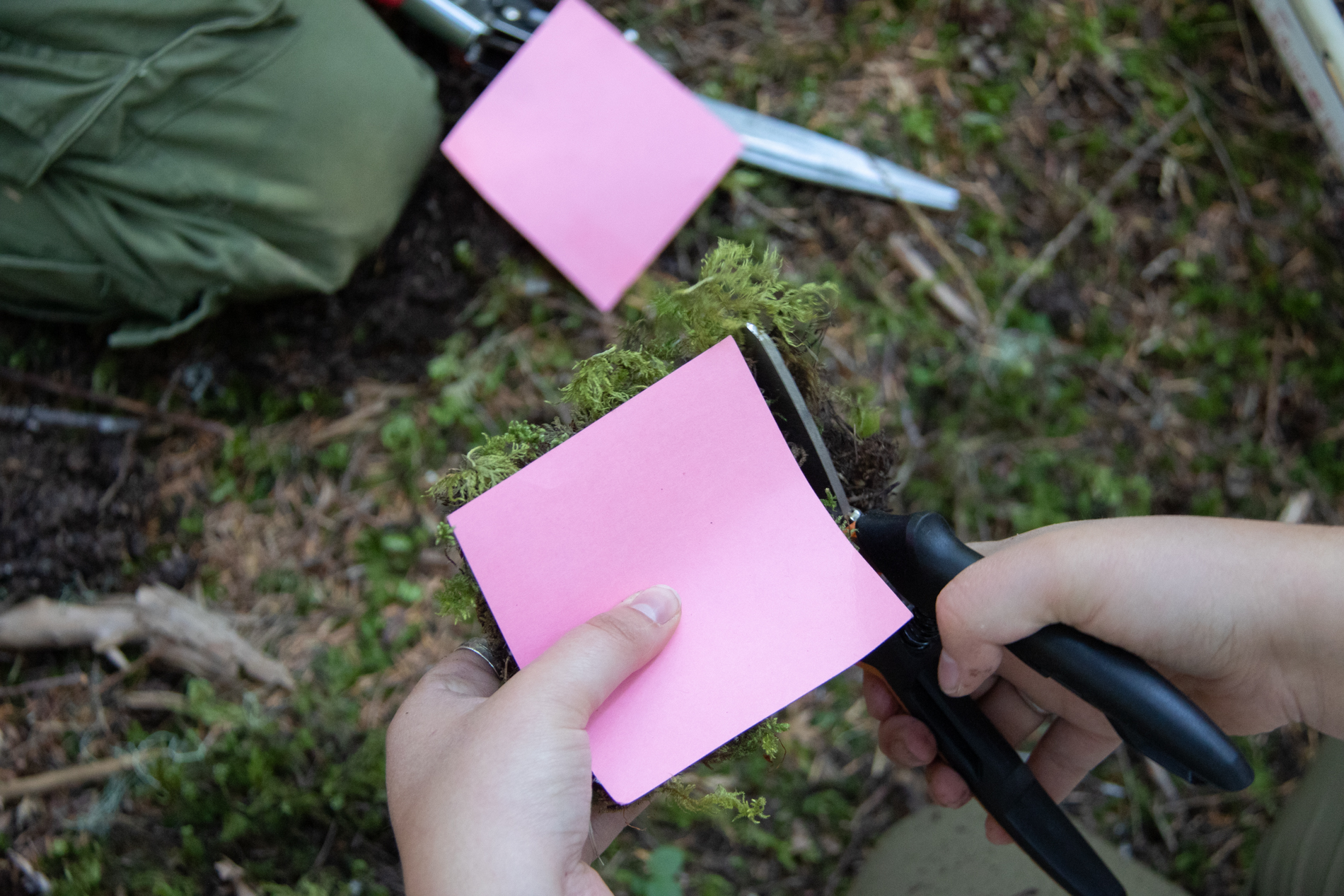
Matts of moss are cut with clippers to a standard size, outlined by a post-it note
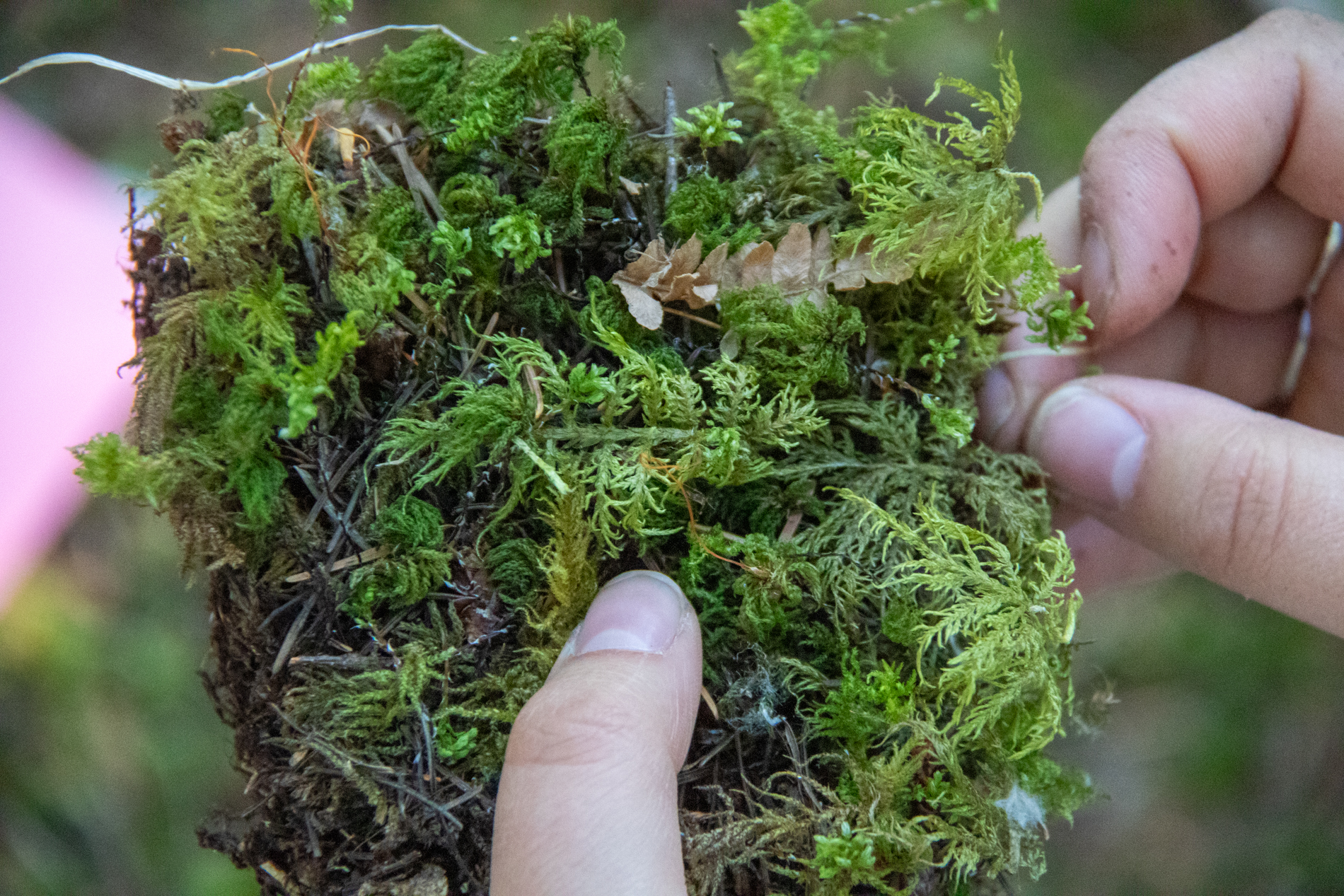
A square of moss ready to be transplanted
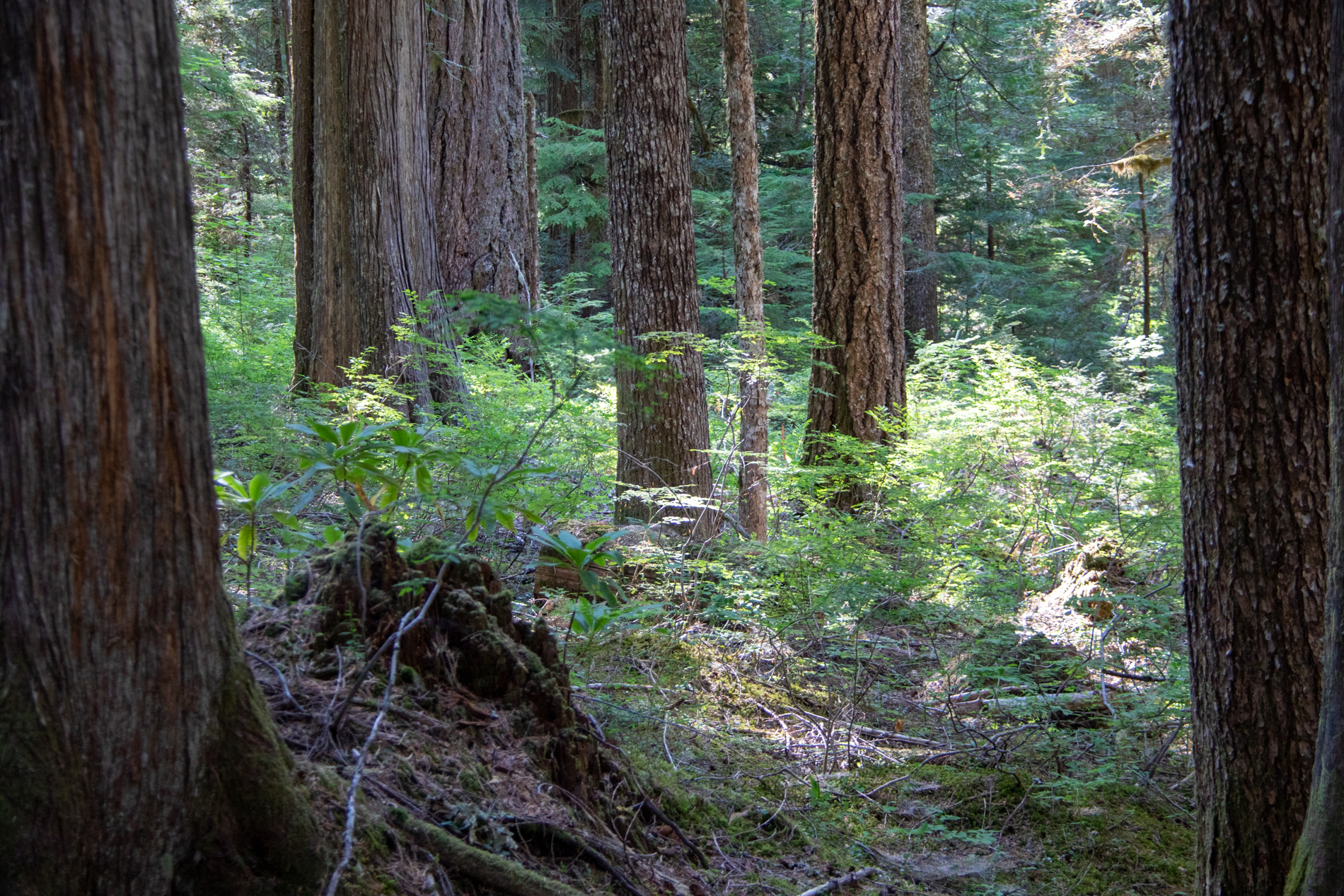
A stand in the H.J. Andrews Experimental Forest
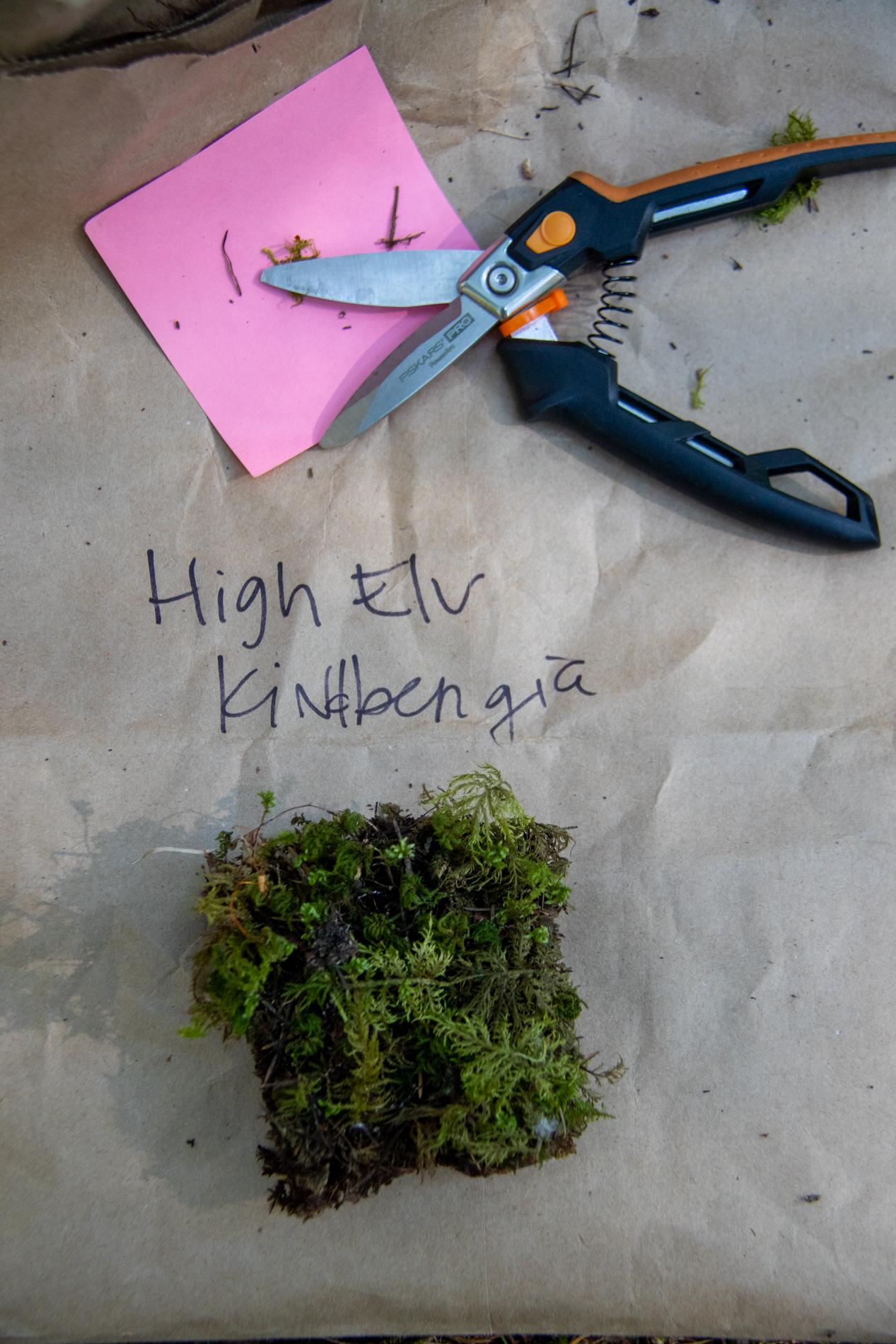
A square of moss ready to be transplanted
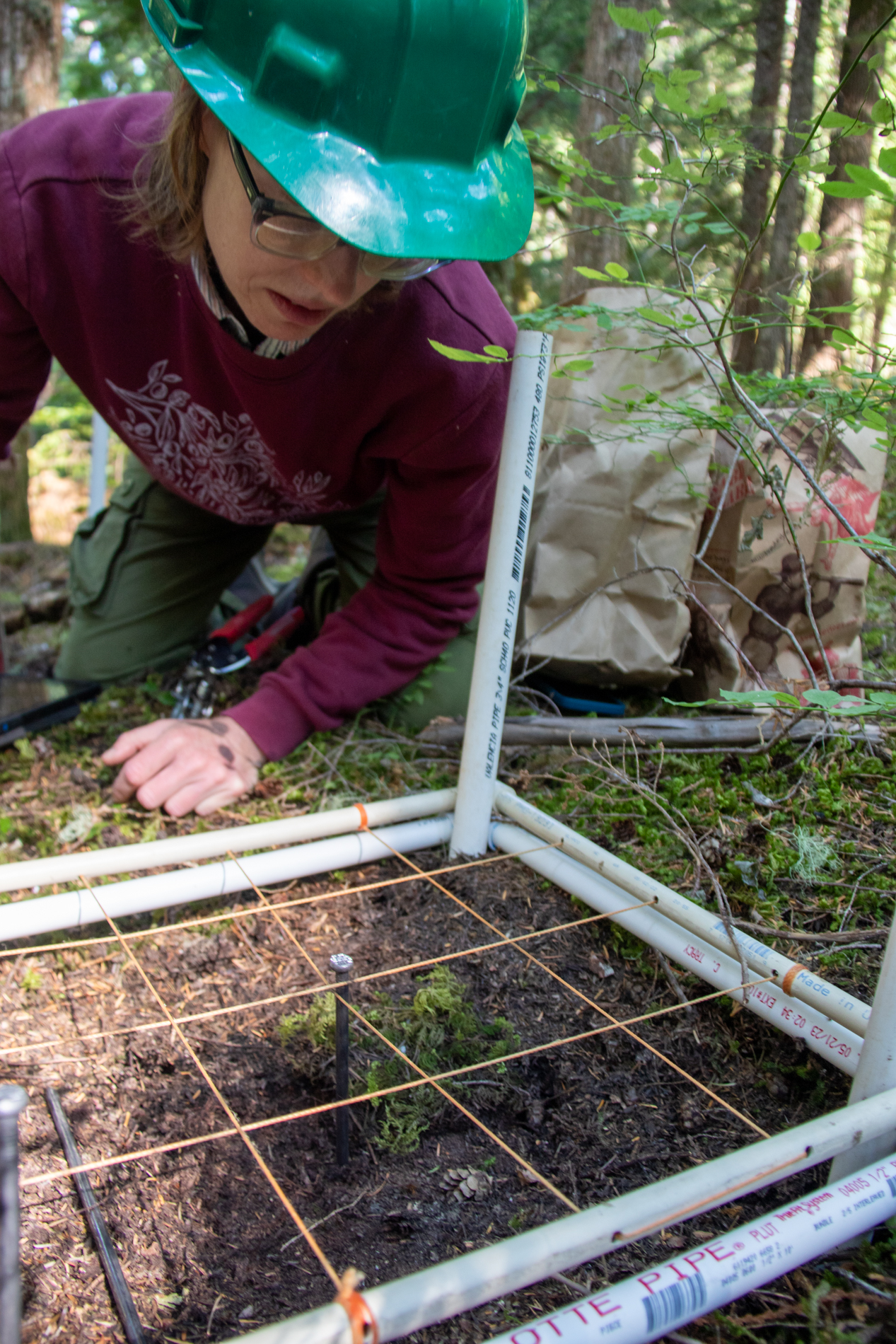
Research for Undergraduates (REU) student Meghan Lake assesses the grid and protocol for the study
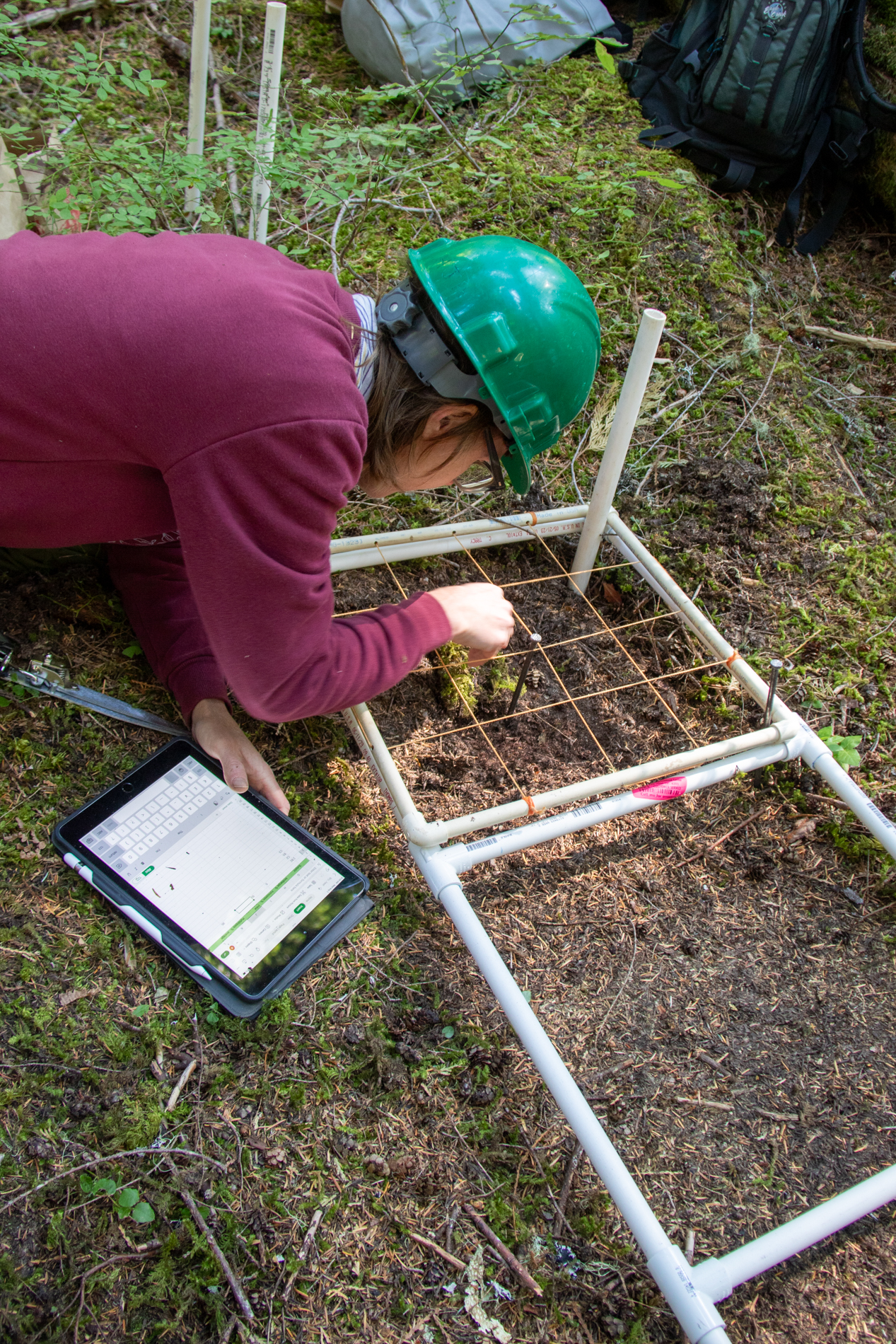
Research for Undergraduates (REU) student Meghan Lake assesses the grid and protocol for the study
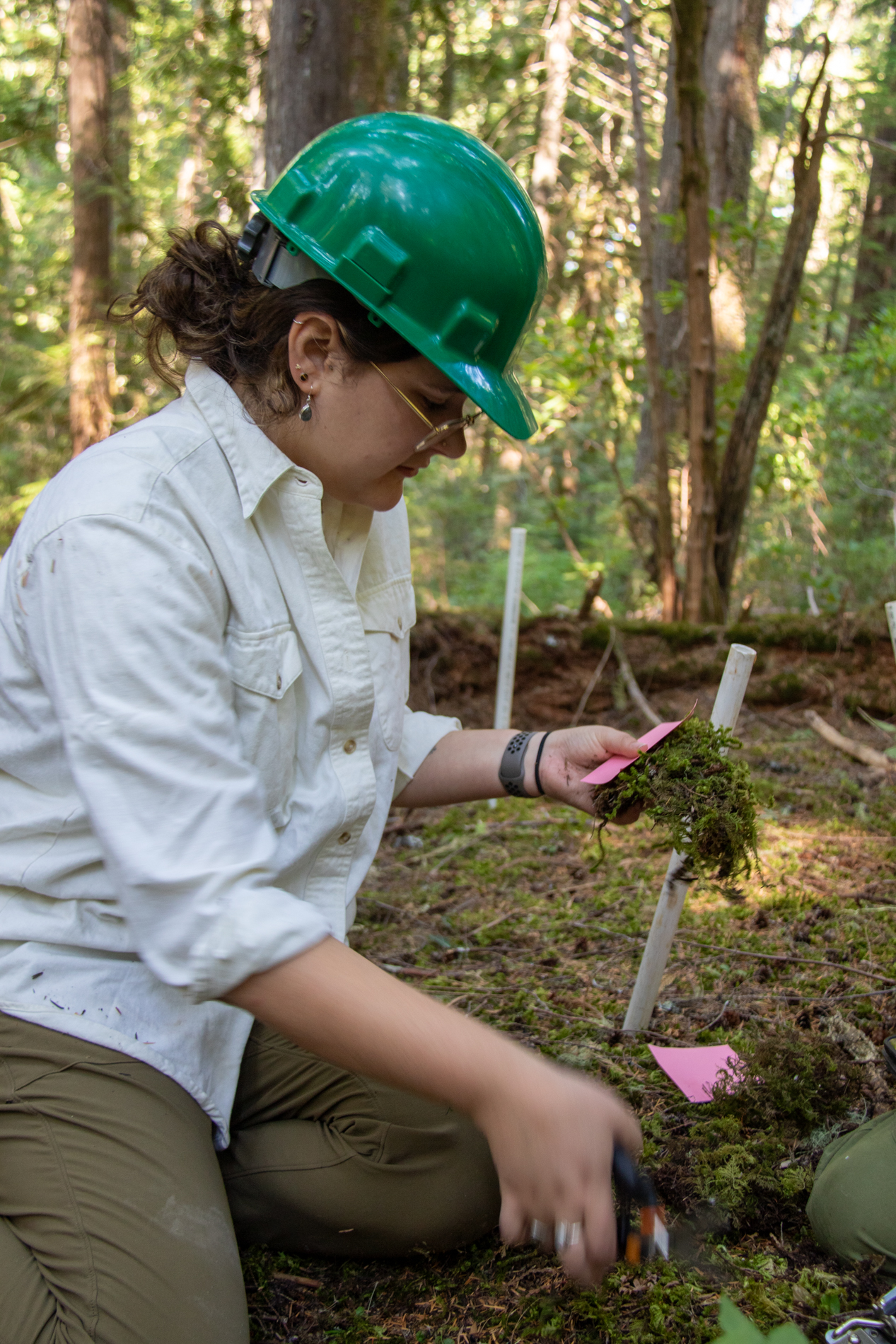
Researcher readies moss for transplant
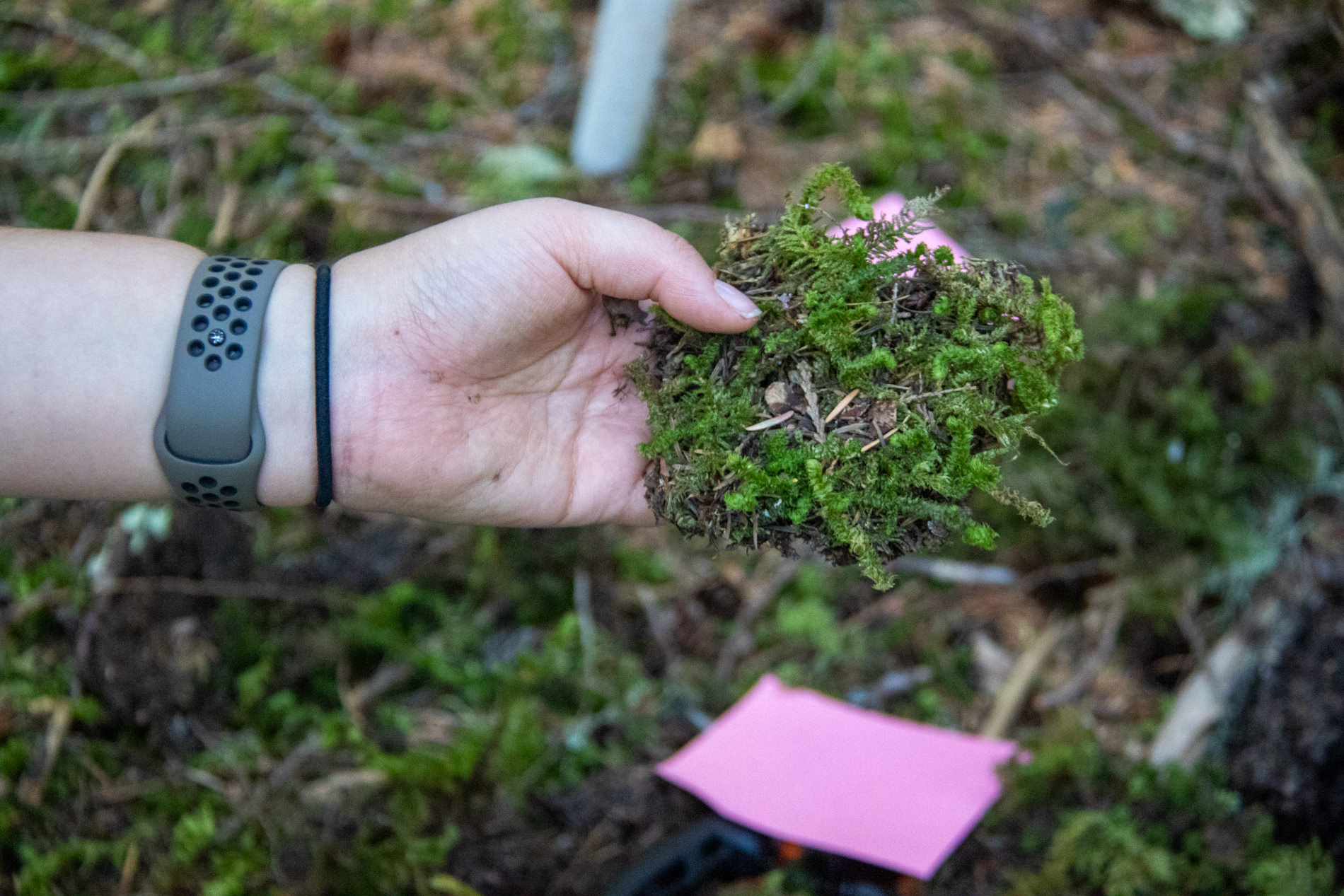
A square of moss ready to be transplanted
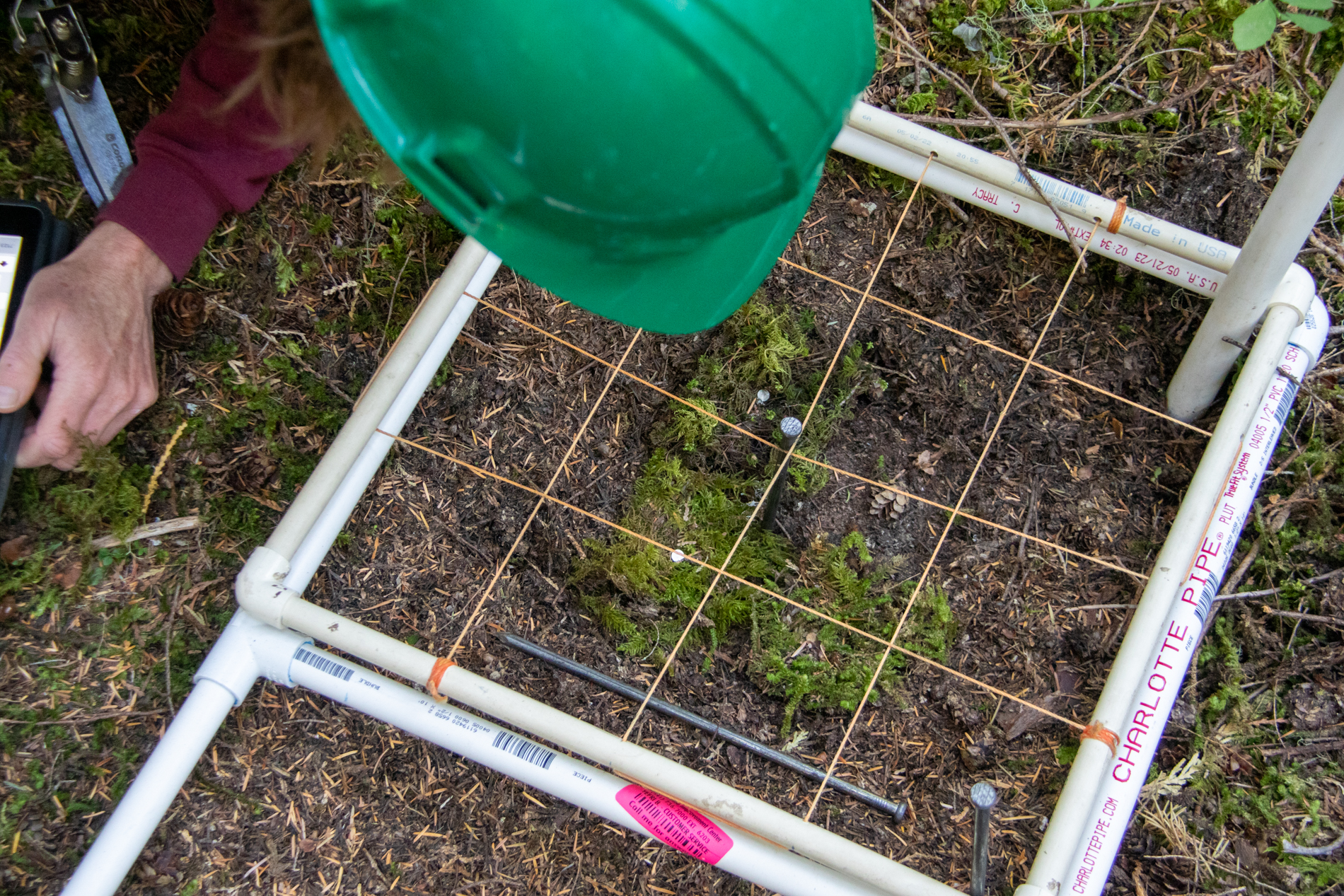
Research for Undergraduates (REU) student Meghan Lake assesses the grid and protocol for the study
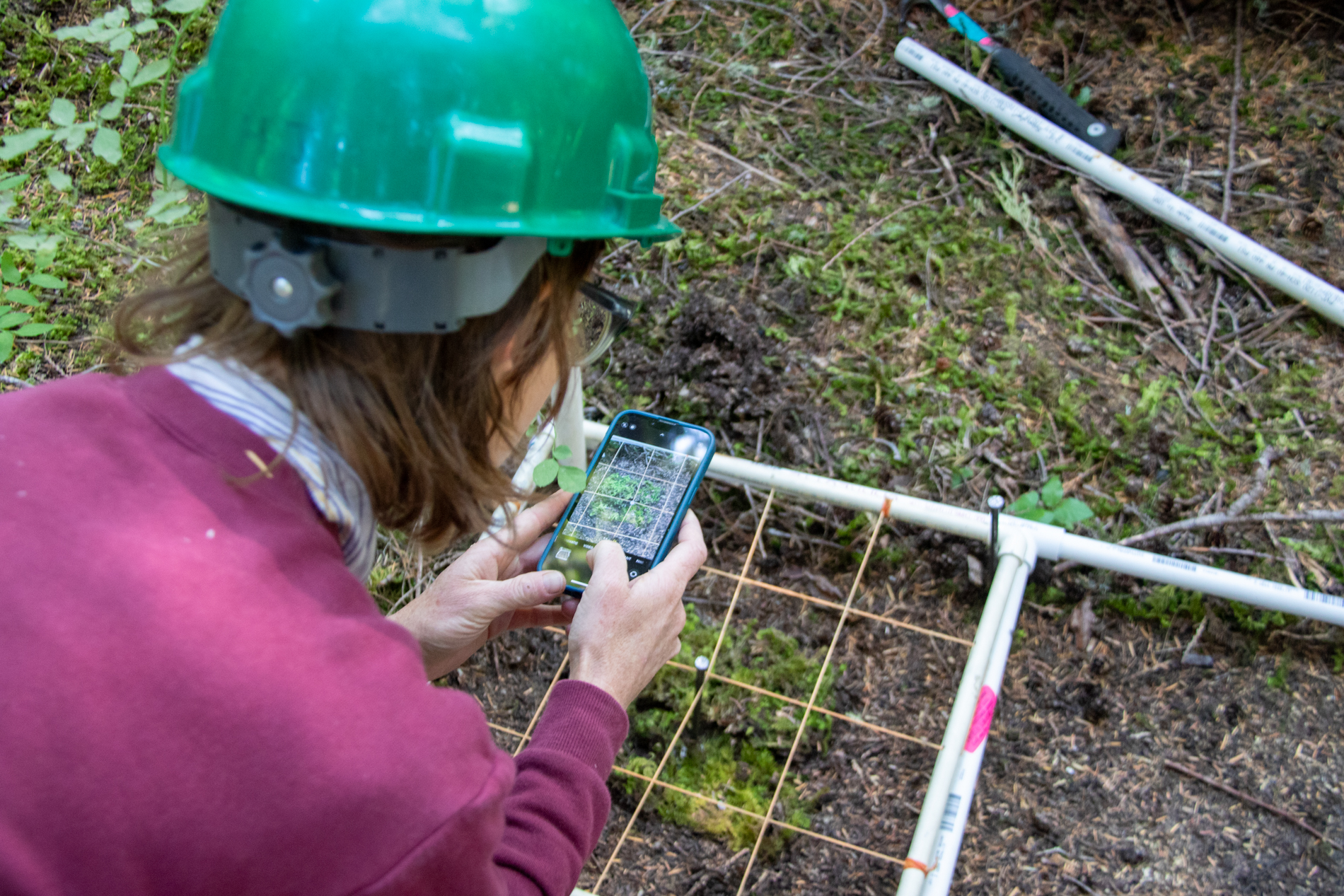
Research for Undergraduates (REU) student Meghan Lake assesses the grid and protocol for the study
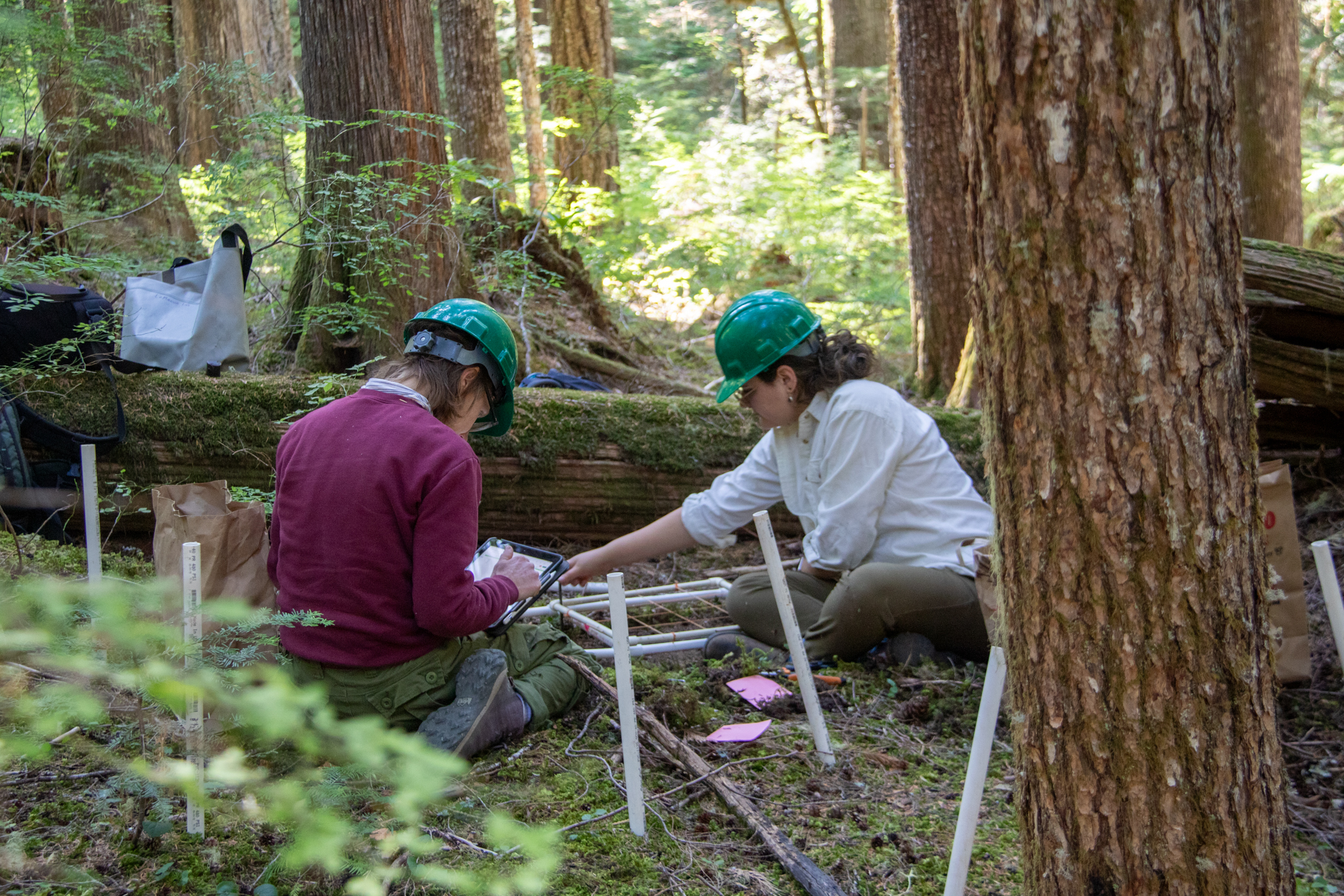
Researchers set out a grid and prepare the area for transplants of moss
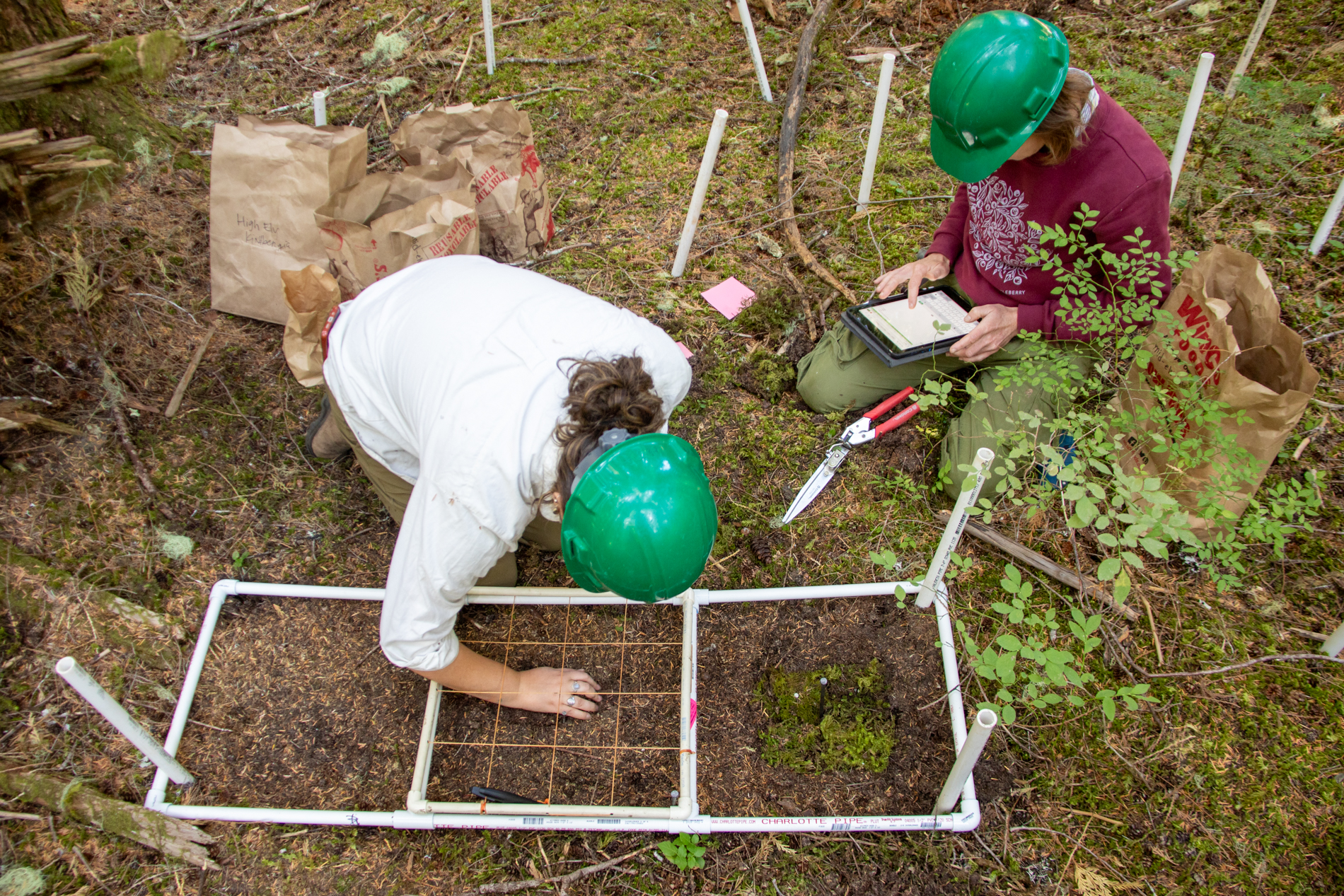
Researchers set out a grid and prepare the area for transplants of moss
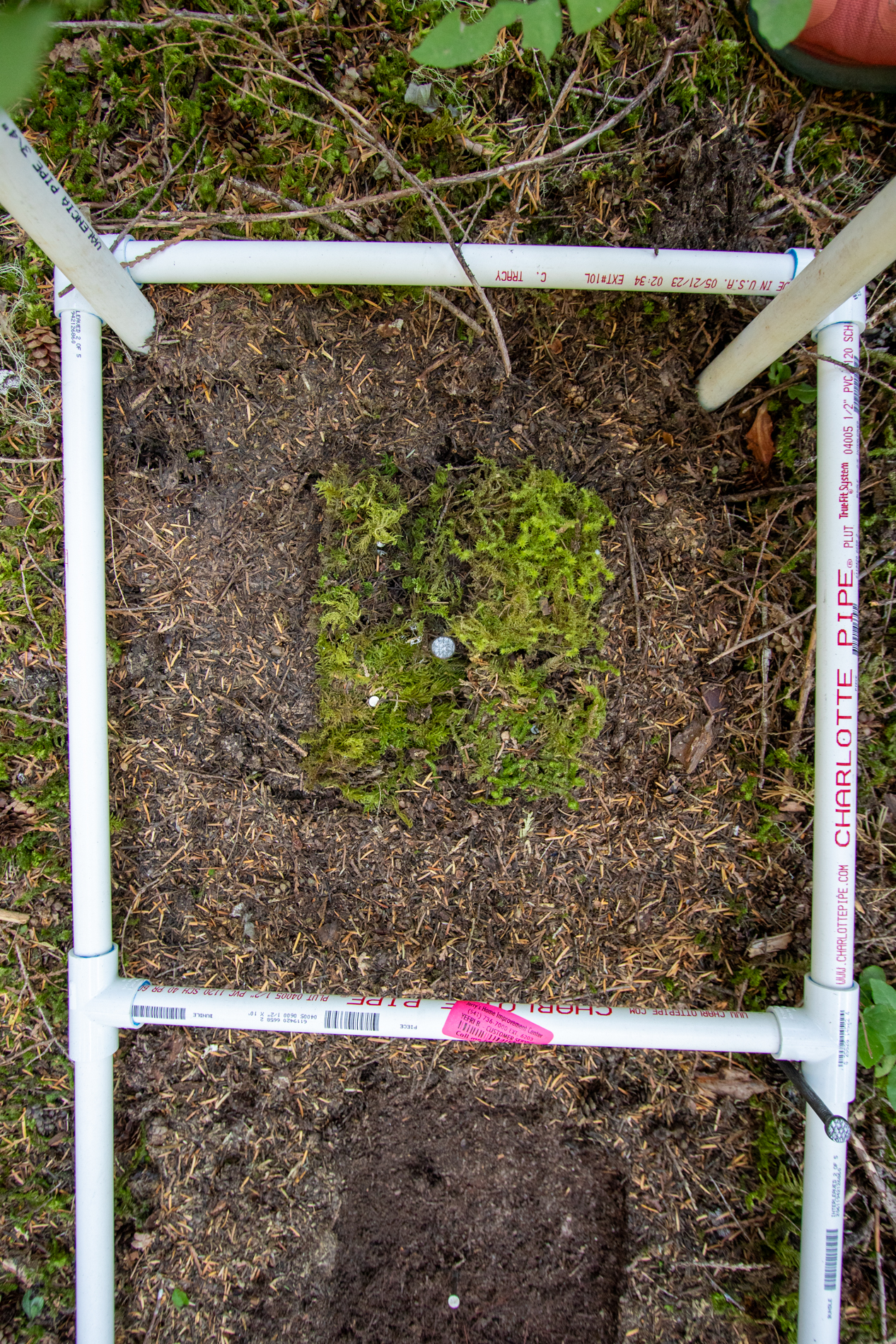
Moss laid out in the transplant plot
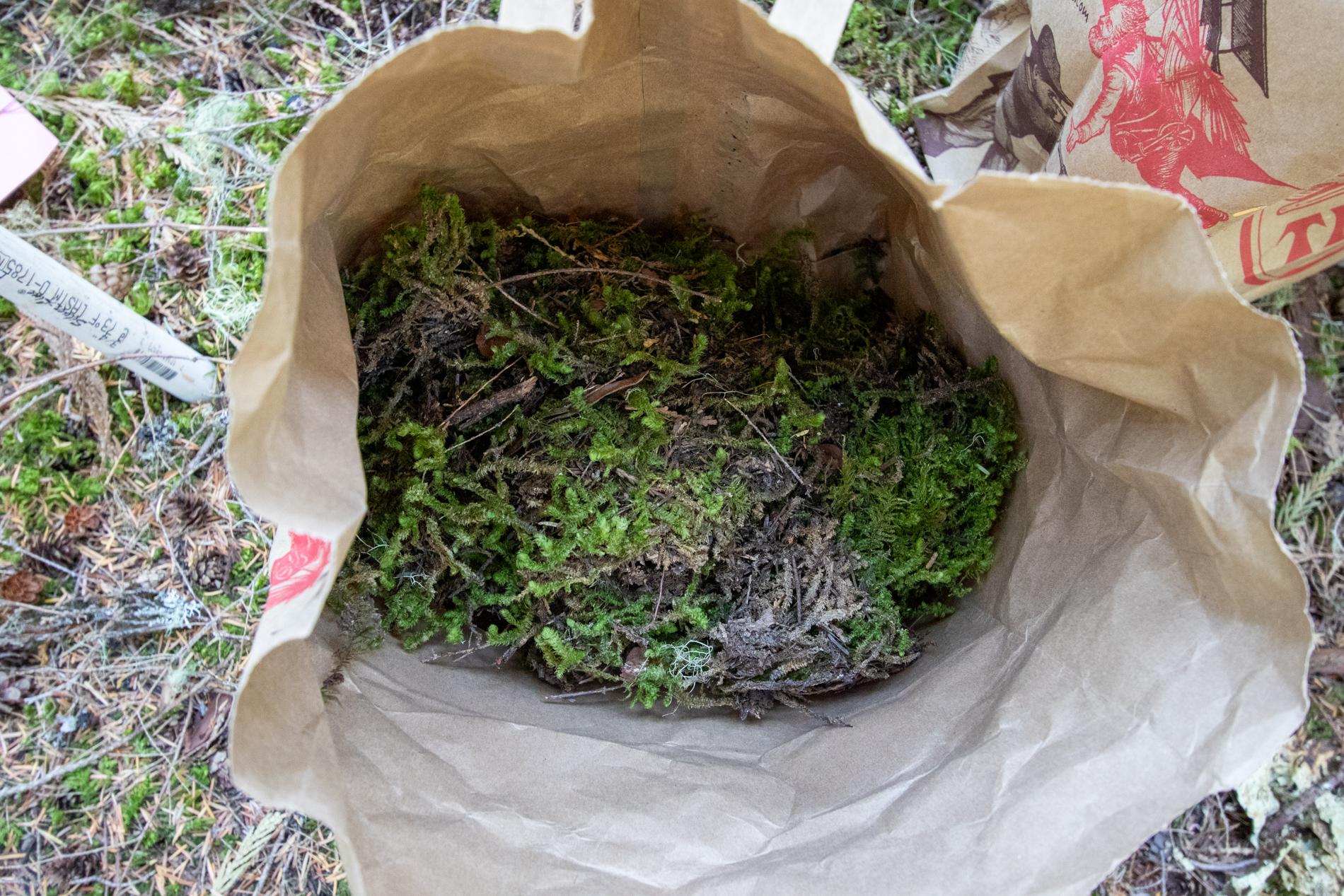
Moss collection for reciprical transplant project
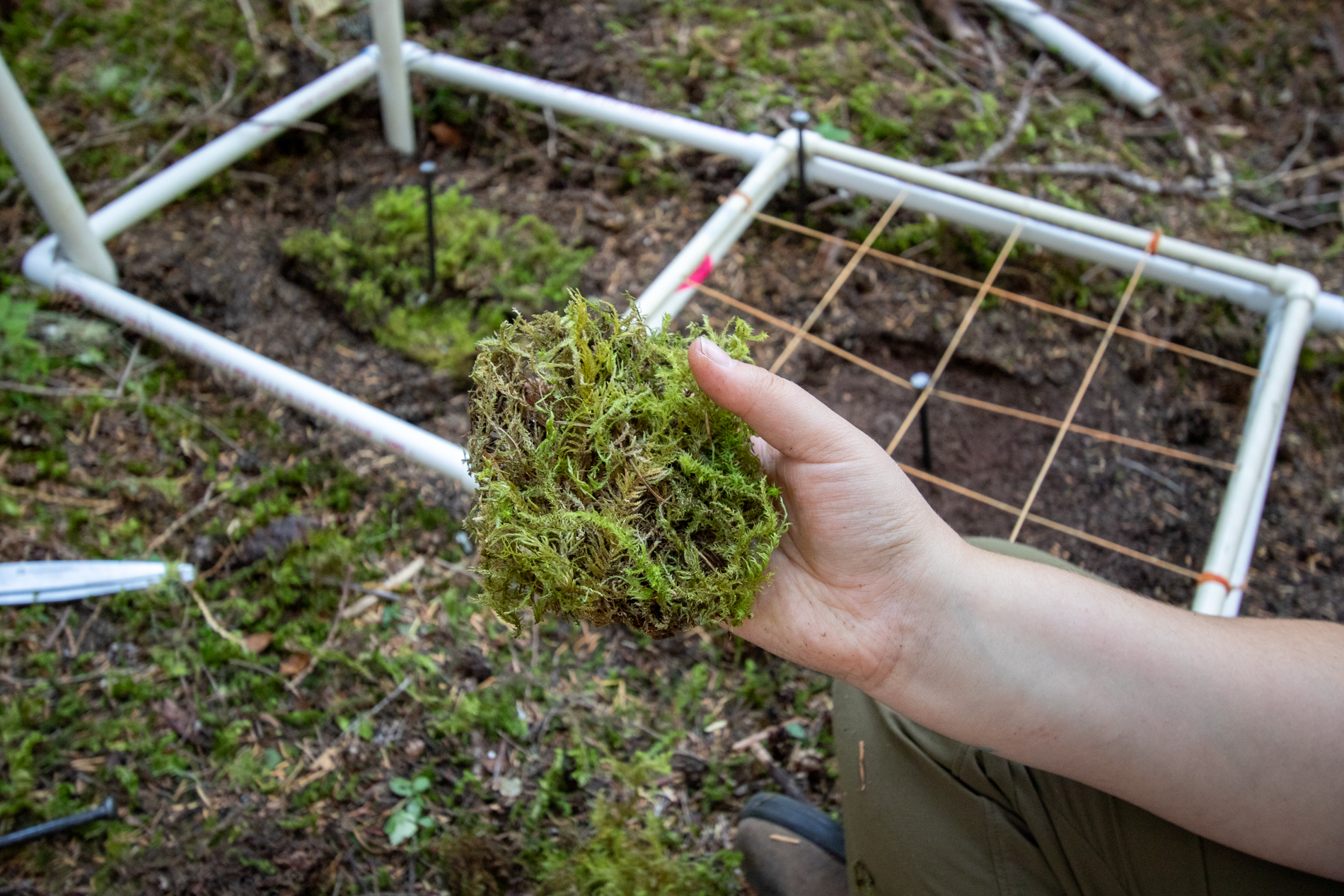
A square of moss ready to be transplanted
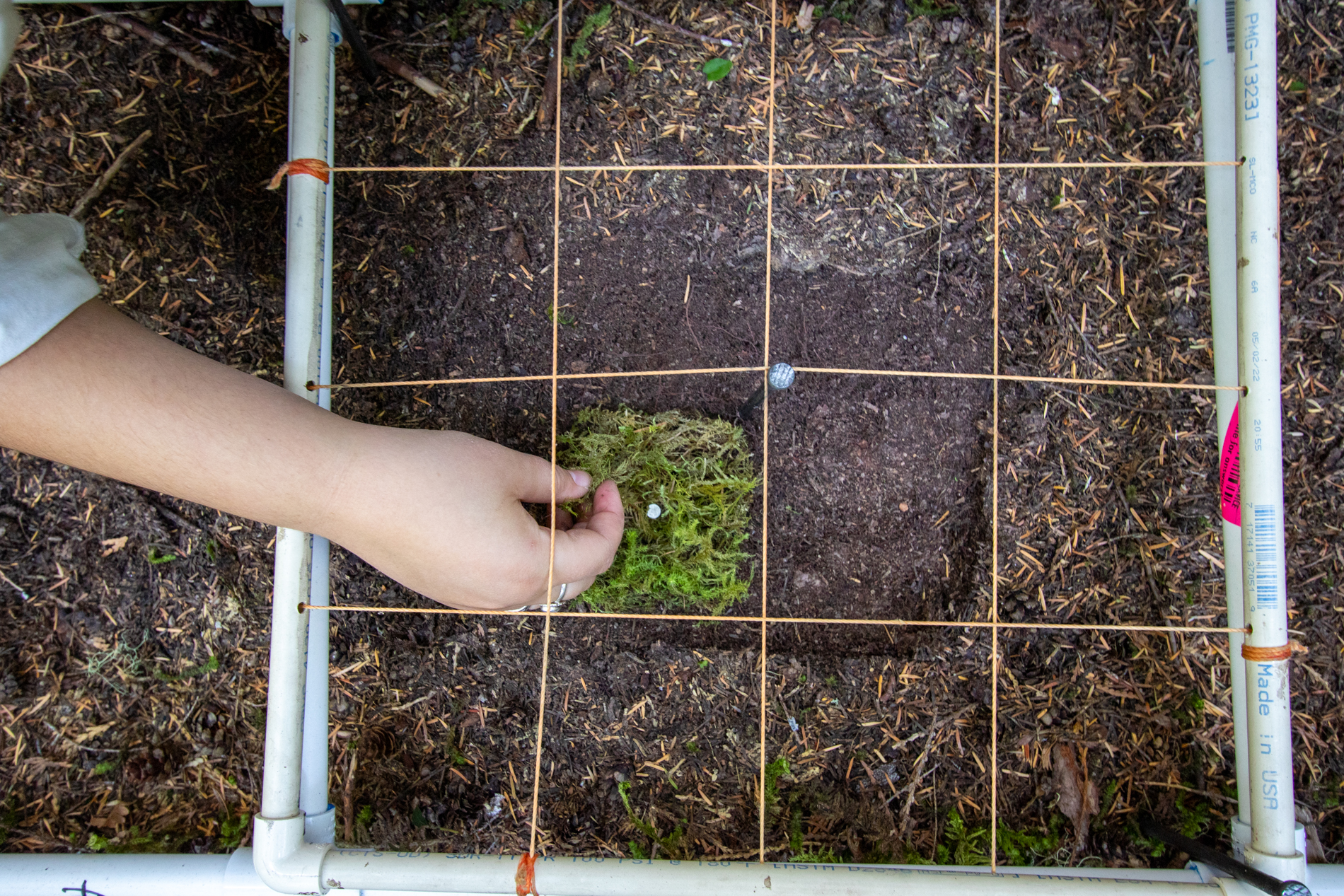
Moss laid out in the transplant plot and grid
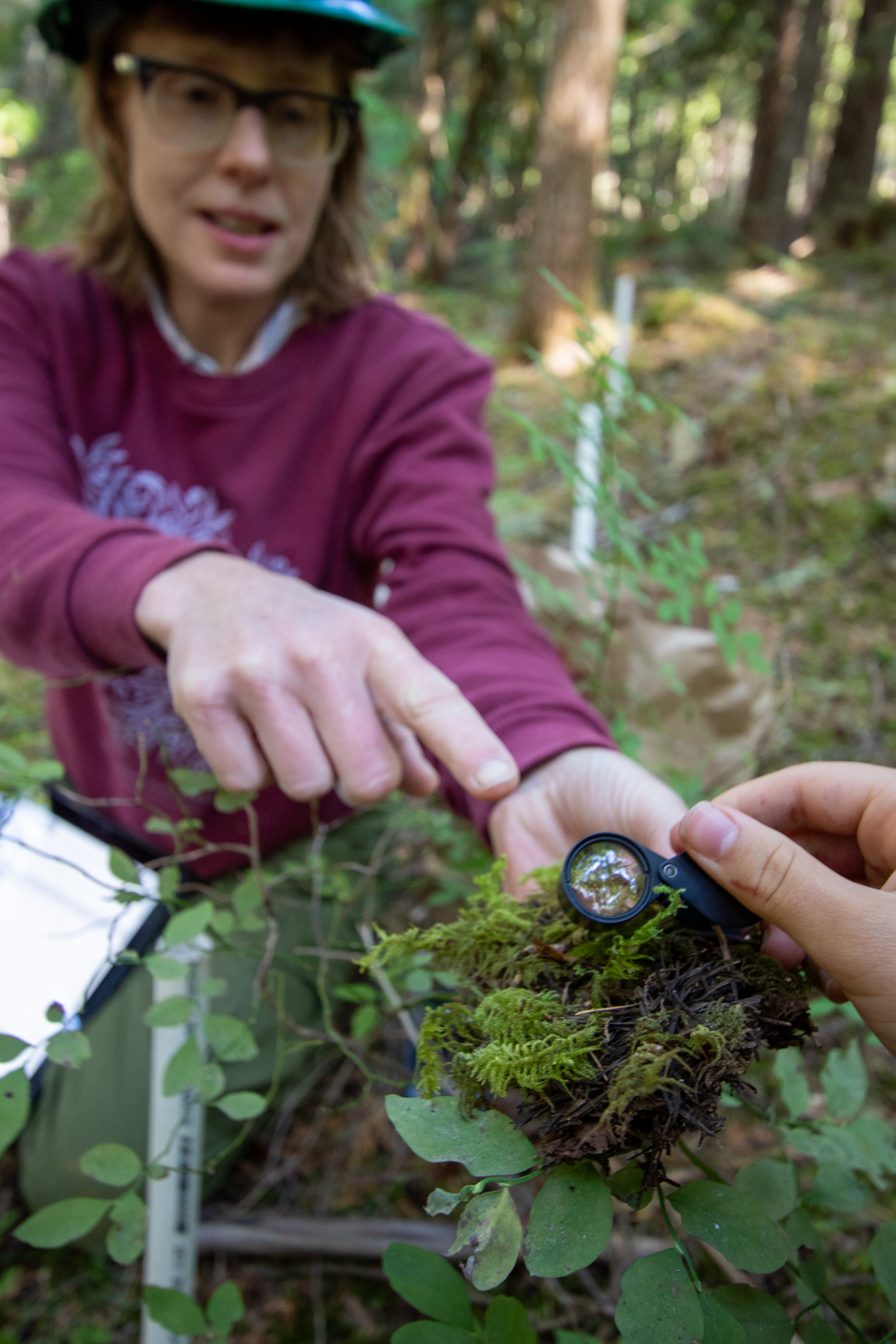
A magification loupe assists with moss identification
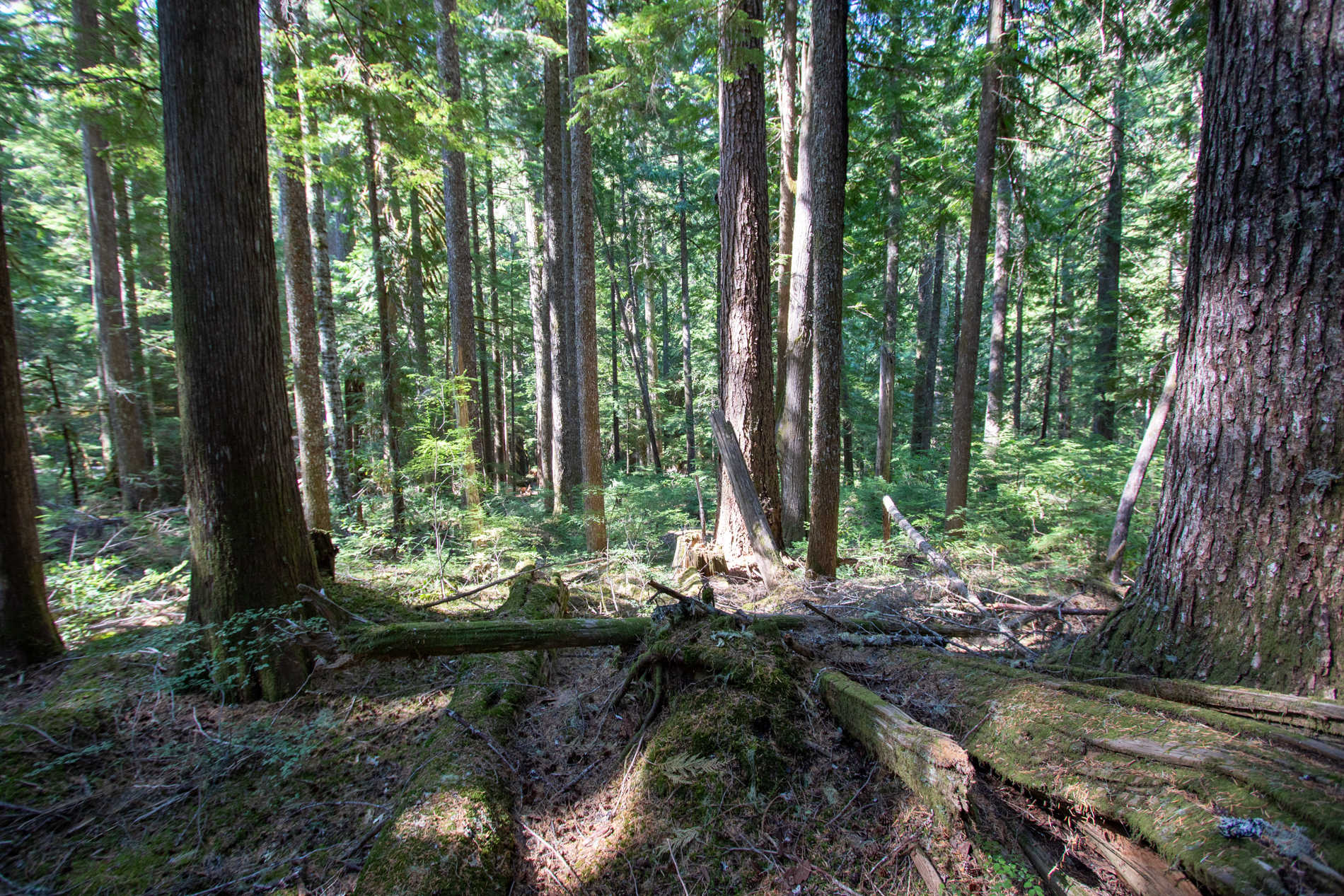
A stand in the H.J. Andrews Experimental Forest
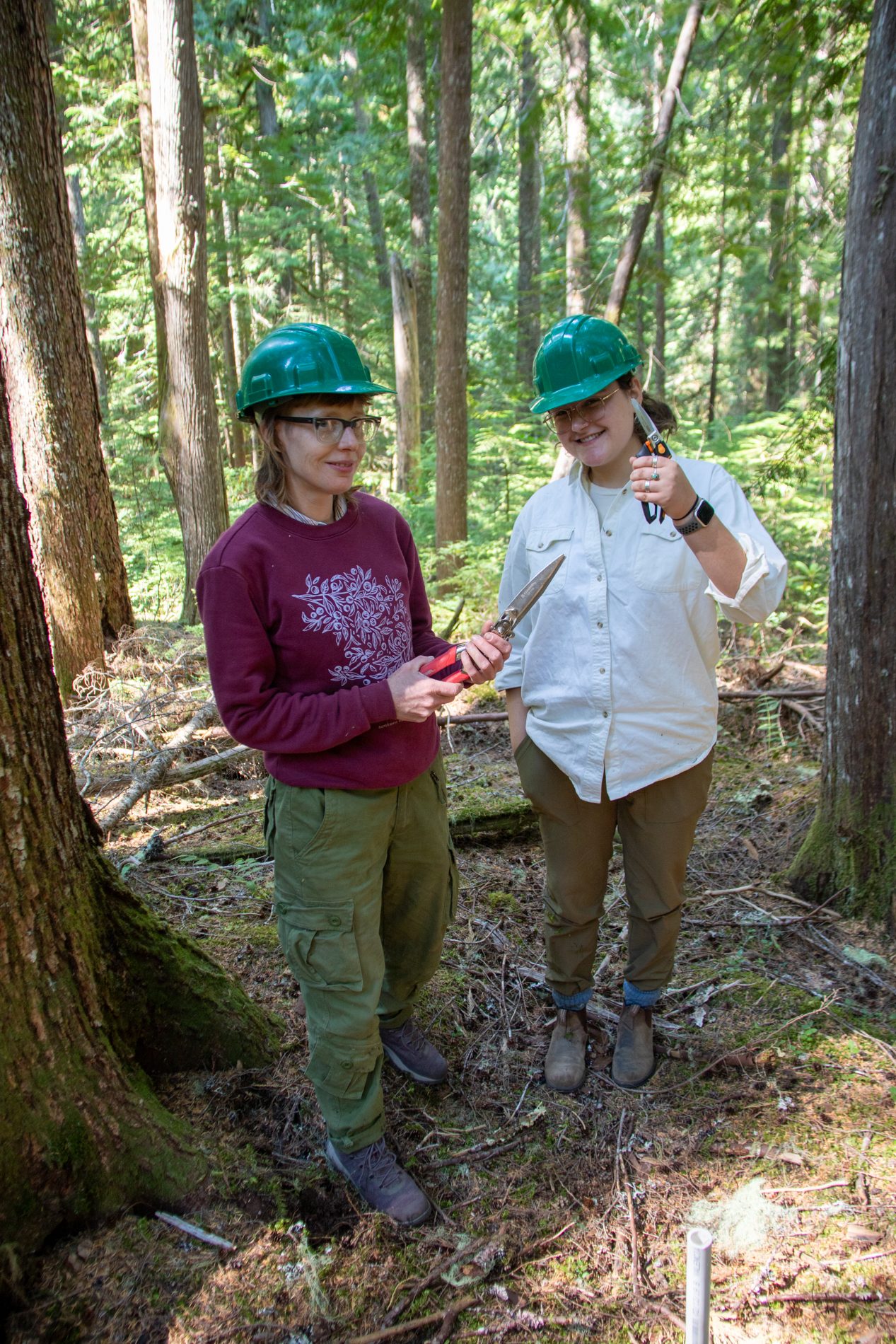
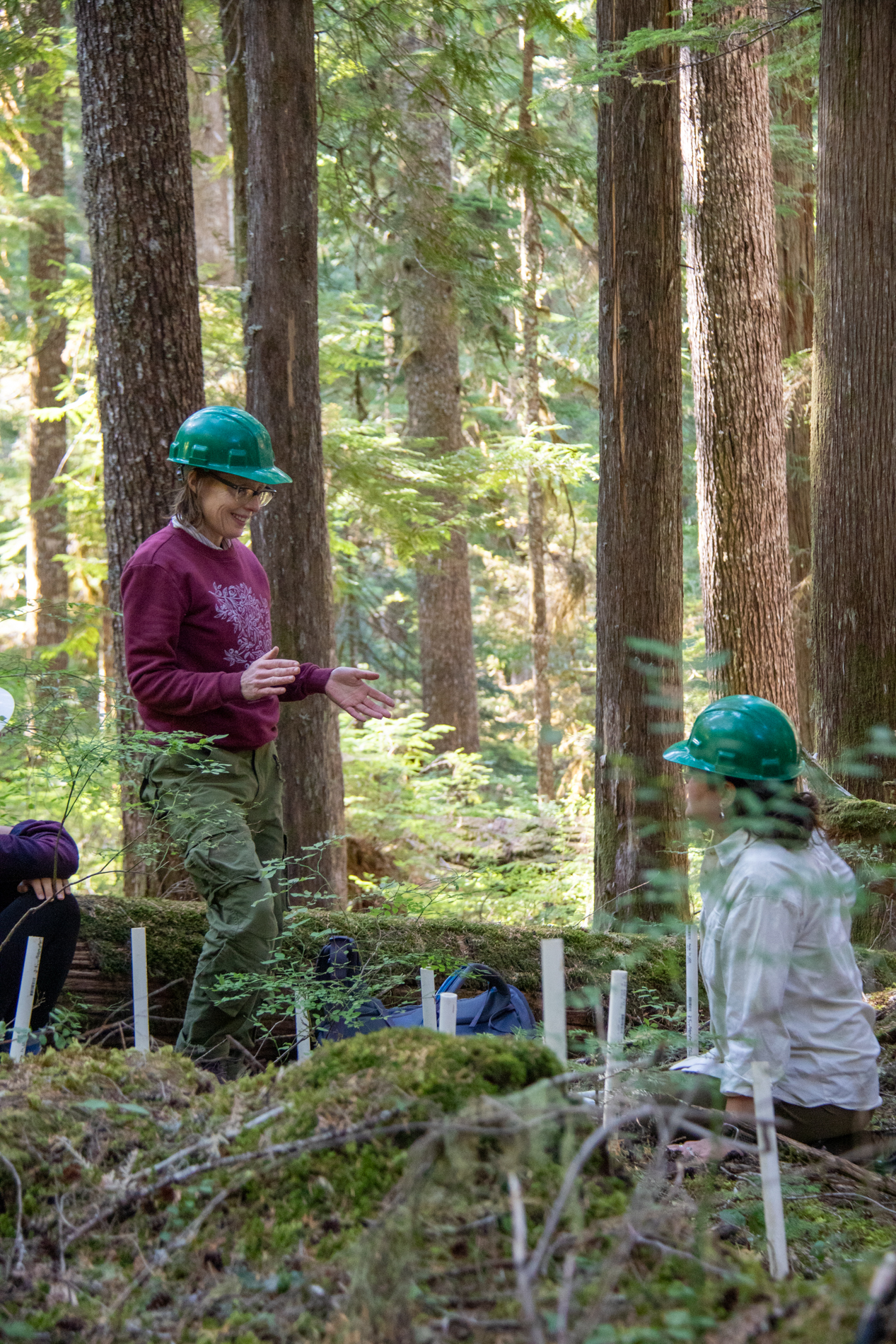
Researchers Meaghan Lake and Sofia Green
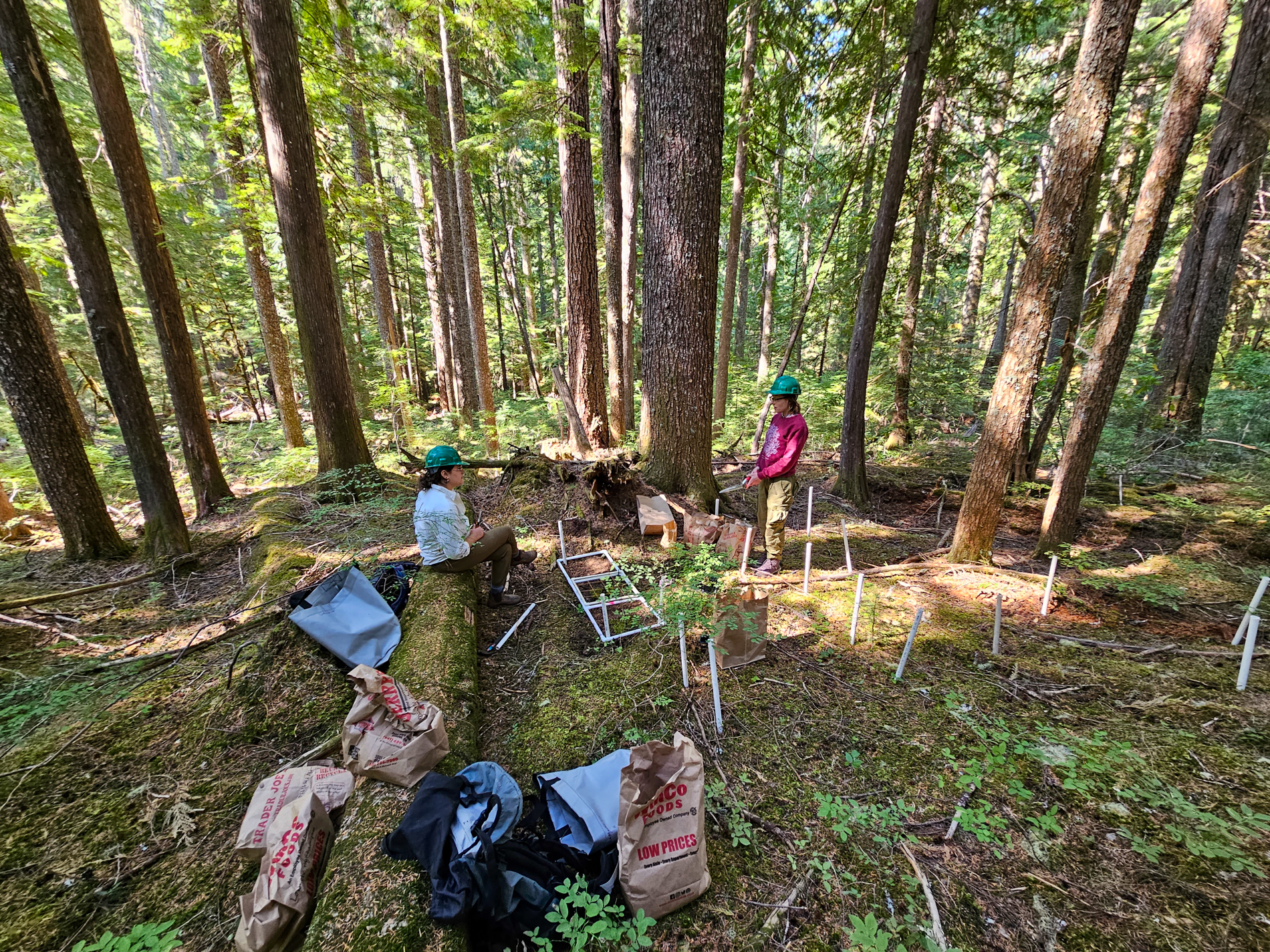
Researchers in a plot selected for a moss transplant study
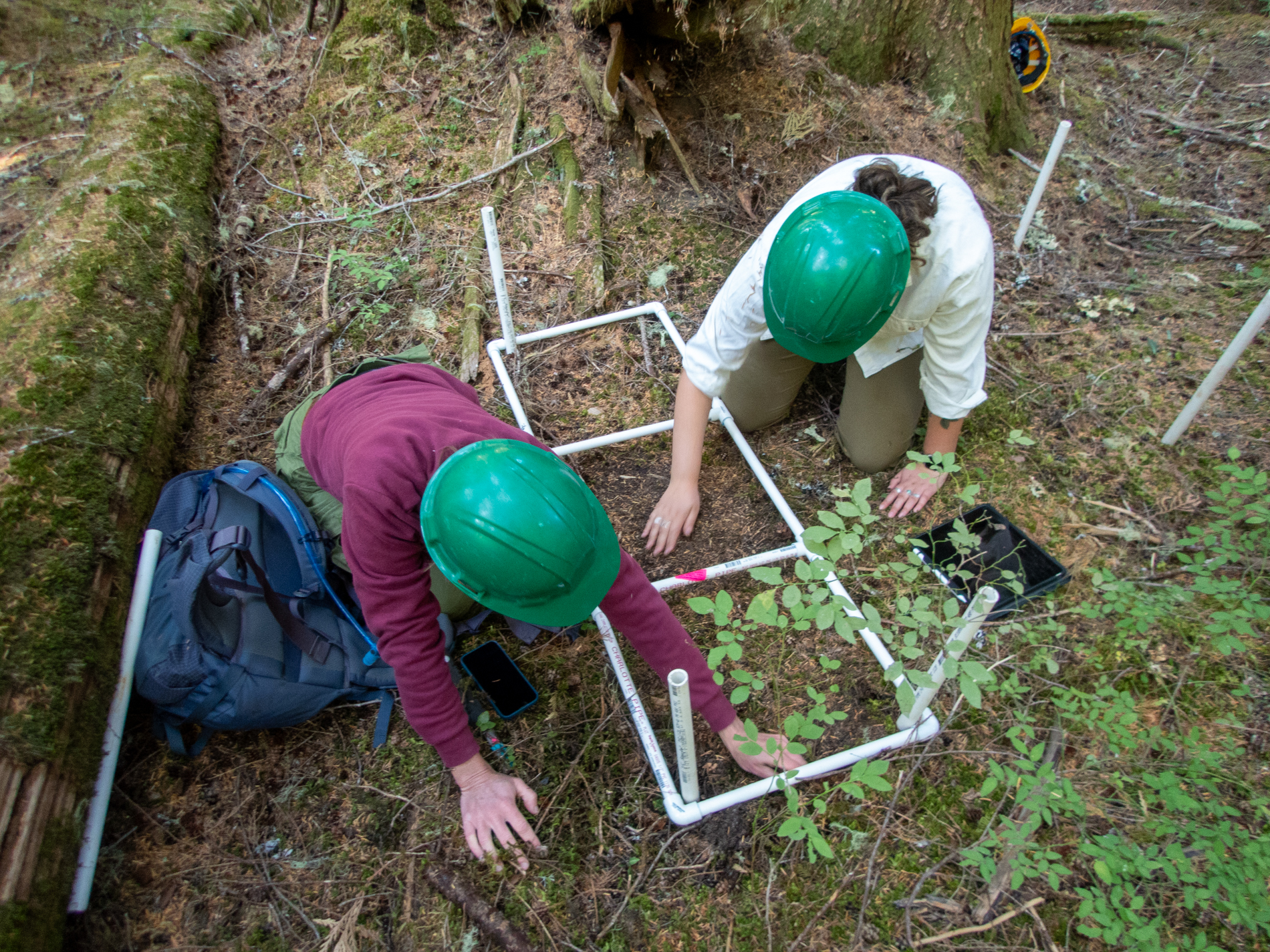
Researchers Meghan Lake and Sofia Green set out a grid and prepare the area for transplants of moss