
Heavy snow fell across the H.J. Andrews Experimental Forest on the night of February 24, 2019. The snow, dense and wet, fell fast and accumulated quickly in the crowns of the trees. The weight of the snow toppled trees or snapped out their crowns. The entire region, including the research forest, experienced a massive tree fall event, knocking out power and communications for days. While long-time staff and researchers of the Andrews Forest program have witnessed this type of "snowdown" event in earlier decades, the scale of this snowdown was more massive than previously seen. On roads within the Andrews Forest, fifty to sixty trees were laid down across every mile of road in lower elevations. Even after two weeks of intense effort to remove trees, many miles of road were still impassable and higher elevation research facilities were inaccessible. In an illustration of the partnership between OSU, the PNW Research Station, and the Willamette National Forest, staff, researchers, and students from across the three institutions came together and worked tirelessly, shoulder-to-shoulder, to cut and remove trees from the roads and to gain access to research sites which are key to maintaining long-term records of climate, snow, and stream and precipitation chemistry. Research efforts began right away to determine the scale of the disturbance, and it's long-term implications.
Snowdown 2019
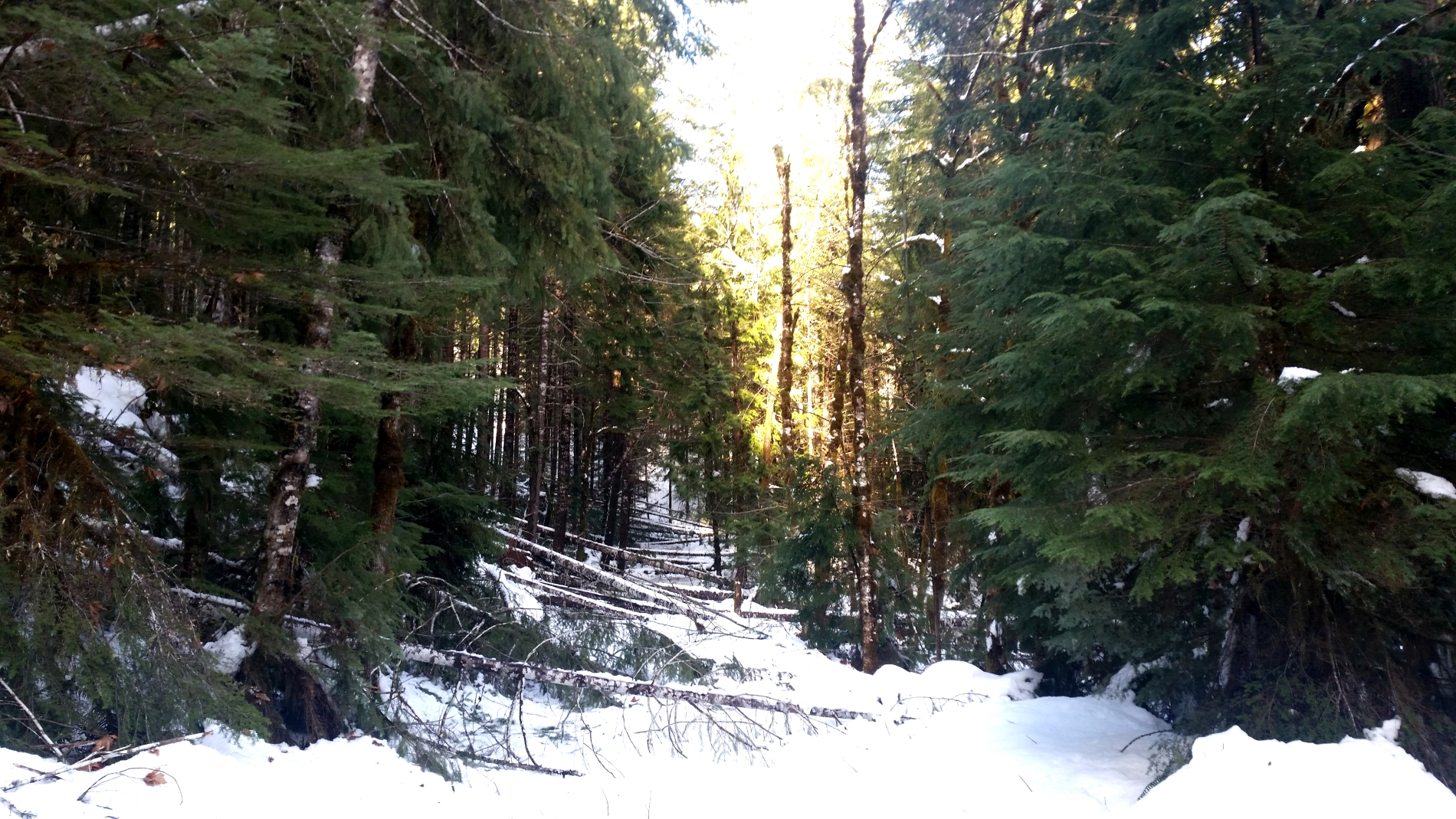
132 Road, behind the headquarters facilities, between the kiosk and the pump house
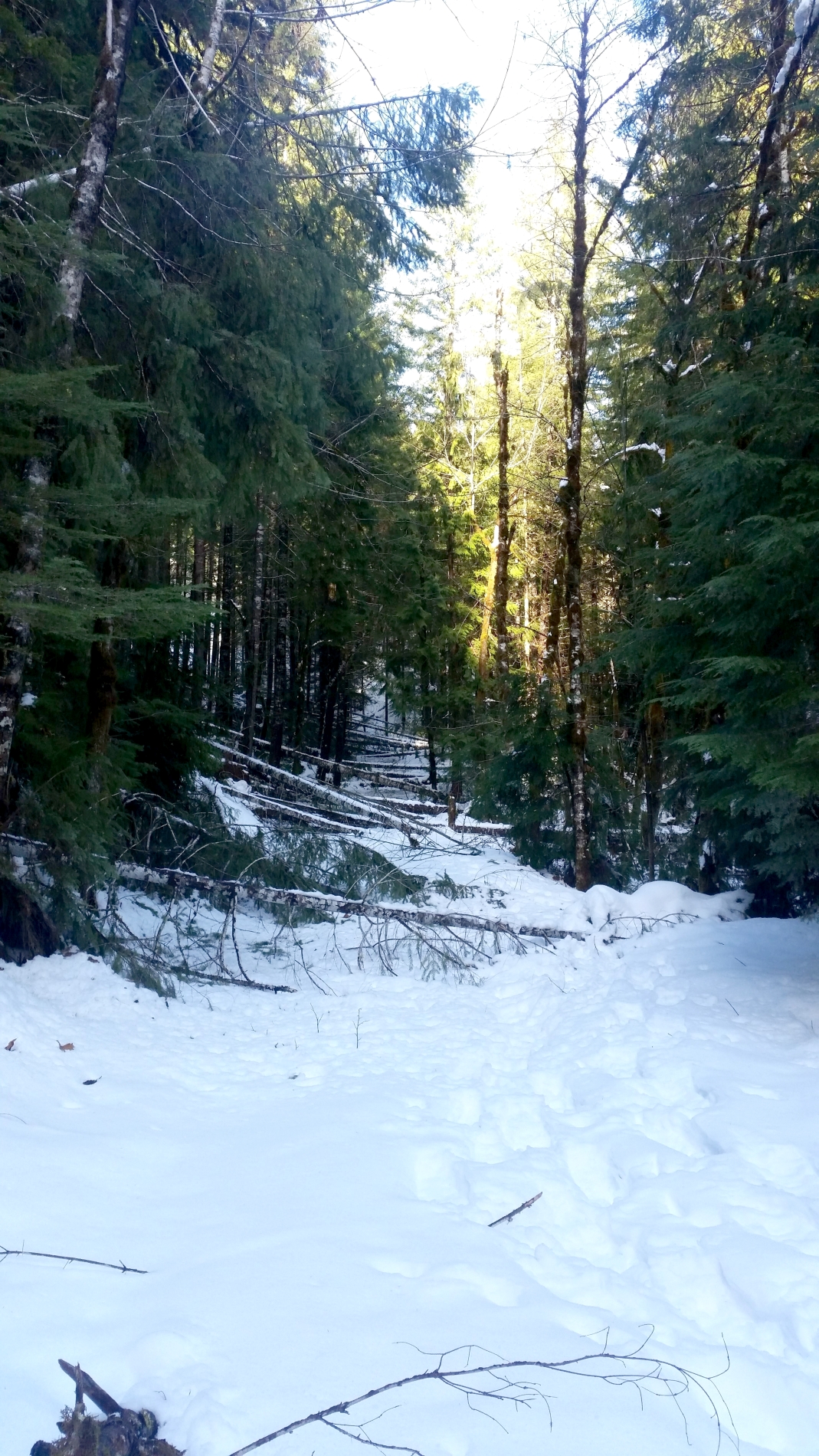
132 Road, behind the headquarters facilities, between the kiosk and the pump house
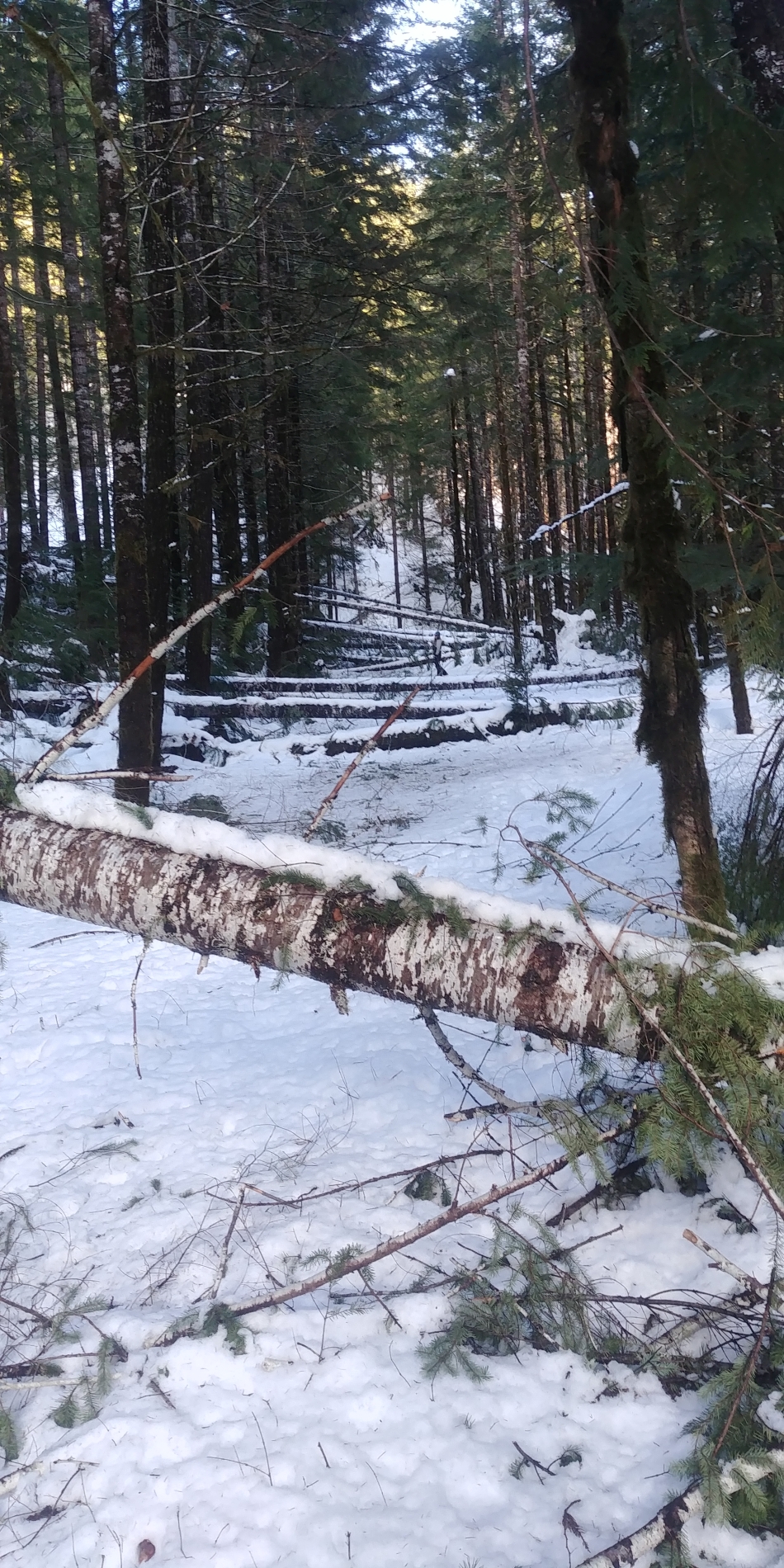
132 Road, behind the headquarters facilities, between the kiosk and the pump house. Note person (Marie Tosa) in center, for scale
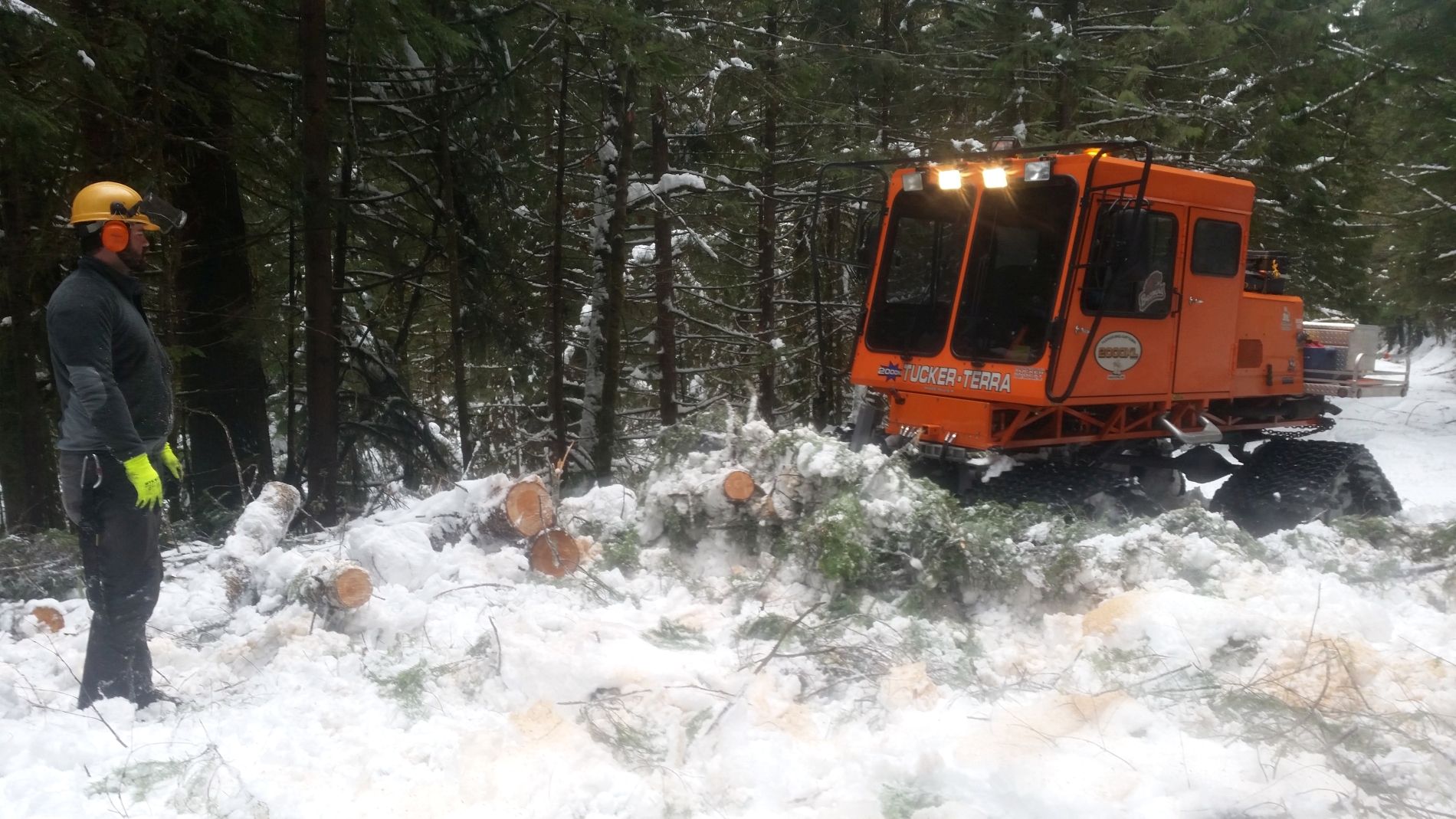
Clearing trees from the 1506 Road. Ben Murley and the sno-cat.
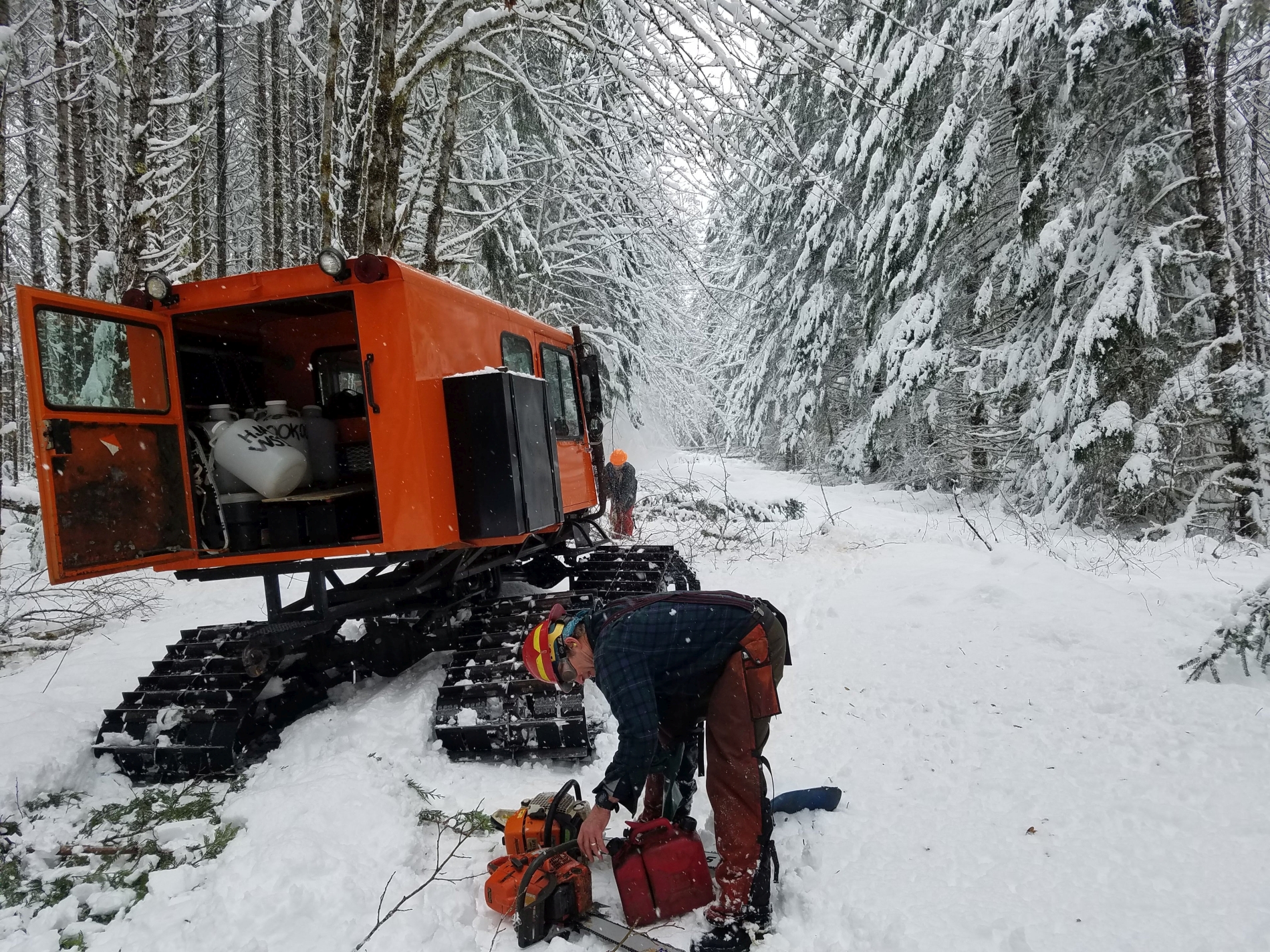
Greg Downing, with the USFS, clears the road of fallen trees, with the aid of snowcat and chainsaw
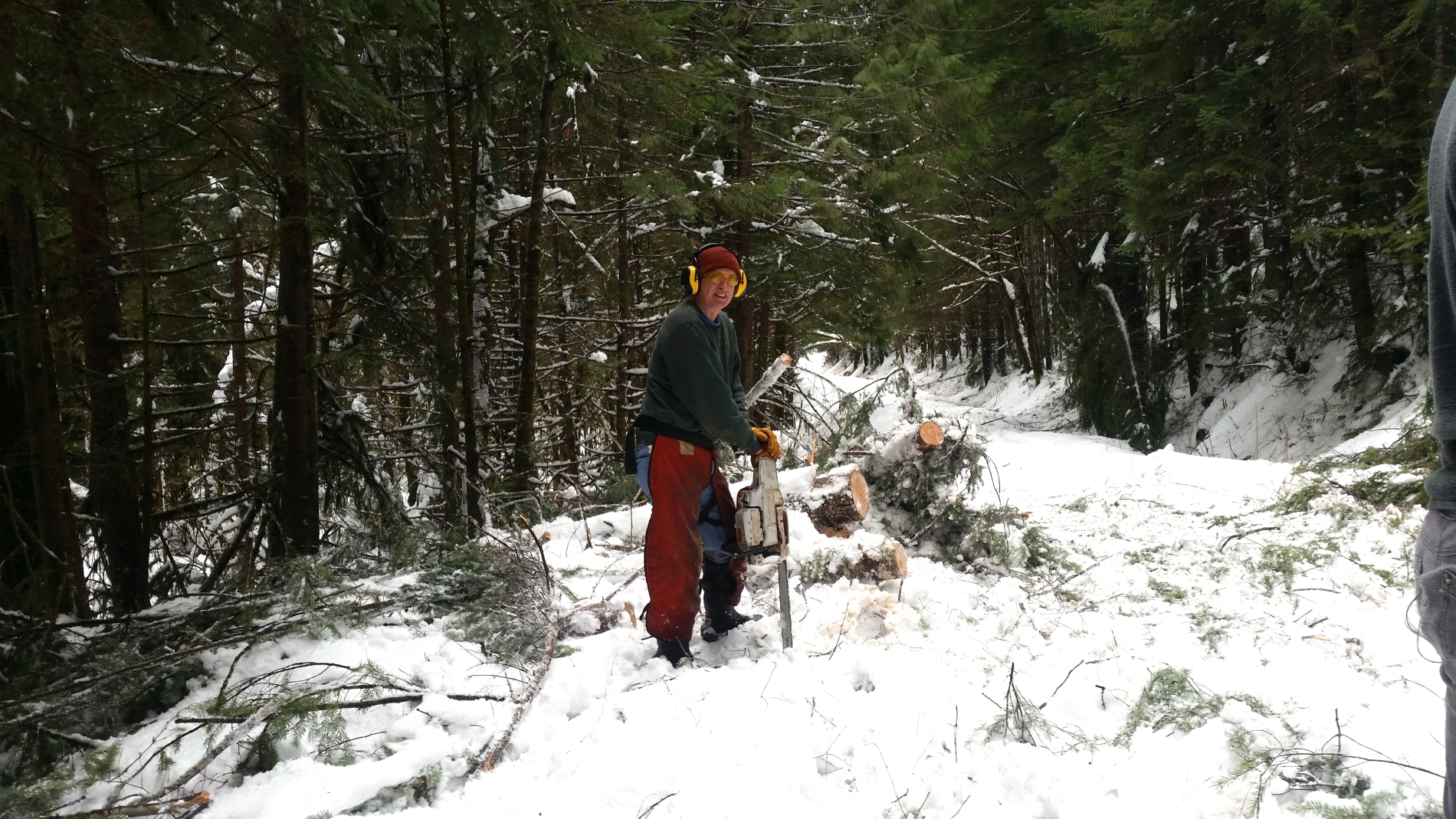
John Moreau, post retirement, helps clear trees from the 1506 Road
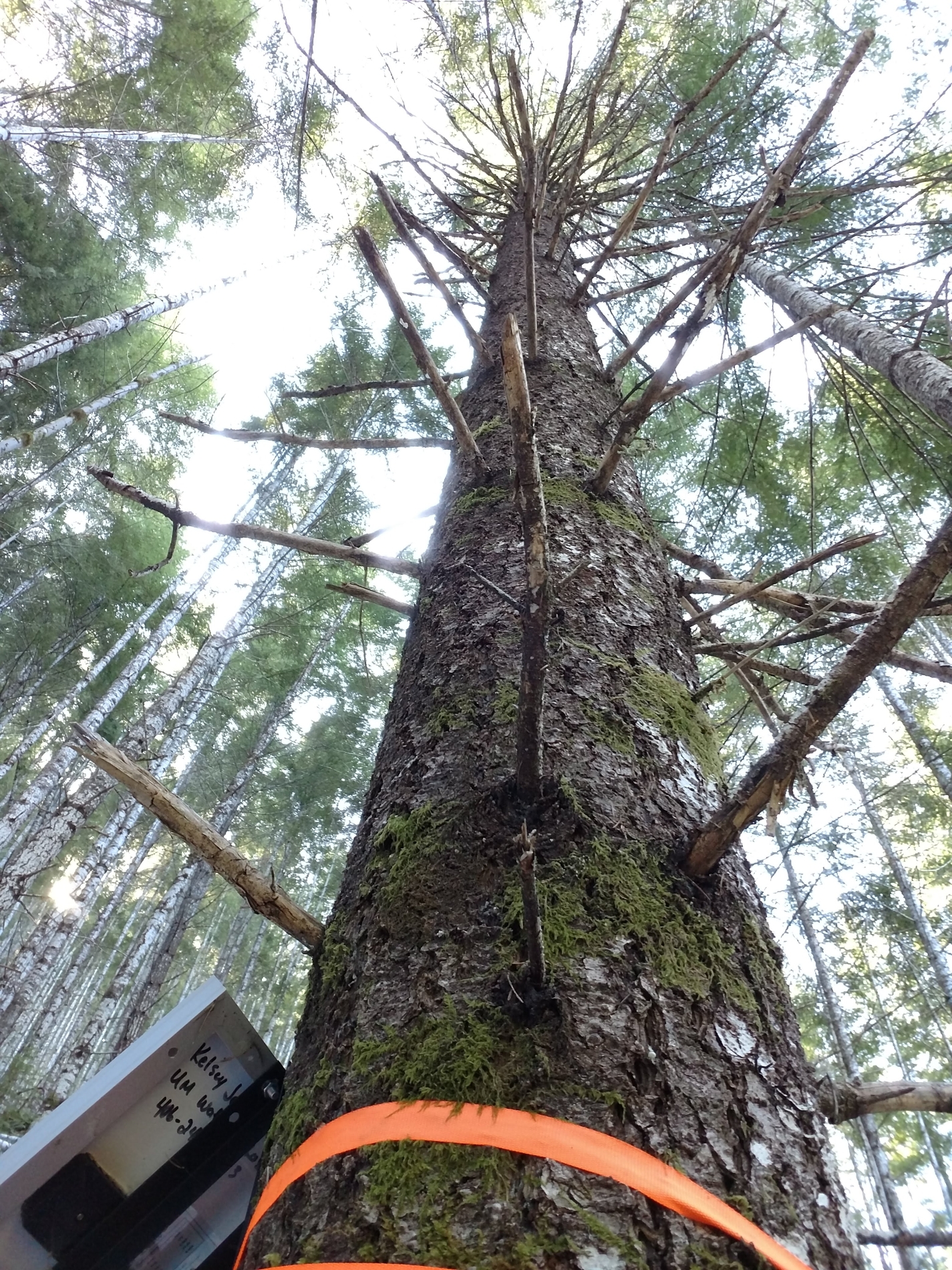
Looking up an instrumented tree in WS1
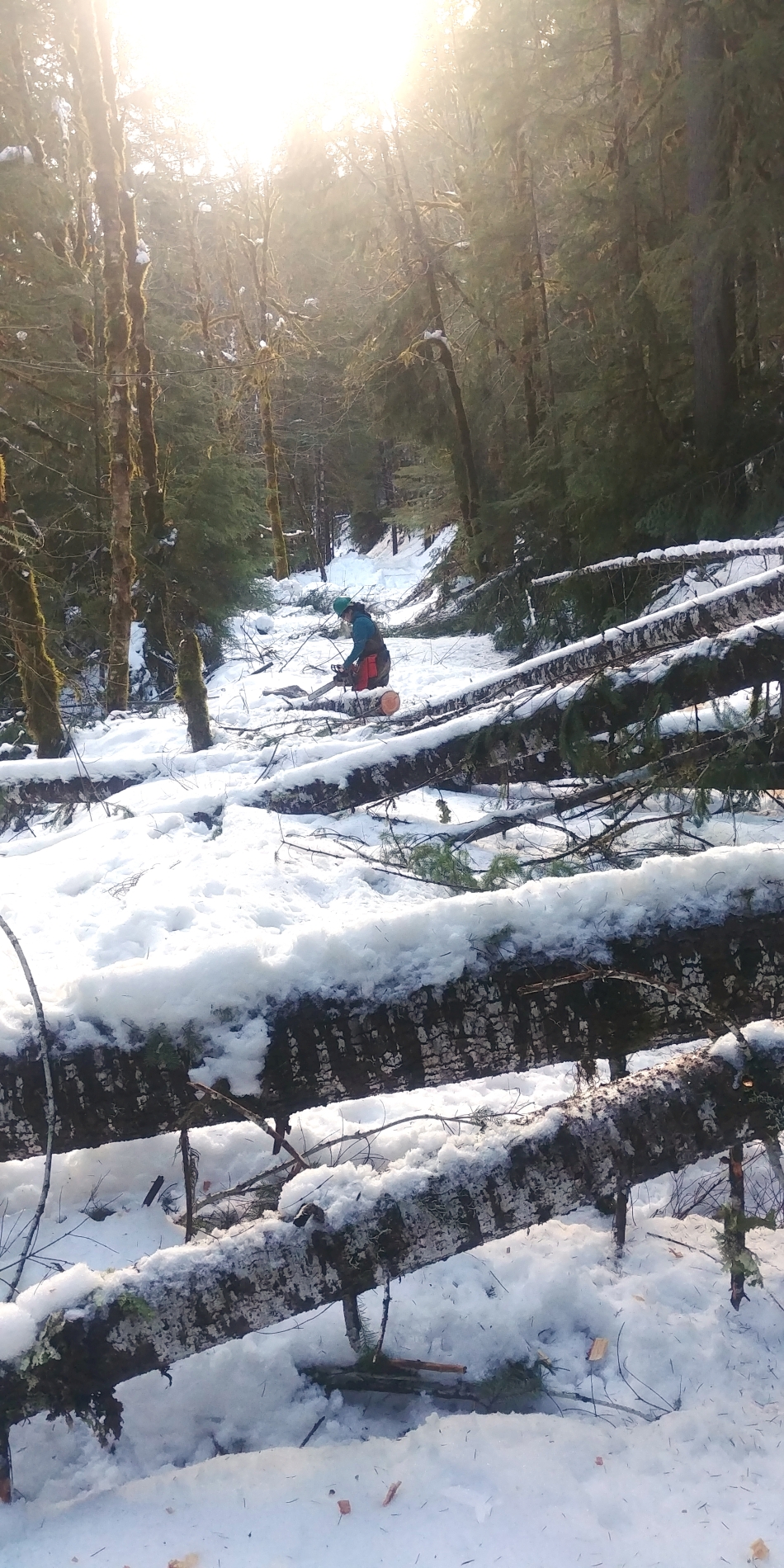
Marie Tosa clearing trees from the 132 Road, behind the headquarters facilities, between the kiosk and the pump house
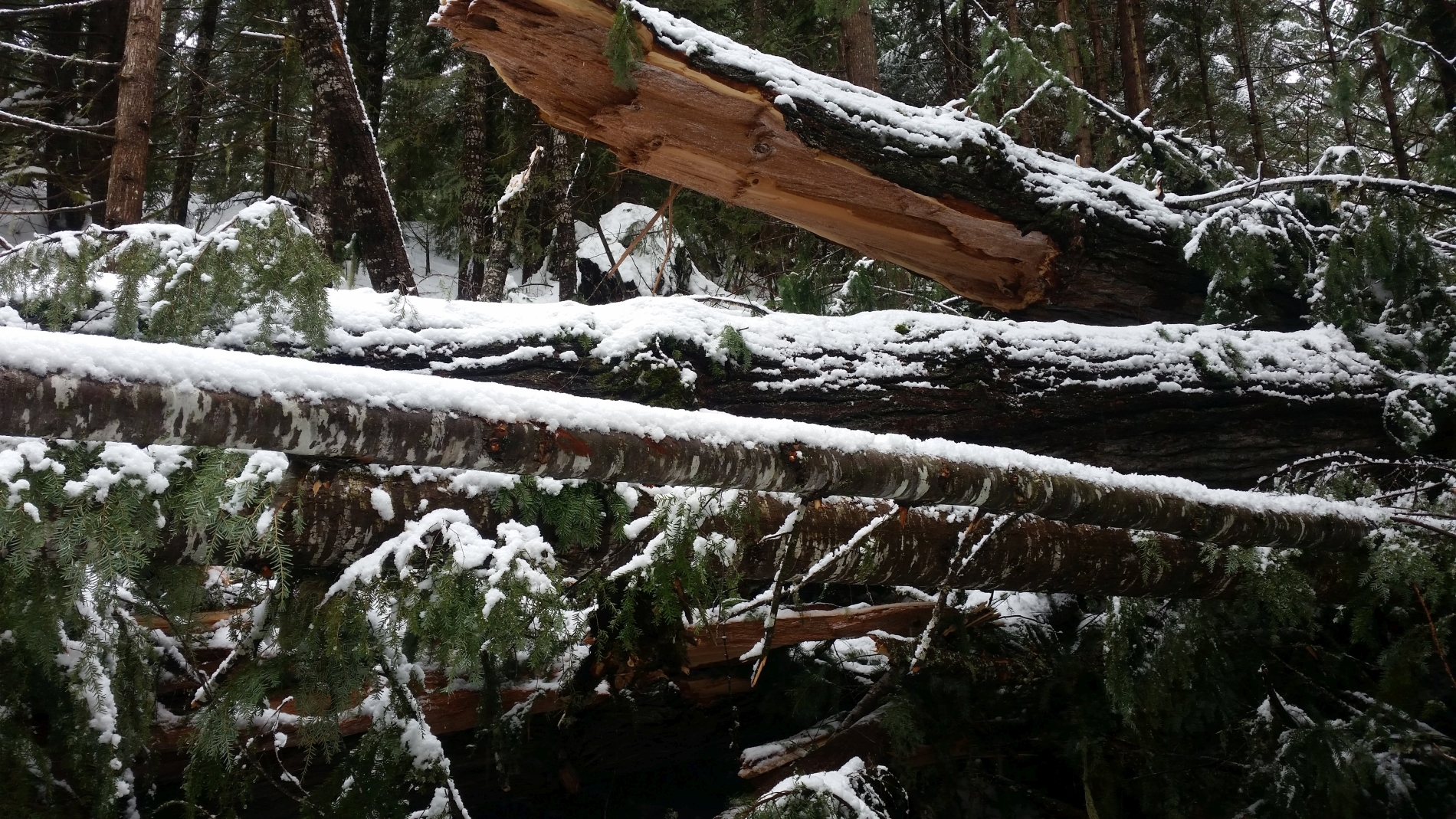
removing a large tree across the 1506 road
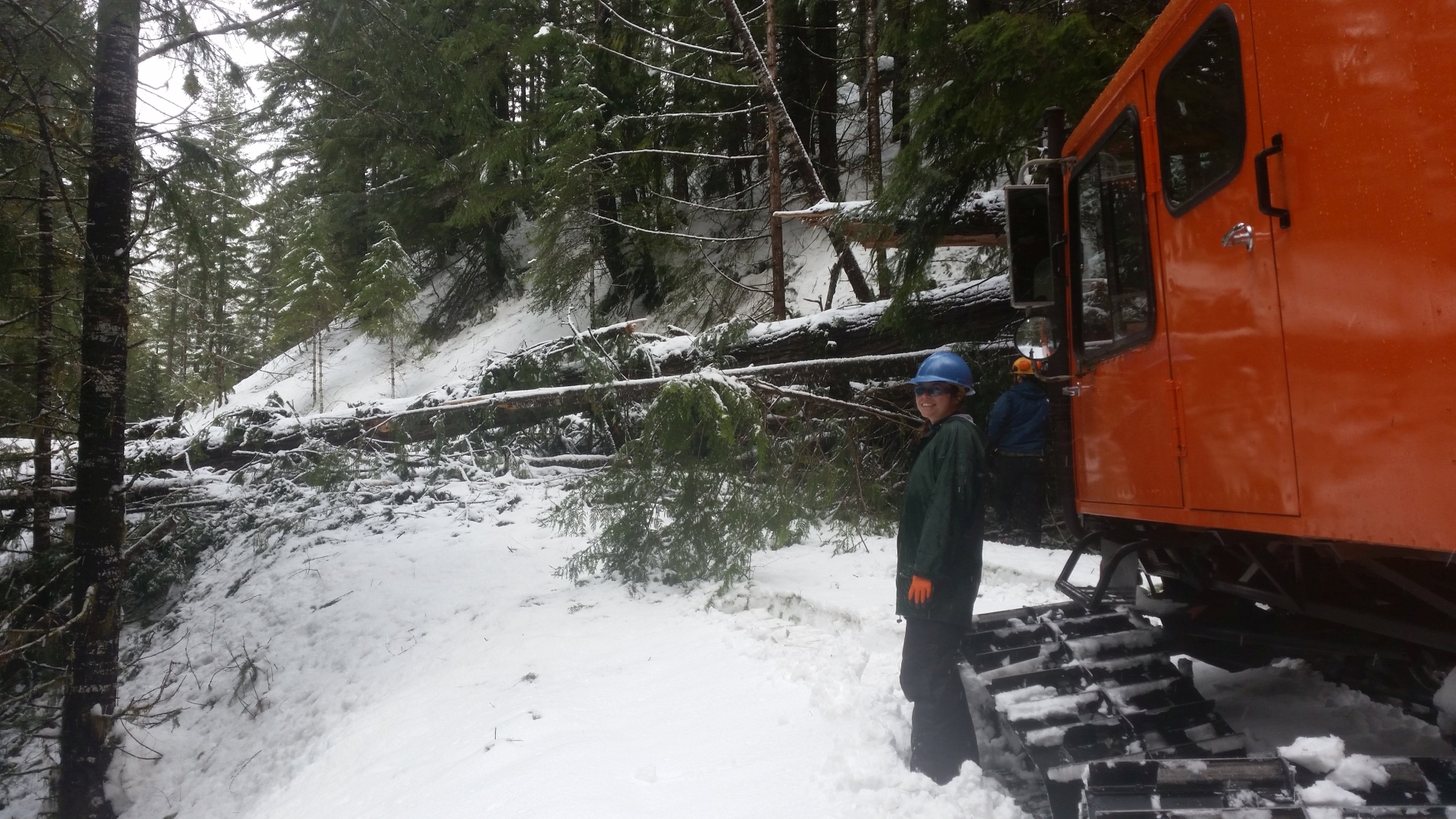
removing a large tree across the 1506 road
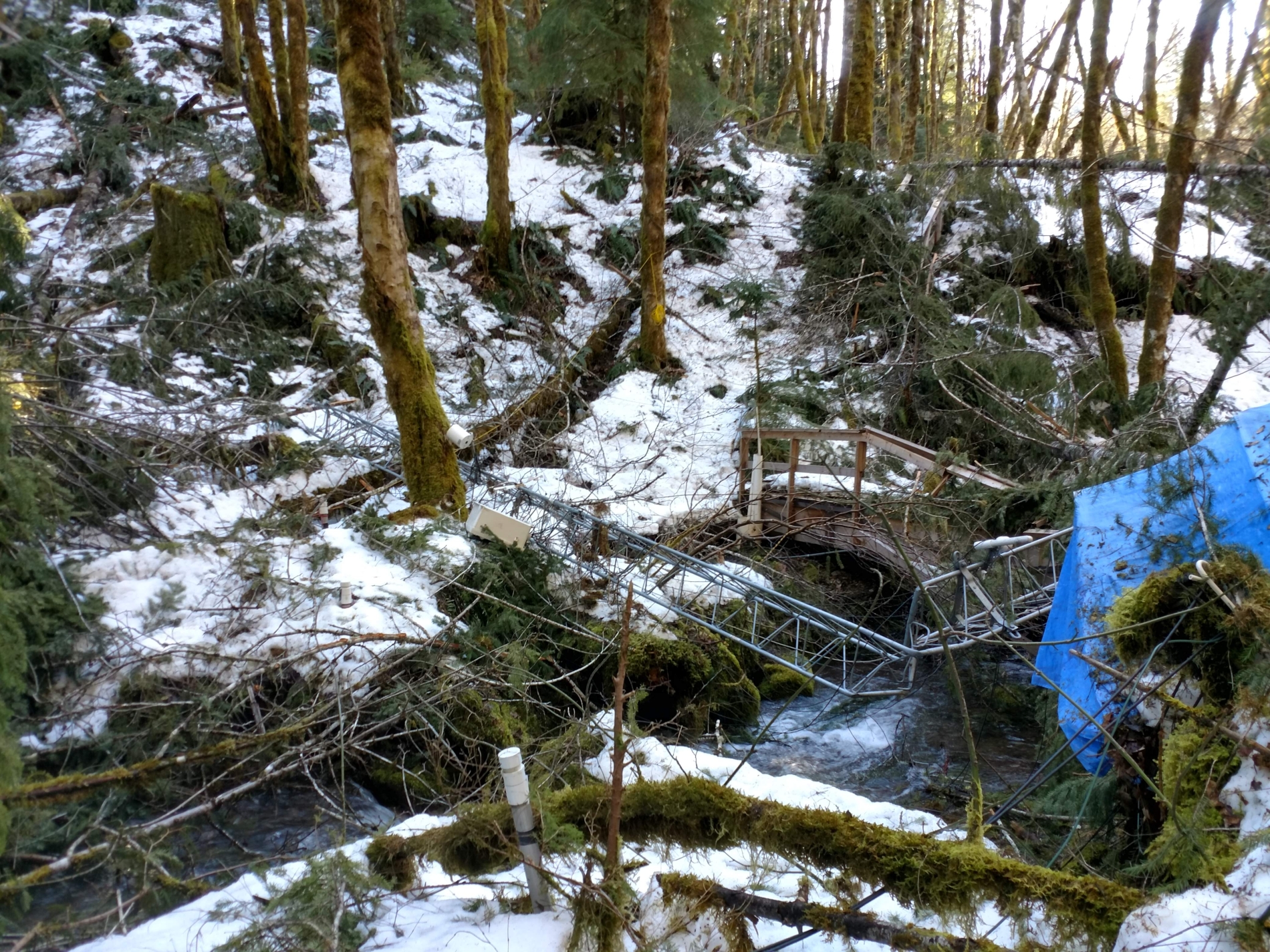
Smashed towers and sensors at the bottom of Watershed 01, after the snowdown
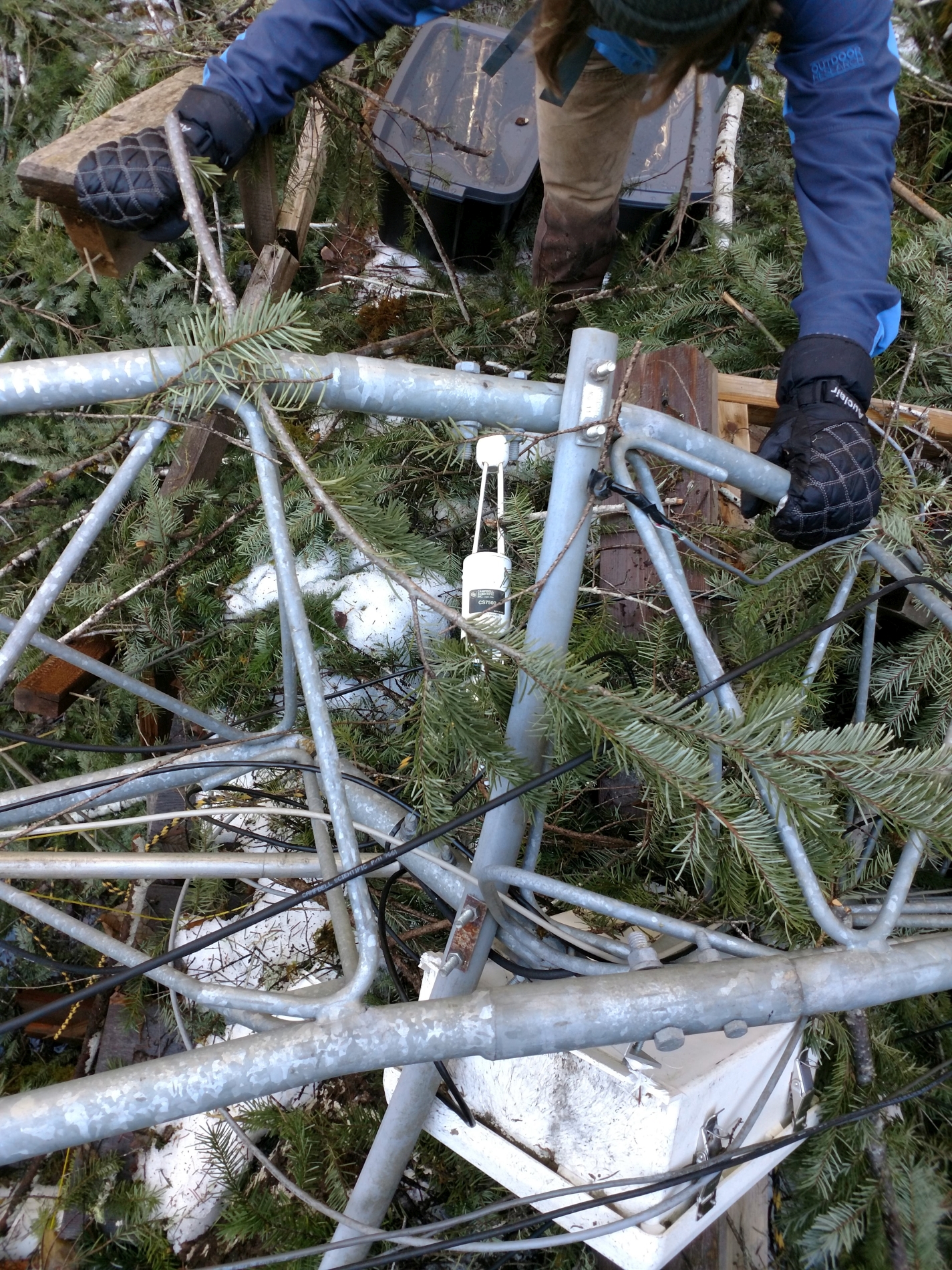
Smashed towers and sensors at the bottom of Watershed 01, after the snowdown
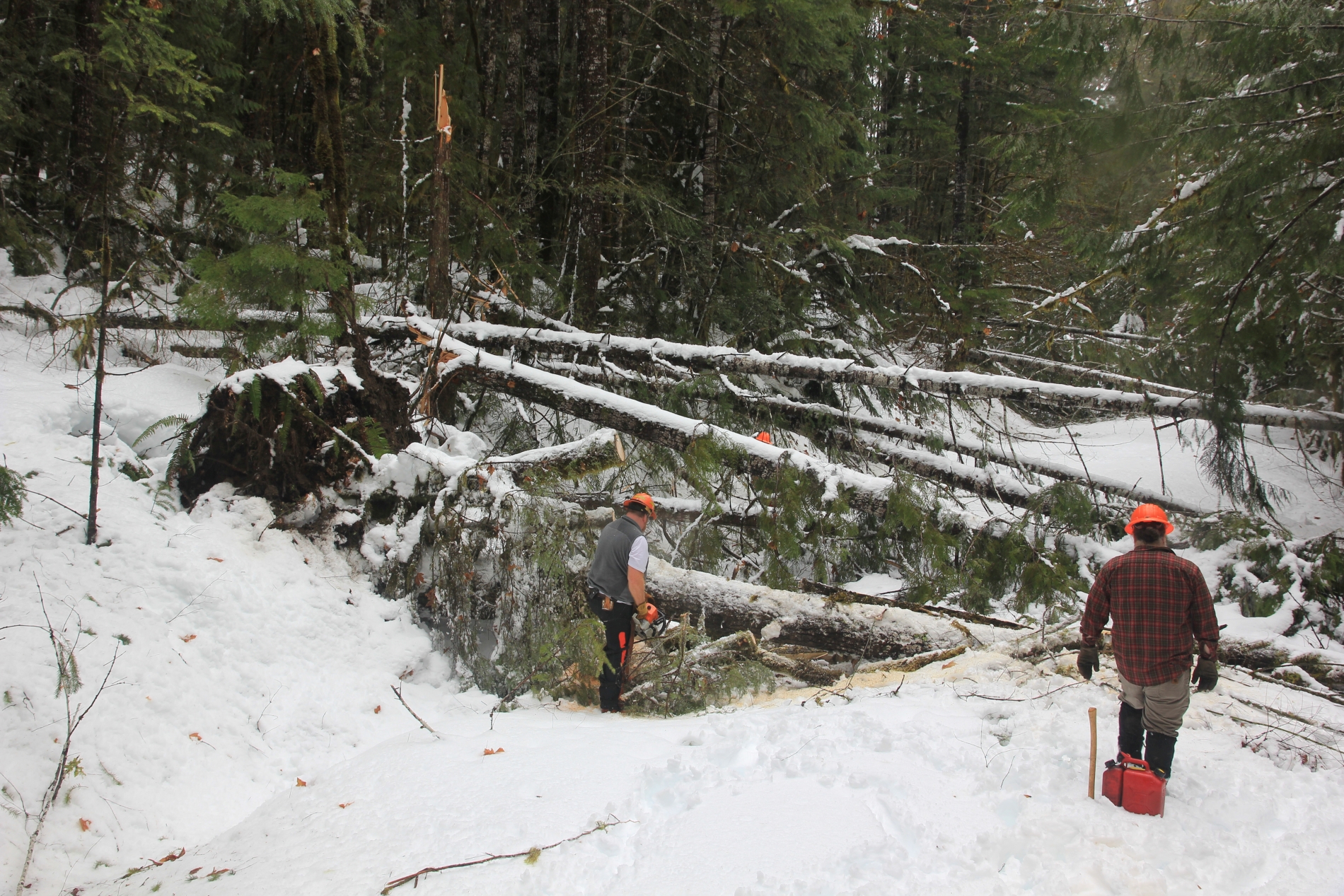
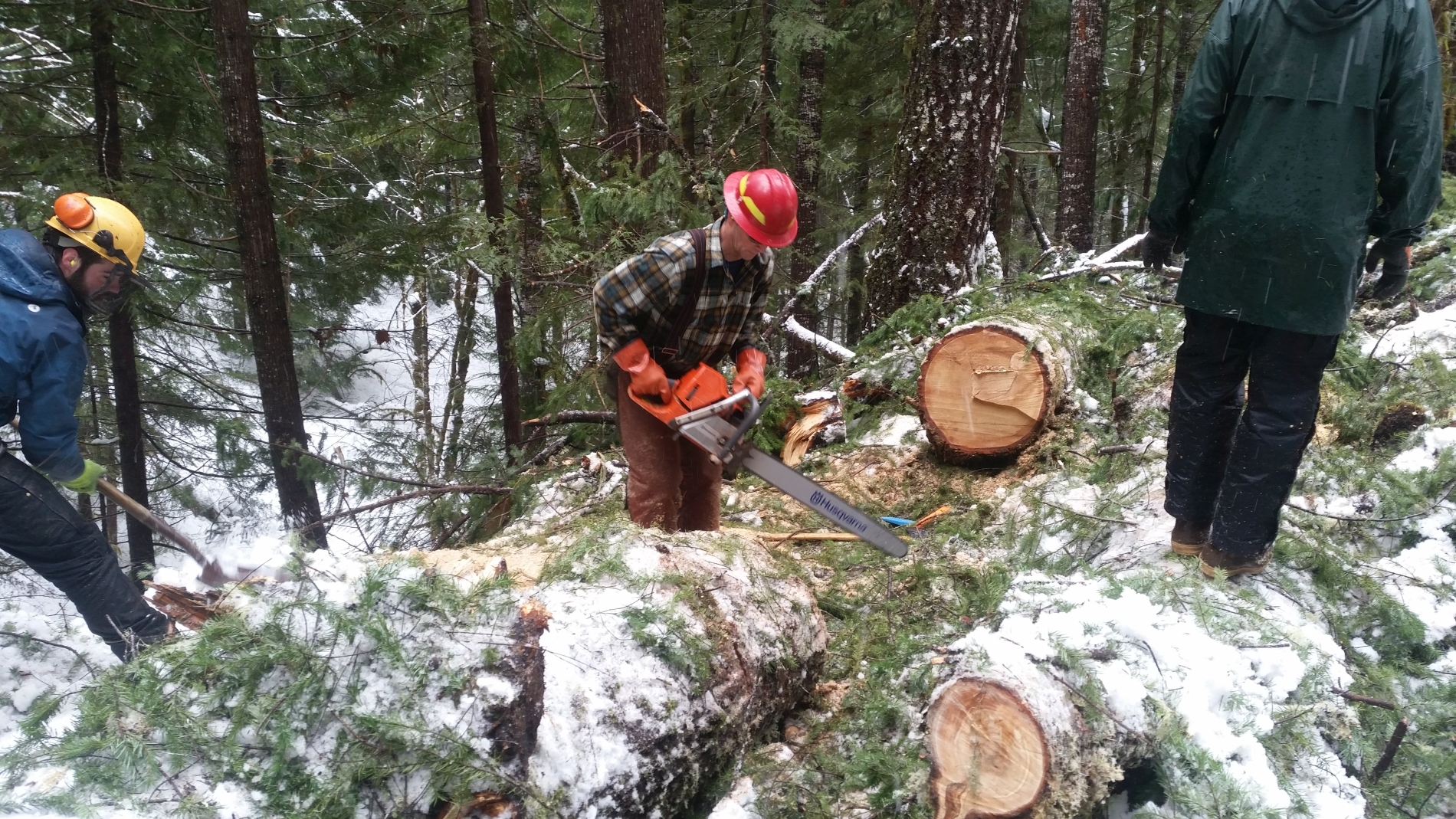
Brett Morrissette, Mark Gasser, Jay Sexton clear trees from the 1506 Road near the 330 Rd junction
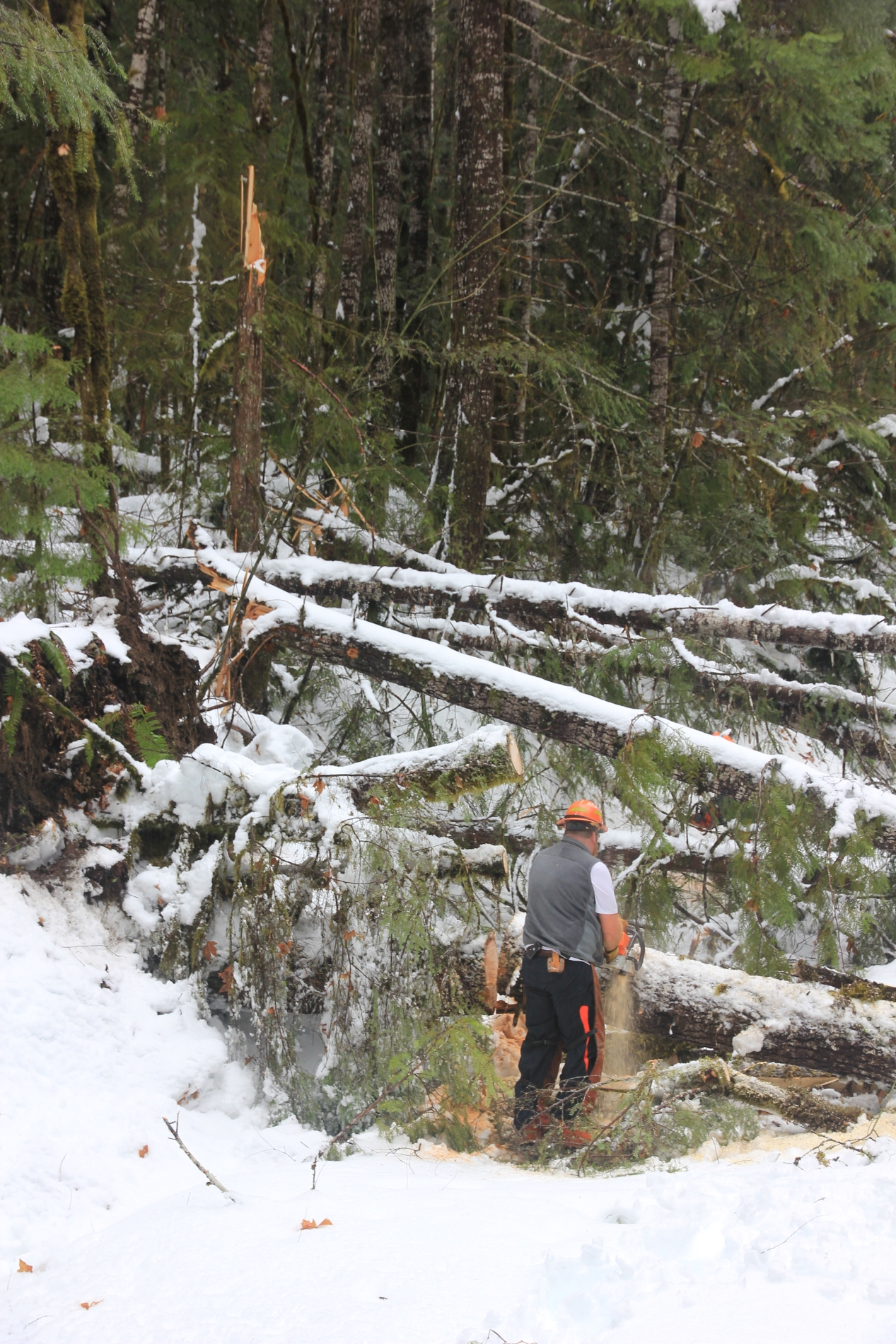
Brett Morrissette clears trees from the 1506 Road near the 330 Rd junction, with a sheared off tree in the background.
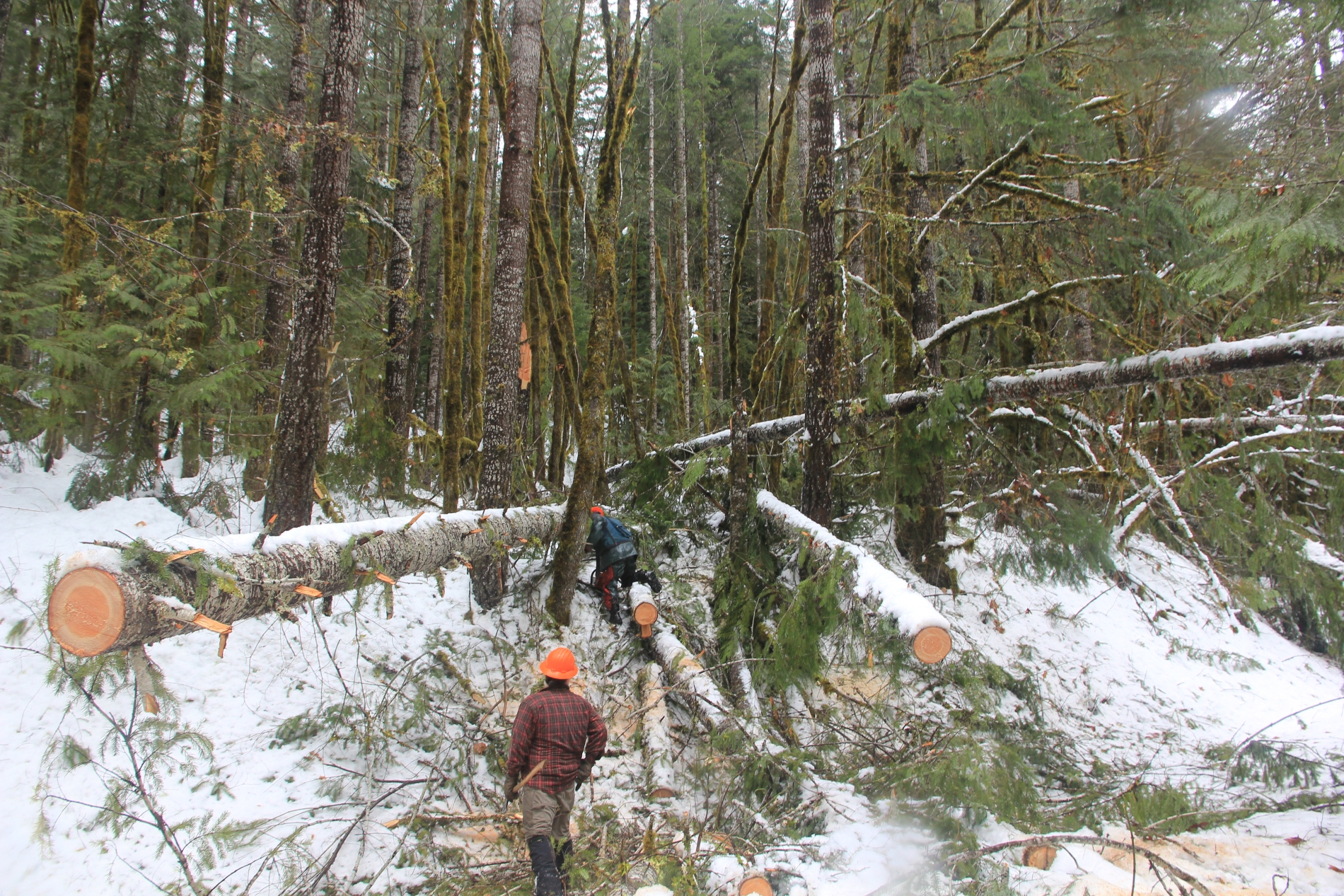
Mark Gasser, Jay Sexton clear trees from the 1506 Road near the 330 Rd junction. Trees often came down in clumps or groups.
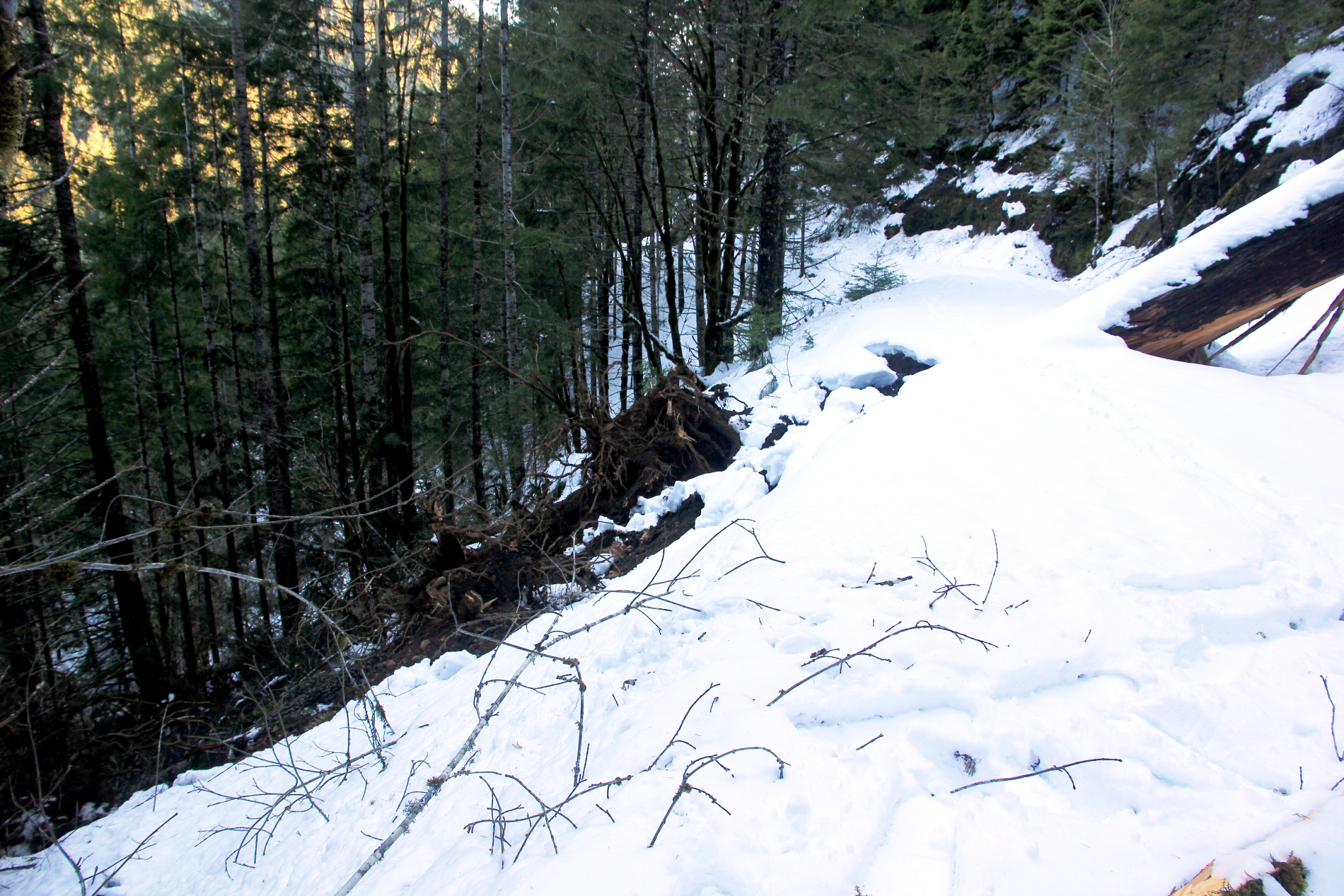
Along the 130 Road. Notice tip up, even of a very large tree
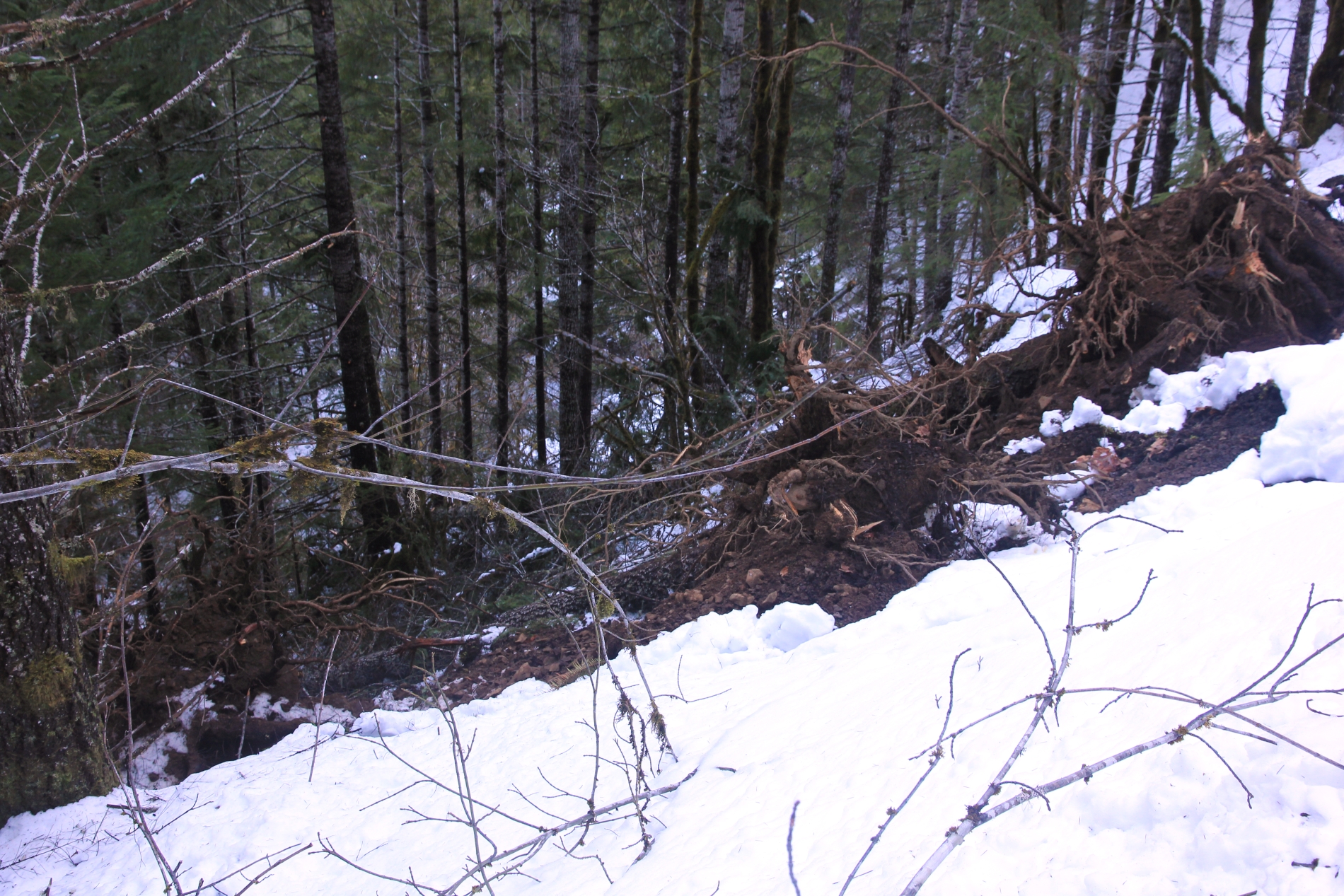
Tree tip up and disturbed soil around root mass
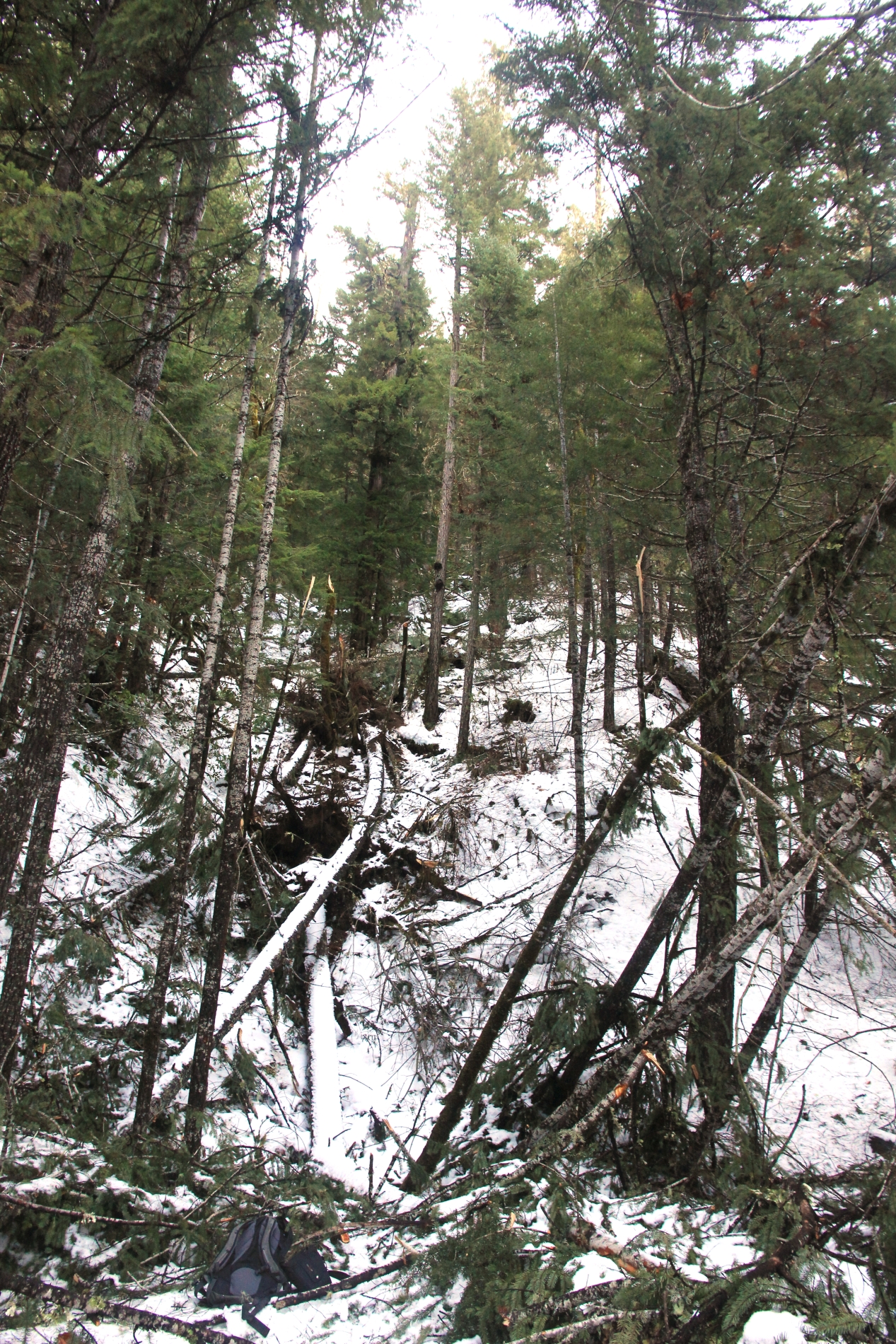
Looking up into the forest from the 130 Road. Note backpack in foreground for scale.
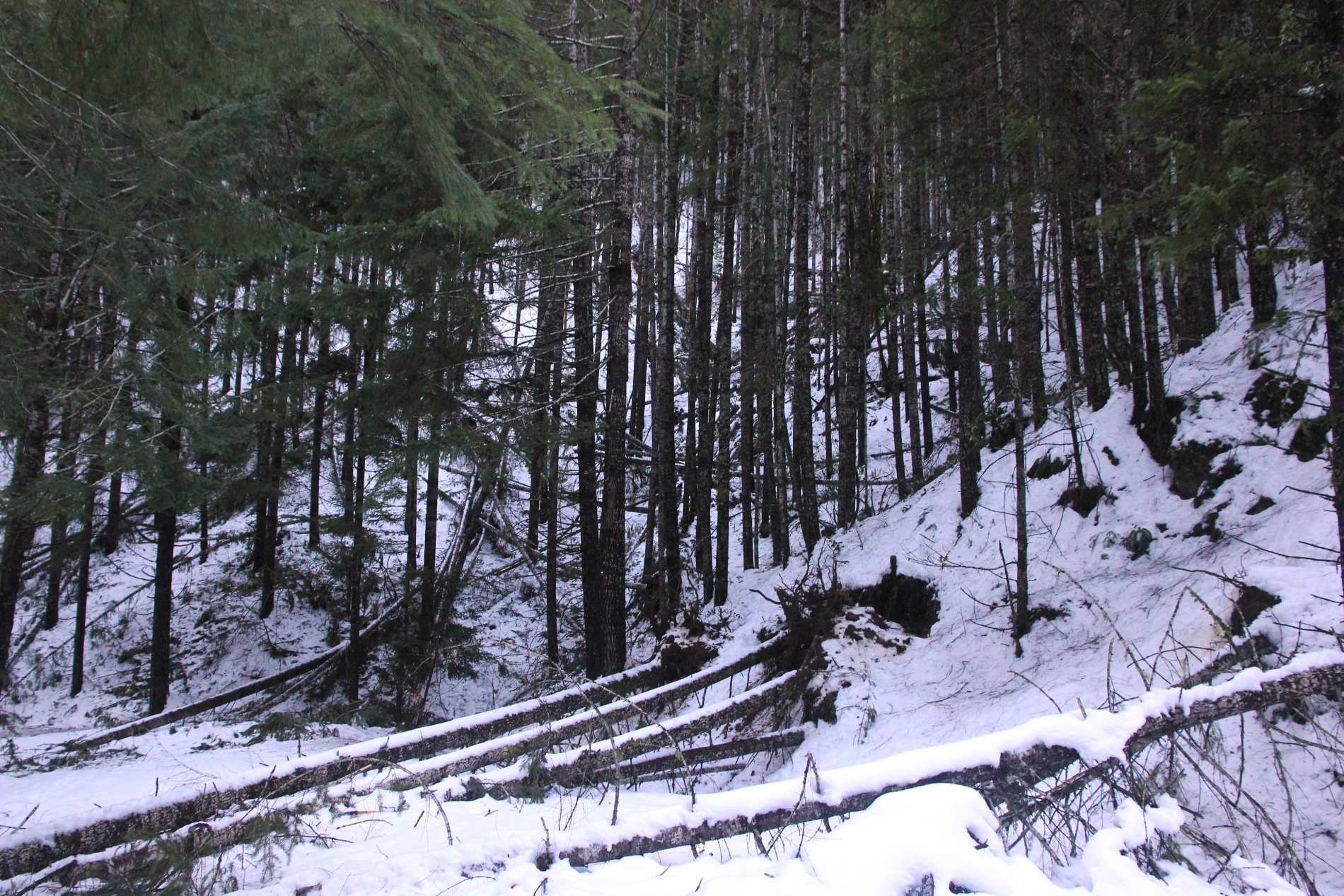
Looking up into the forest from the 130 Road
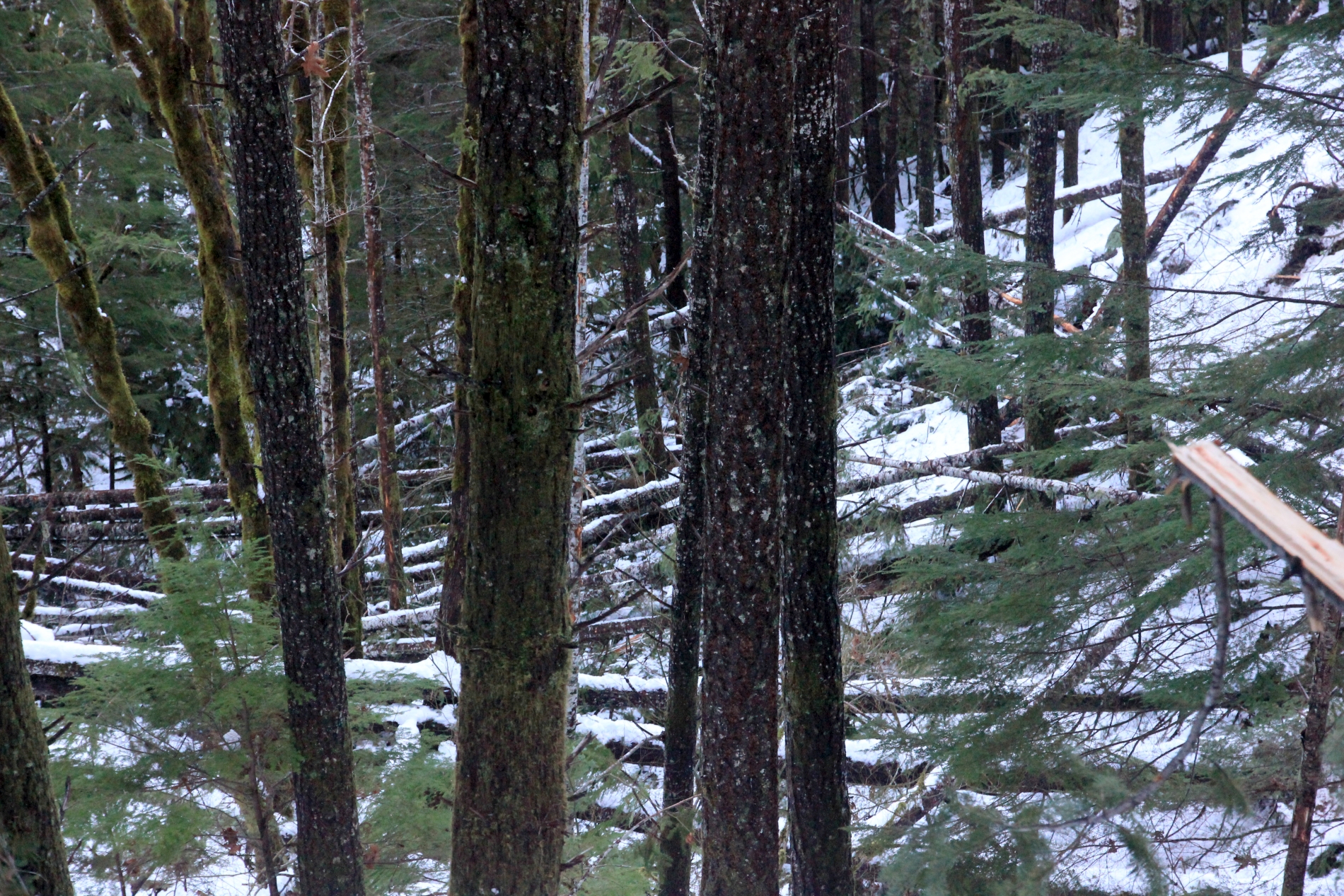
Looking into the forest from the 130 Road. Almost all stems down are from this storm.
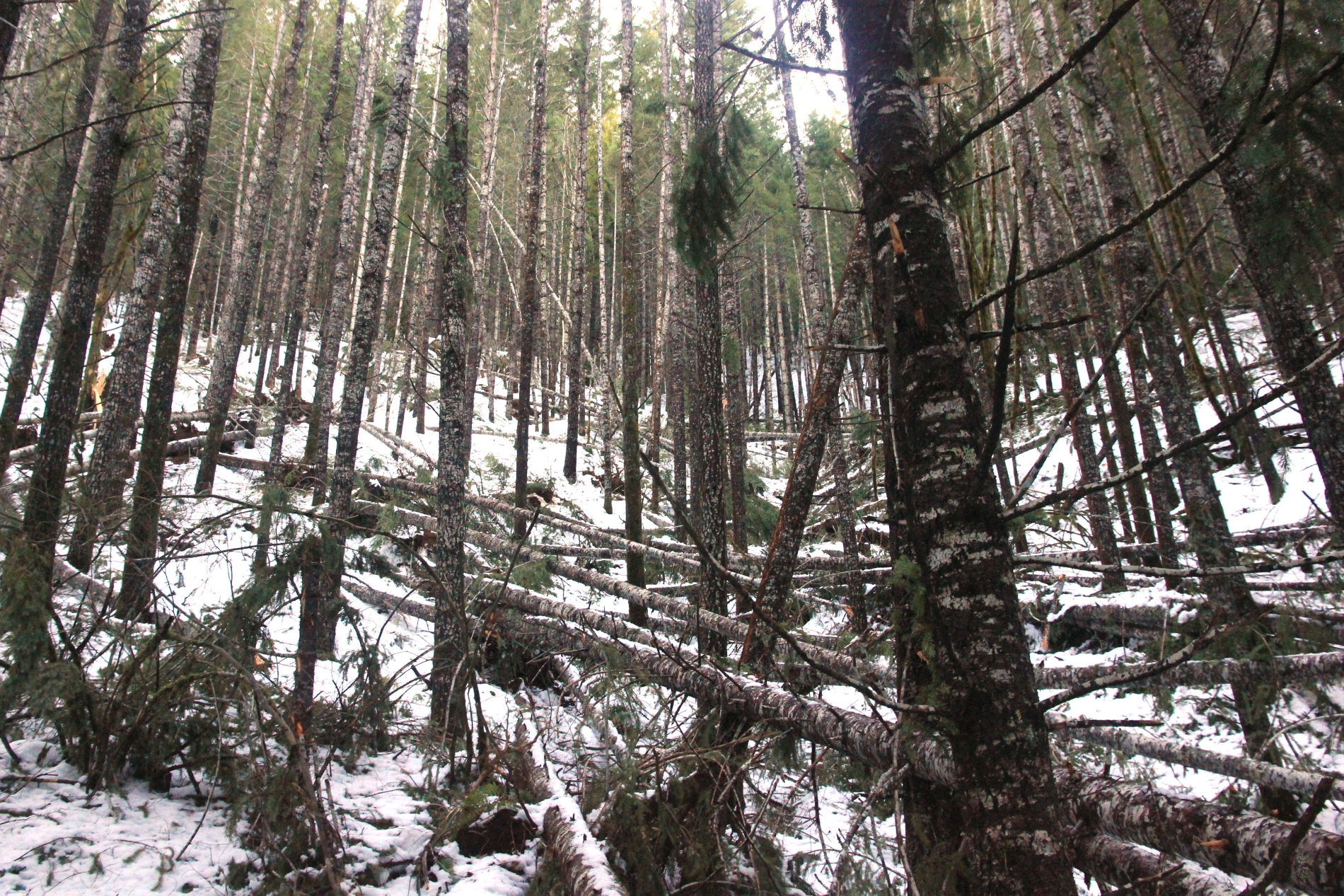
Looking into the forest from the 130 Road. Almost all stems down are from this storm.
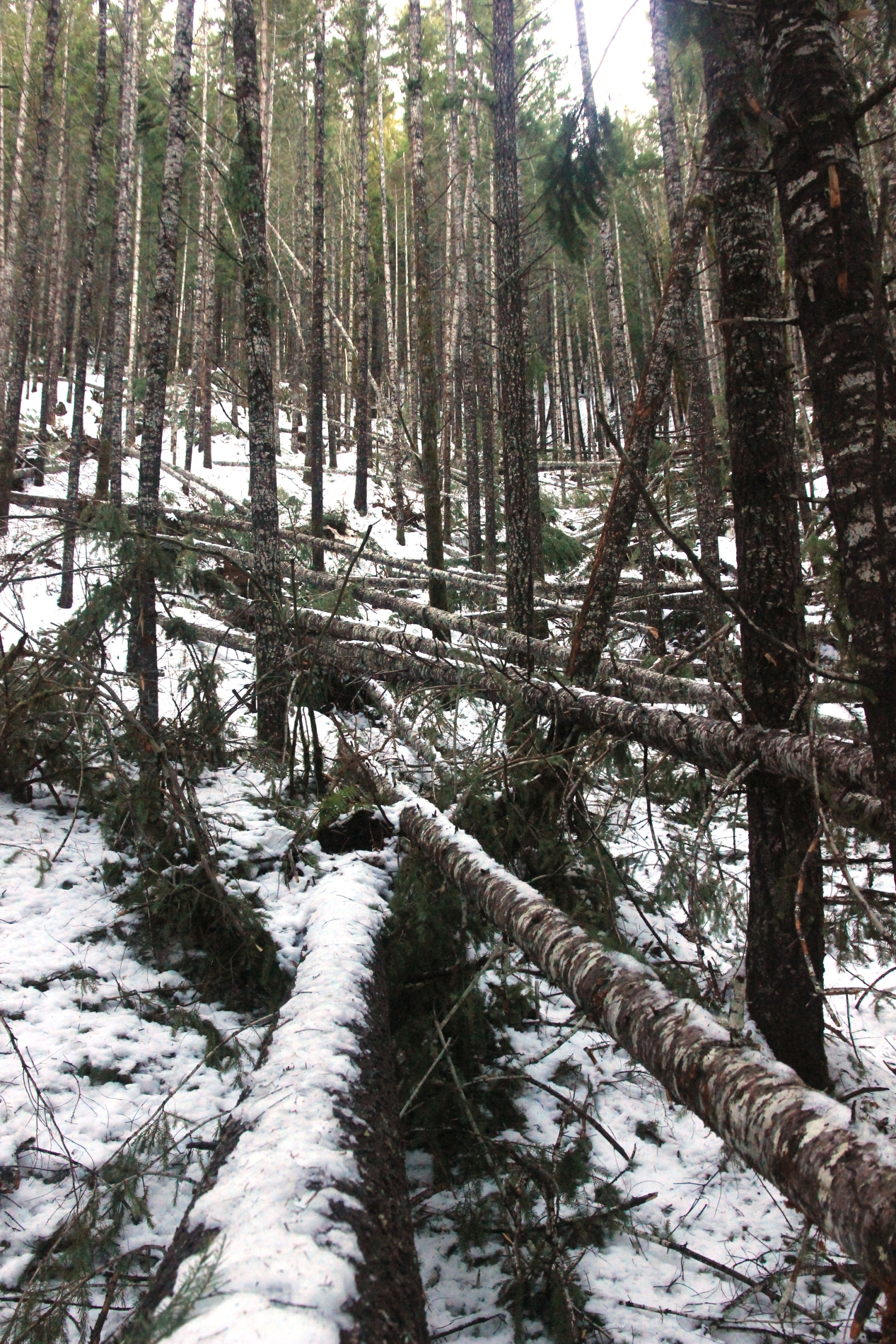
Looking into the forest from the 130 Road. Almost all stems down are from this storm.
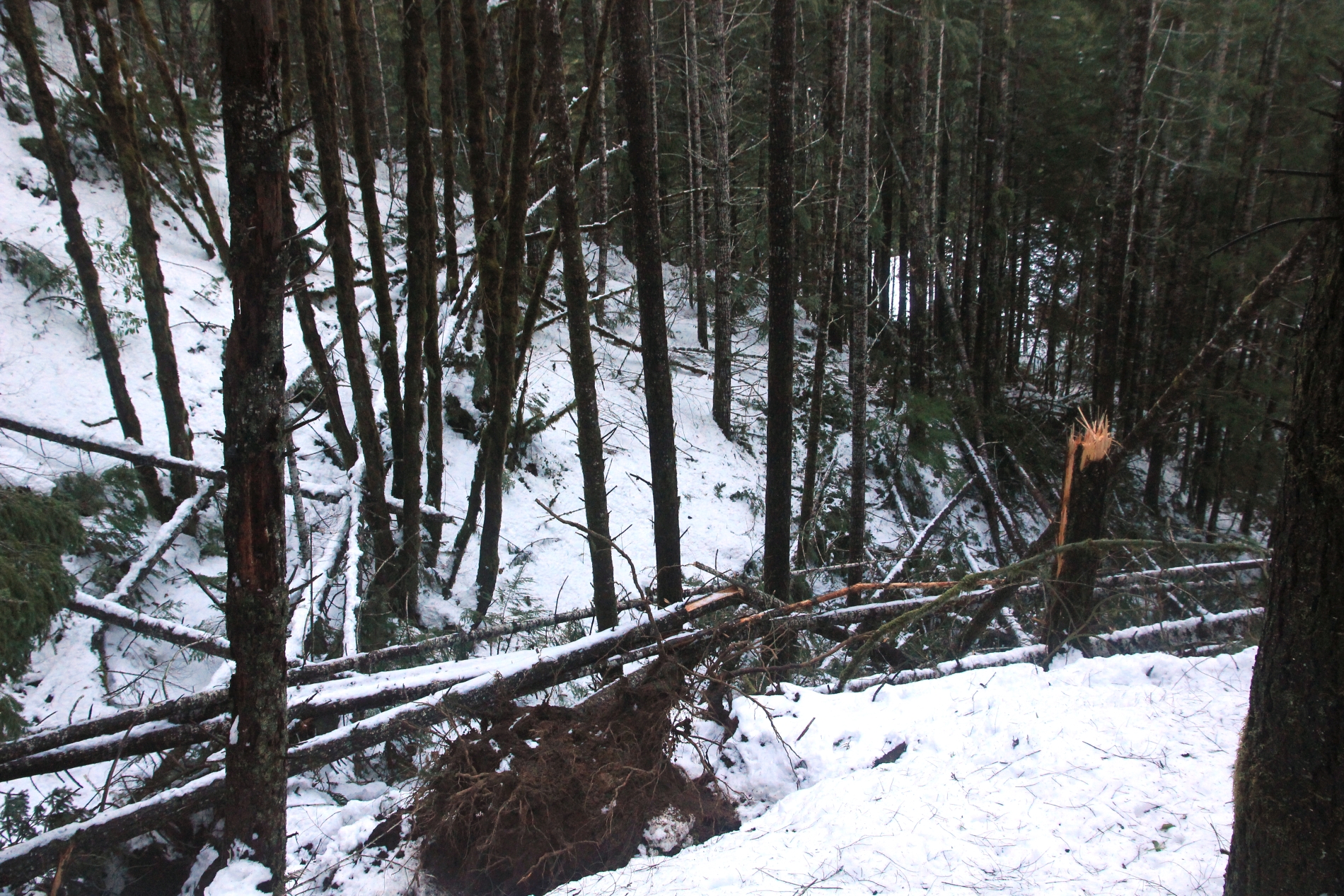
Looking into the forest from the 130 Road. Note crown snap-off
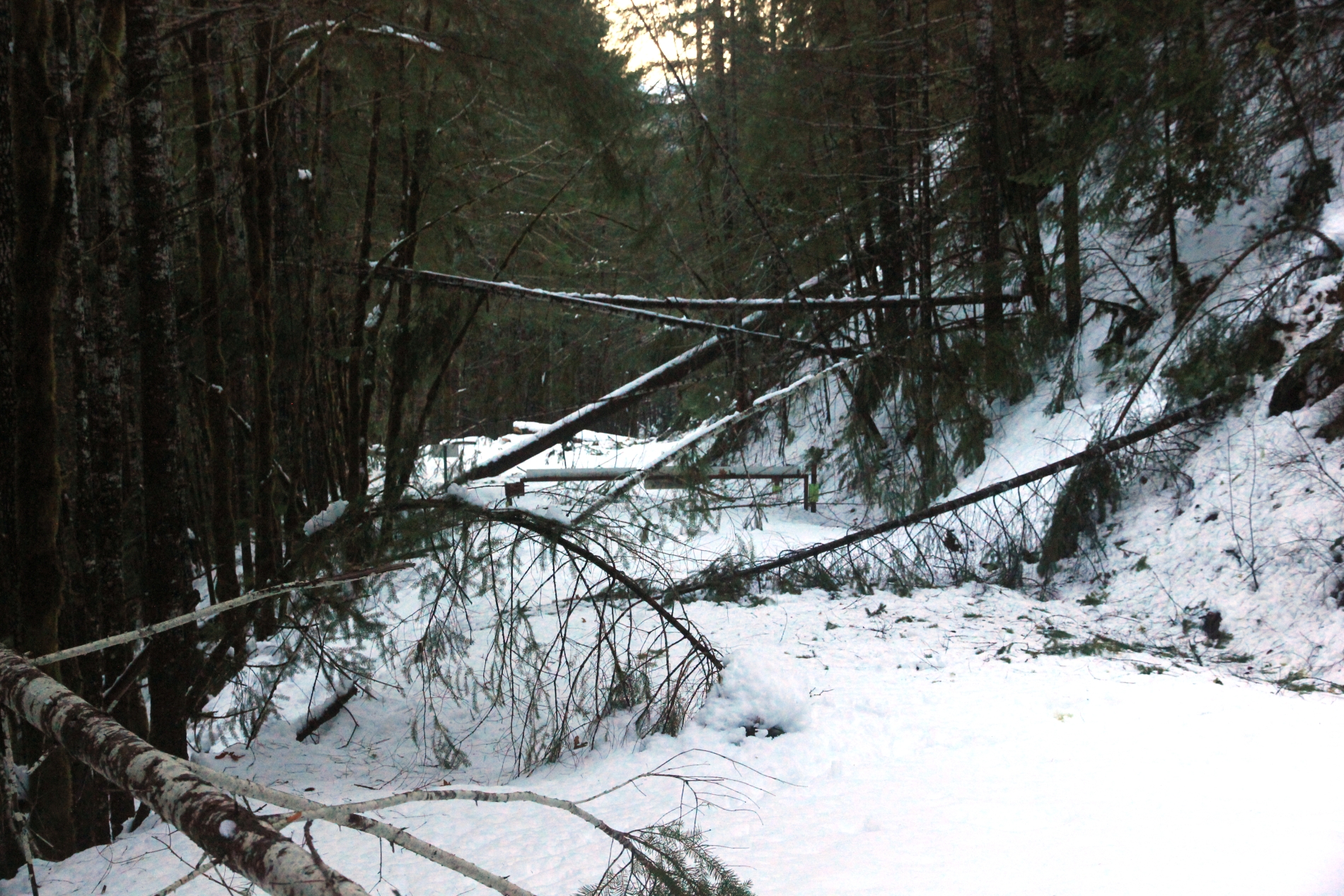
Trees across the 130 road. Not road gate for scale.
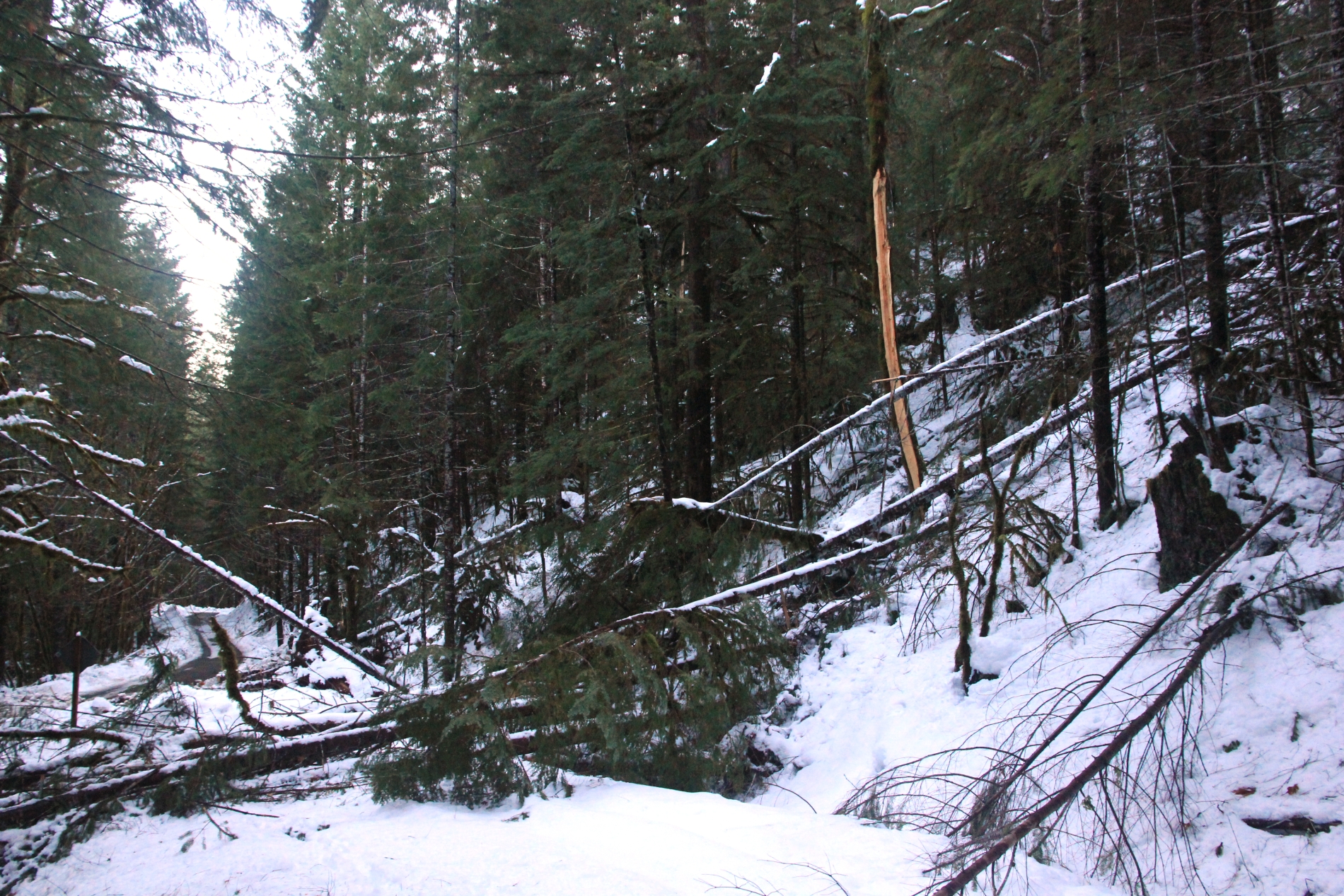
Looking down the 130 Road with into the junction of the 132 spur.
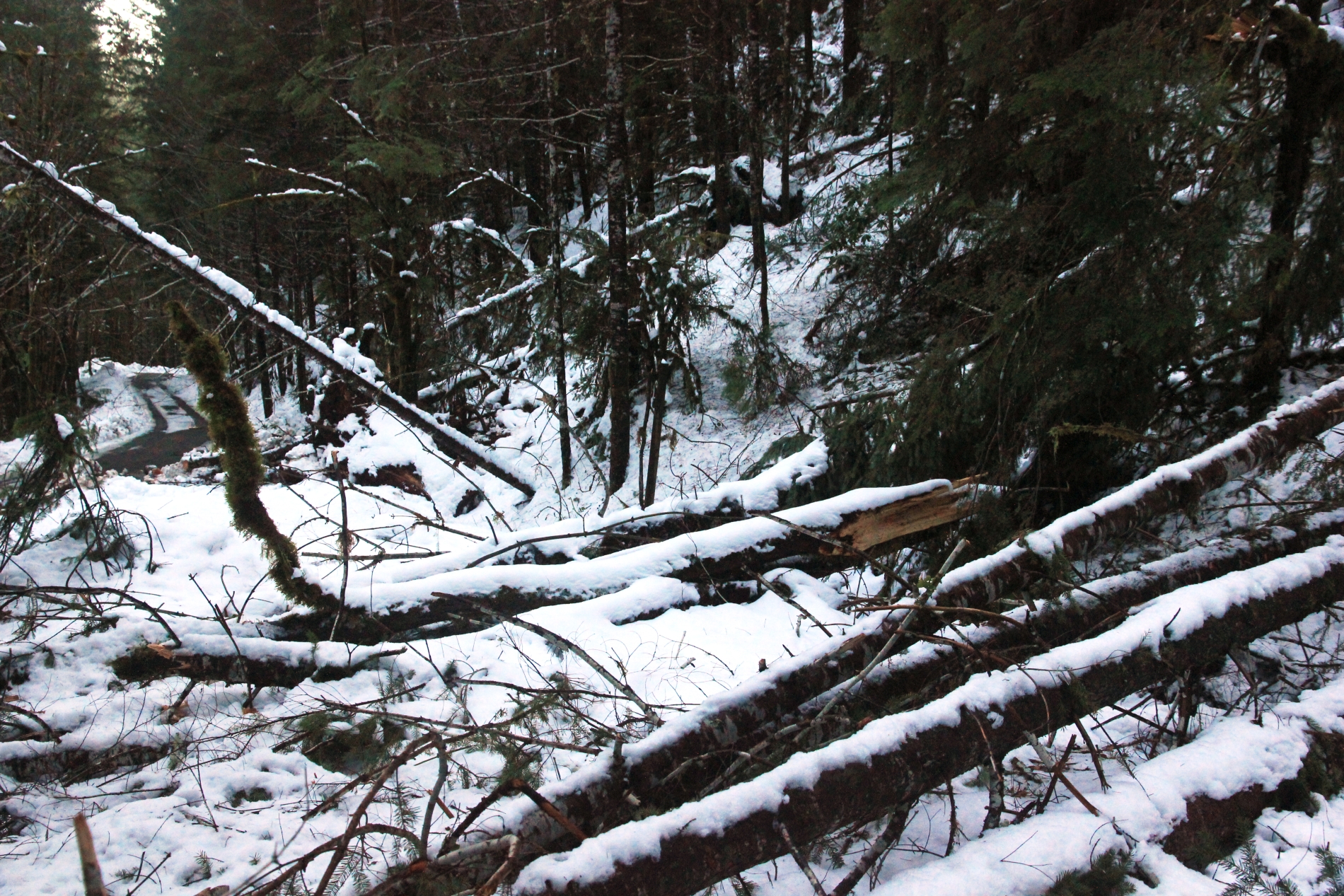
Looking down the 130 Road with into the junction of the 132 spur.
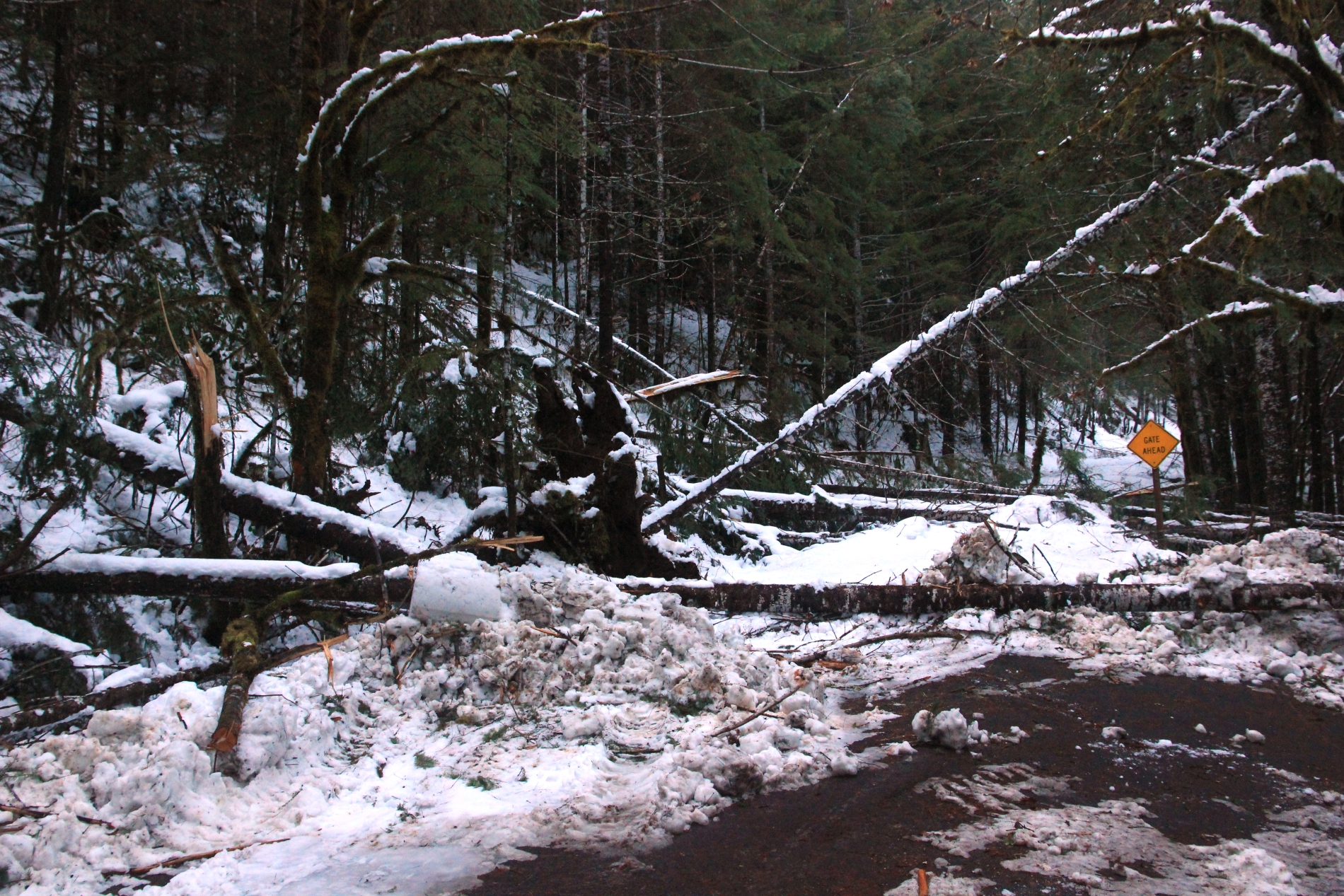
Looking up the 130 Road from the junction of the 132 spur, which leads into the Headquarters facility.
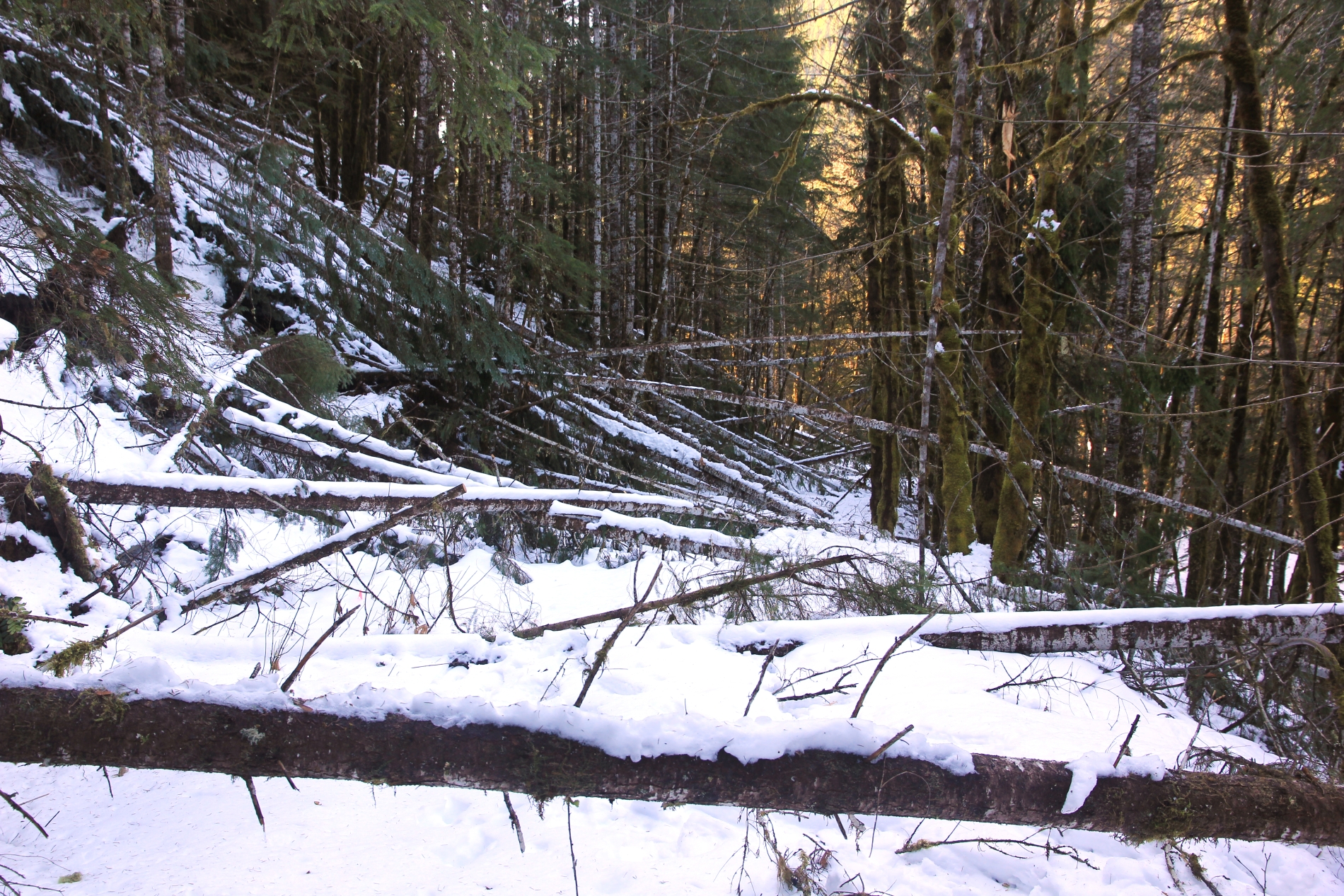
Road to WS01 landing
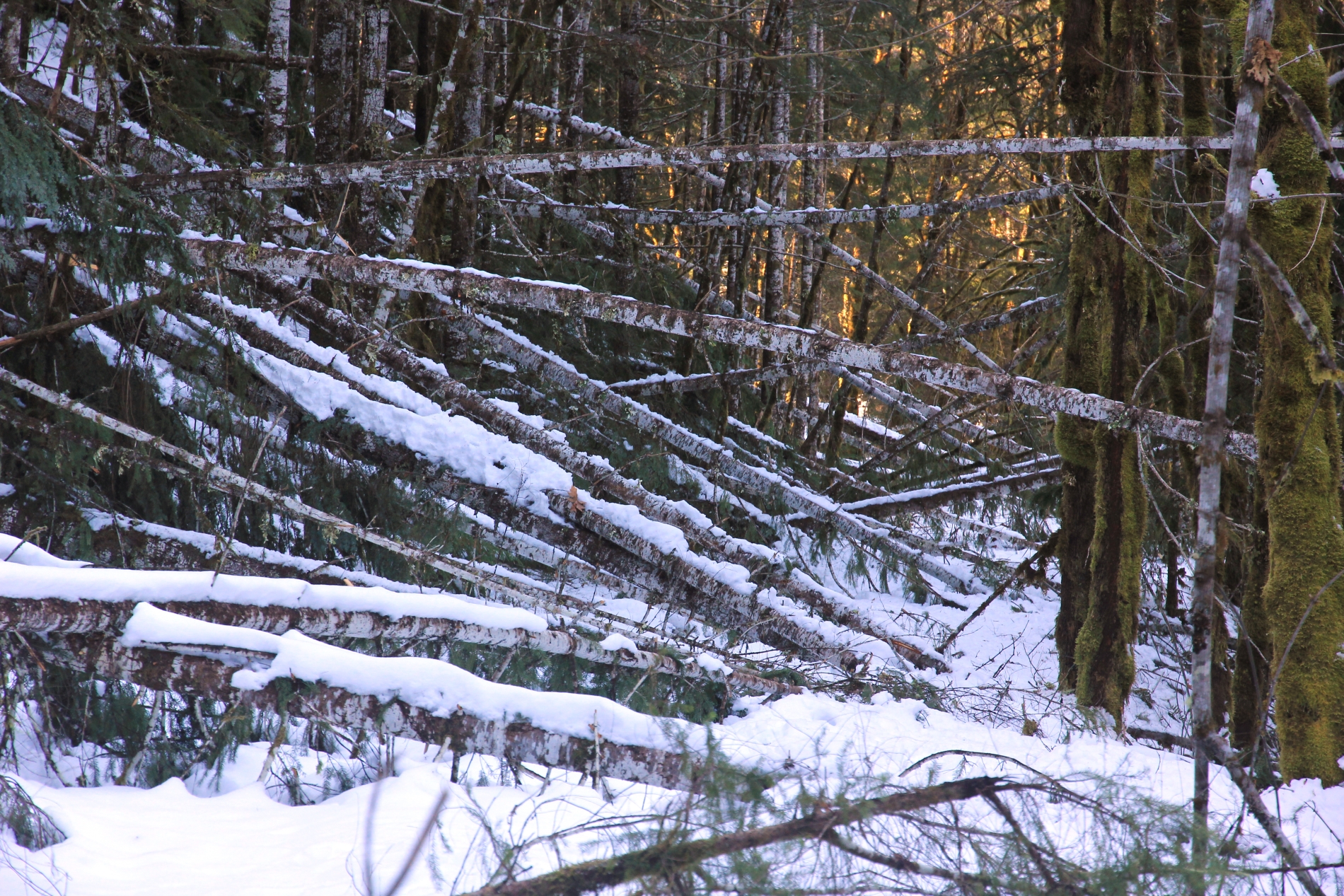
Road to WS01 landing
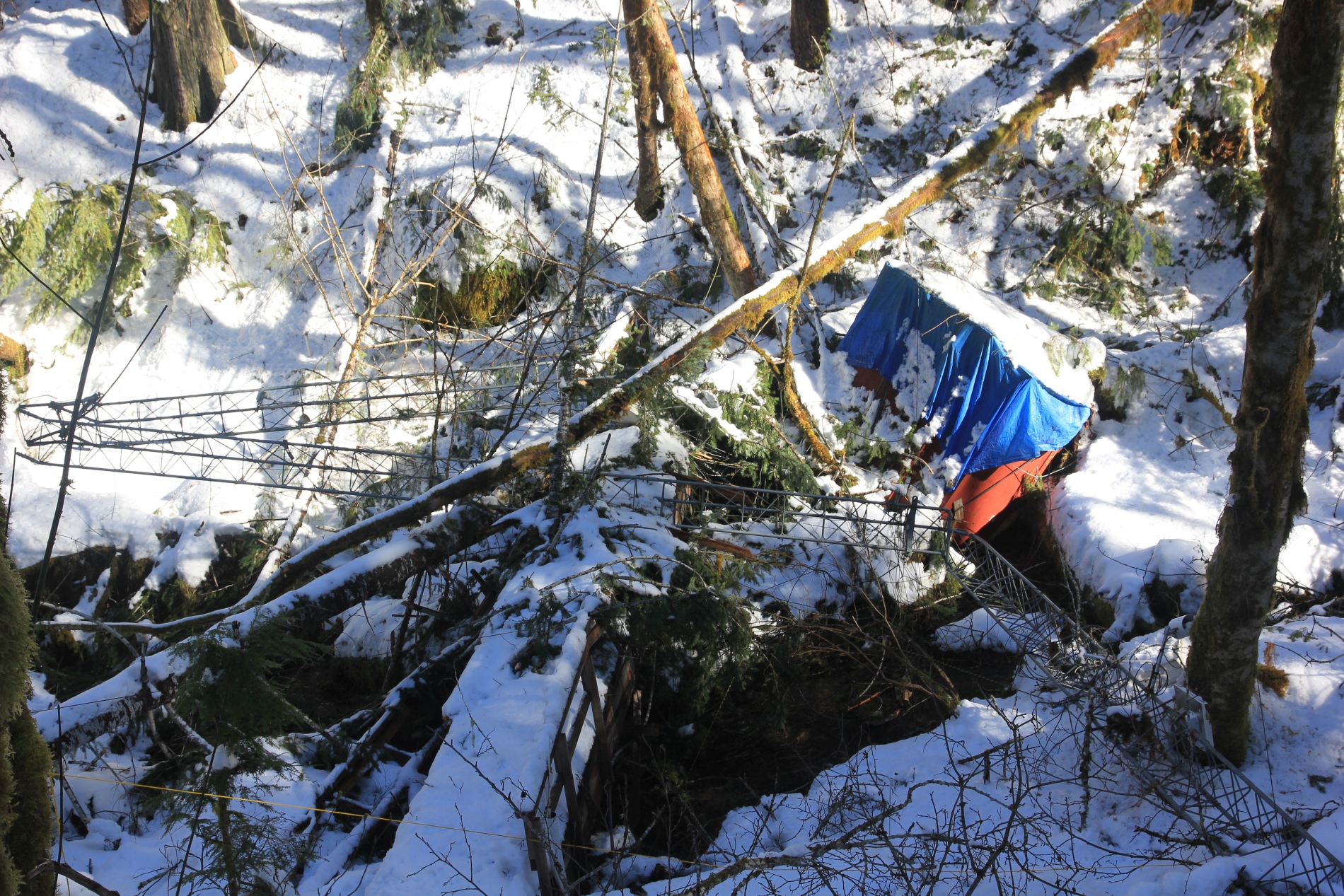
Looking down to WS01 tower and bridge. The tower was crushed by fallen trees.
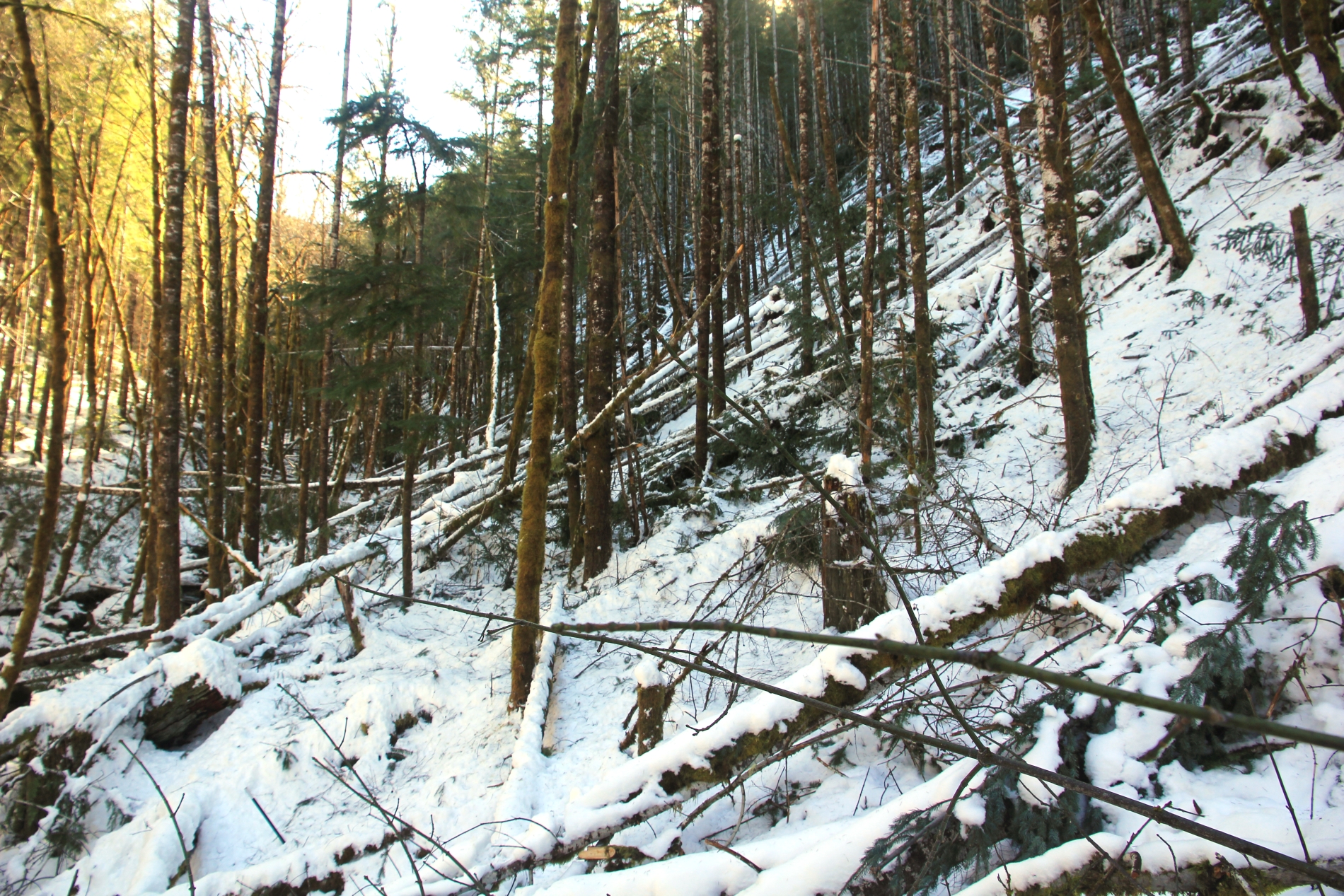
Looking at the north-facing slope of WS01, from the trail to the bridge
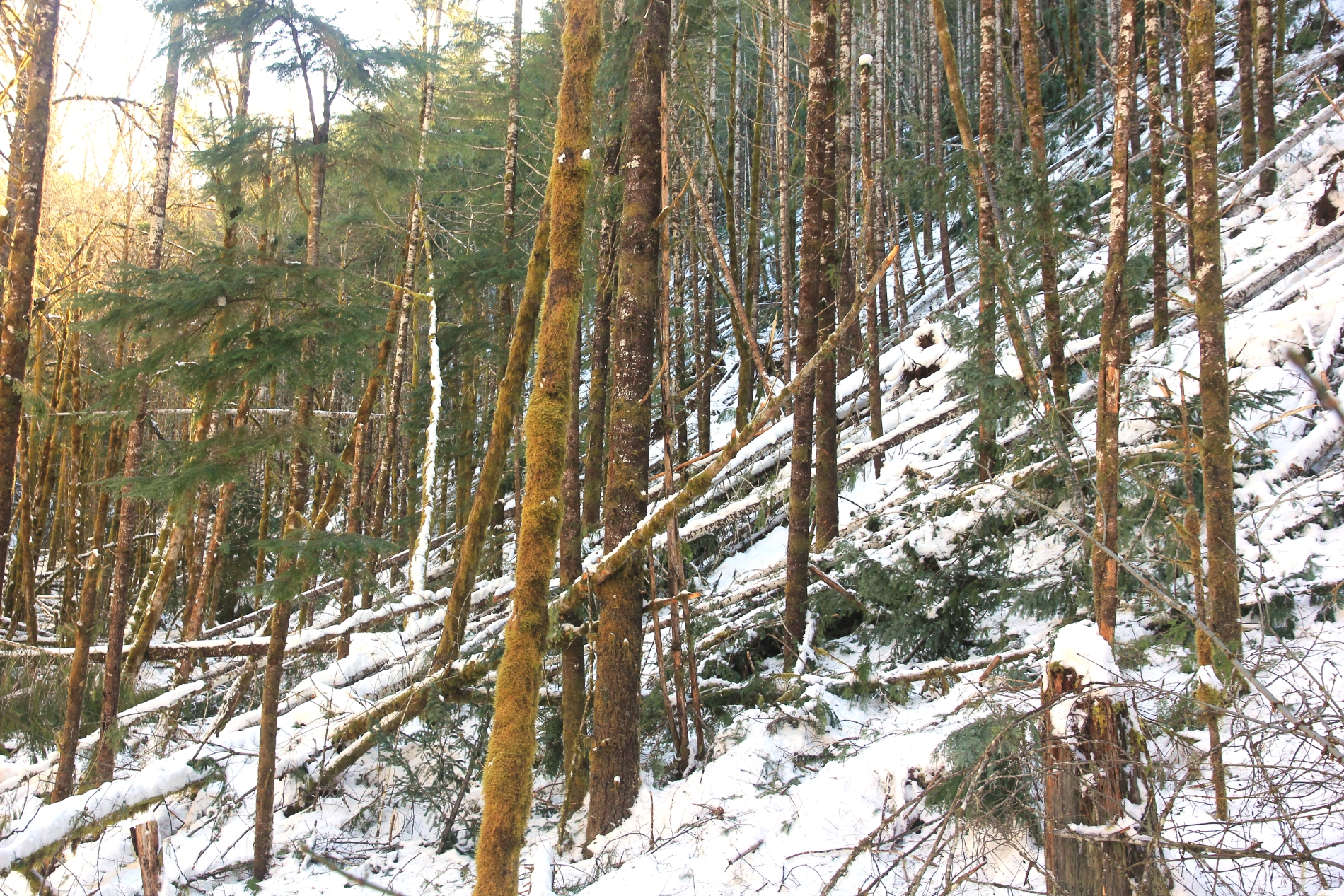
Looking at the north-facing slope of WS01, from the trail to the bridge
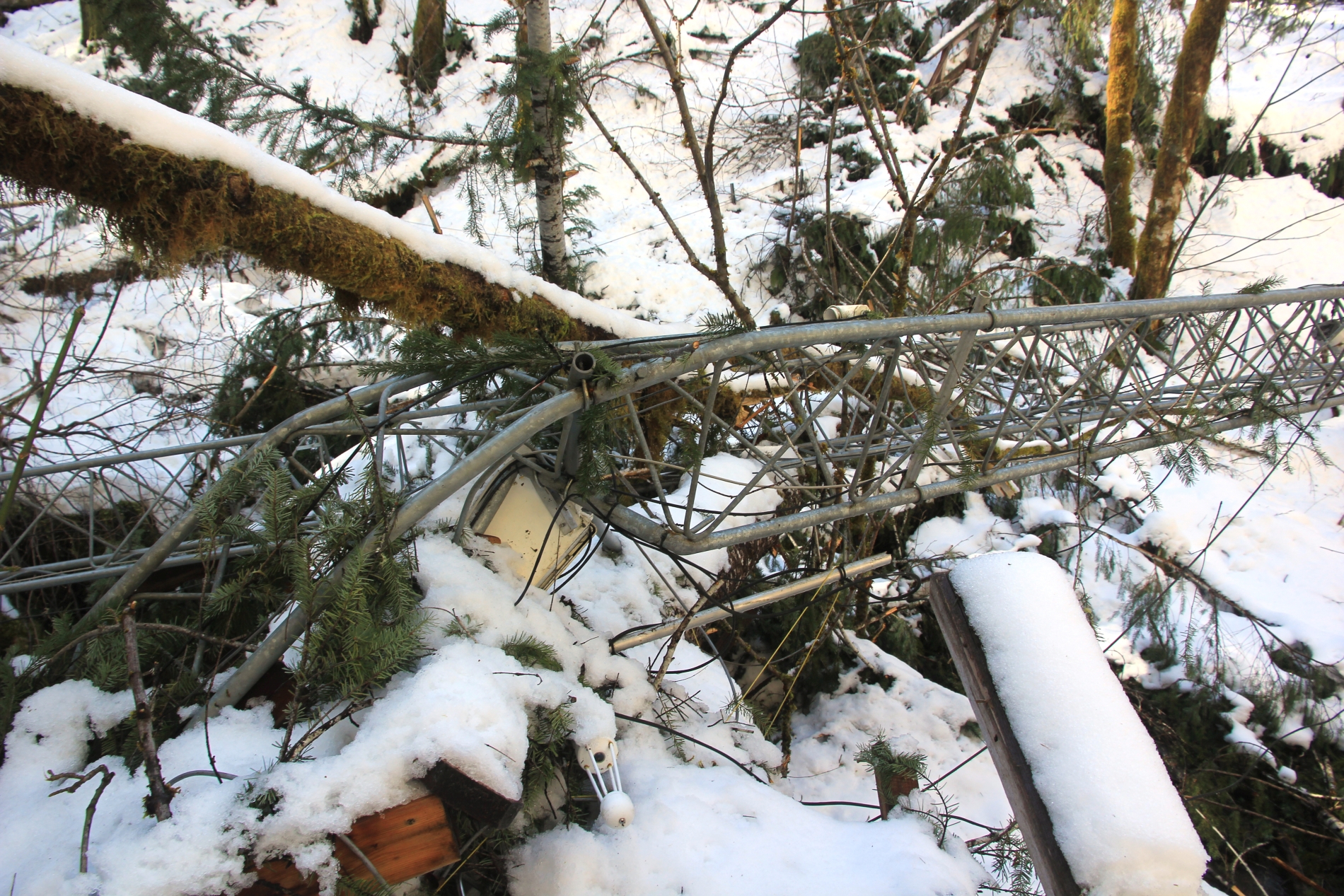
the crushed tower in WS01
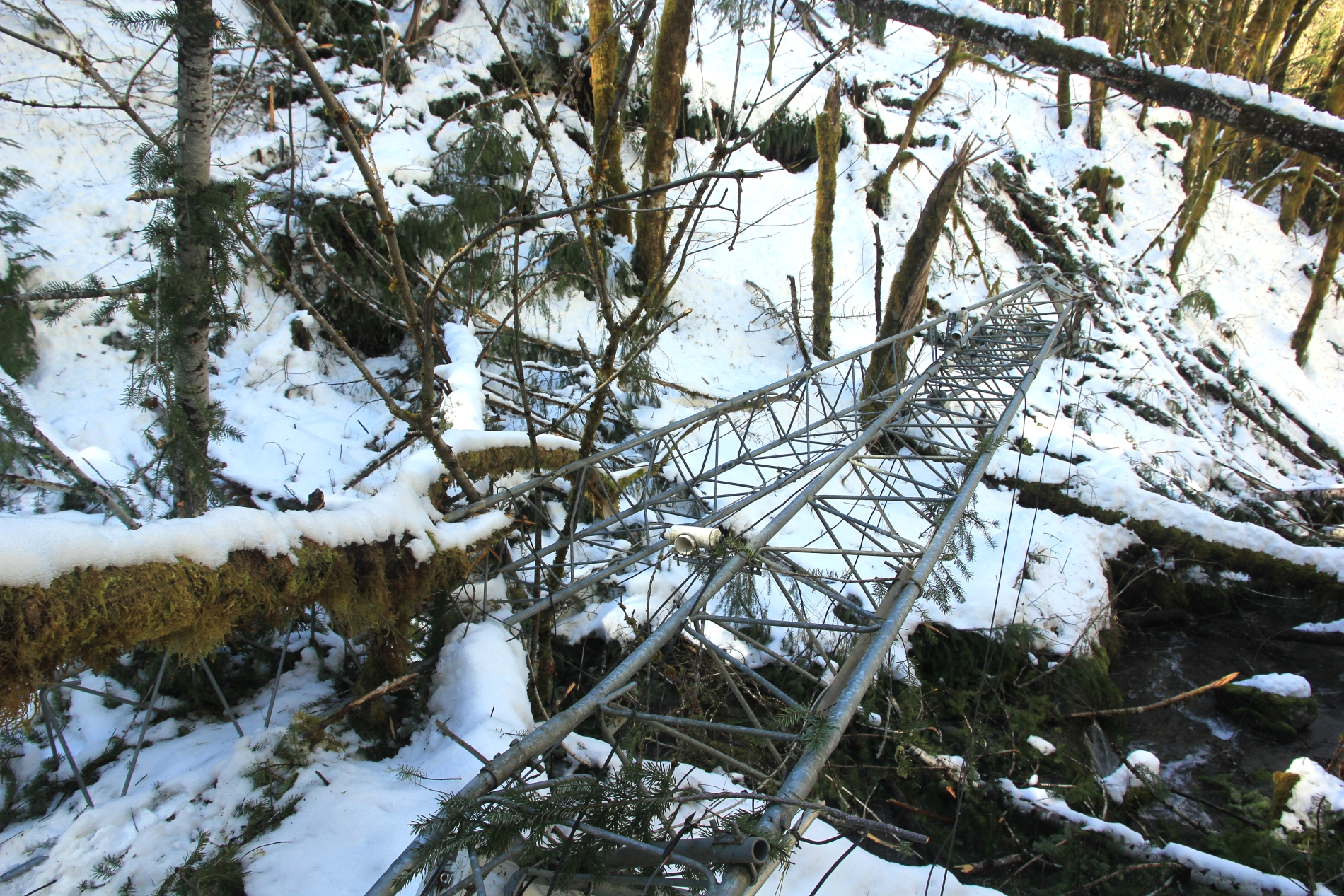
the crushed tower in WS01
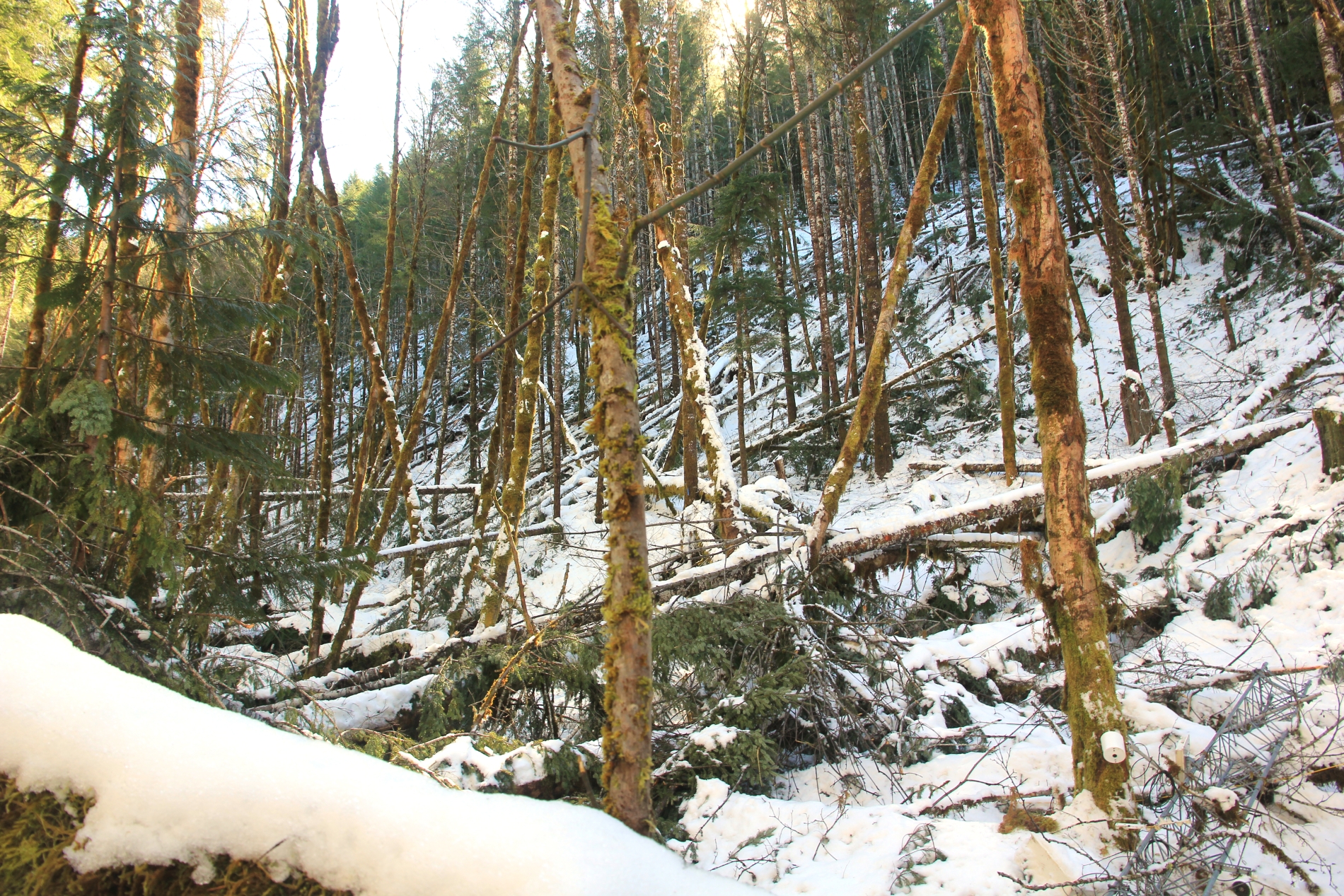
Looking upstream, toward the north-facing slope of WS01, from the trail to the bridge
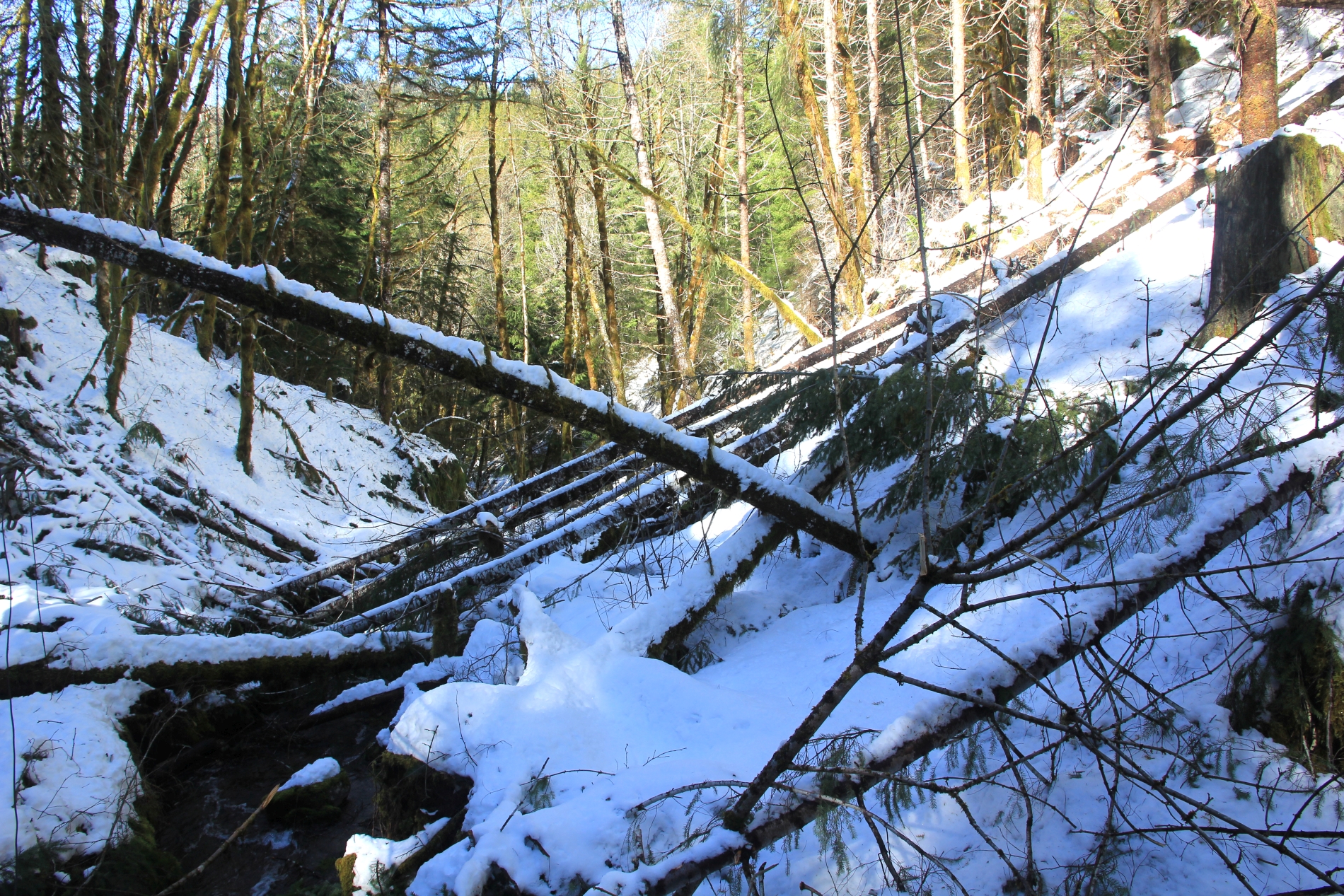
looking downstream in WS01 from the bridge
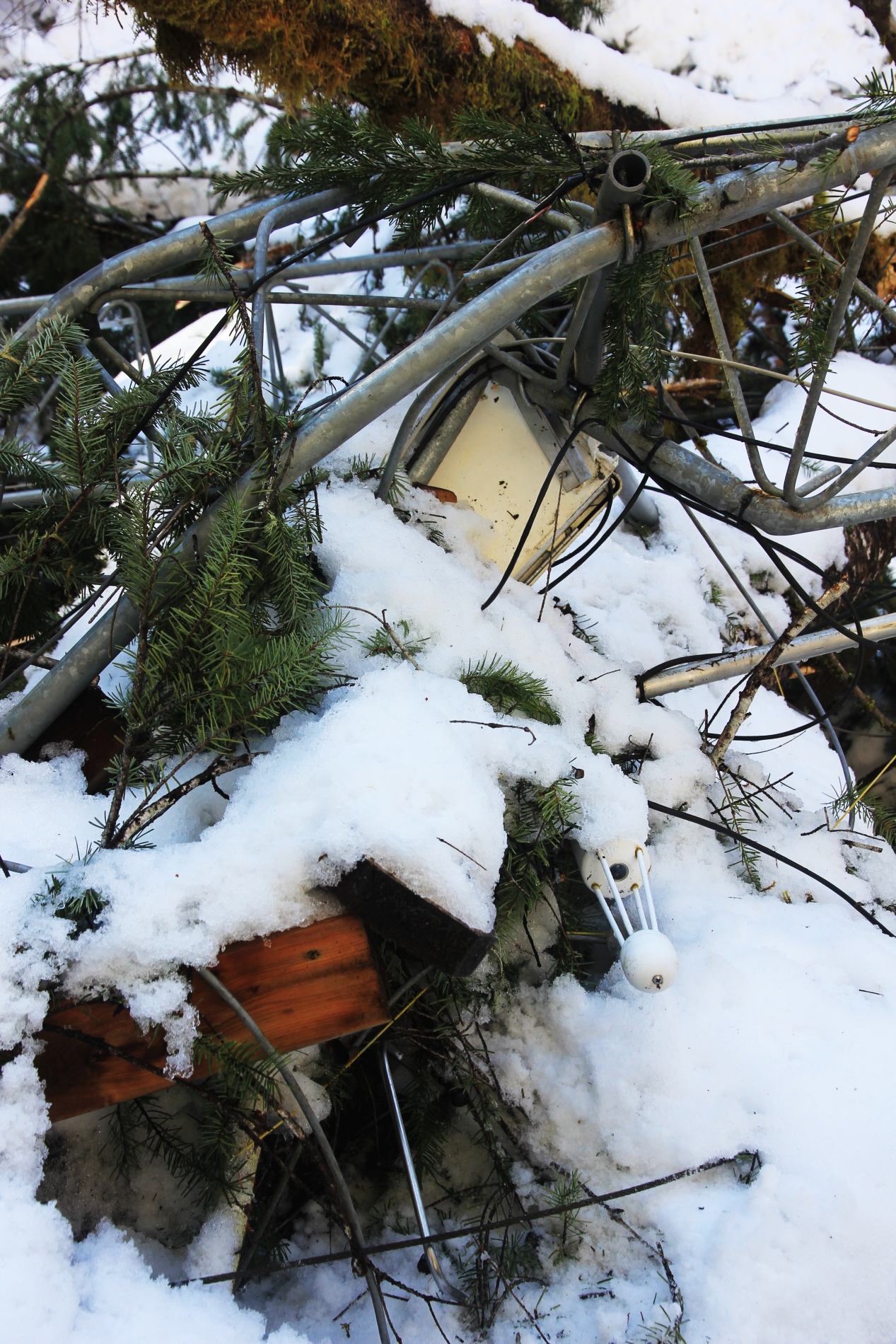
the crushed tower and research sensors in WS01
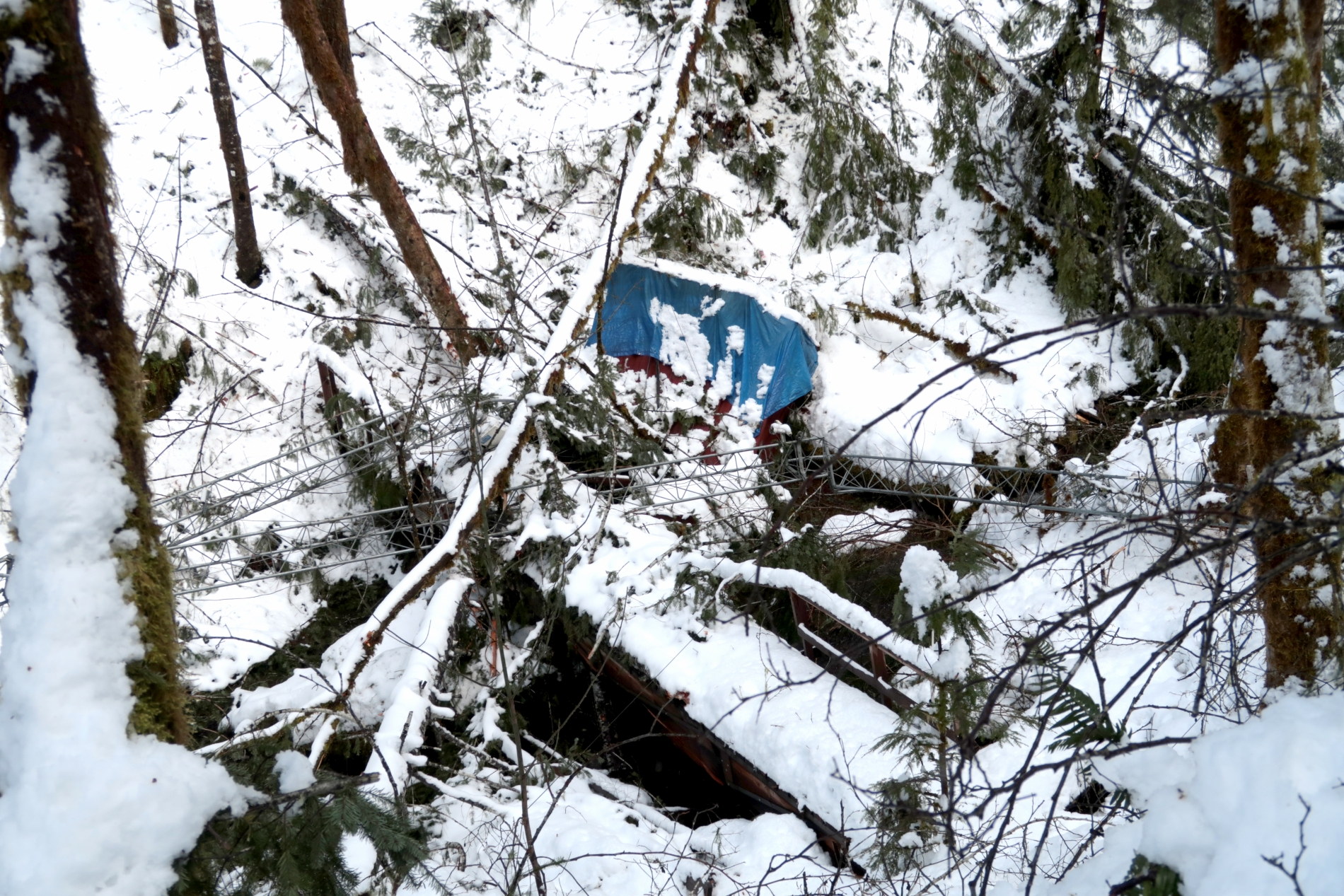
Looking down at the crushed tower in WS01. The shed with equipment was knocked off its foundation.
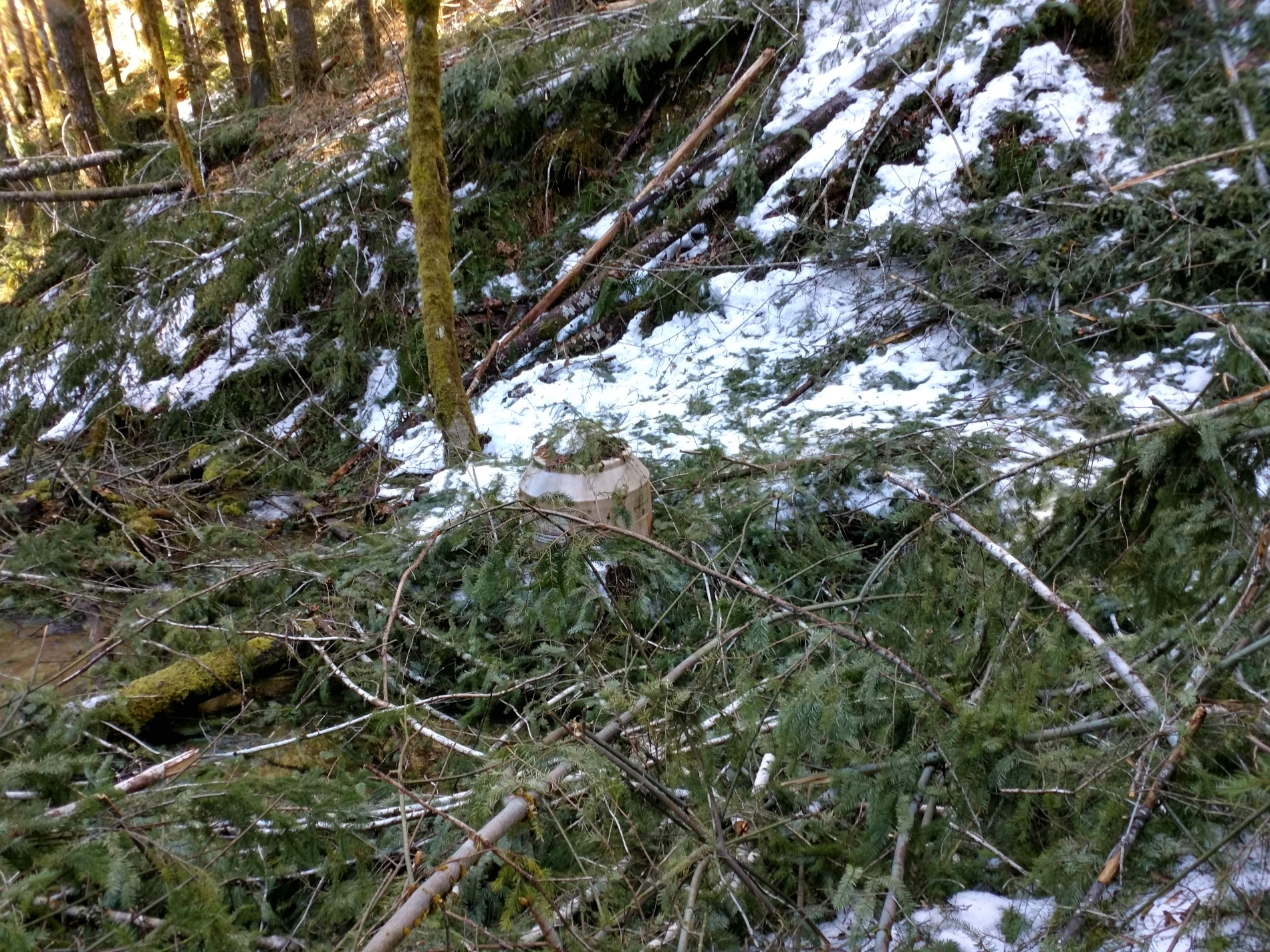
stream well in WS01
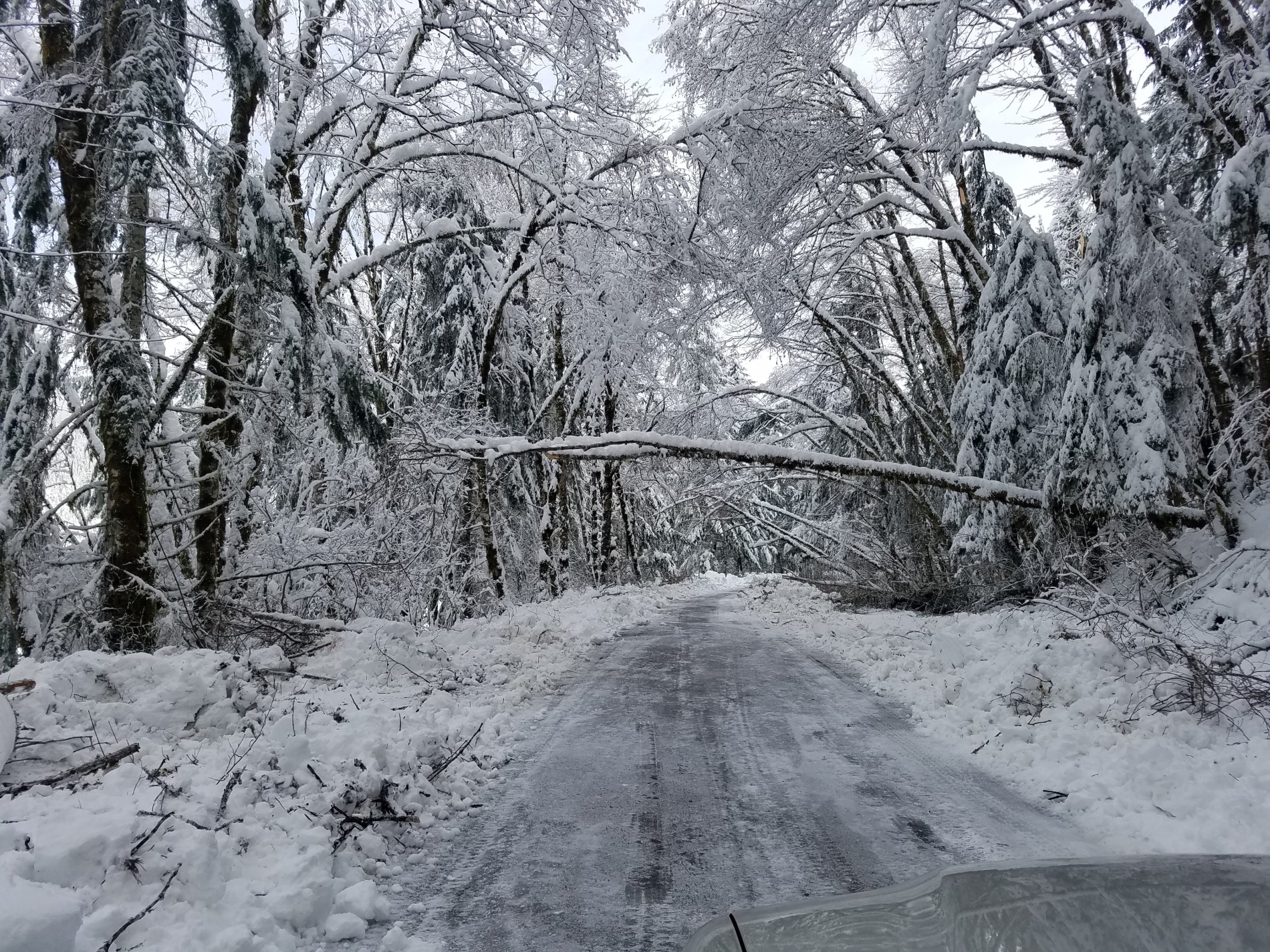
The 15 Road in the Andrews Forest, just cleared of trees
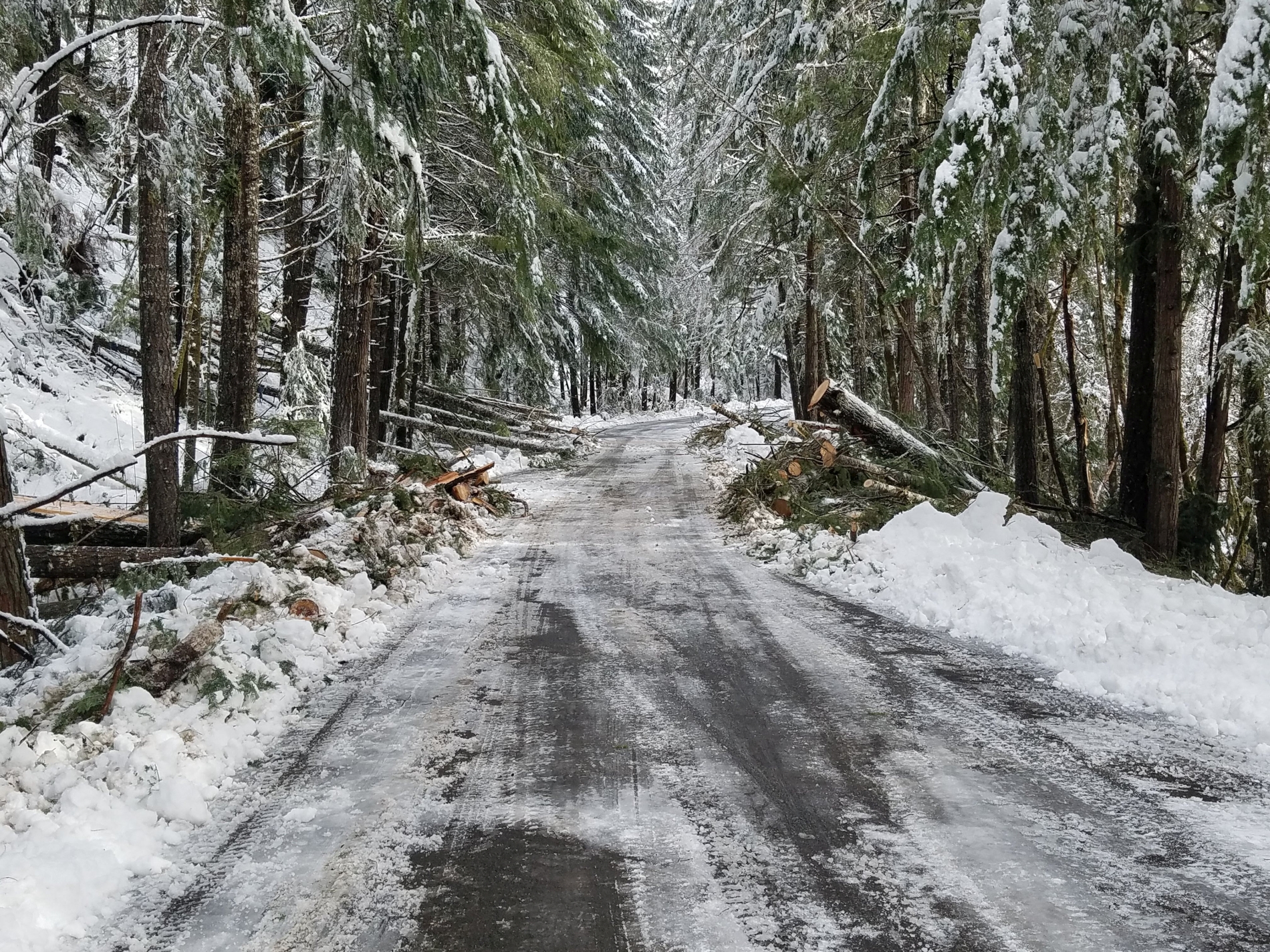
The compound road in the Andrews Forest, just cleared of trees
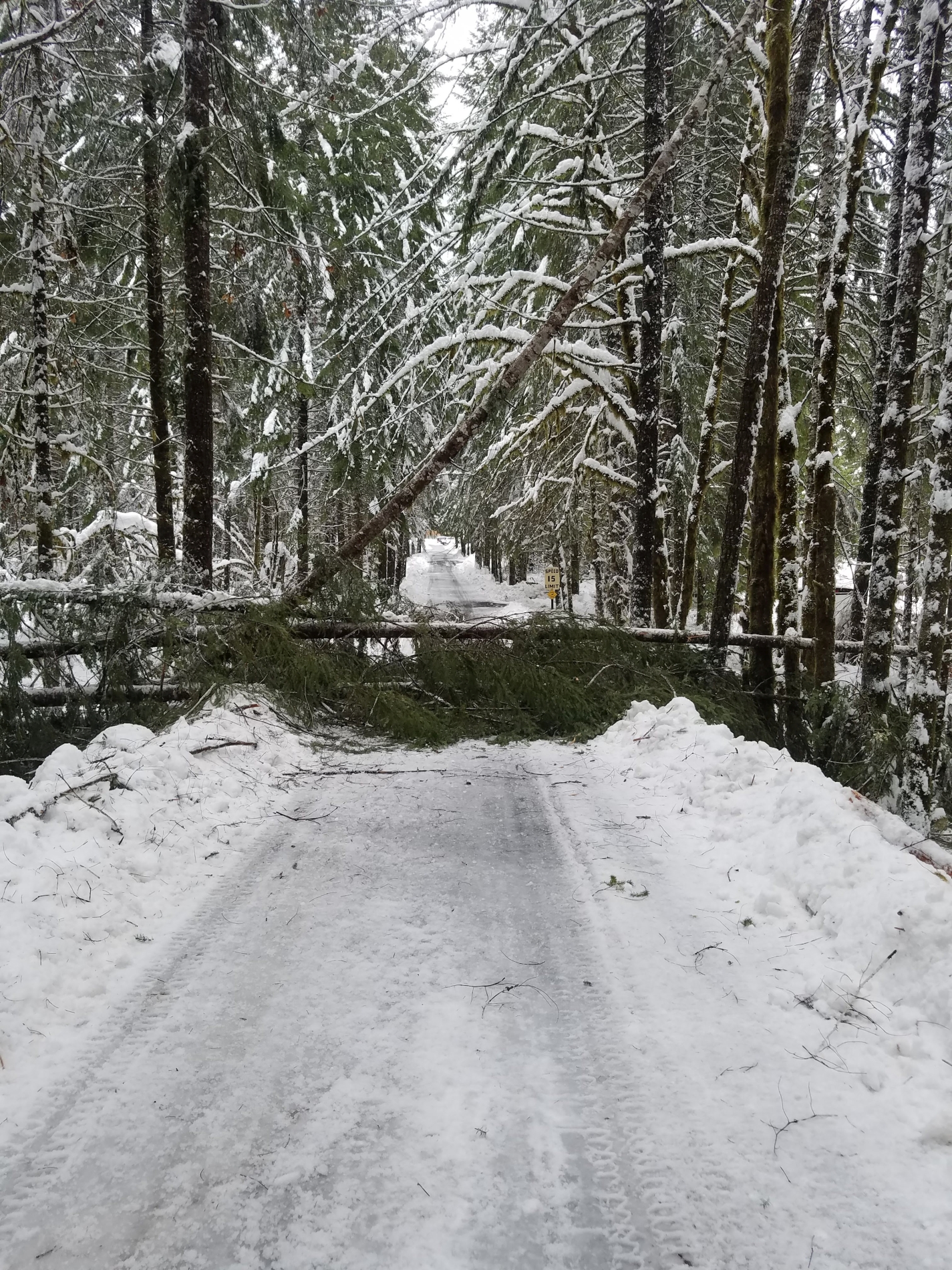
The compound road in the Andrews Forest, just cleared of trees, but with a new tree fall across the road
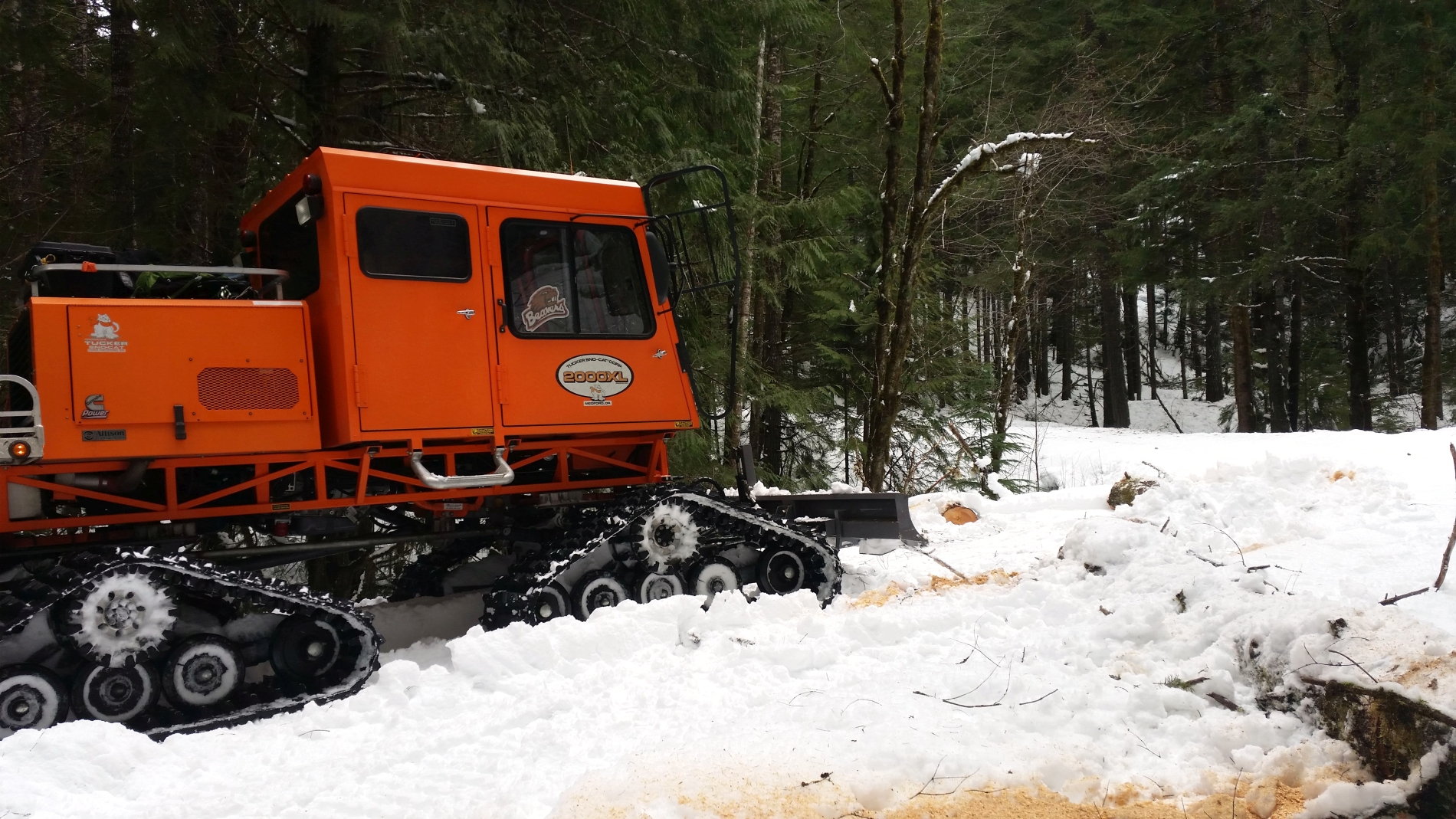
The sno-cat on the 1506 Road, at the bottom of the hill, close to the 1507 junction.
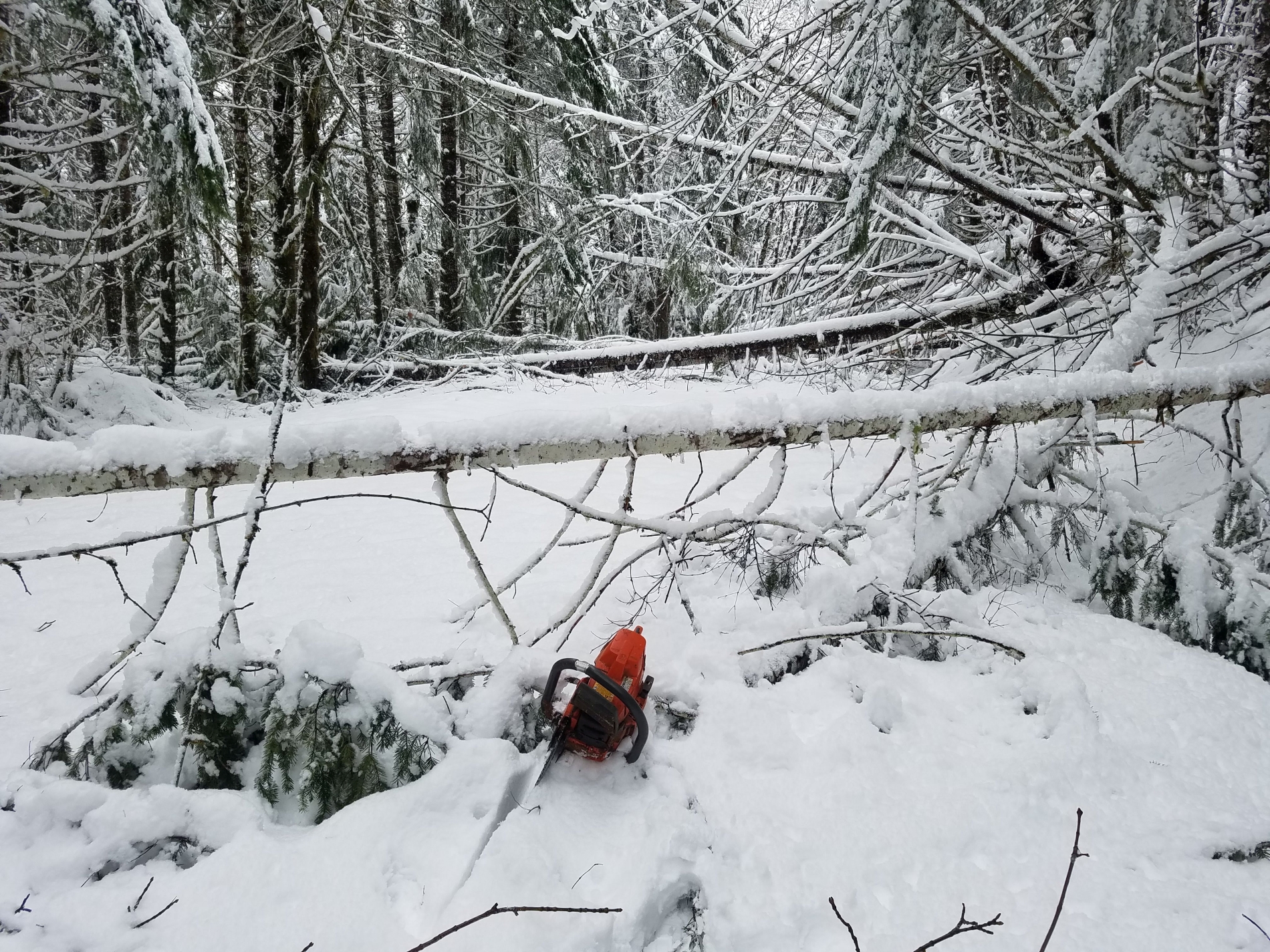
Tree fall across the 1506 Road. Chainsaw in foreground for scale.
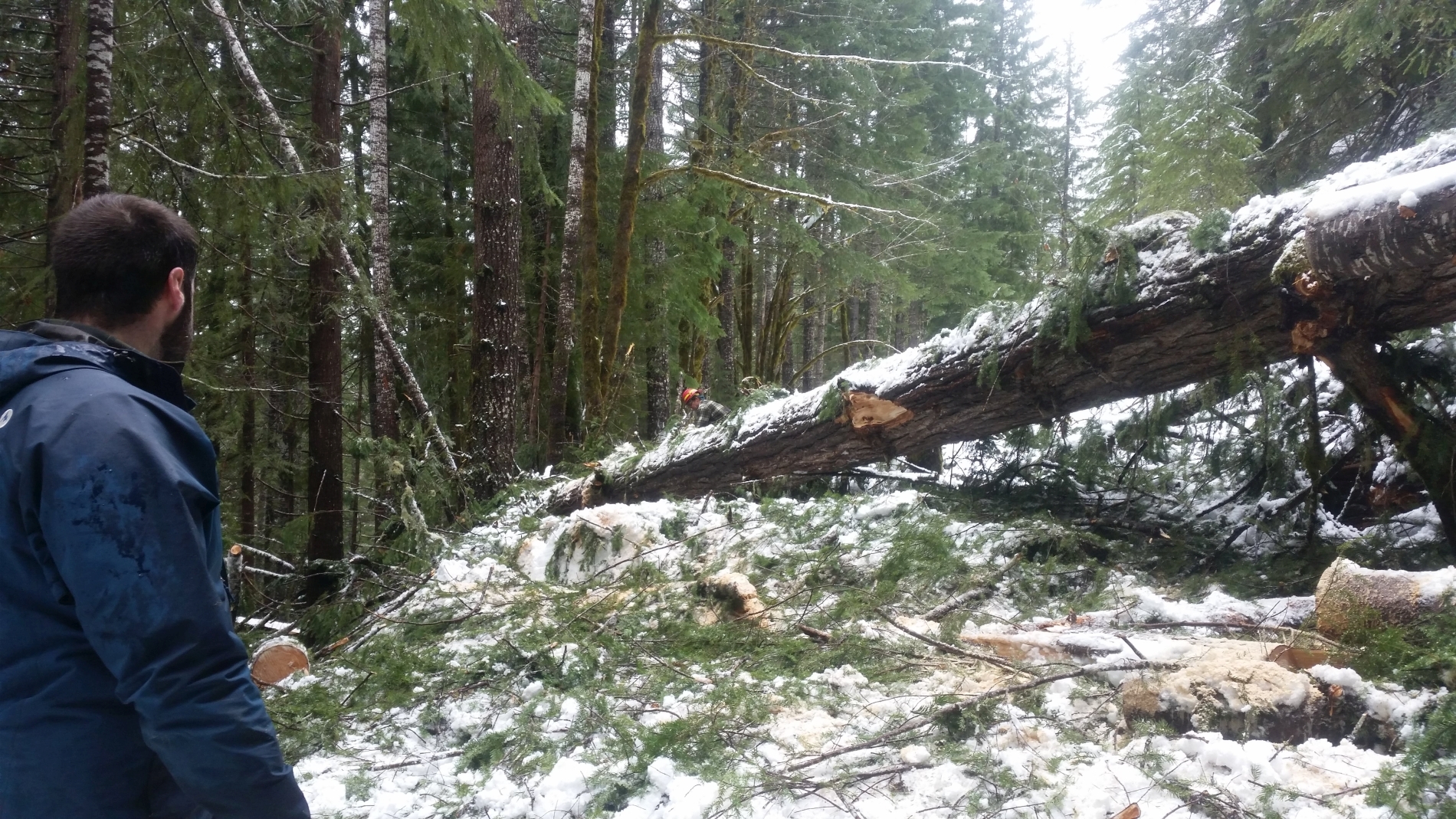
Trees block the 1506 road after the snowdown
trees broken and piled up on the road
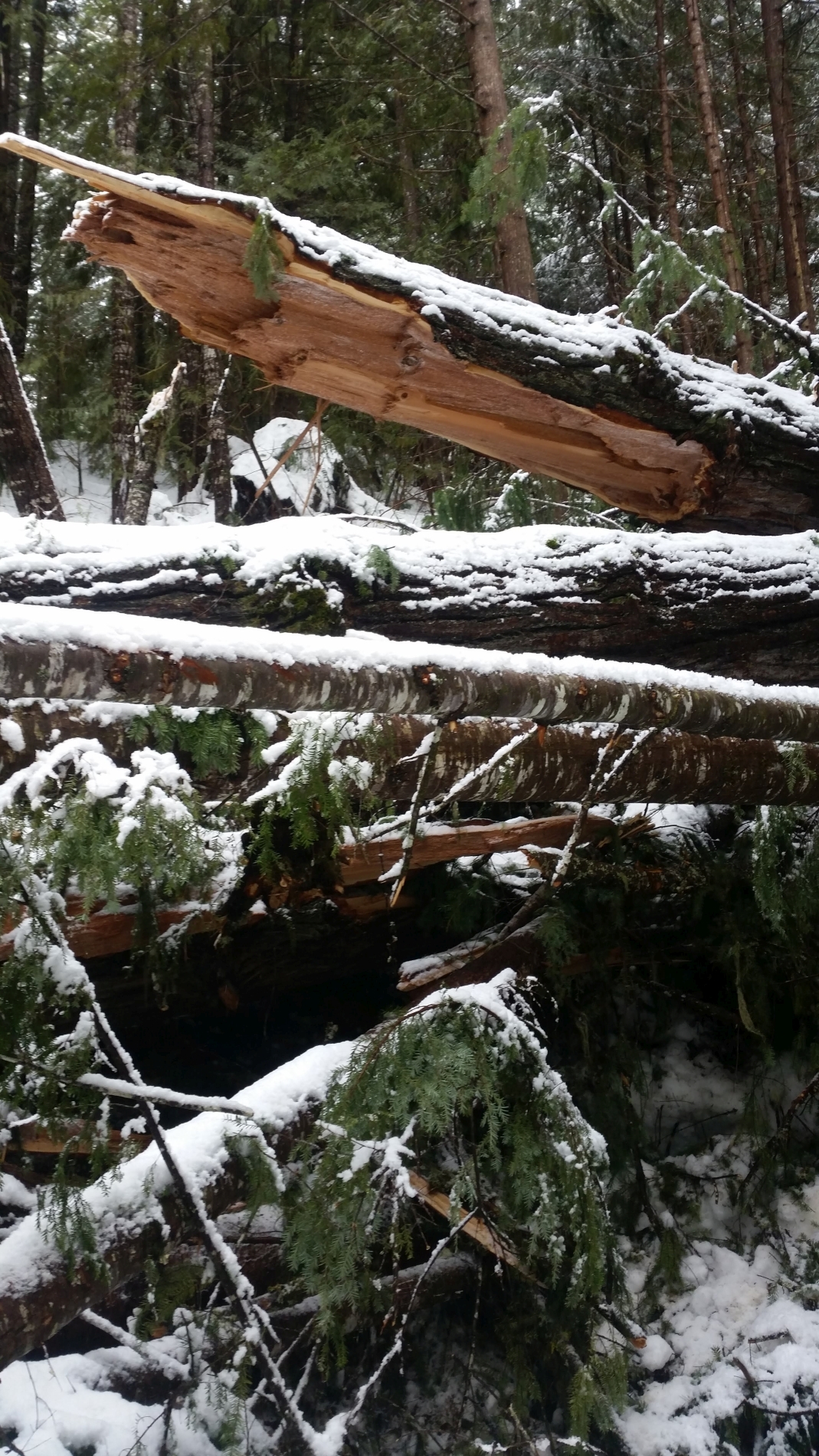
trees broken and piled up on the road
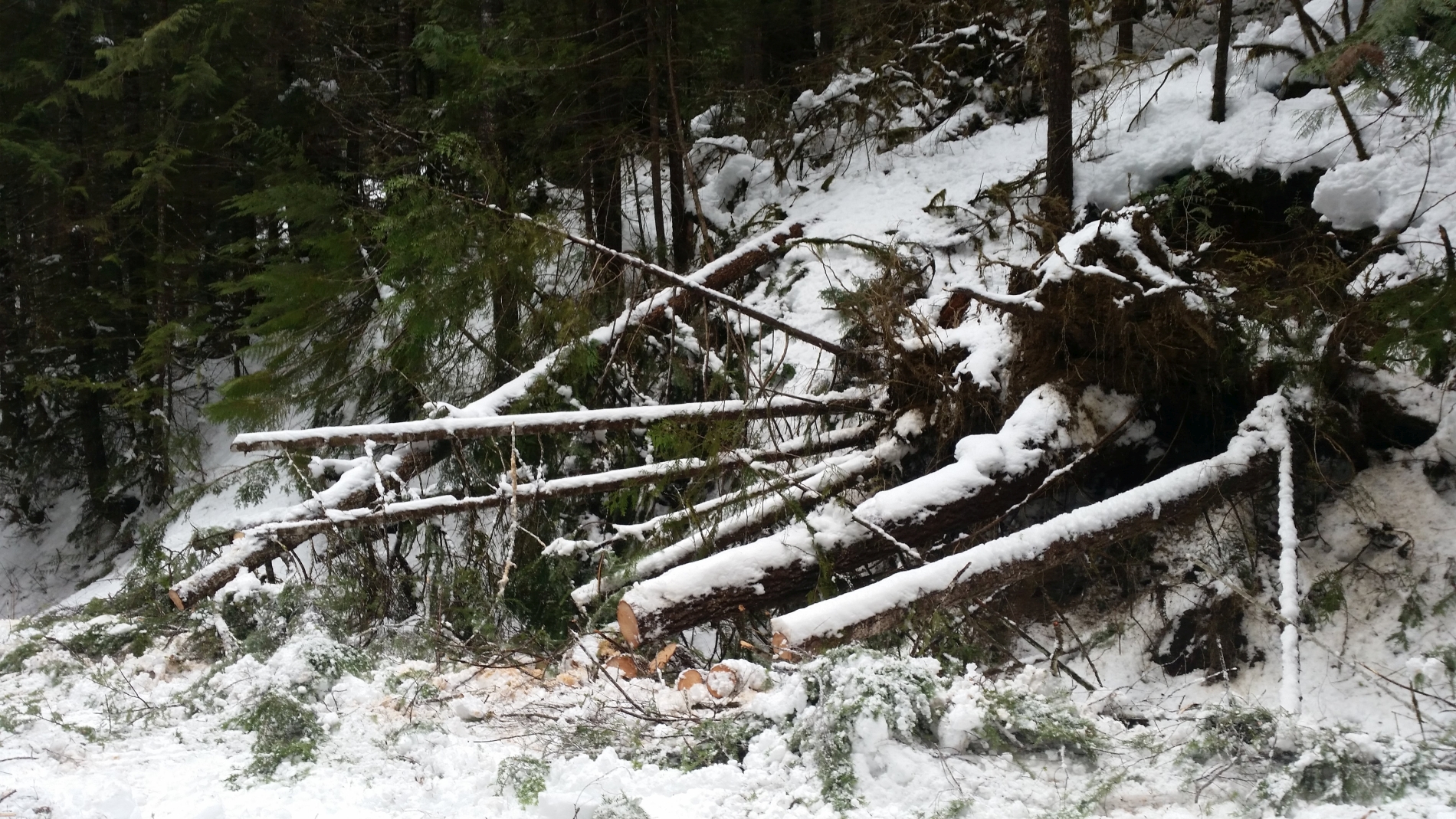
Trees cut at the side of the 1506 Road
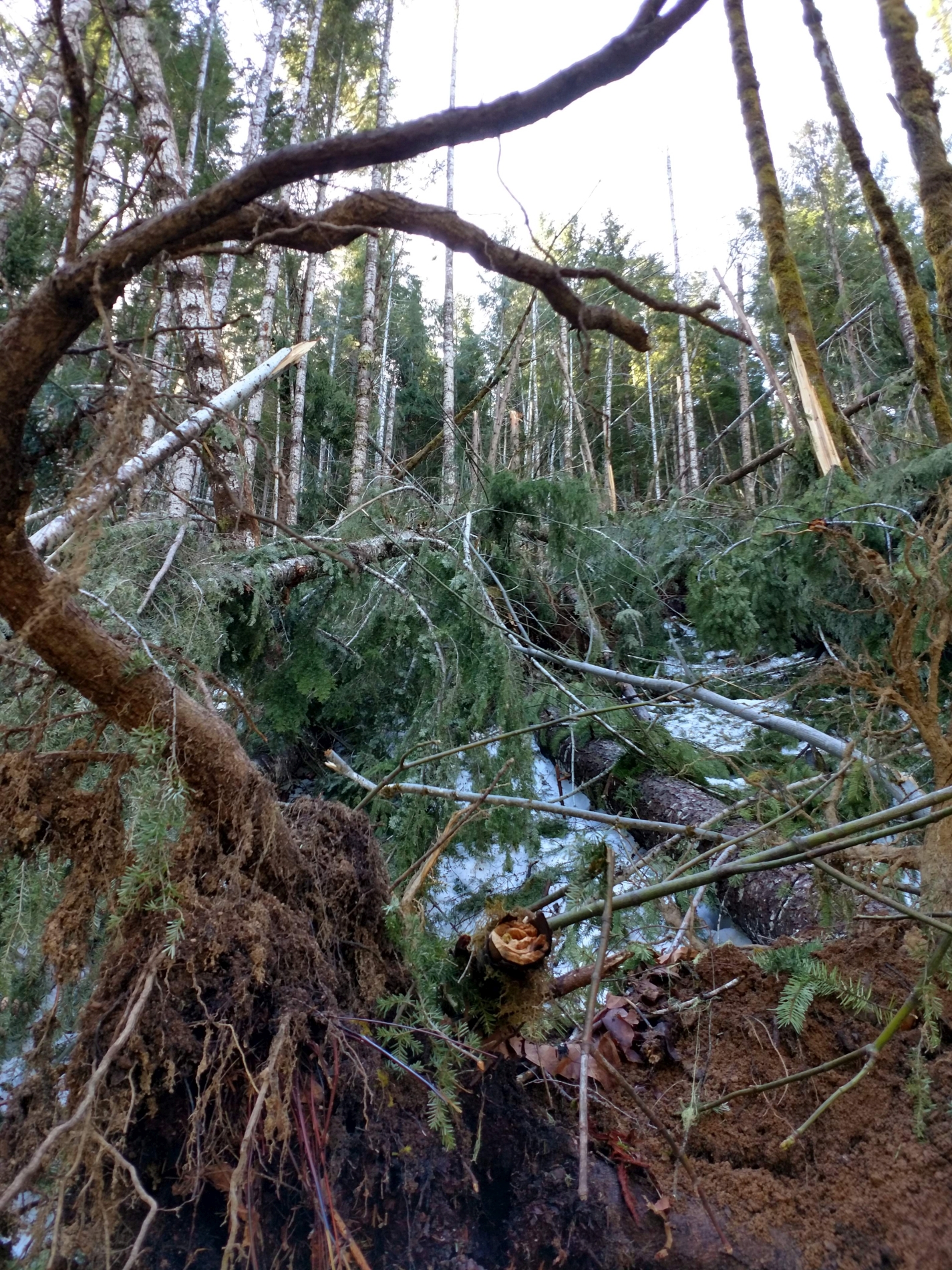
trees snapped or were pulled up, exposing soil
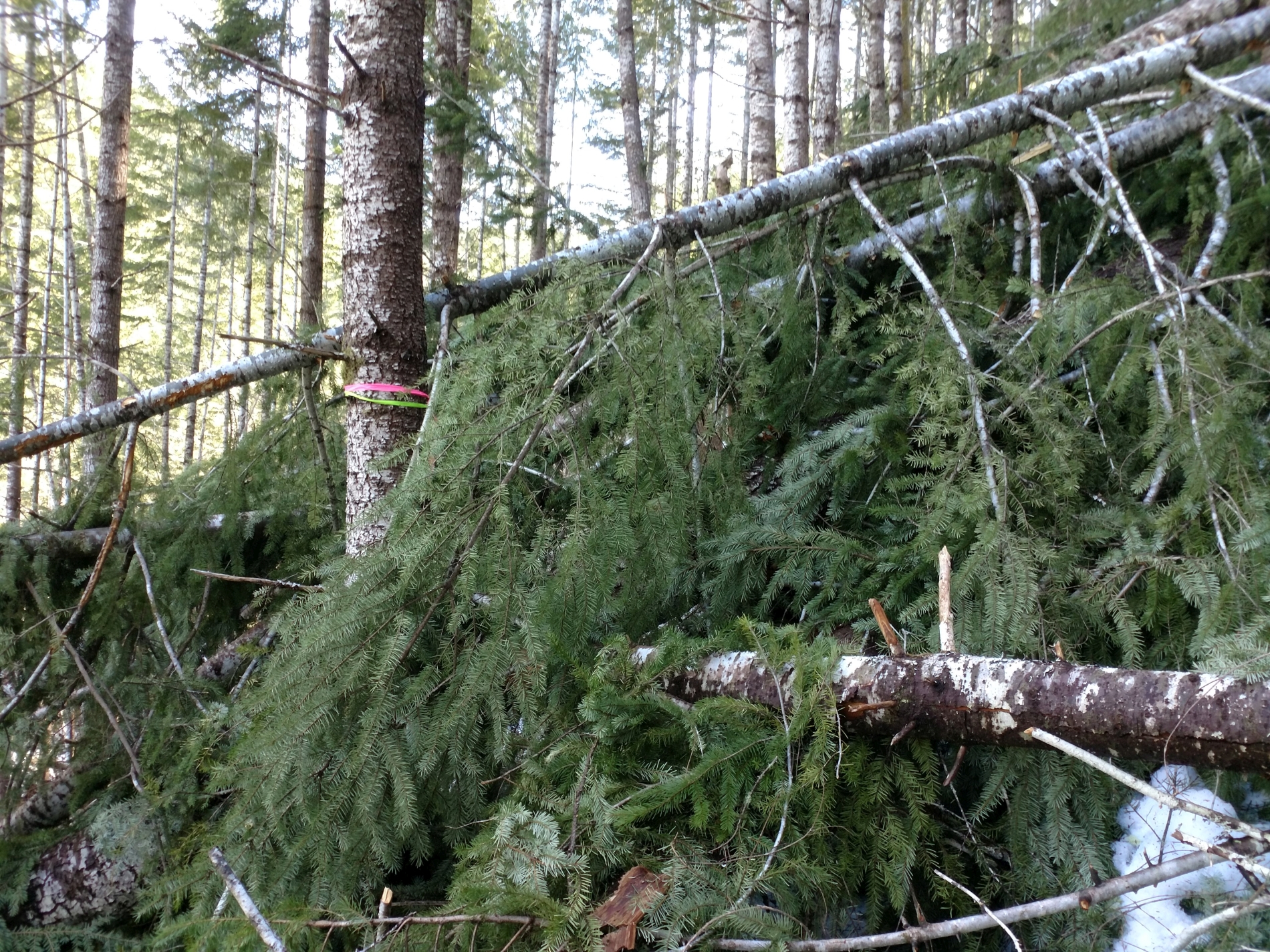
Watershed 01 slope, with extensive trees down after the storm
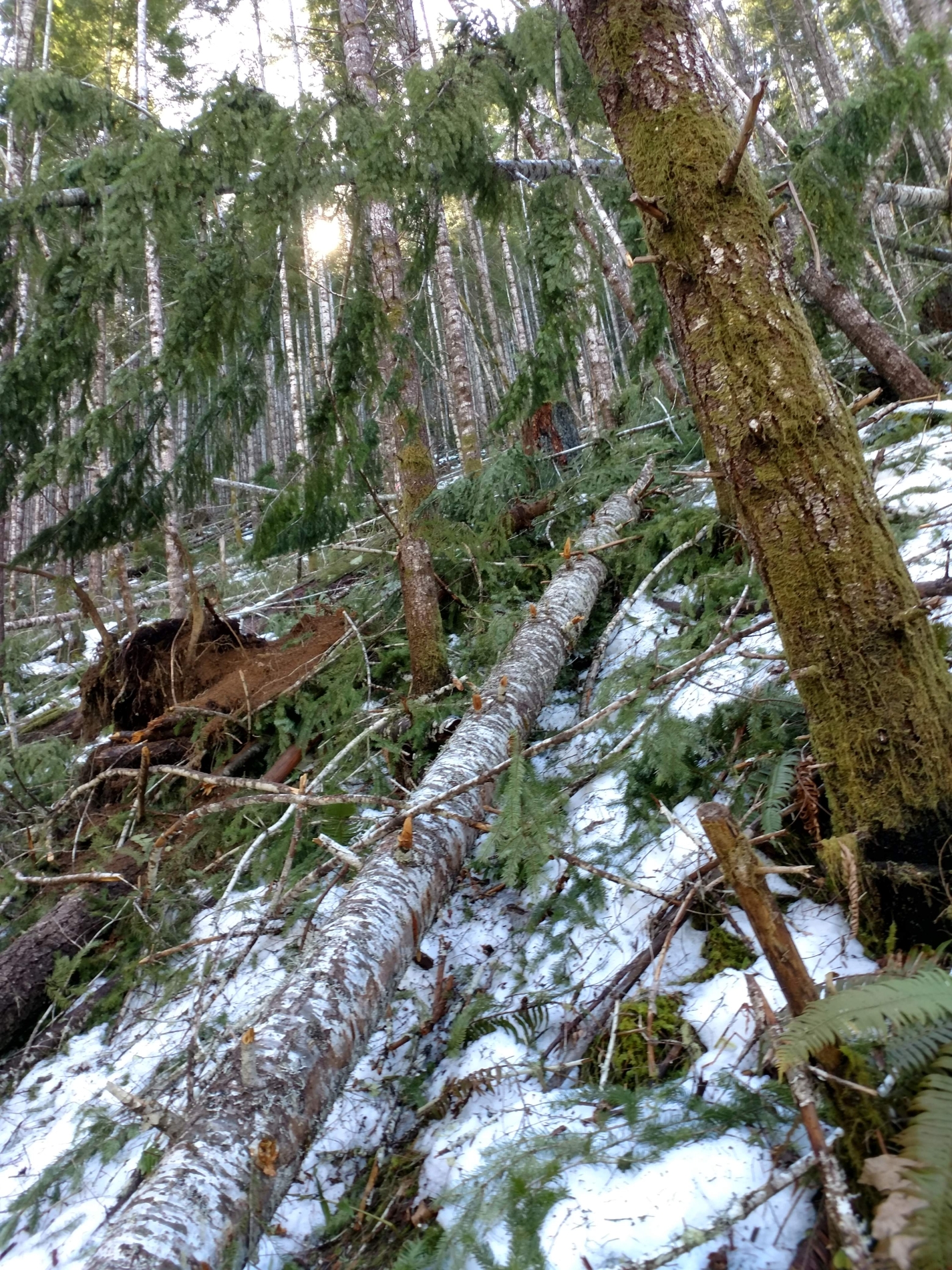
Watershed 01 slope, with extensive trees down after the storm
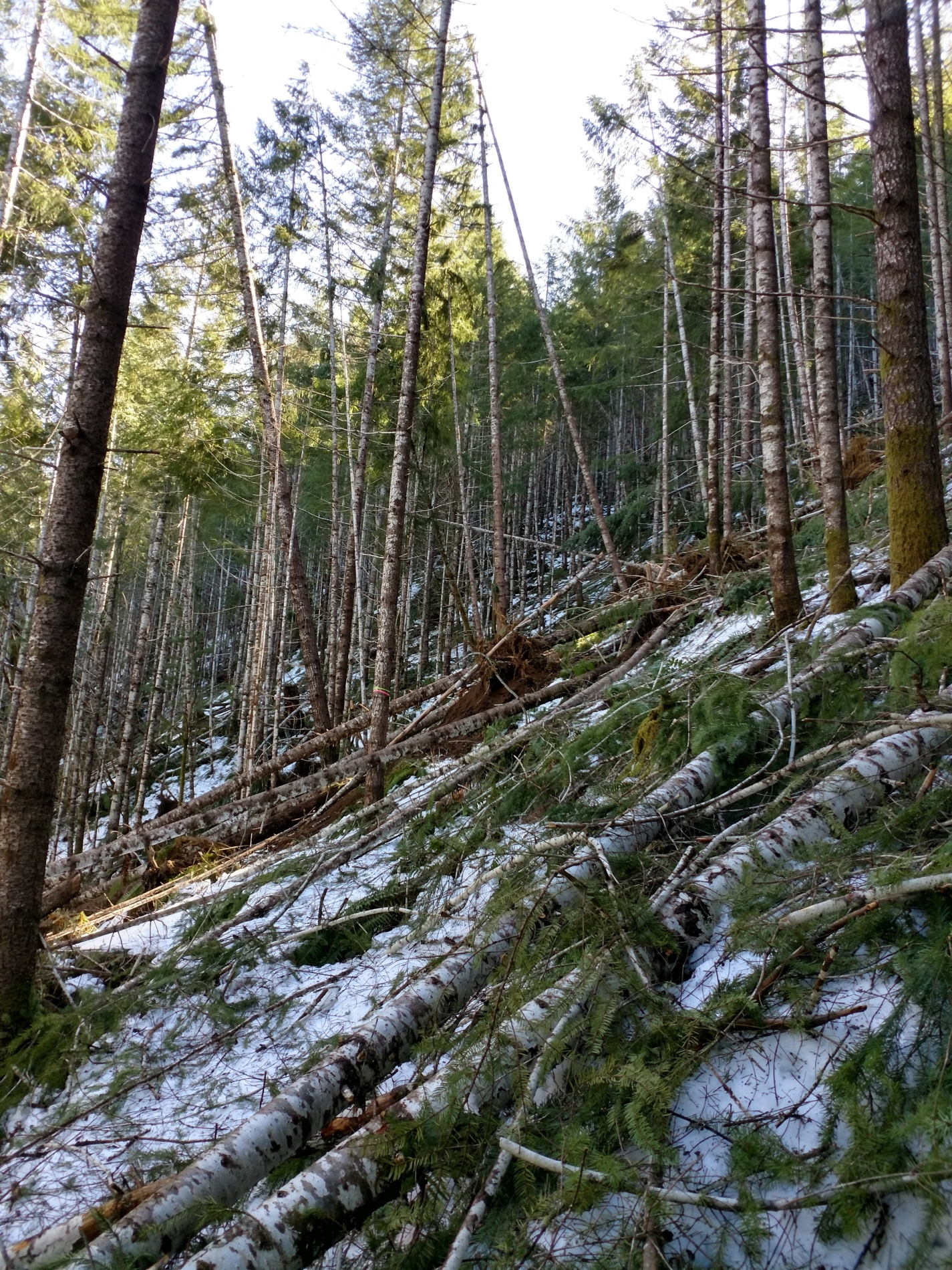
Watershed 01 slope, with extensive trees down after the storm
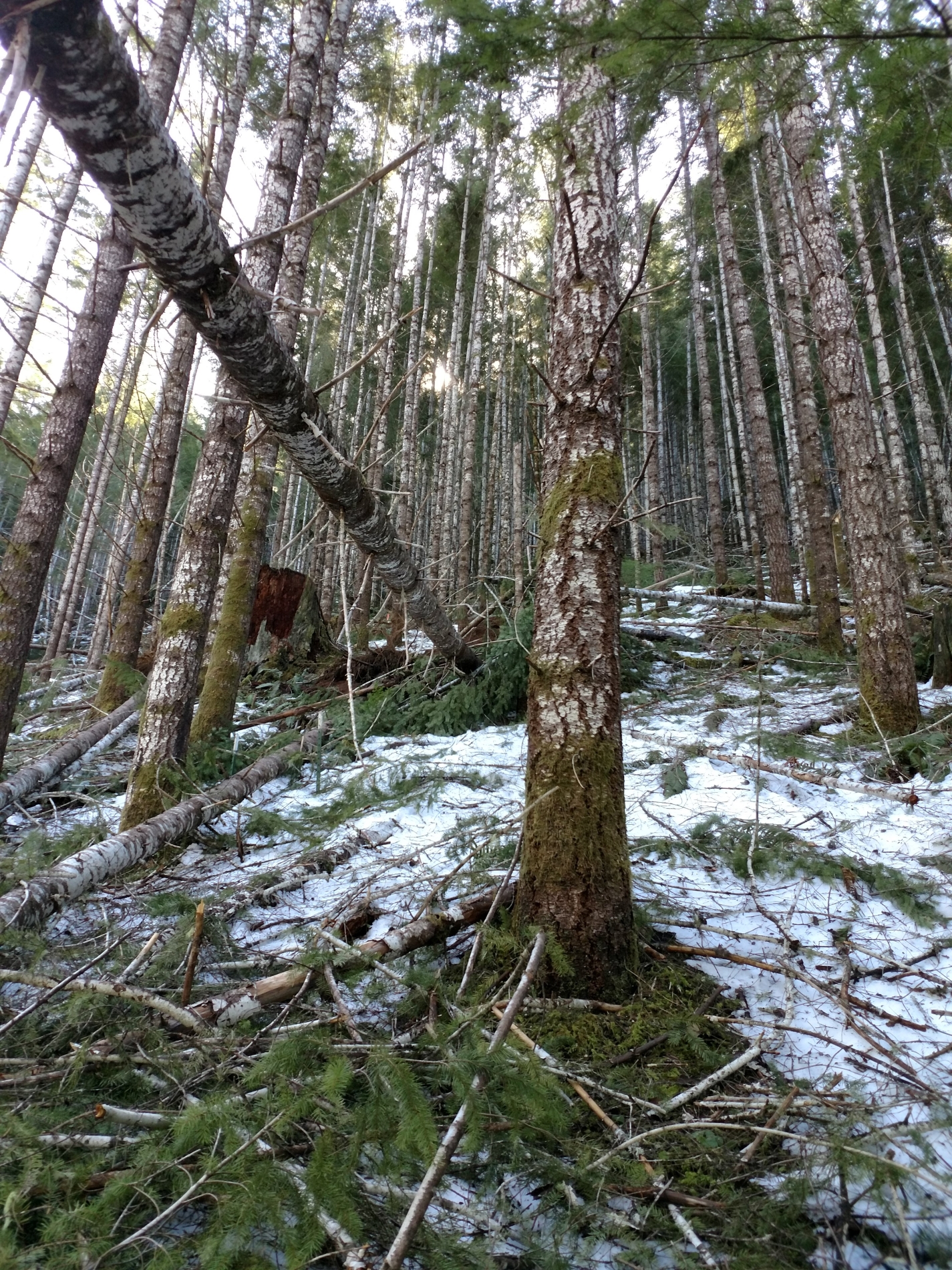
Watershed 01 slope, with extensive trees down after the storm
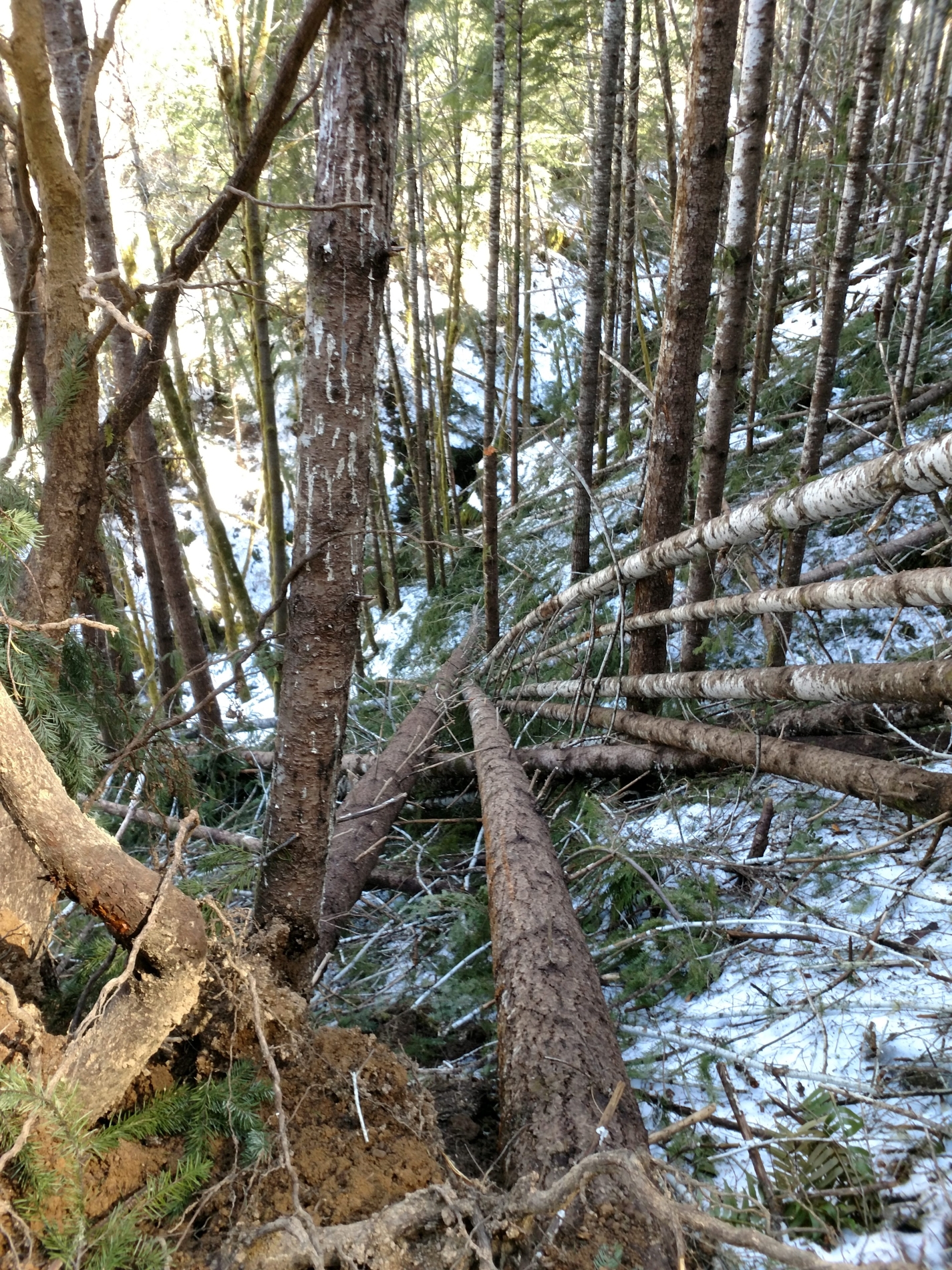
Watershed 01 slope, with extensive trees down after the storm
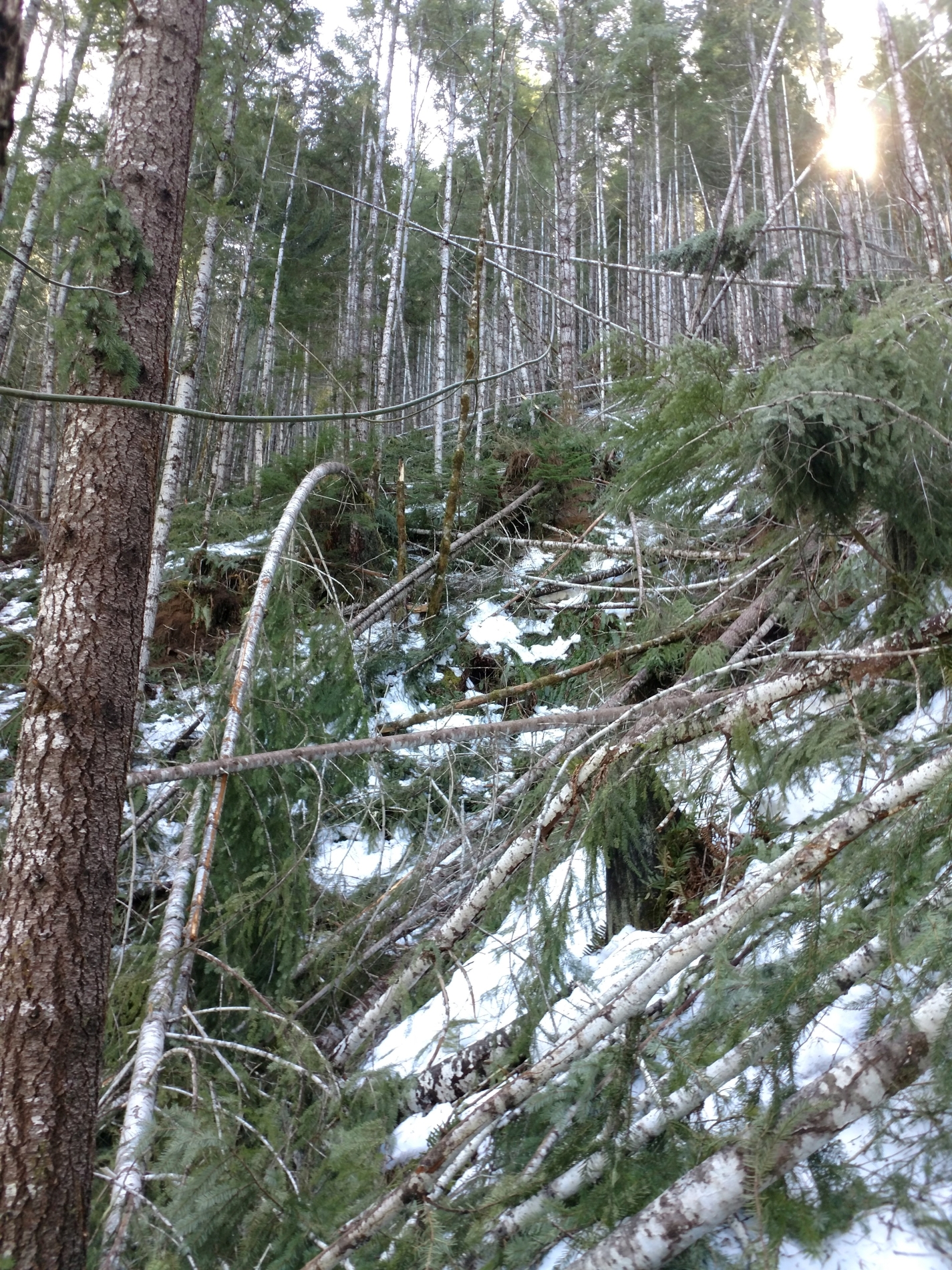
Watershed 01 slope, with extensive trees down after the storm
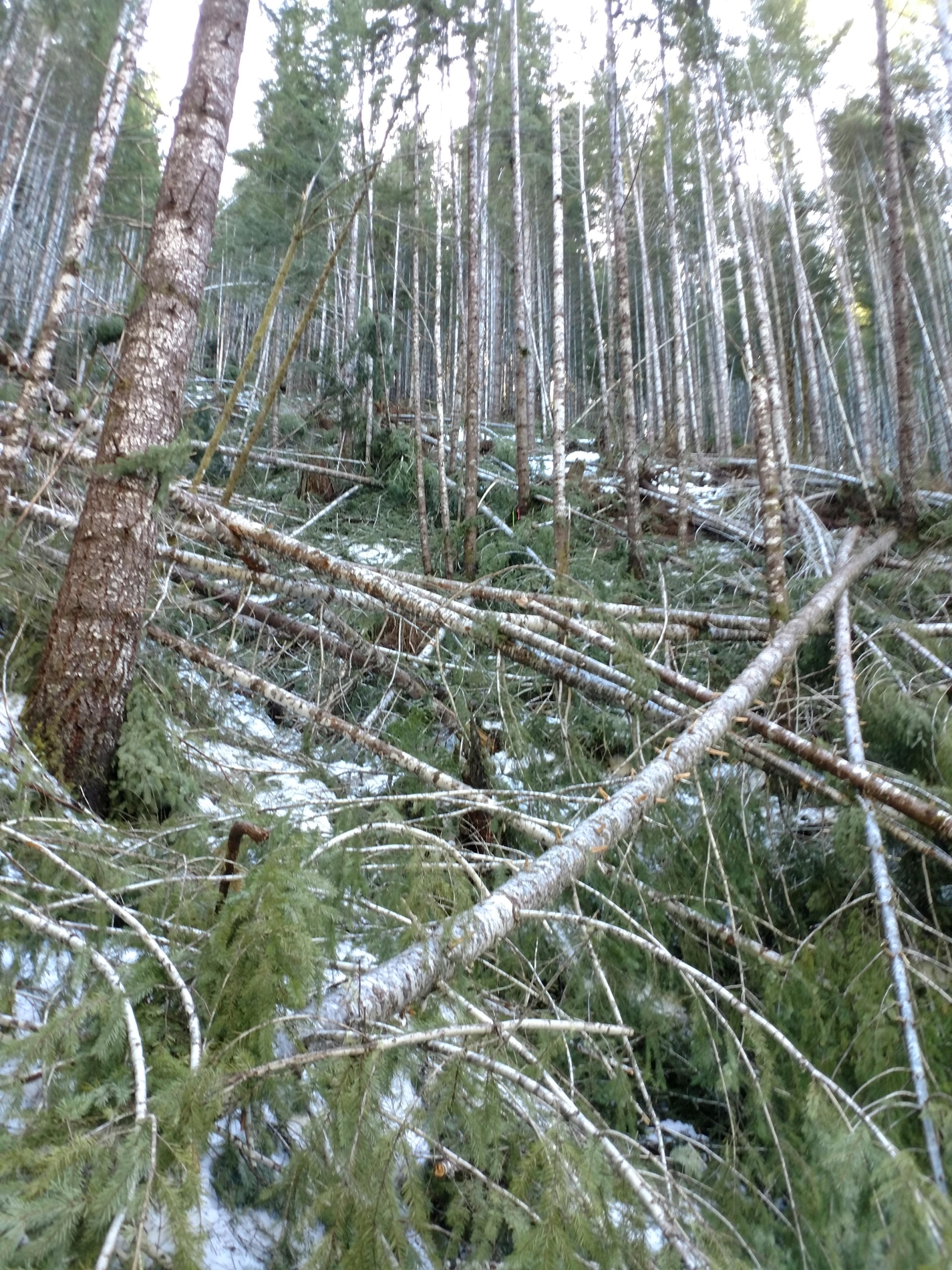
Watershed 01 slope, with extensive trees down after the storm
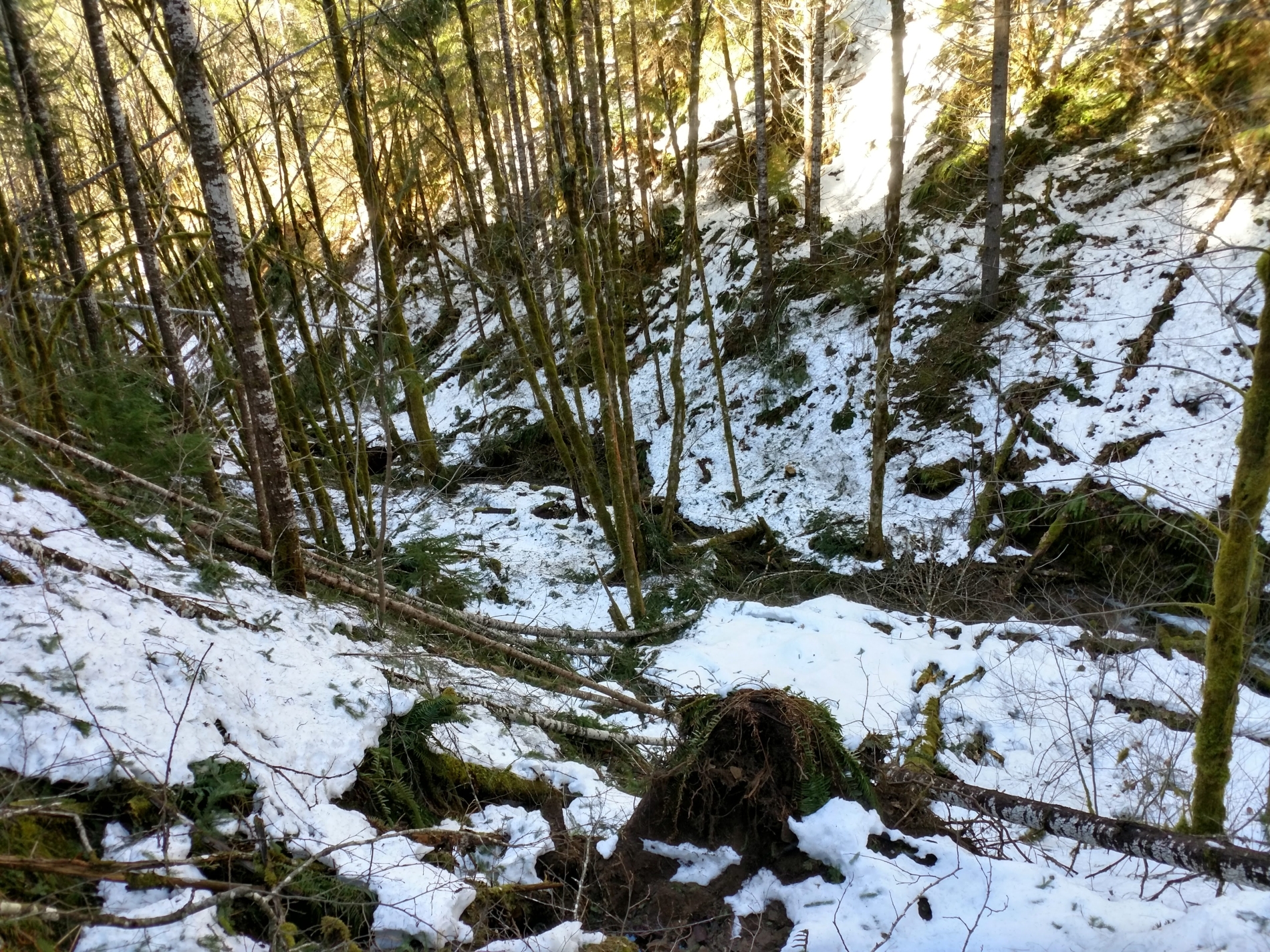
Watershed 01 slope, with extensive trees down after the storm
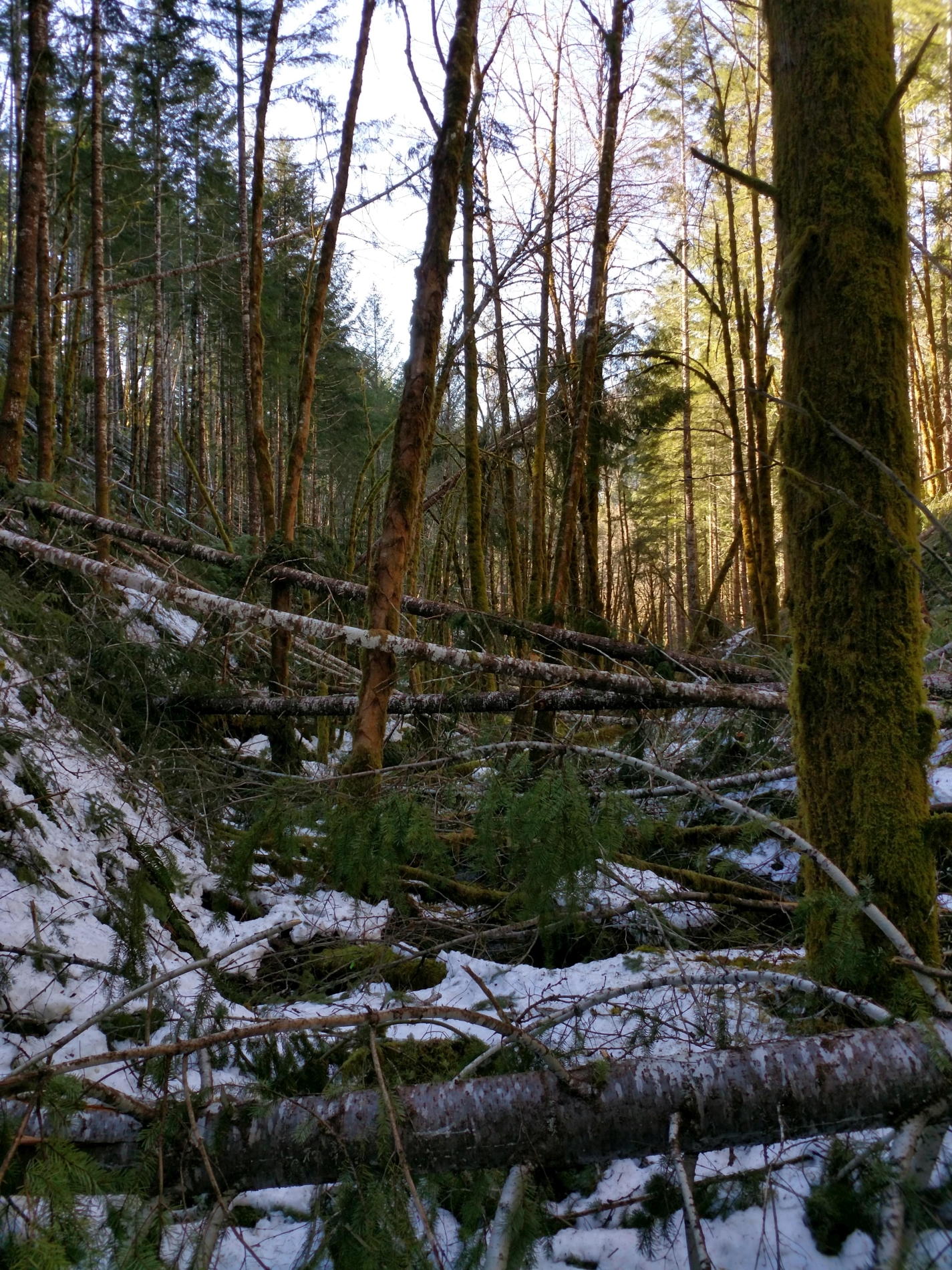
Watershed 01 slope, with extensive trees down after the storm
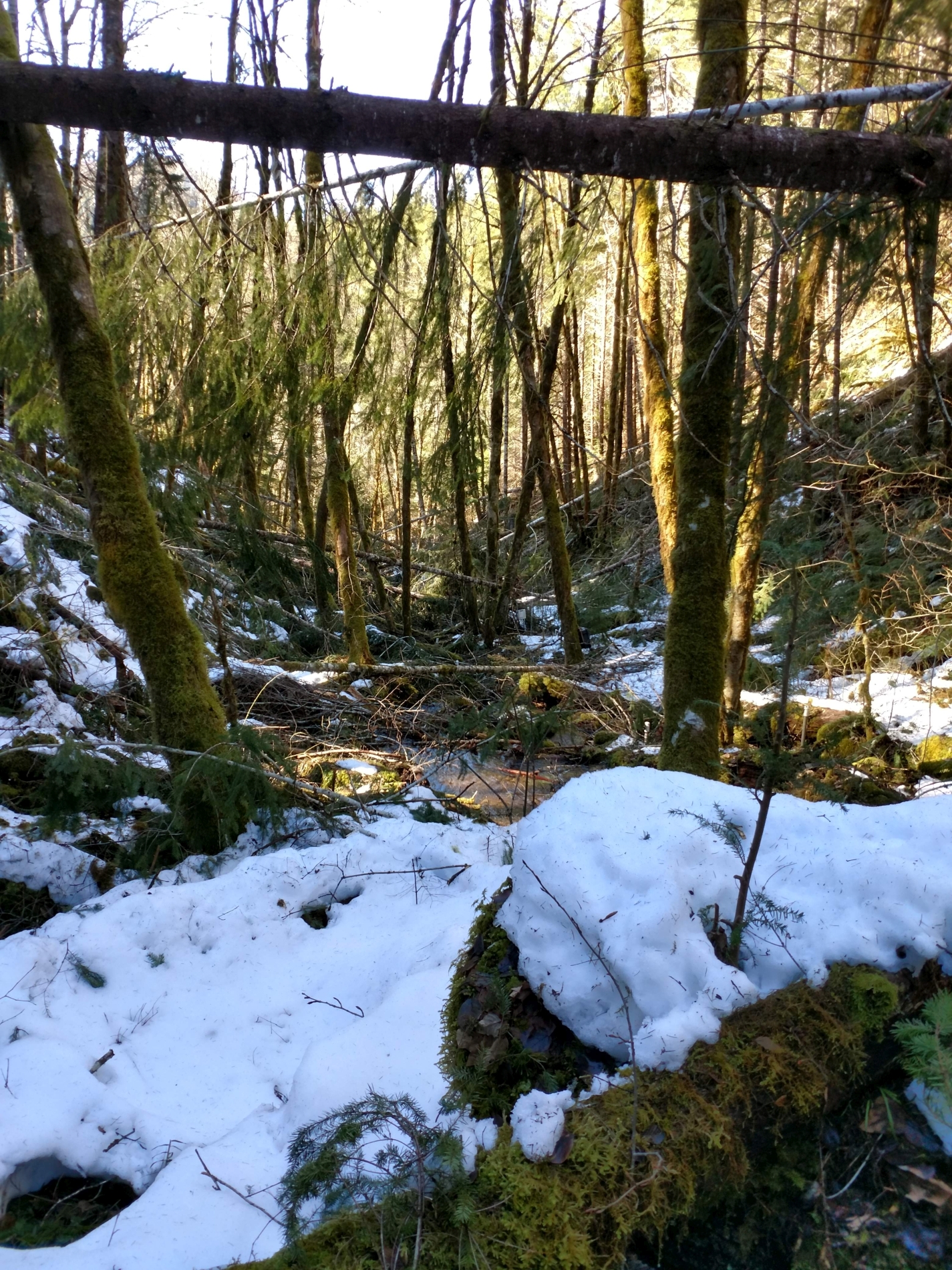
Watershed 01, after the snowdown
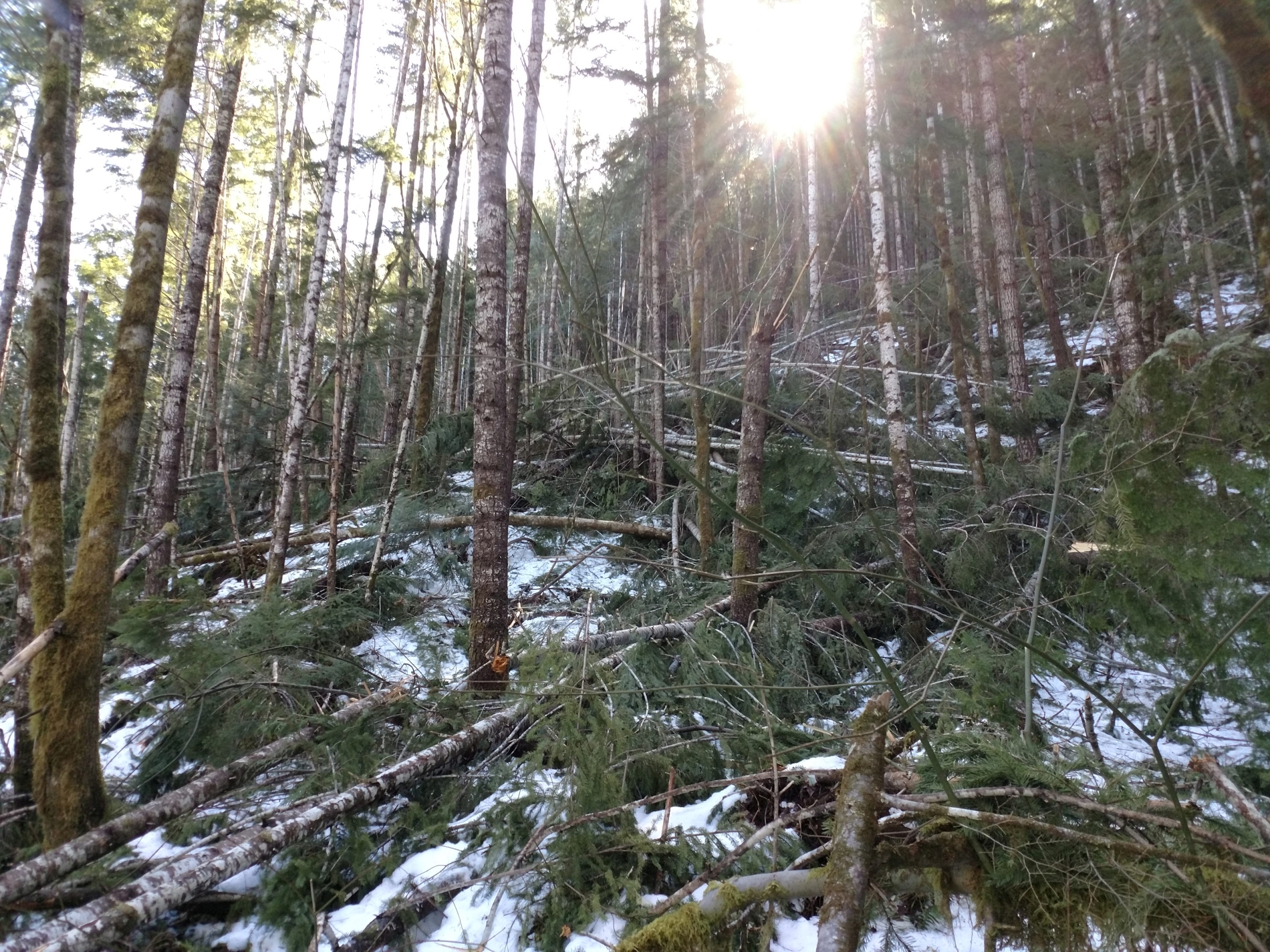
Watershed 01, north-facing slope, with extensive trees down after the storm
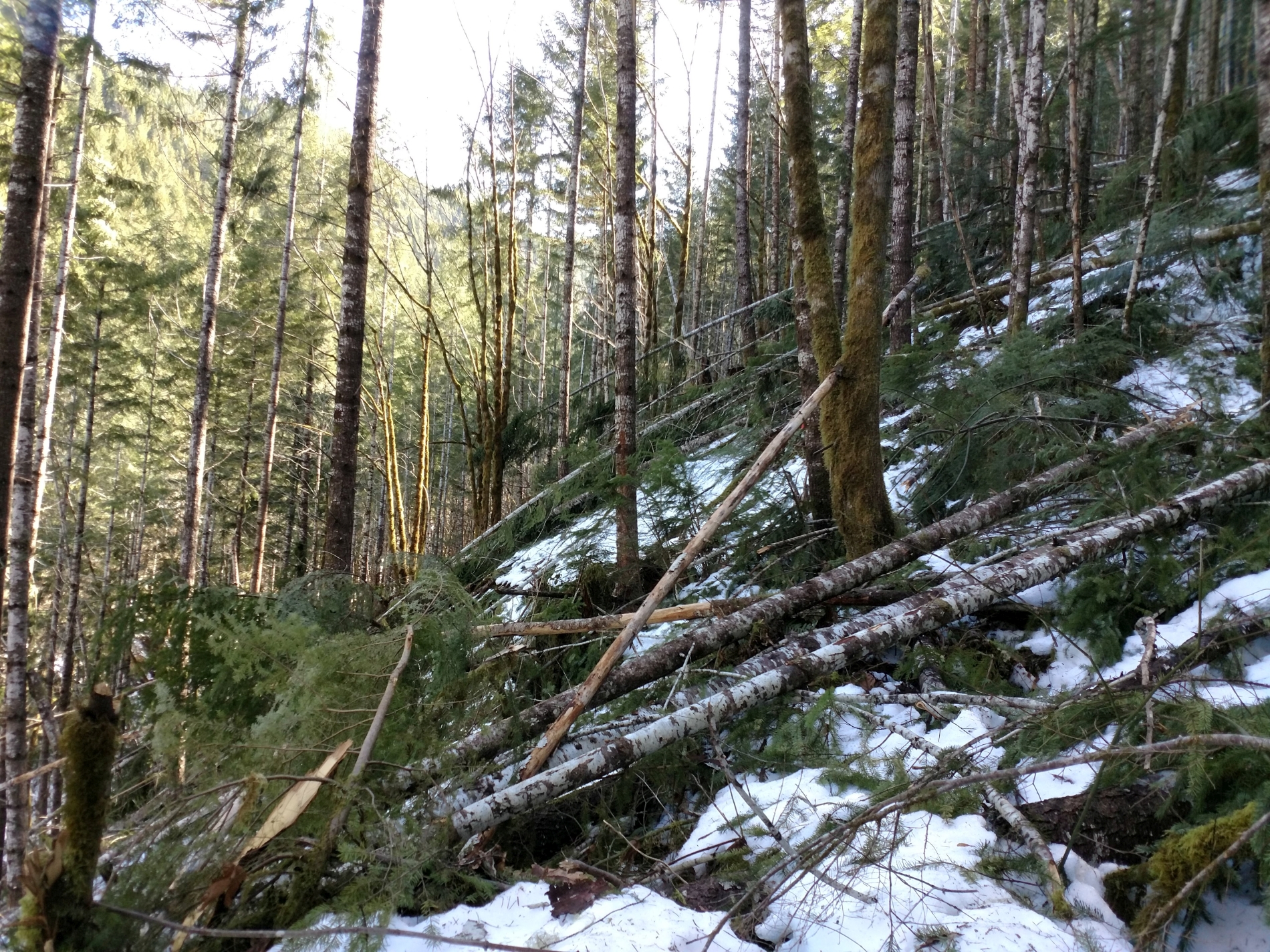
Watershed 01, north-facing slope, with extensive trees down after the storm
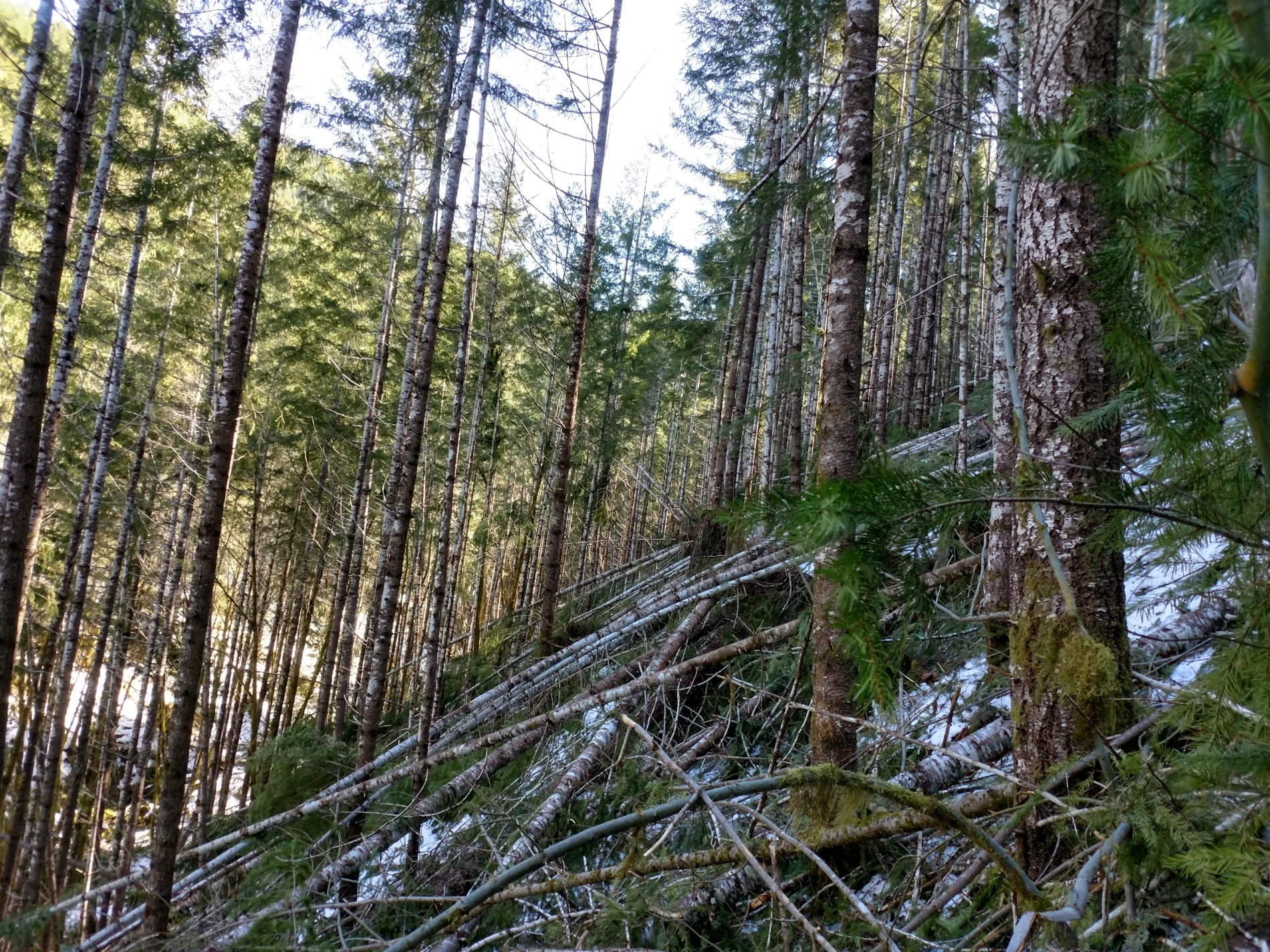
Watershed 01, north-facing slope, with extensive trees down after the storm