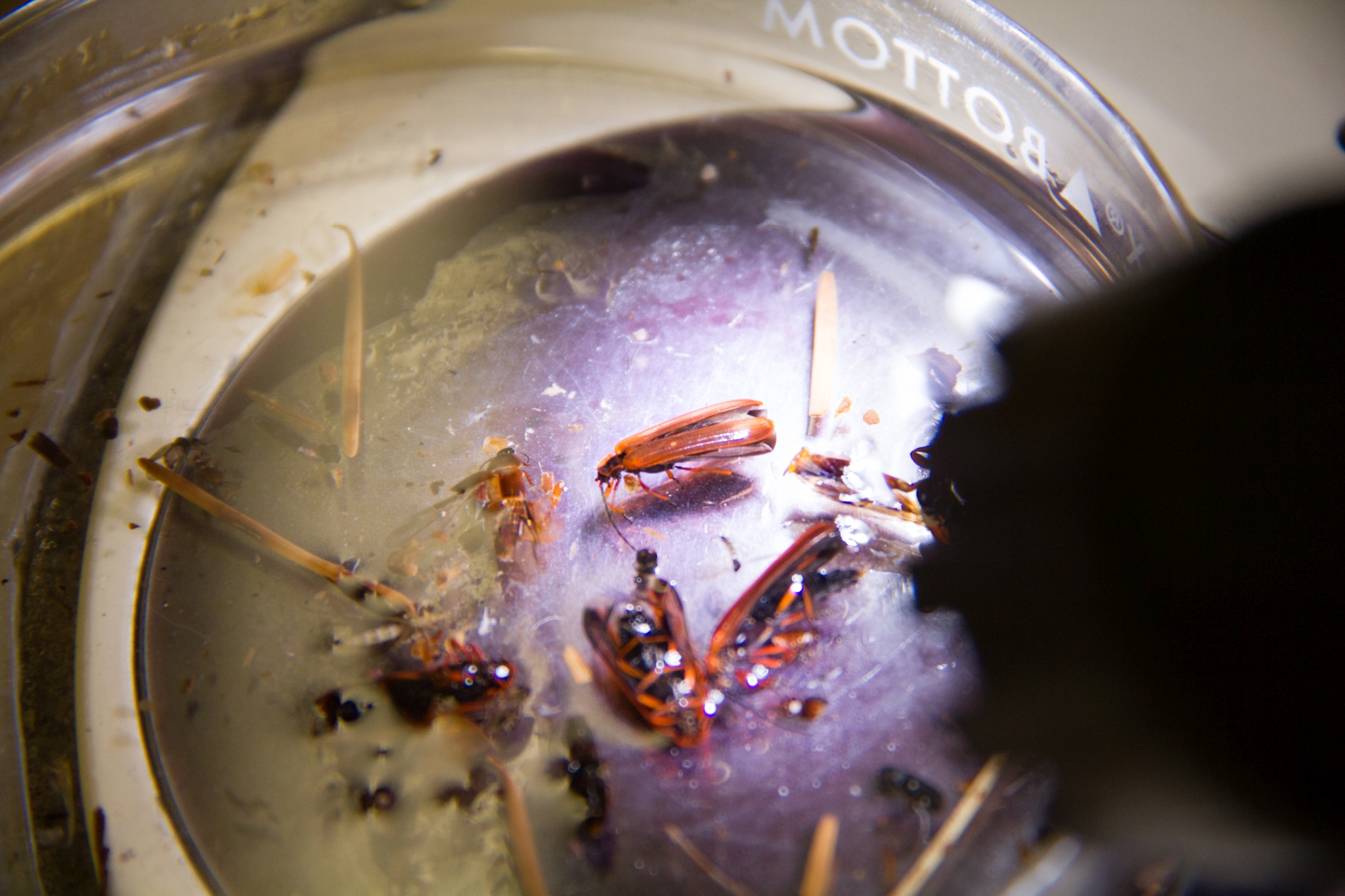
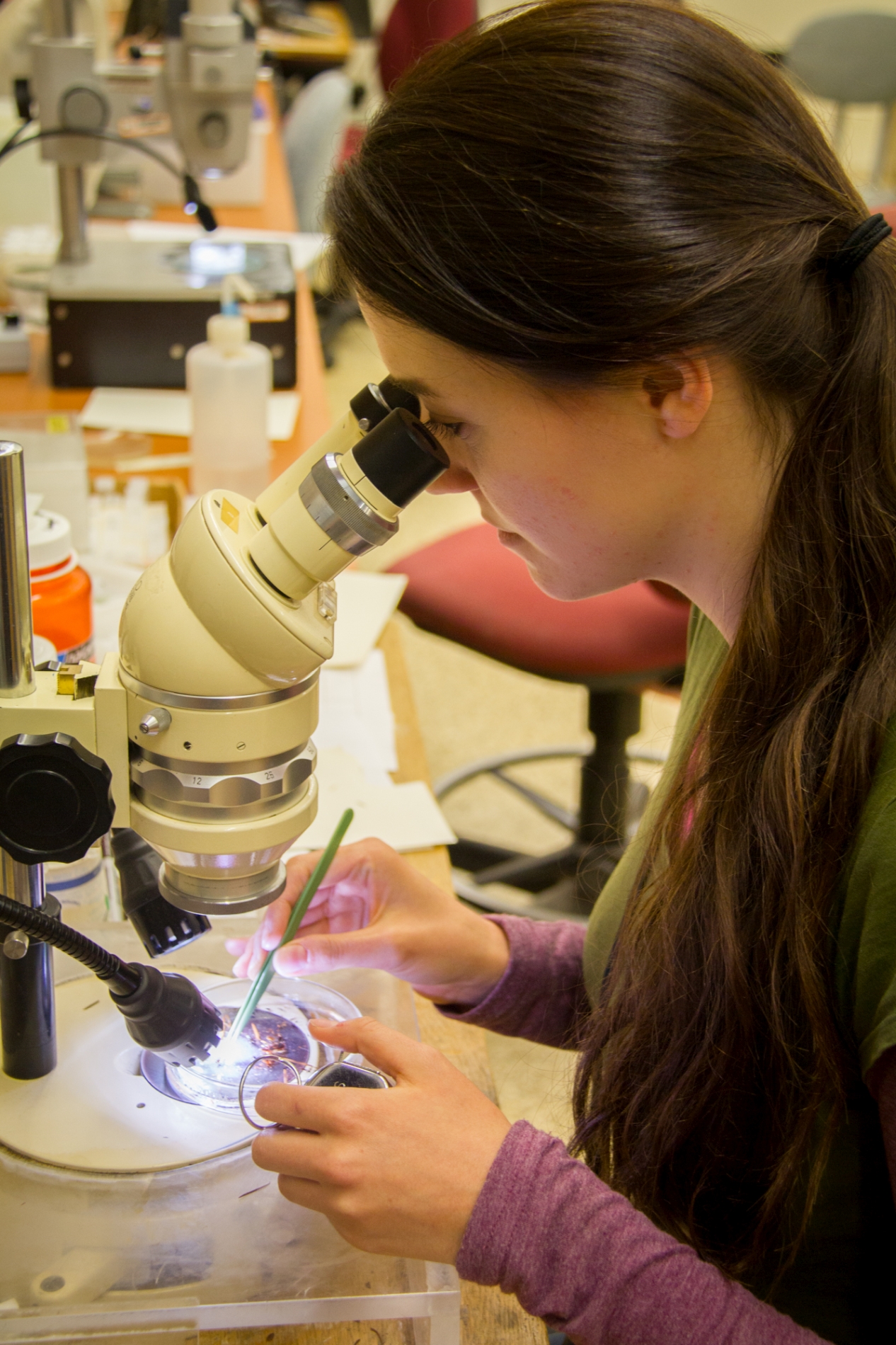
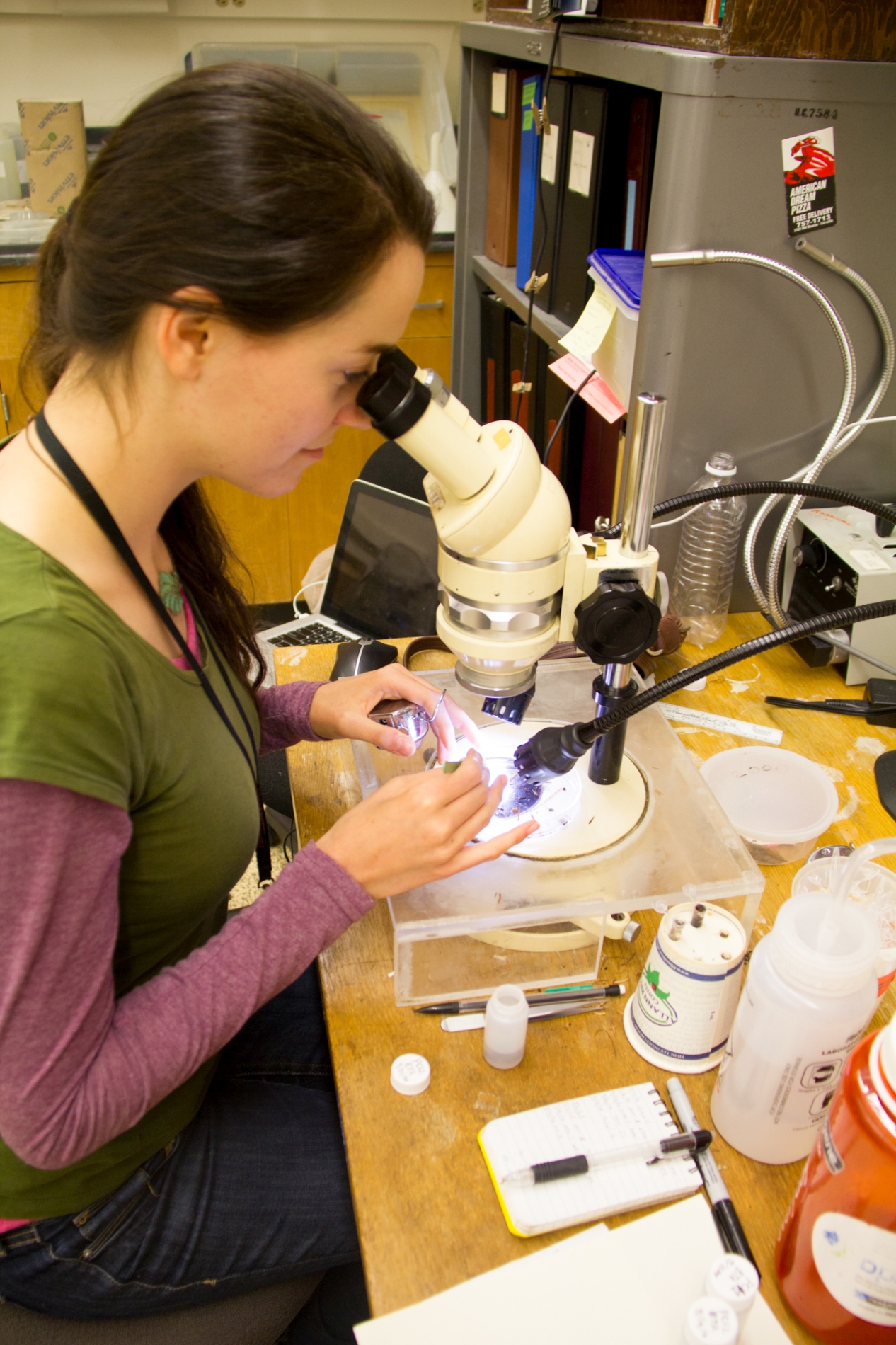
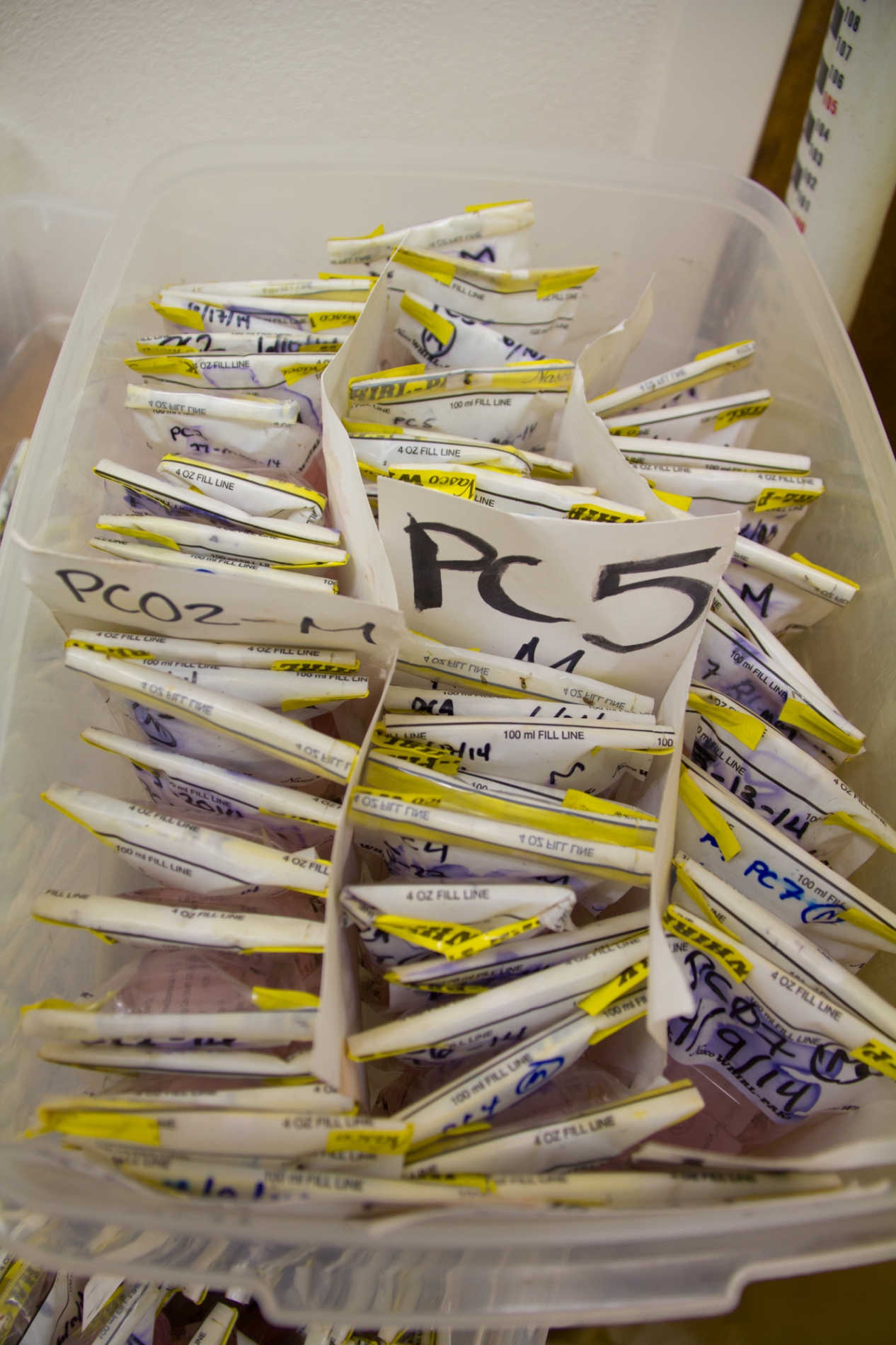
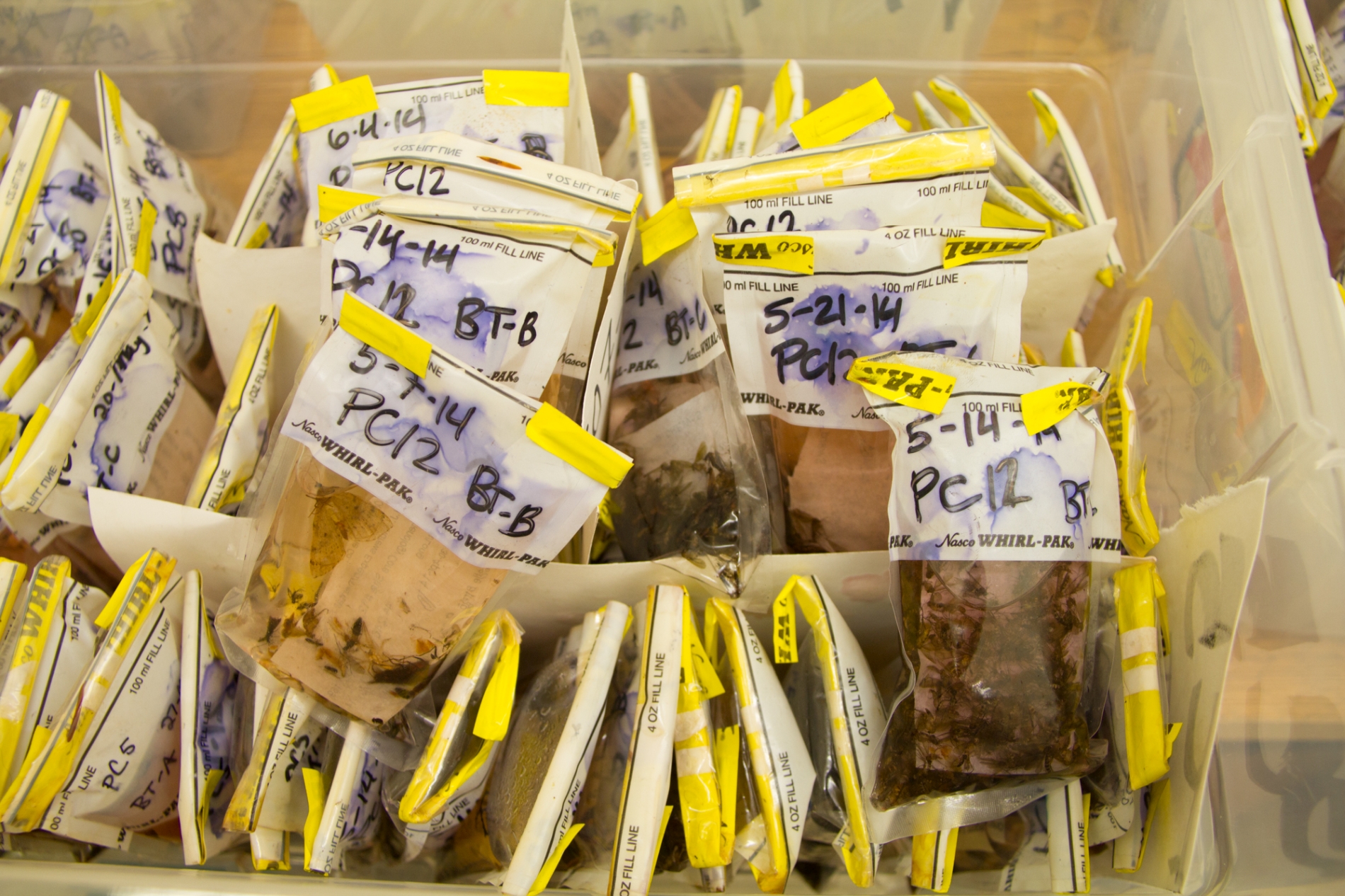
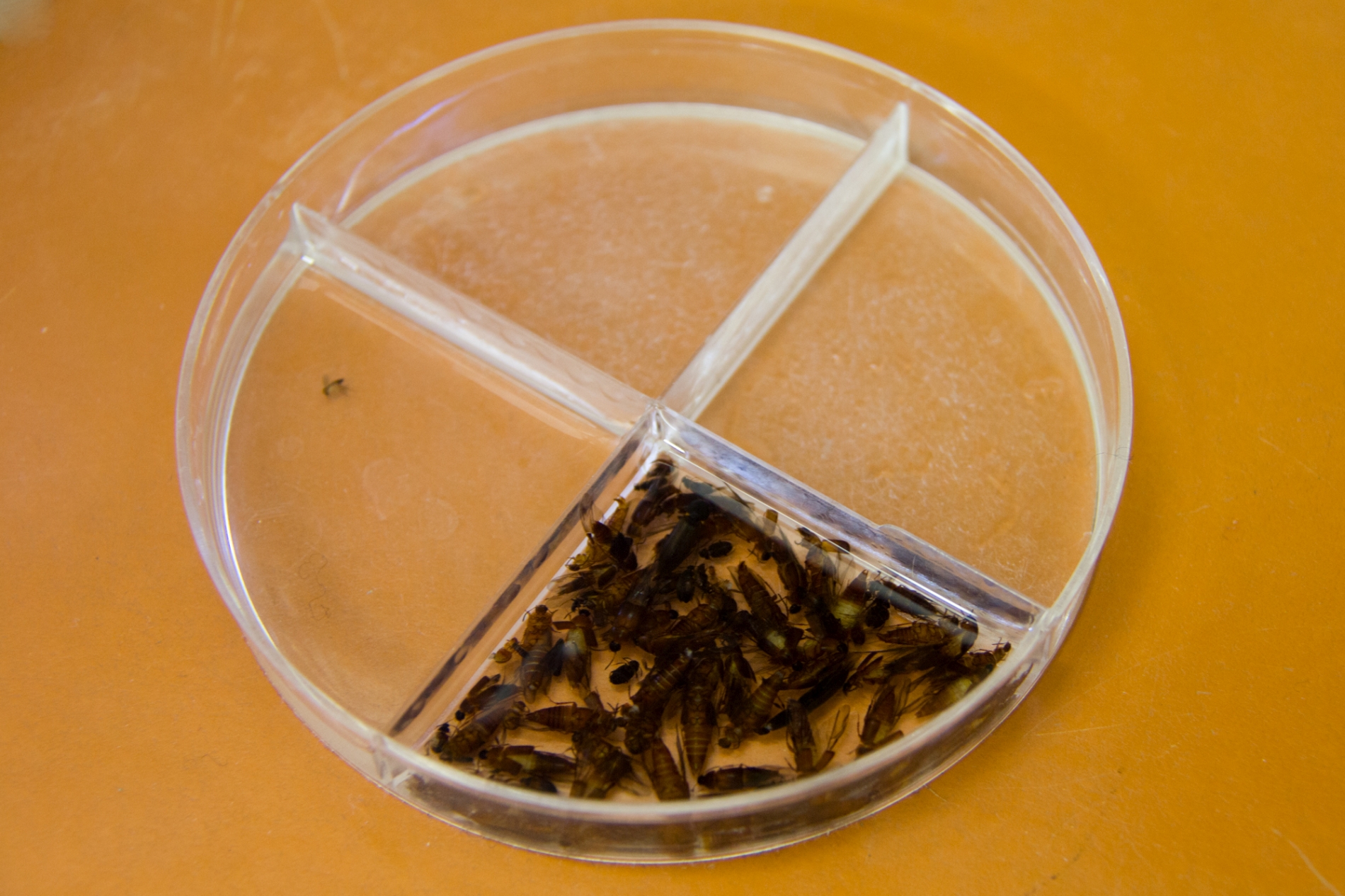
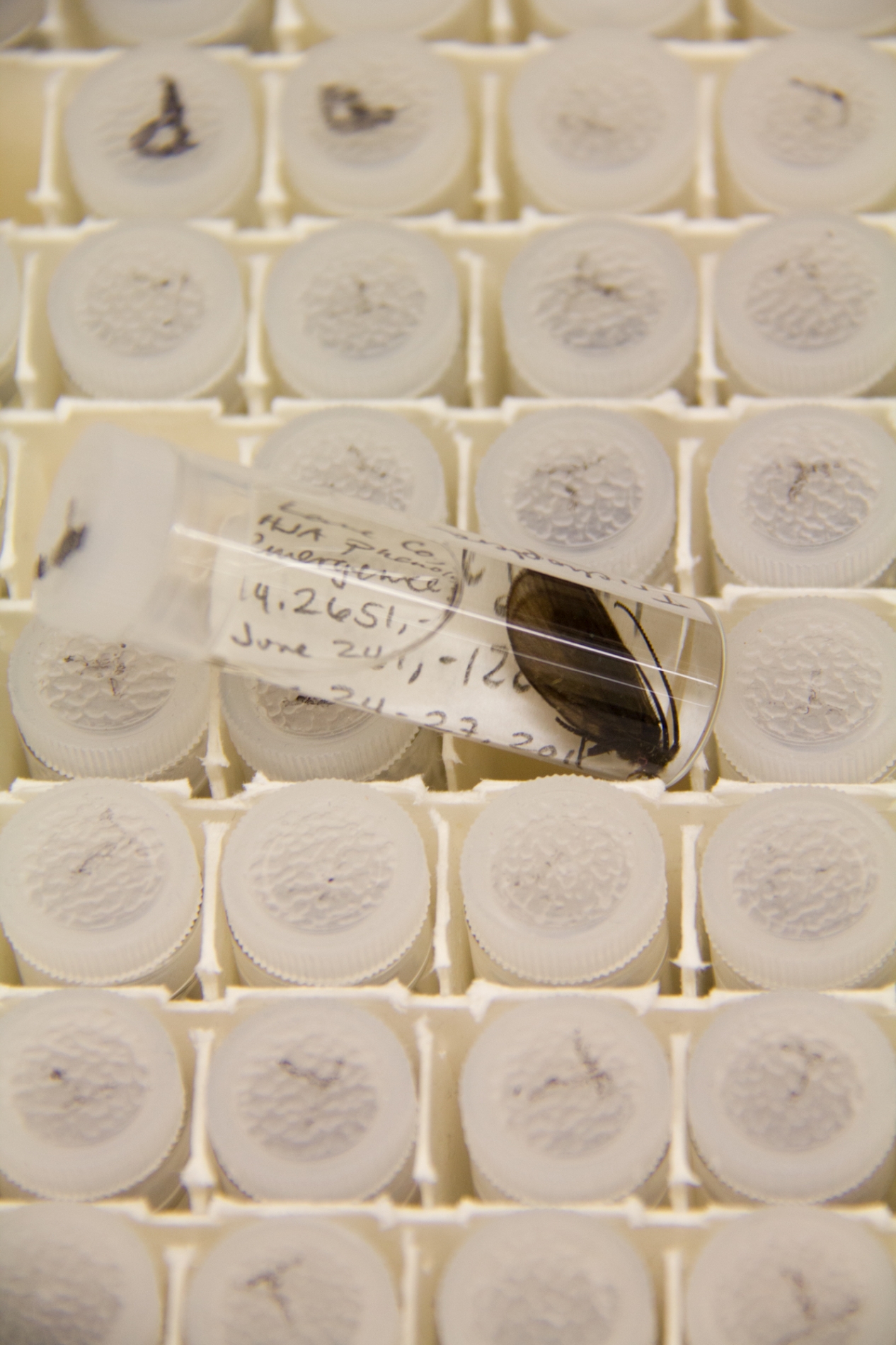
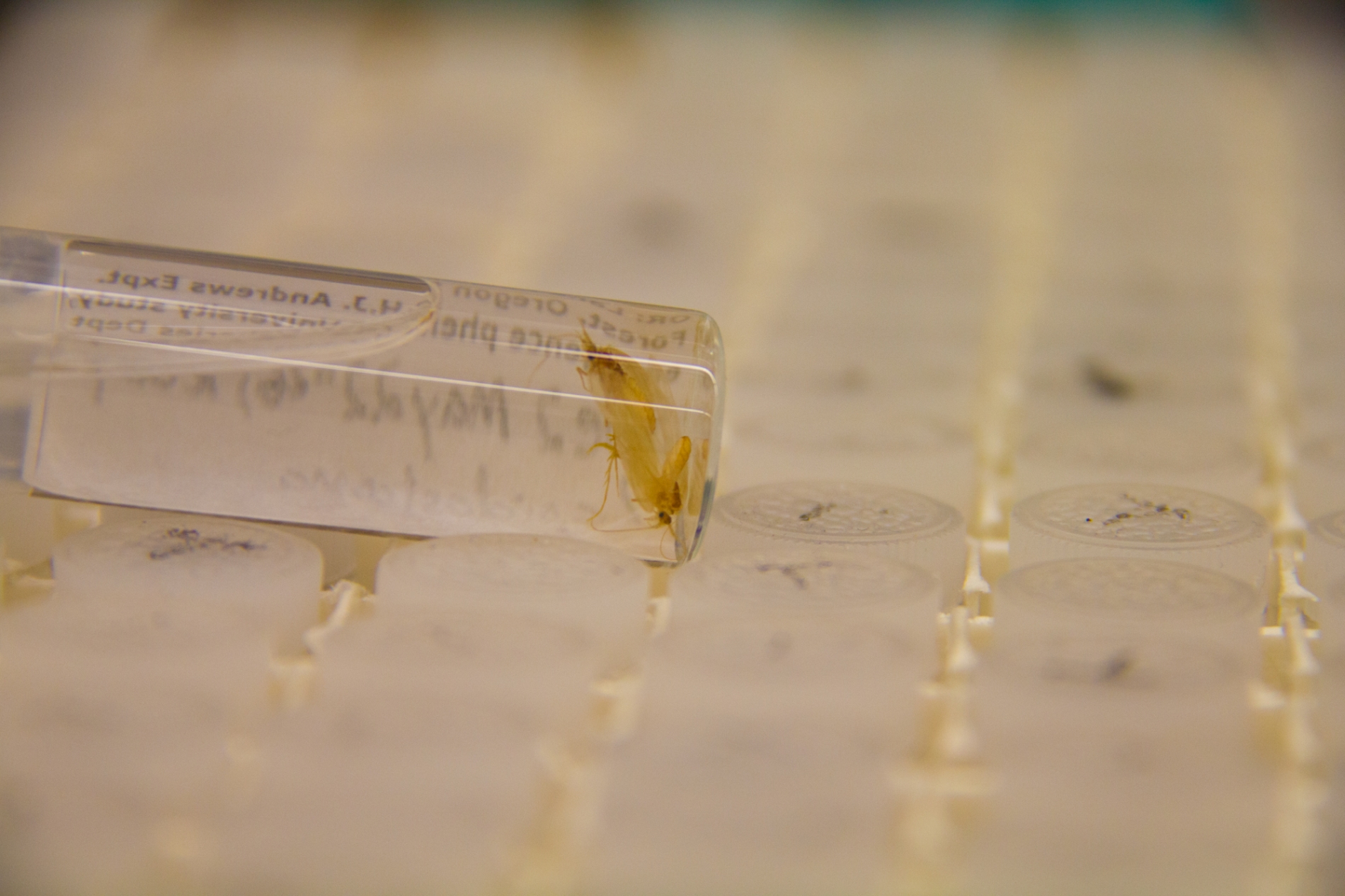
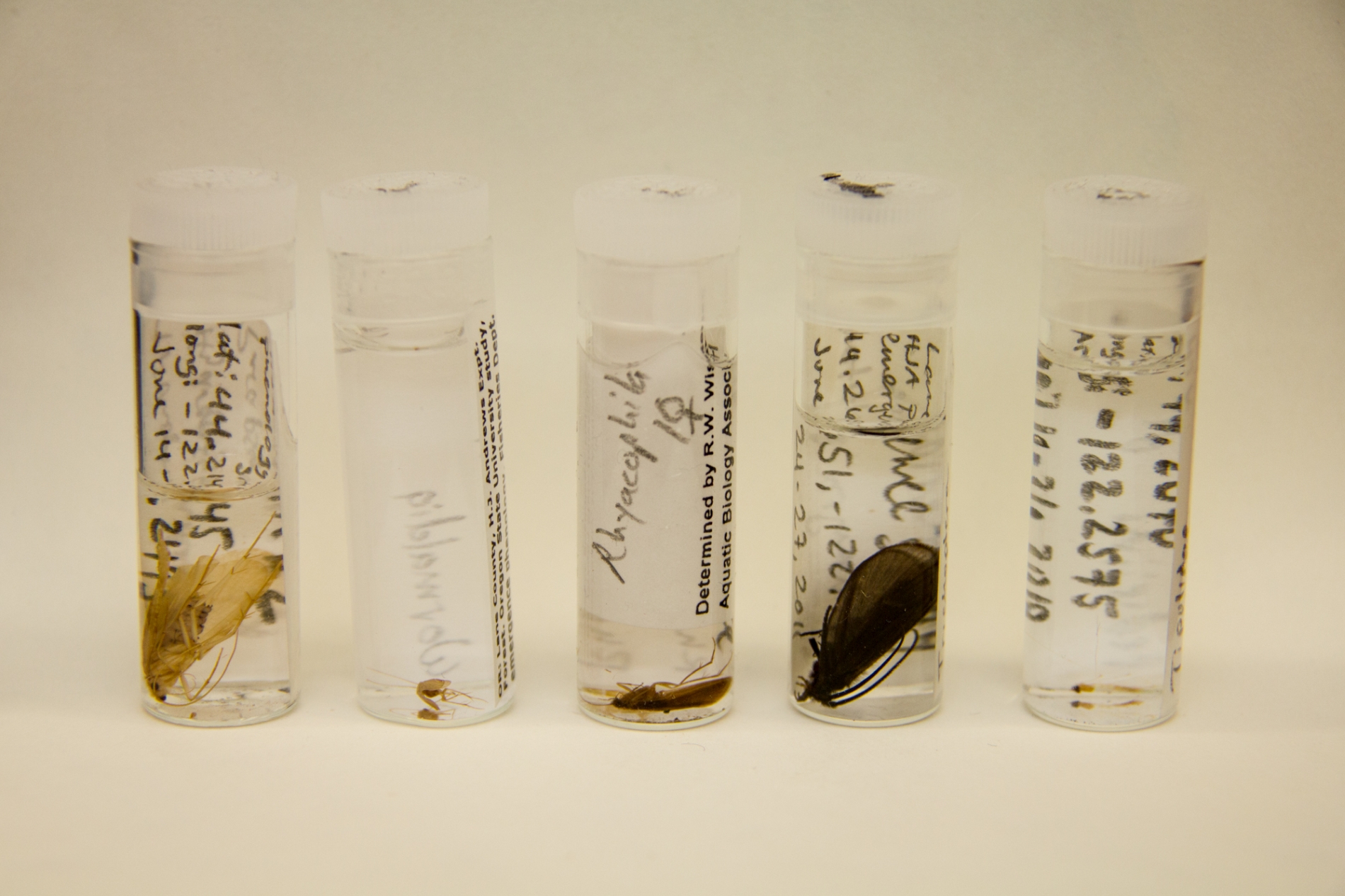
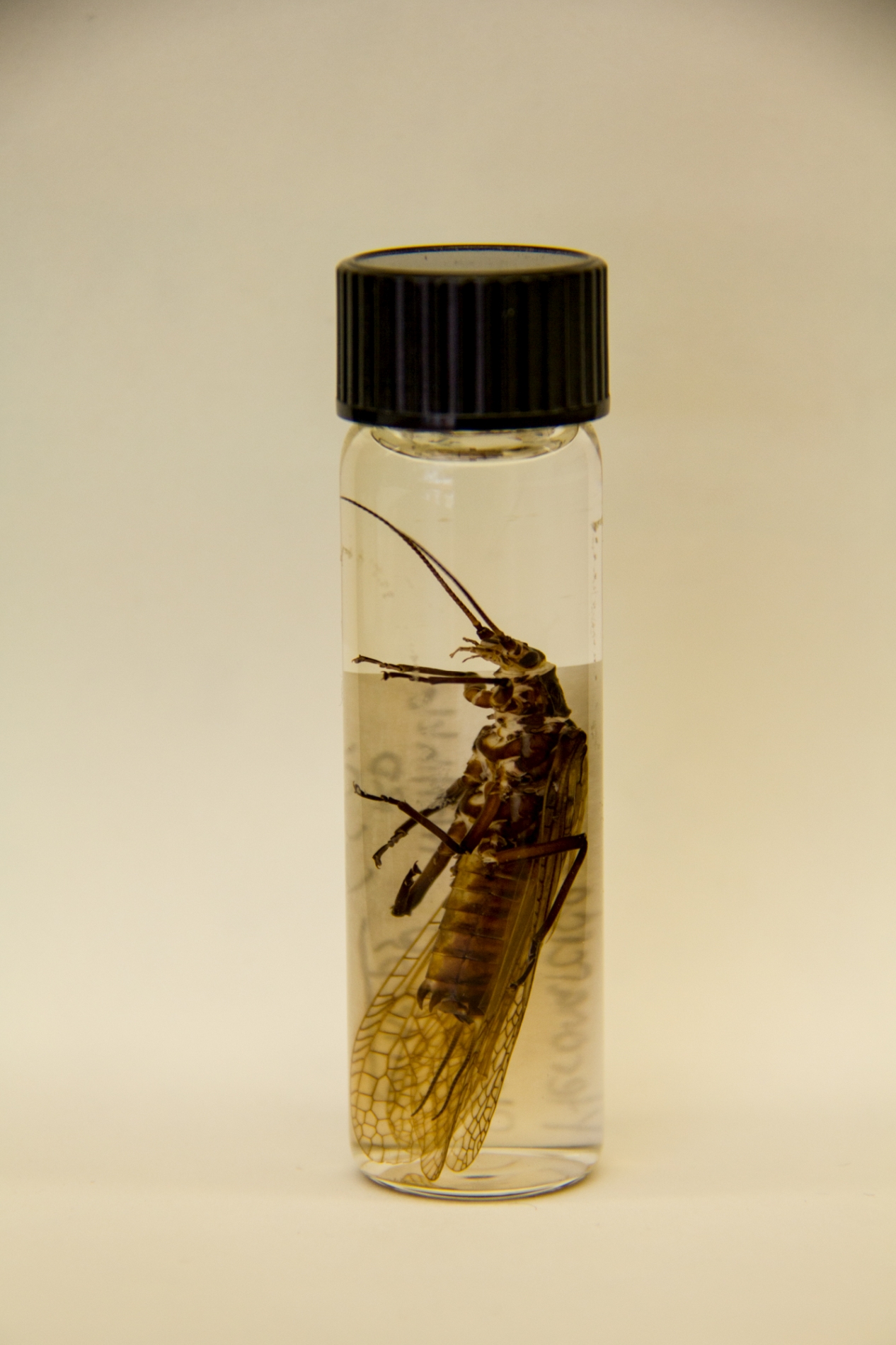
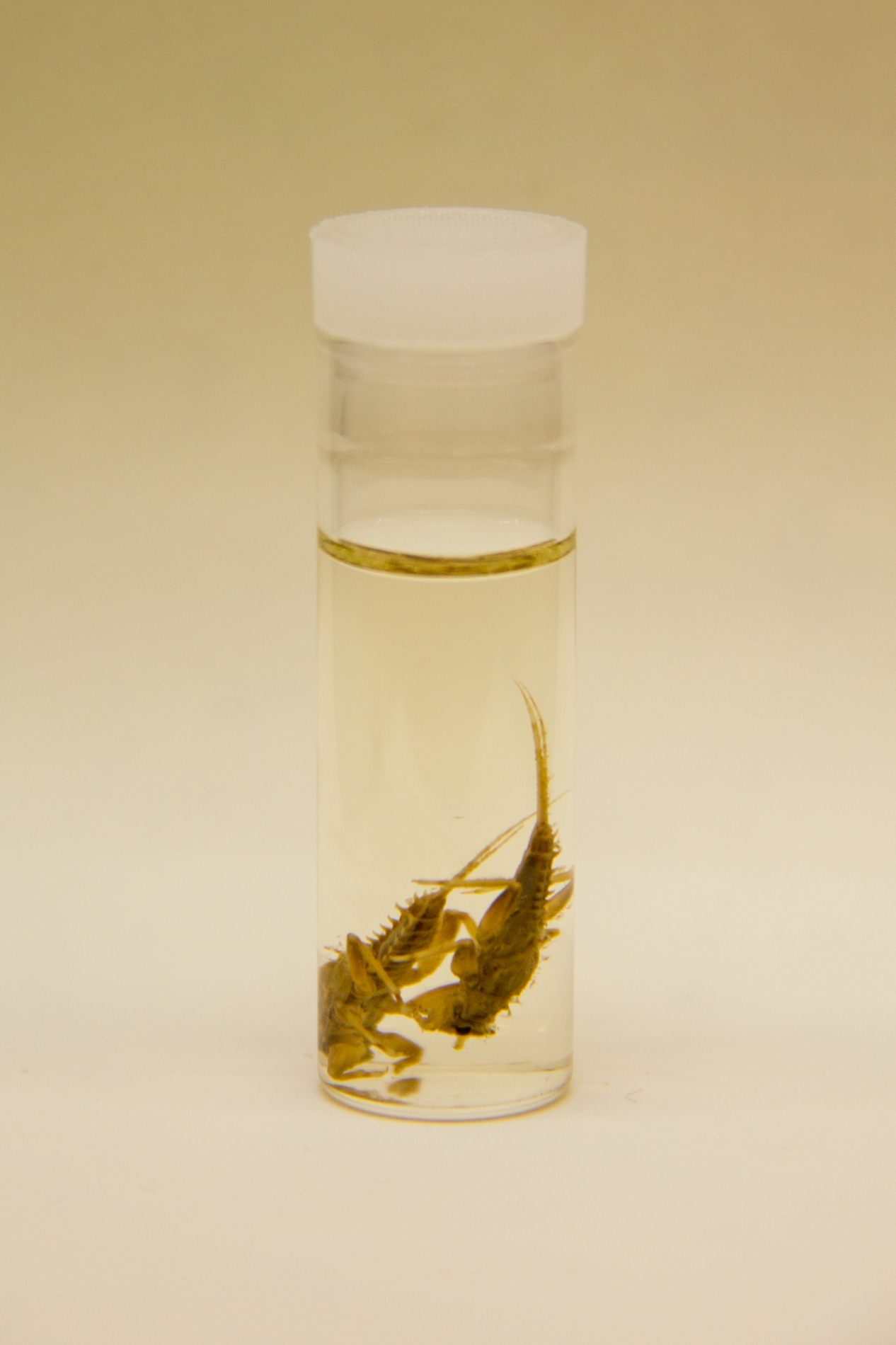
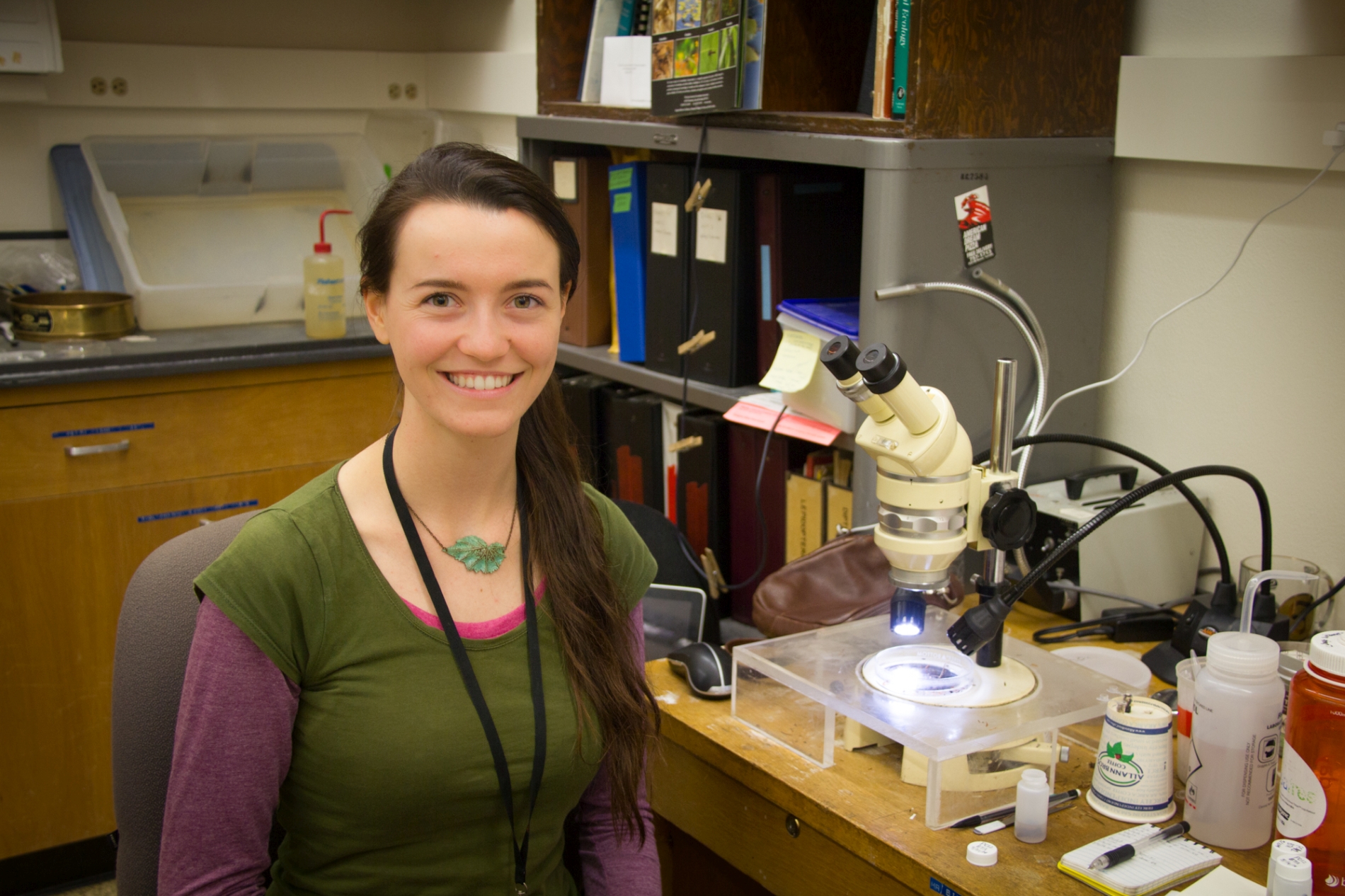
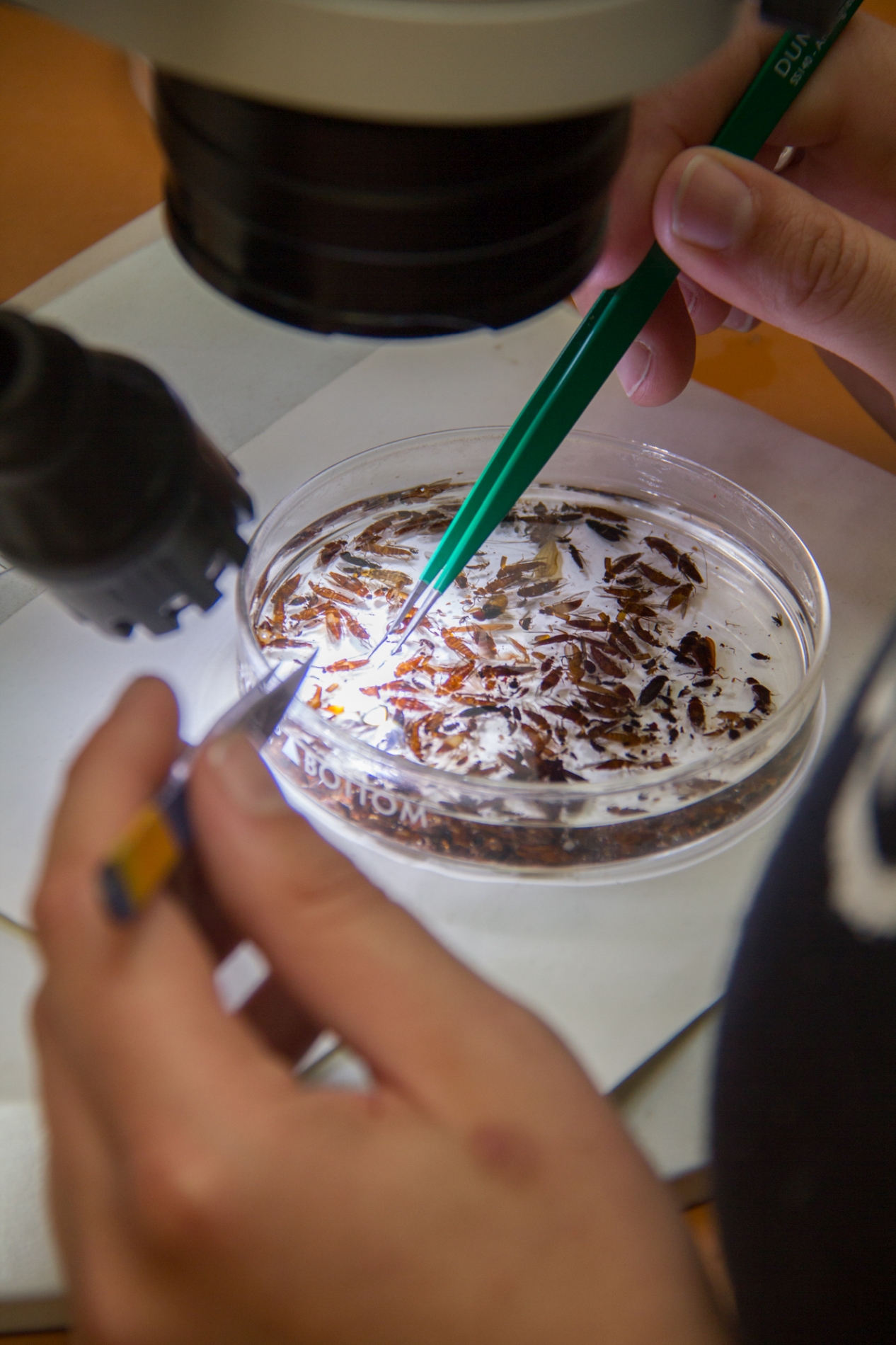
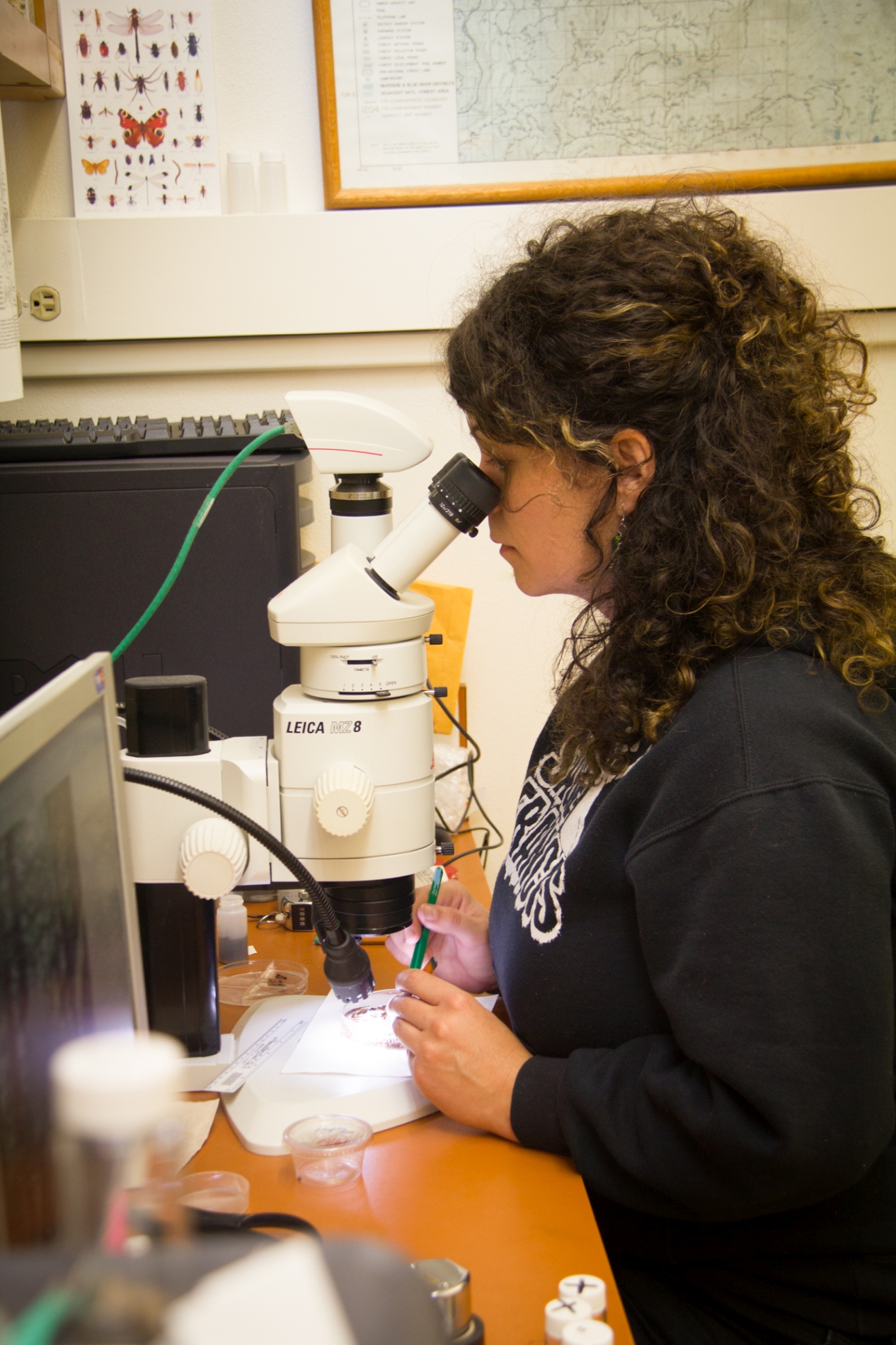
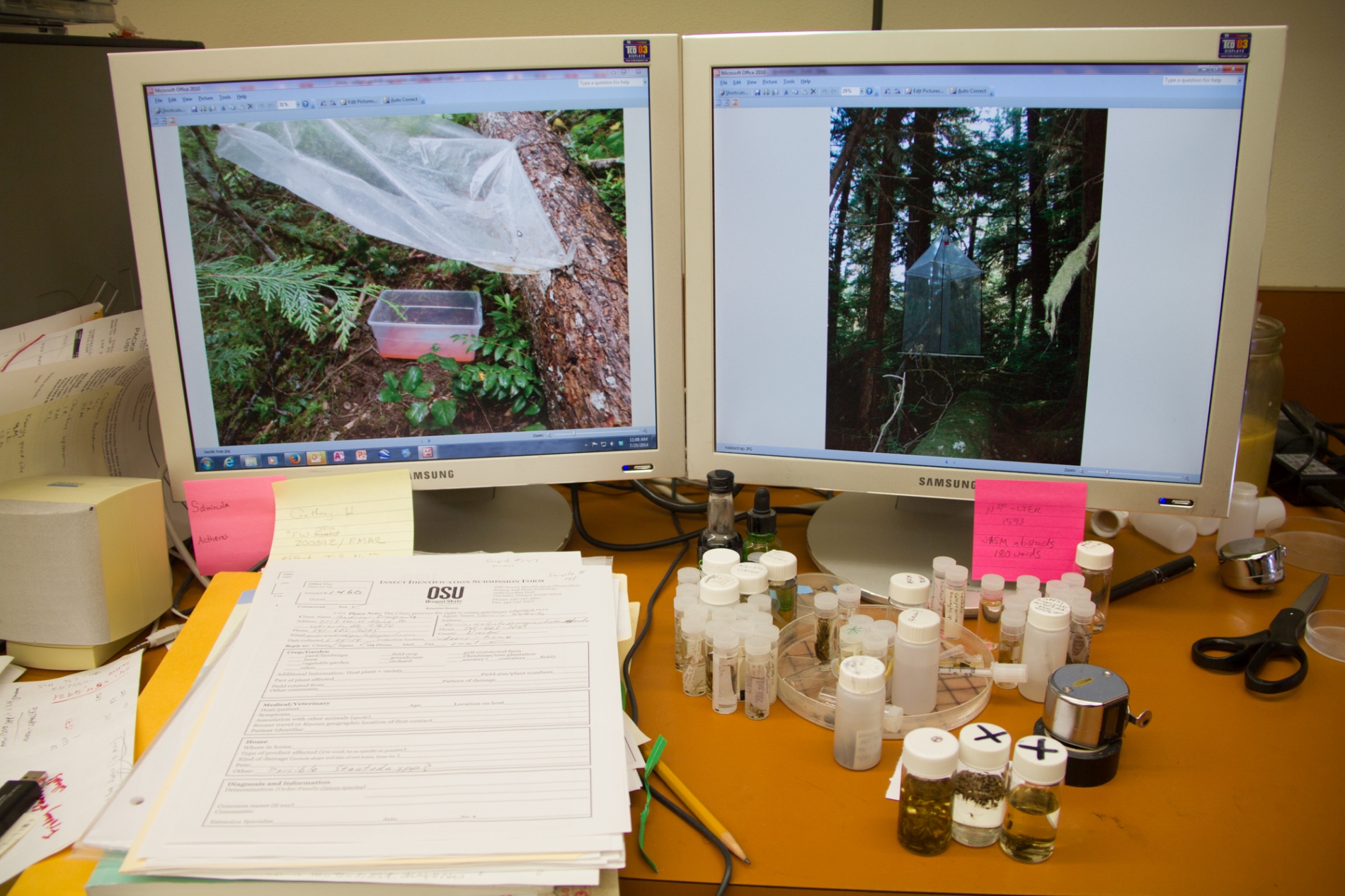
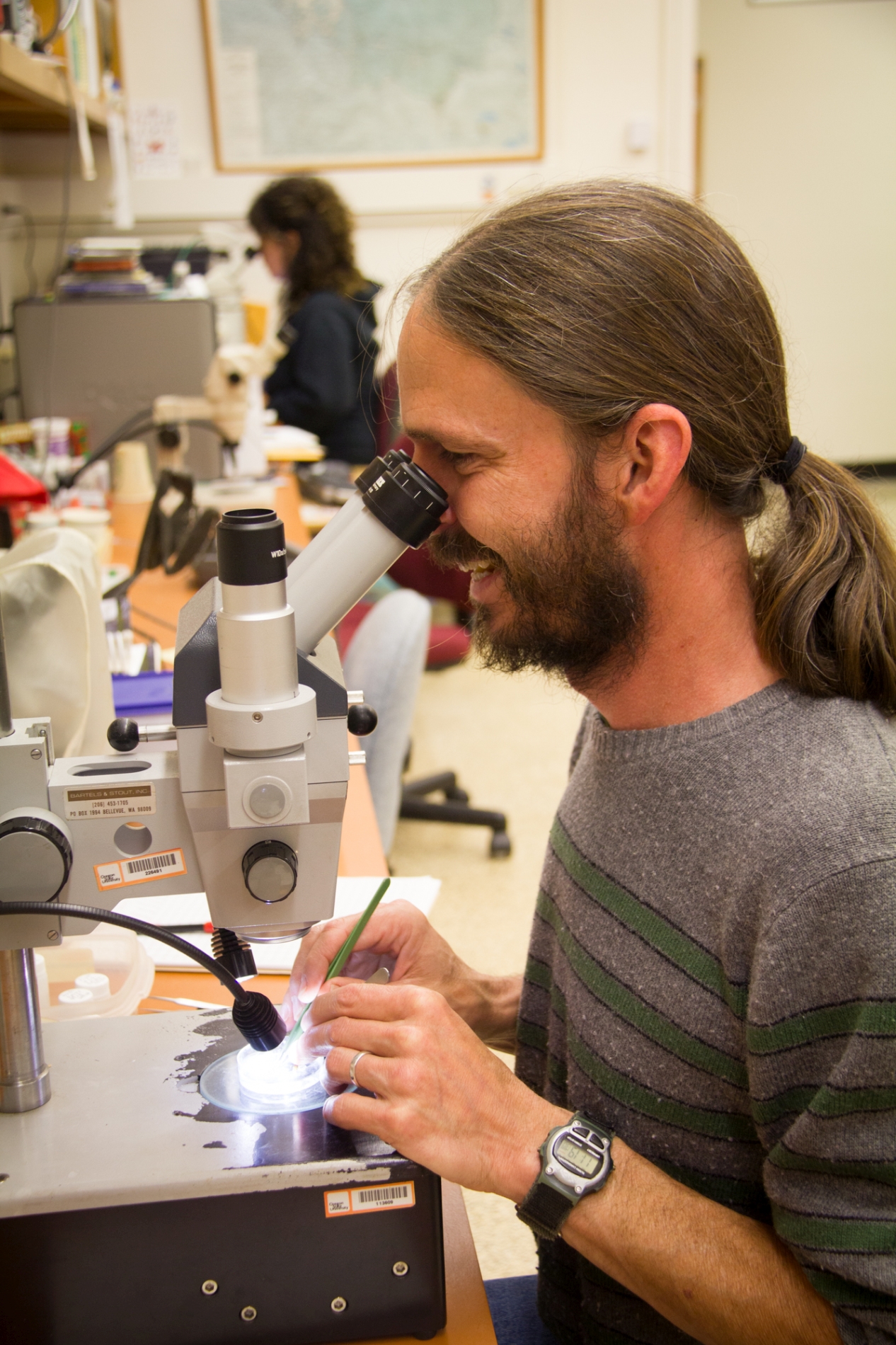
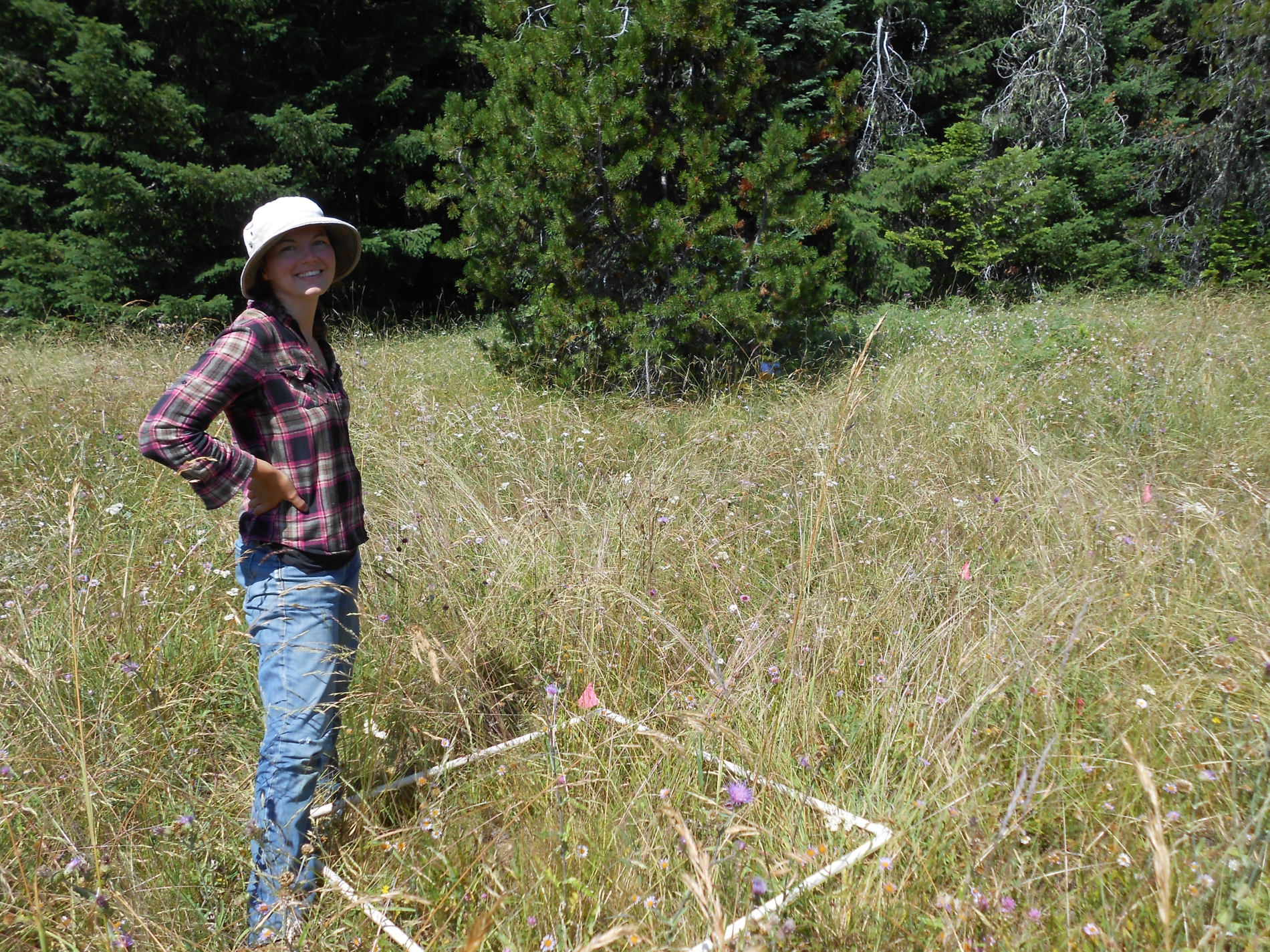
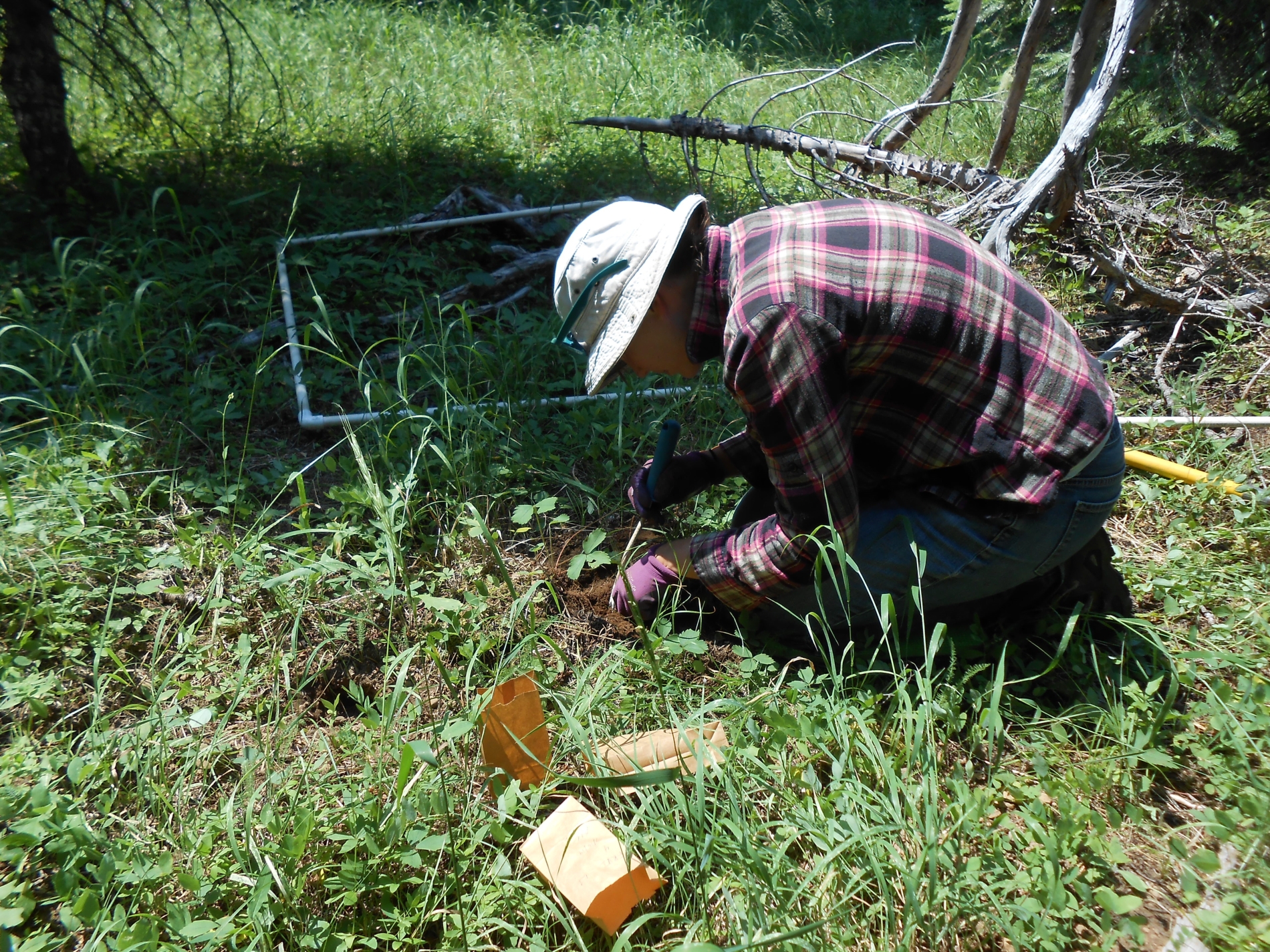
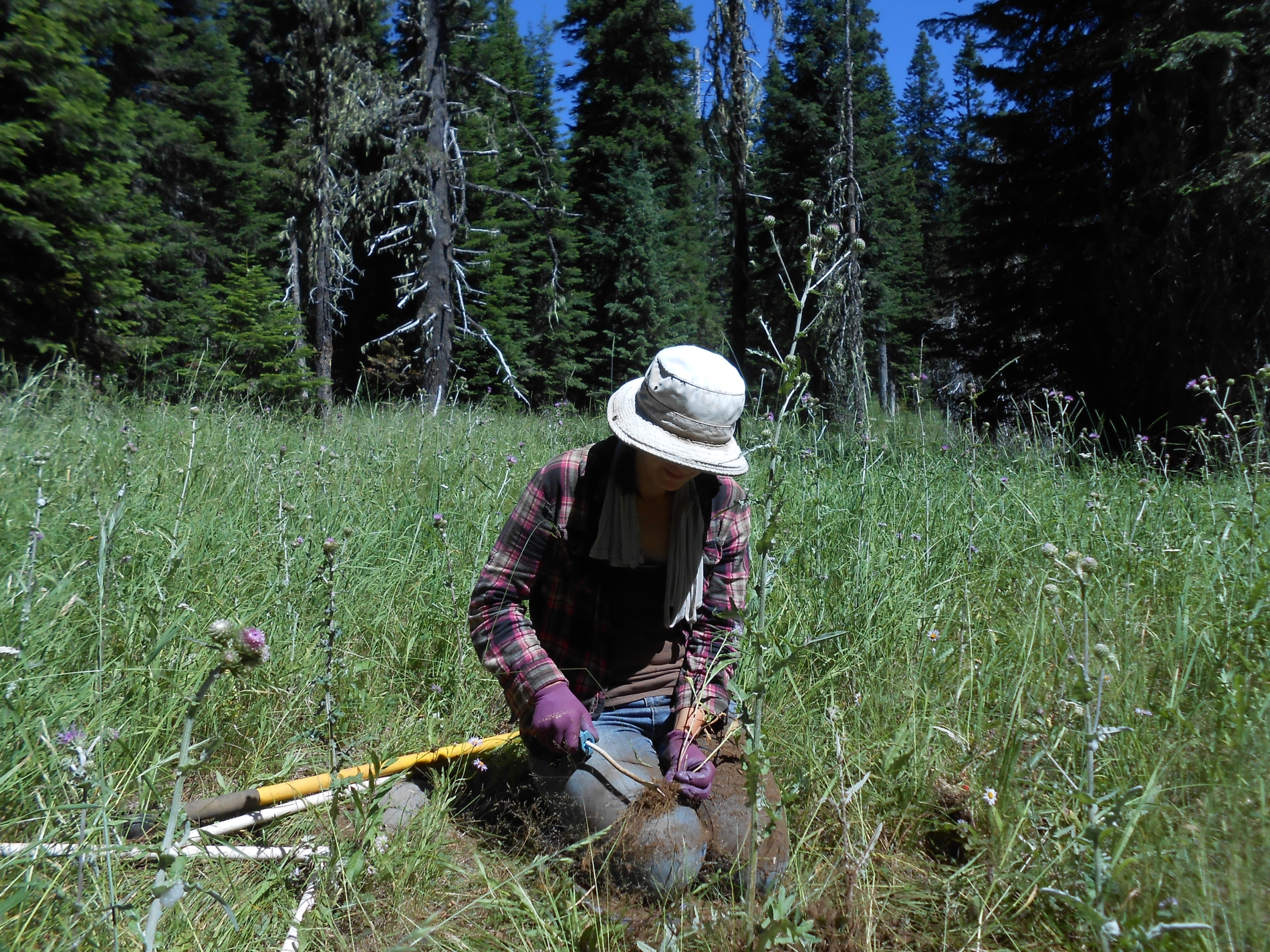
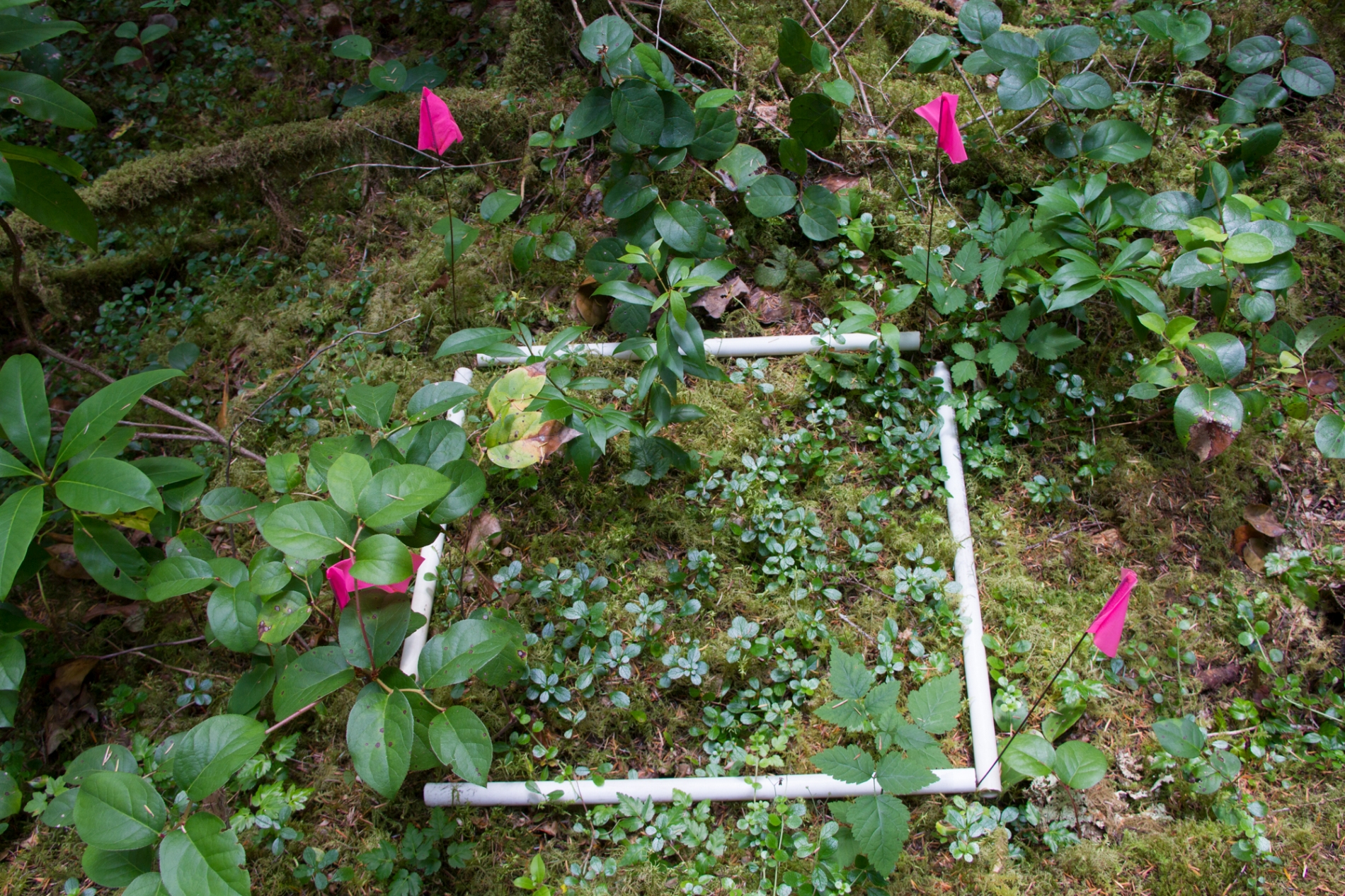
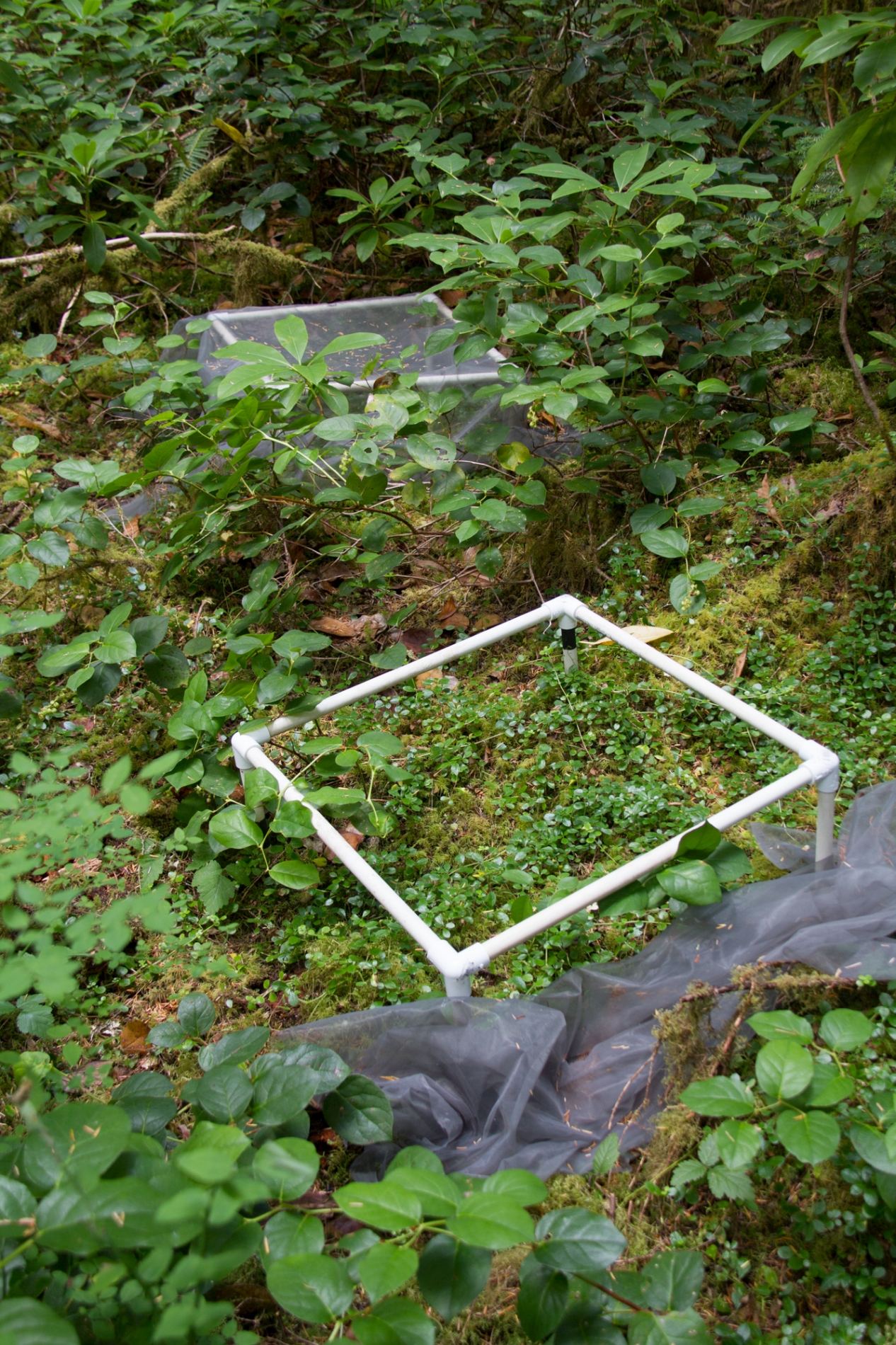
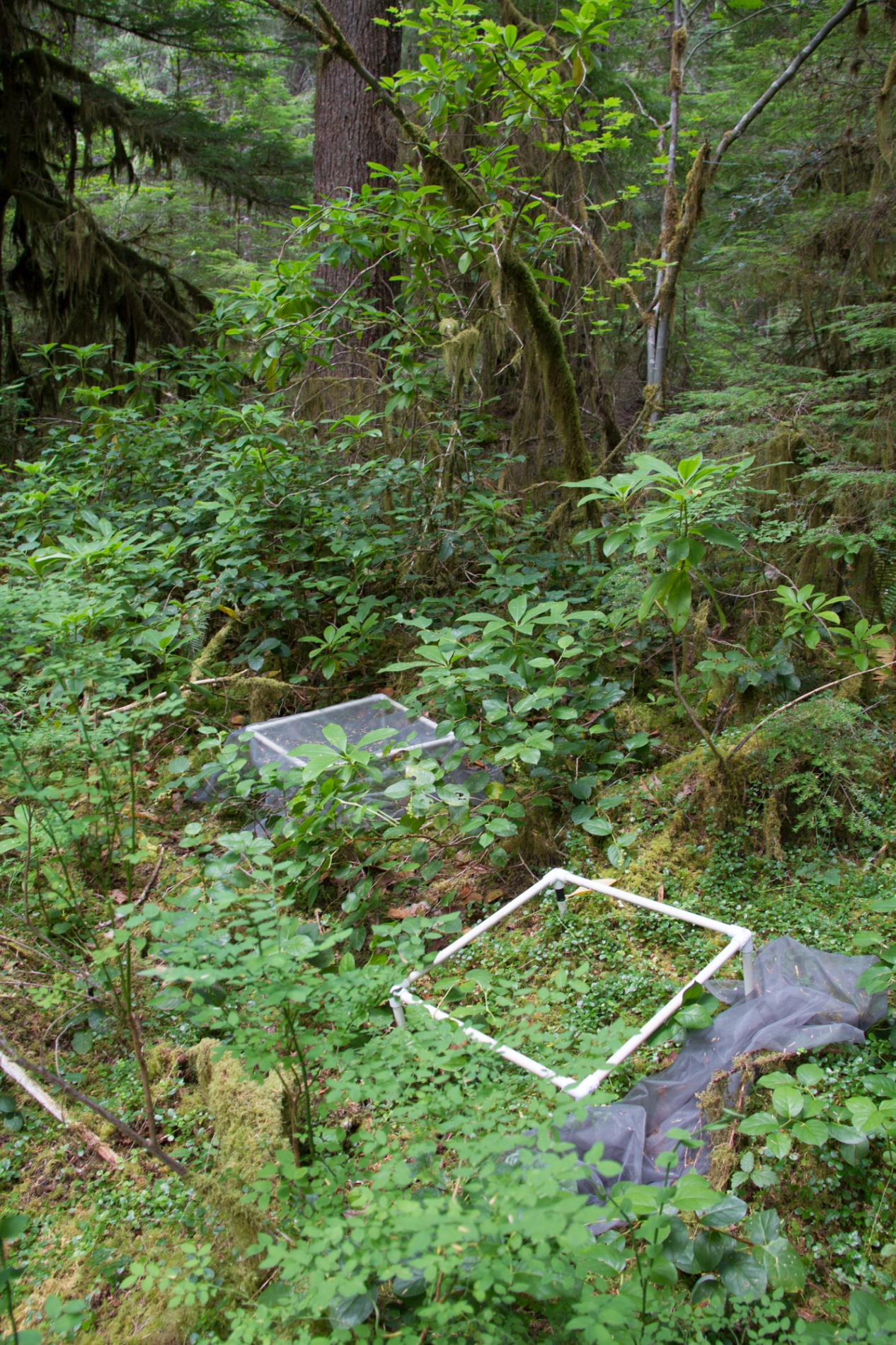
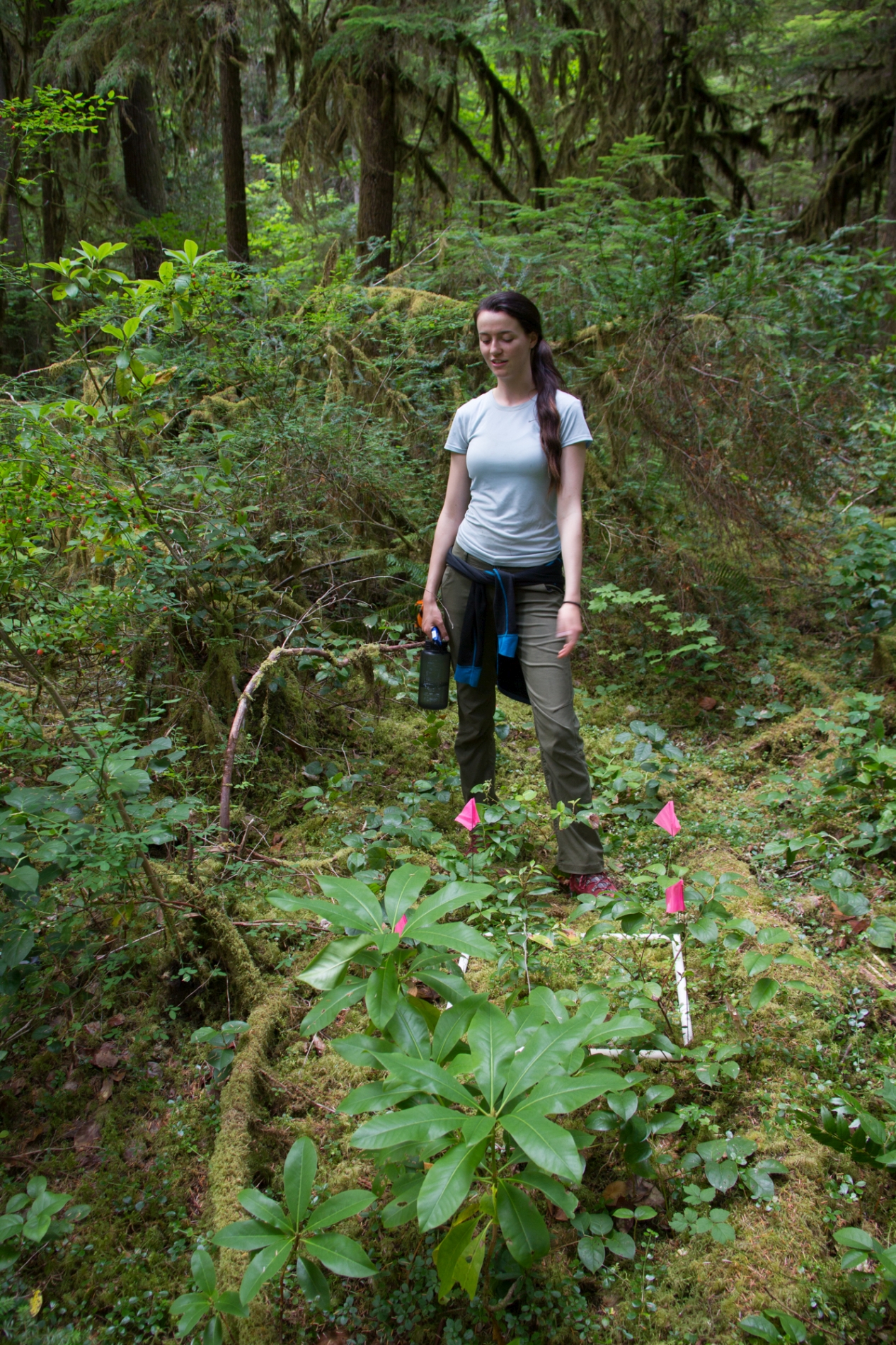
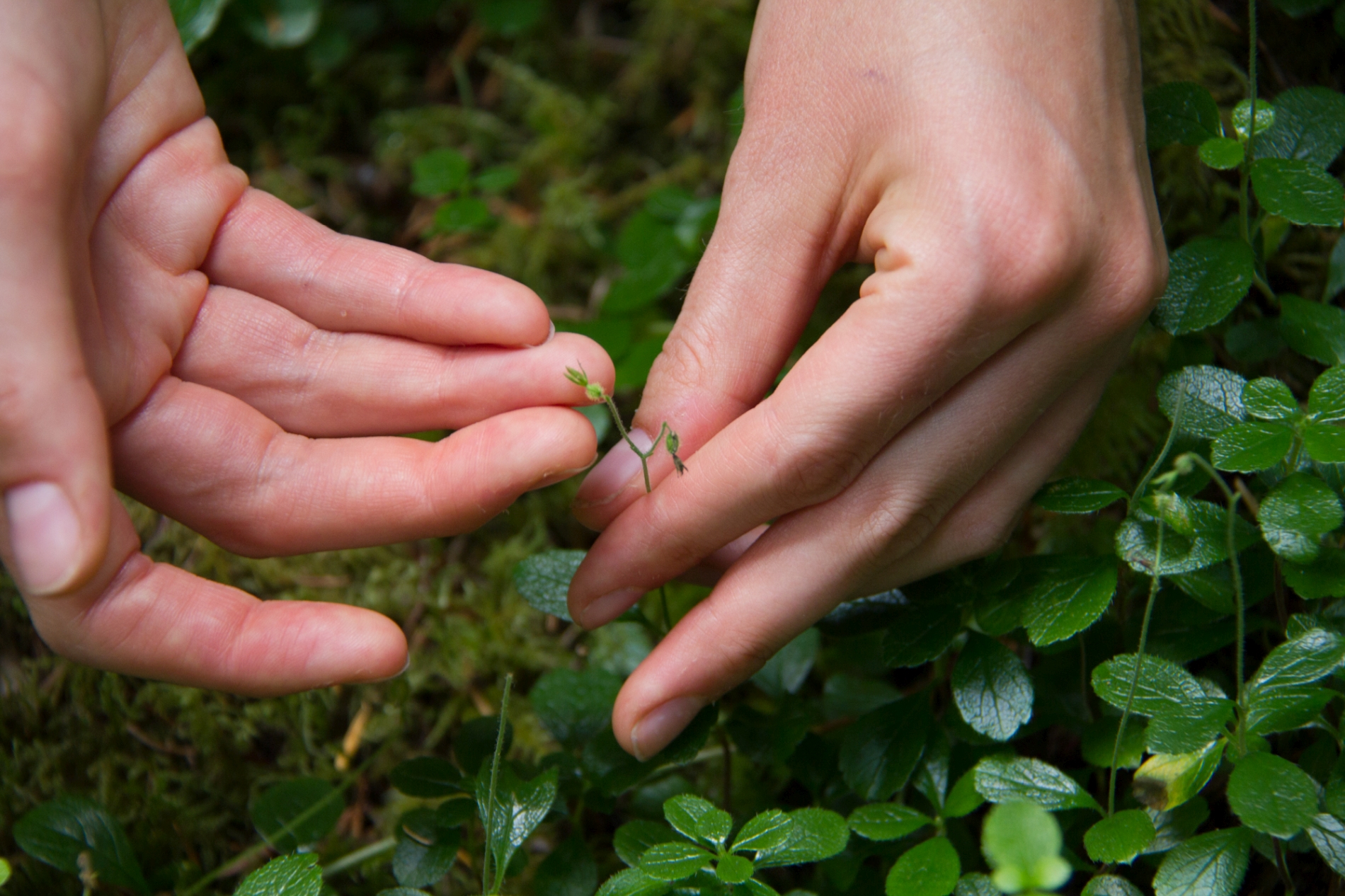
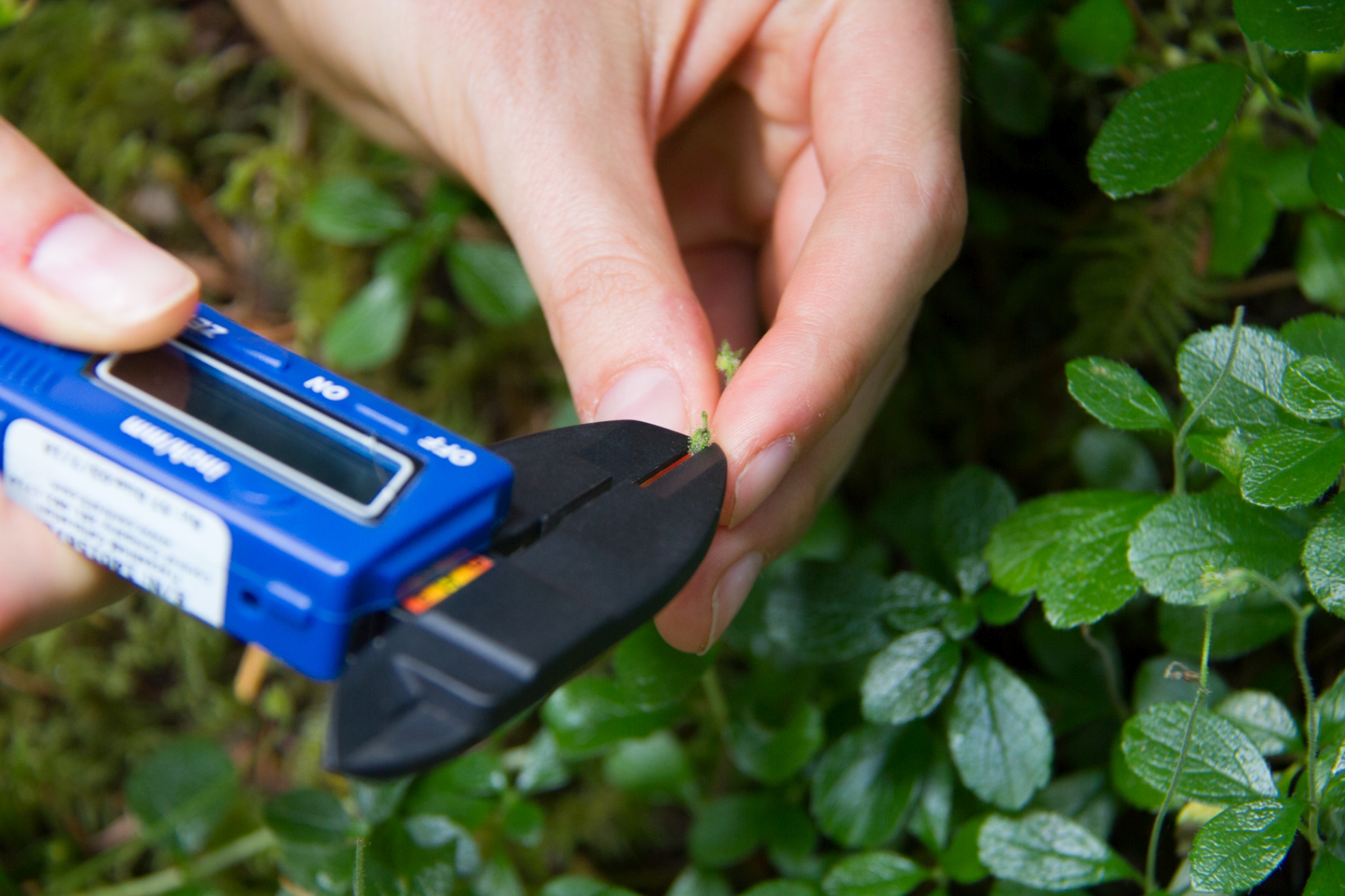
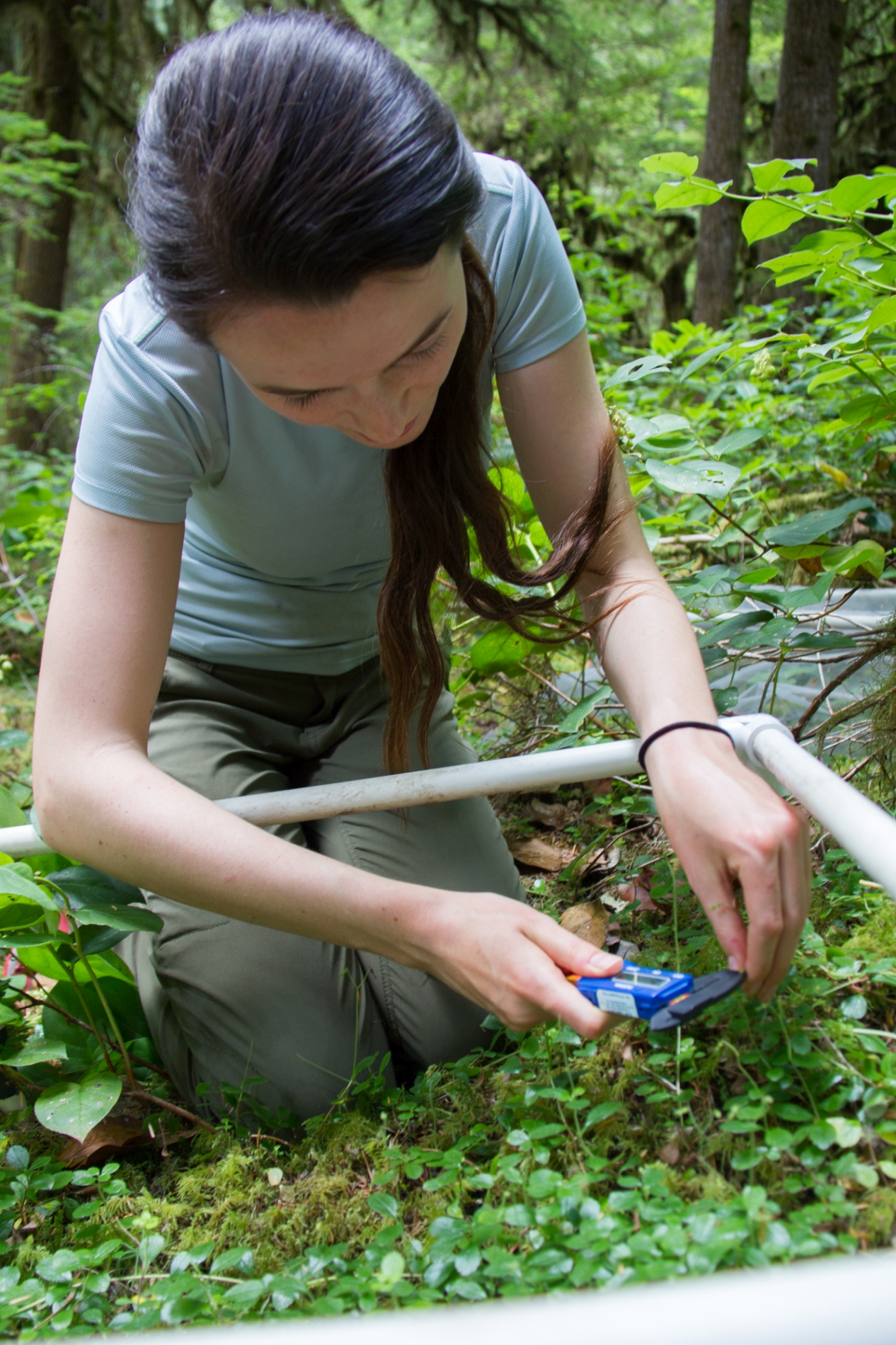
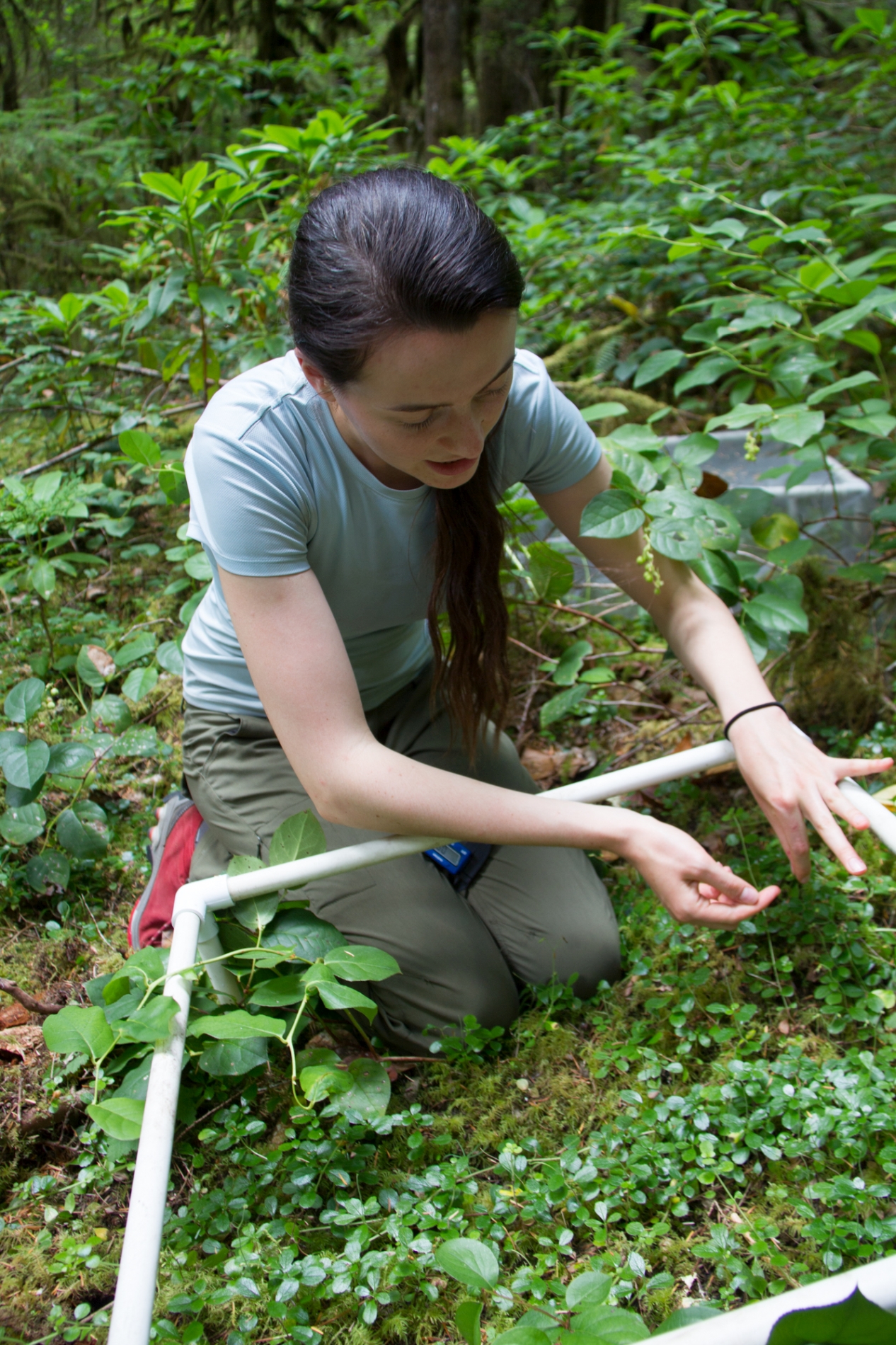
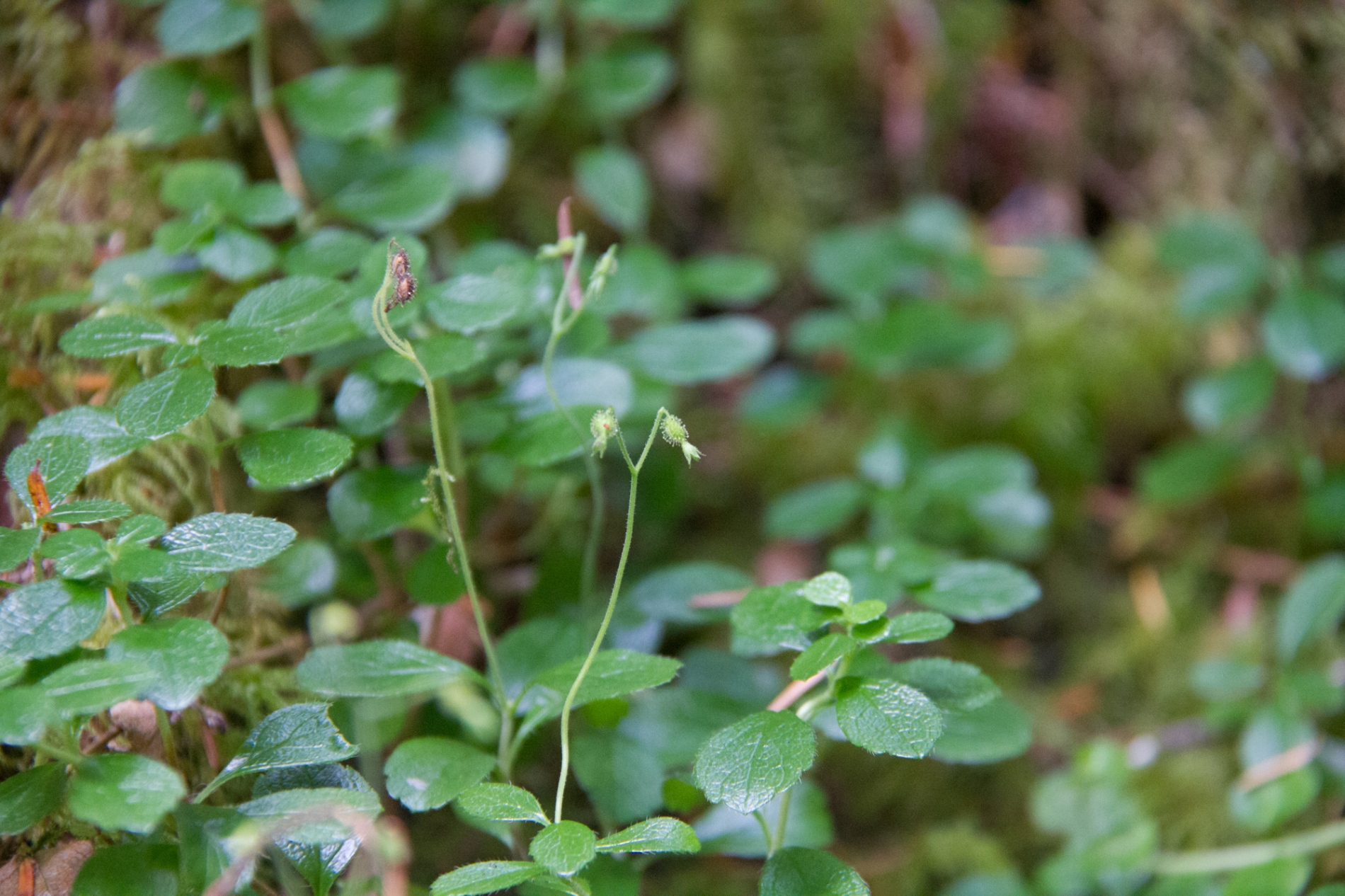
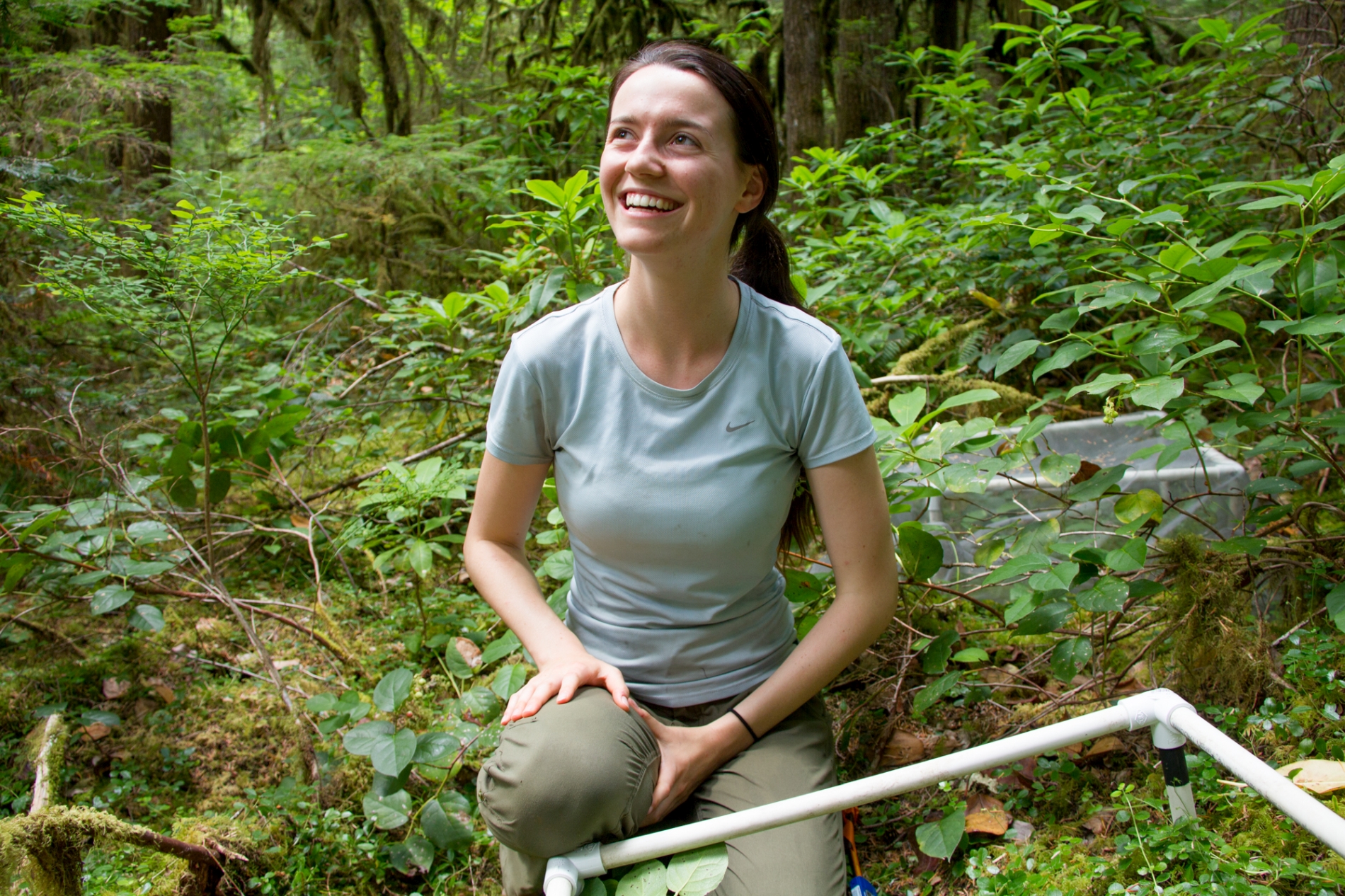
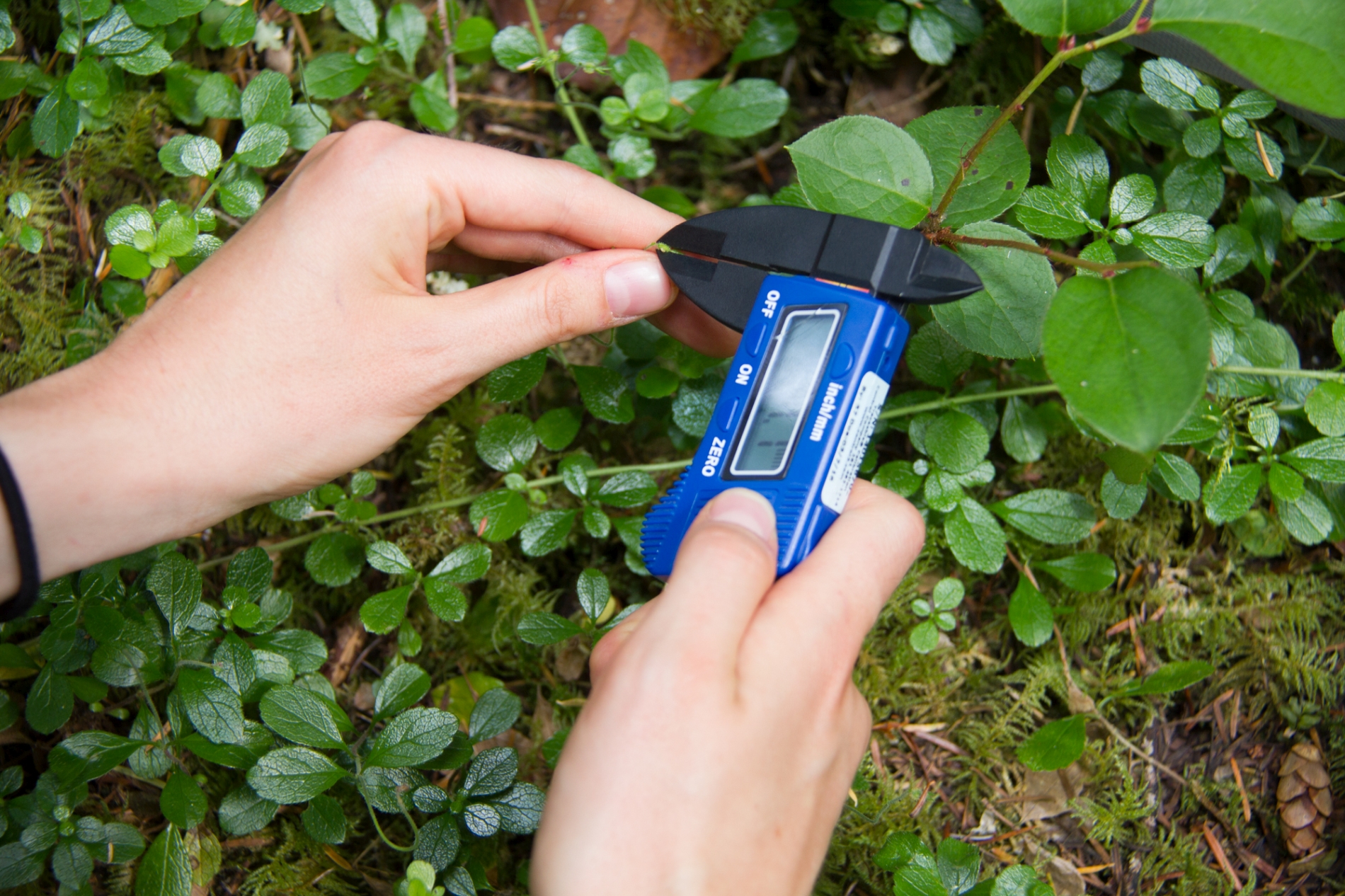
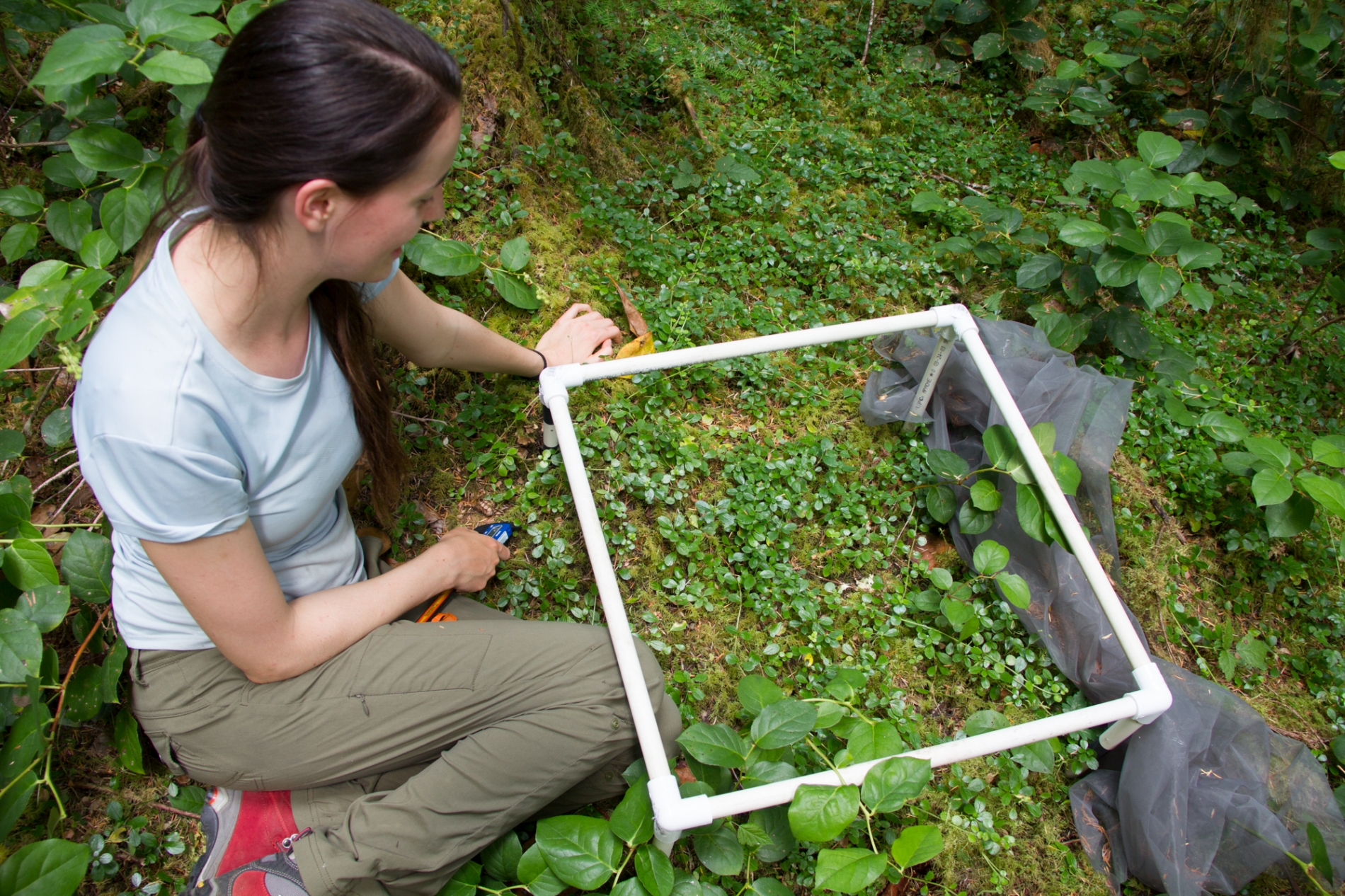
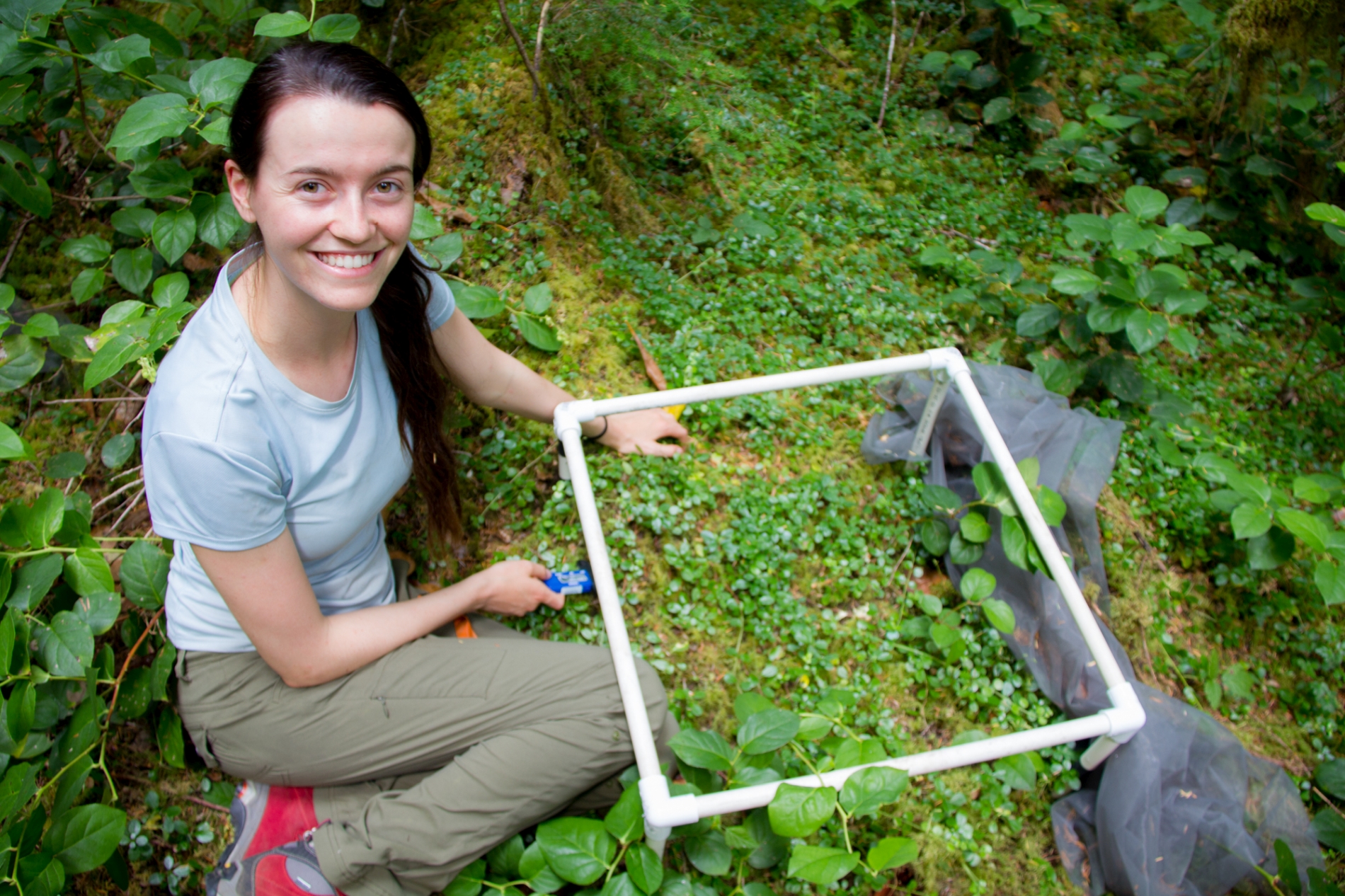
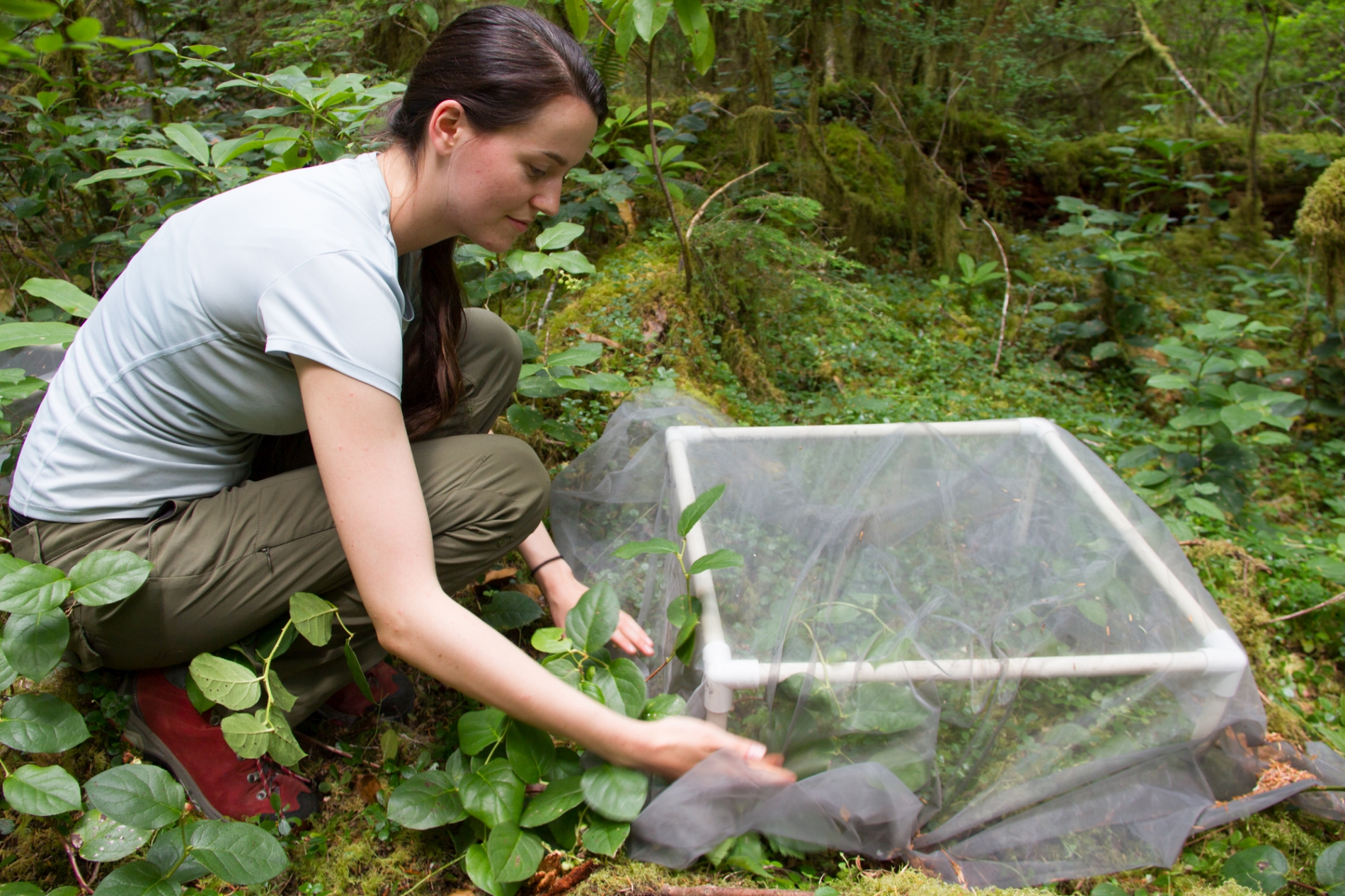
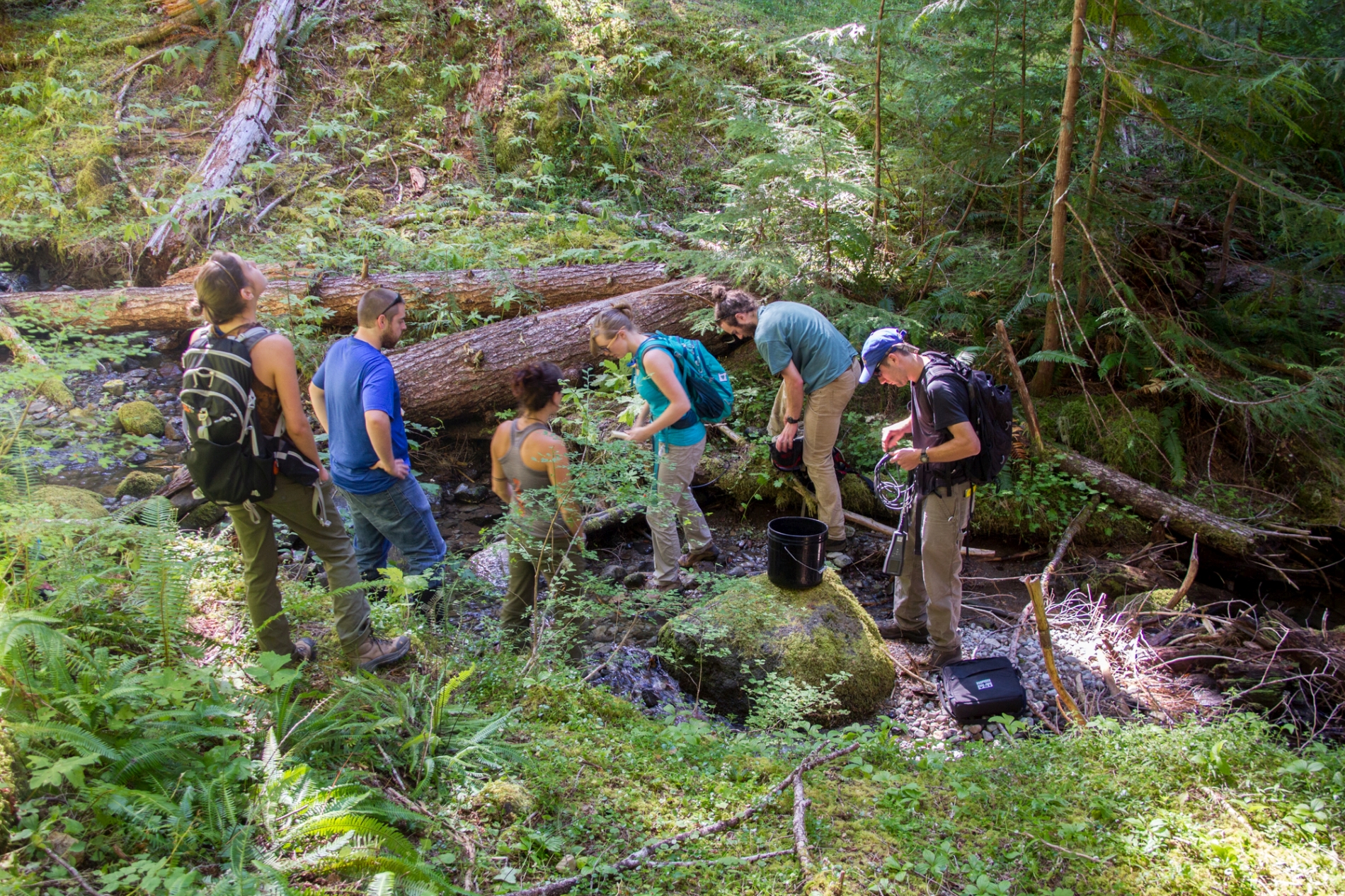
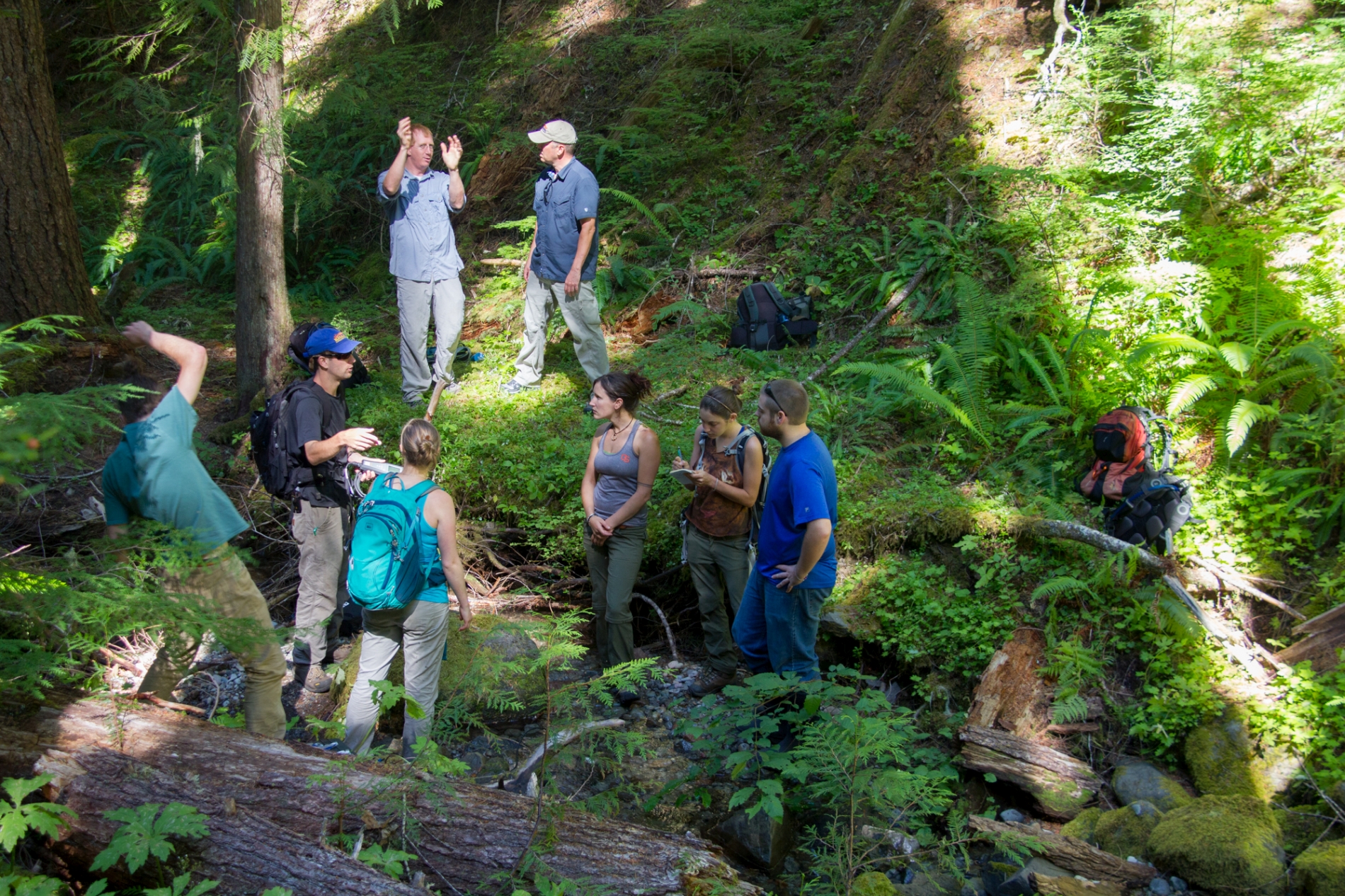
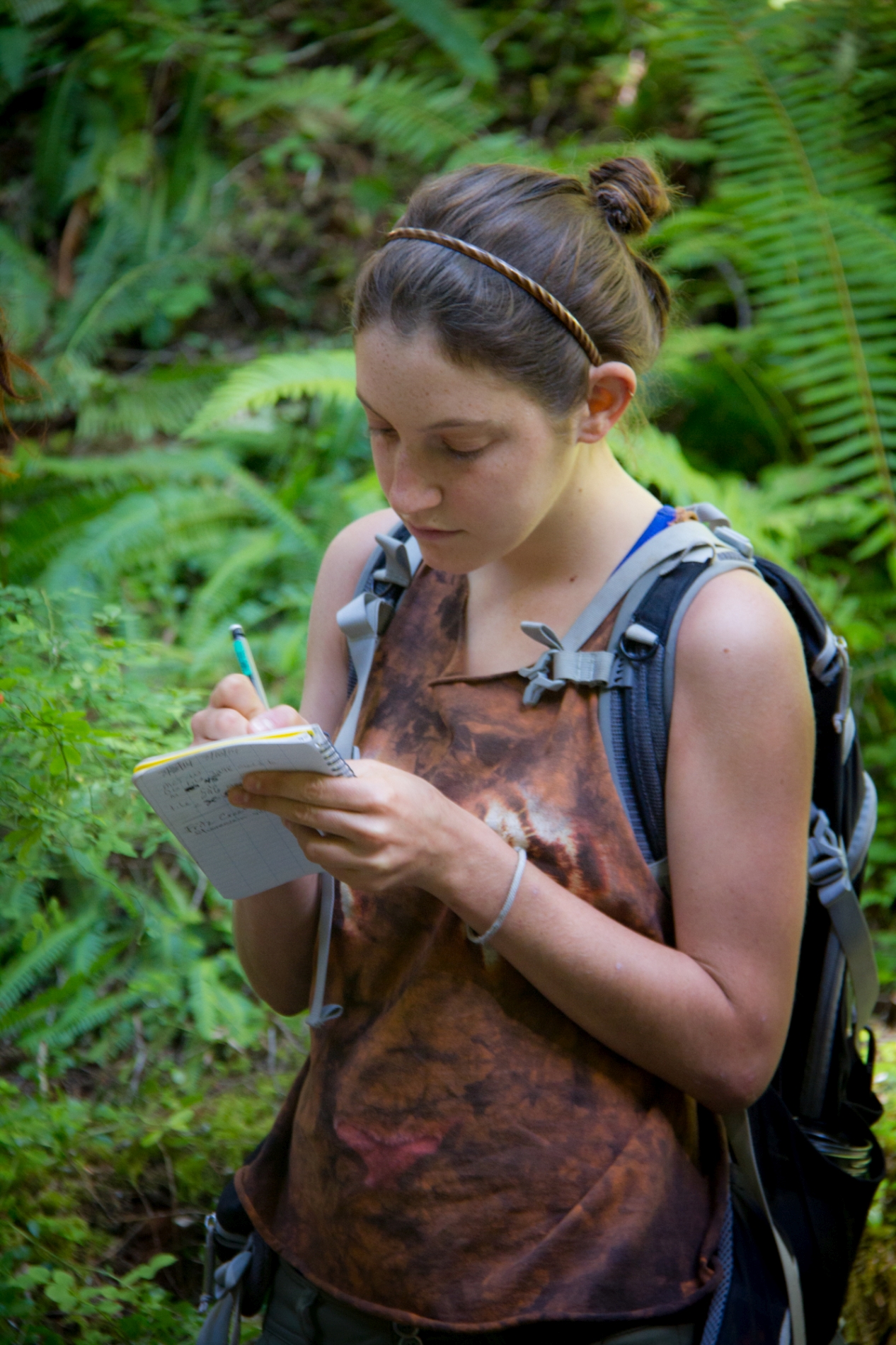
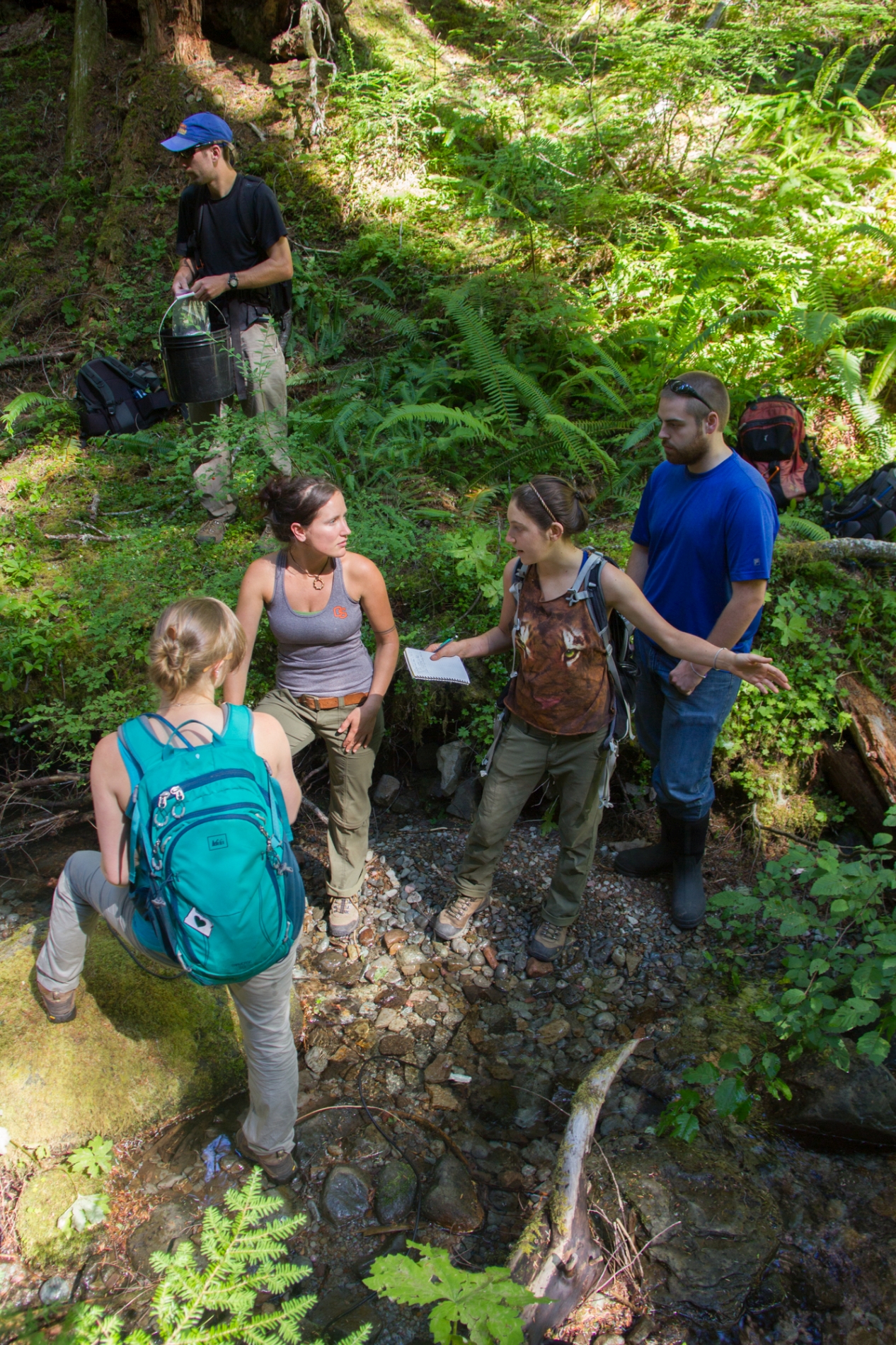
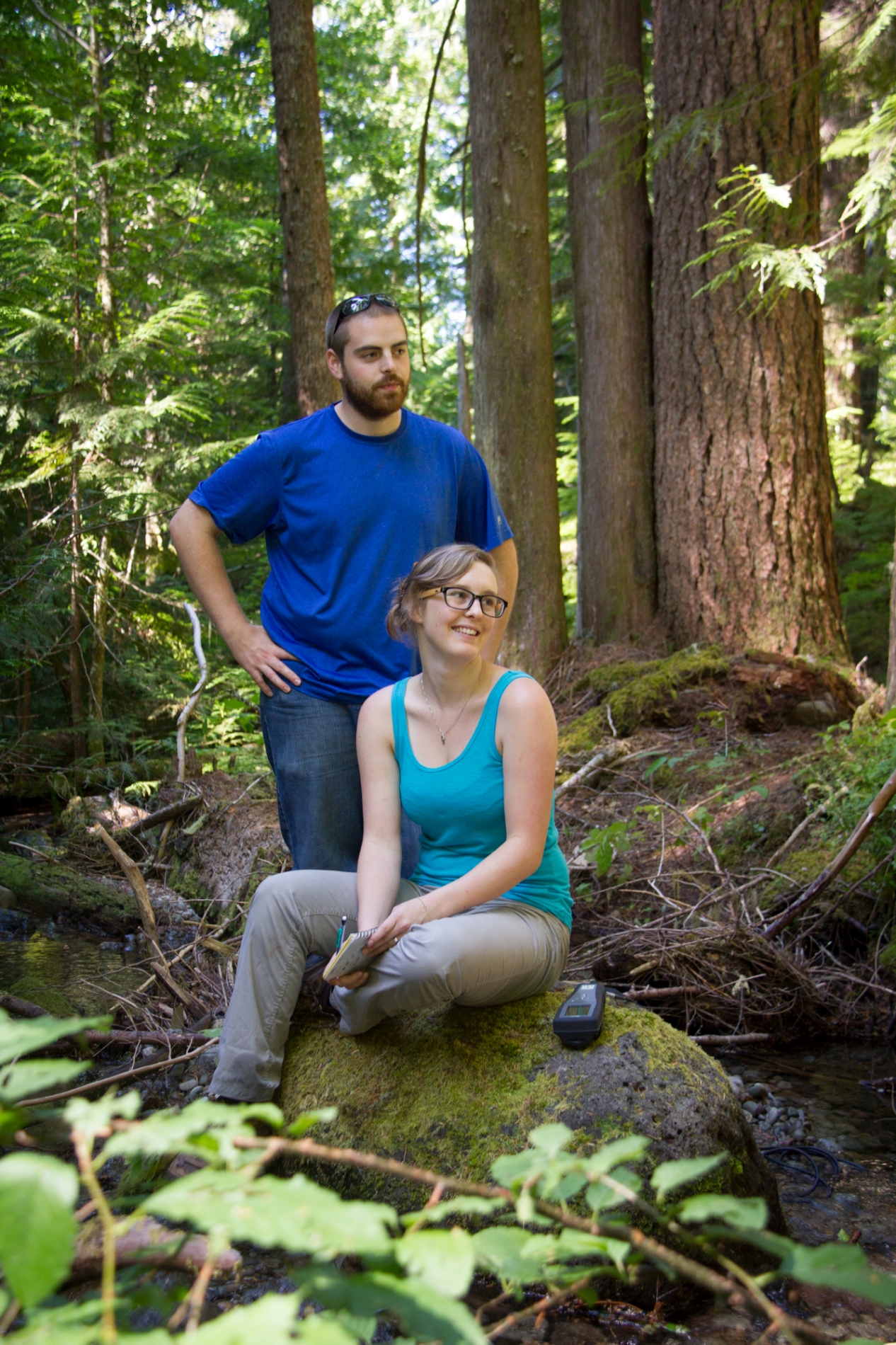
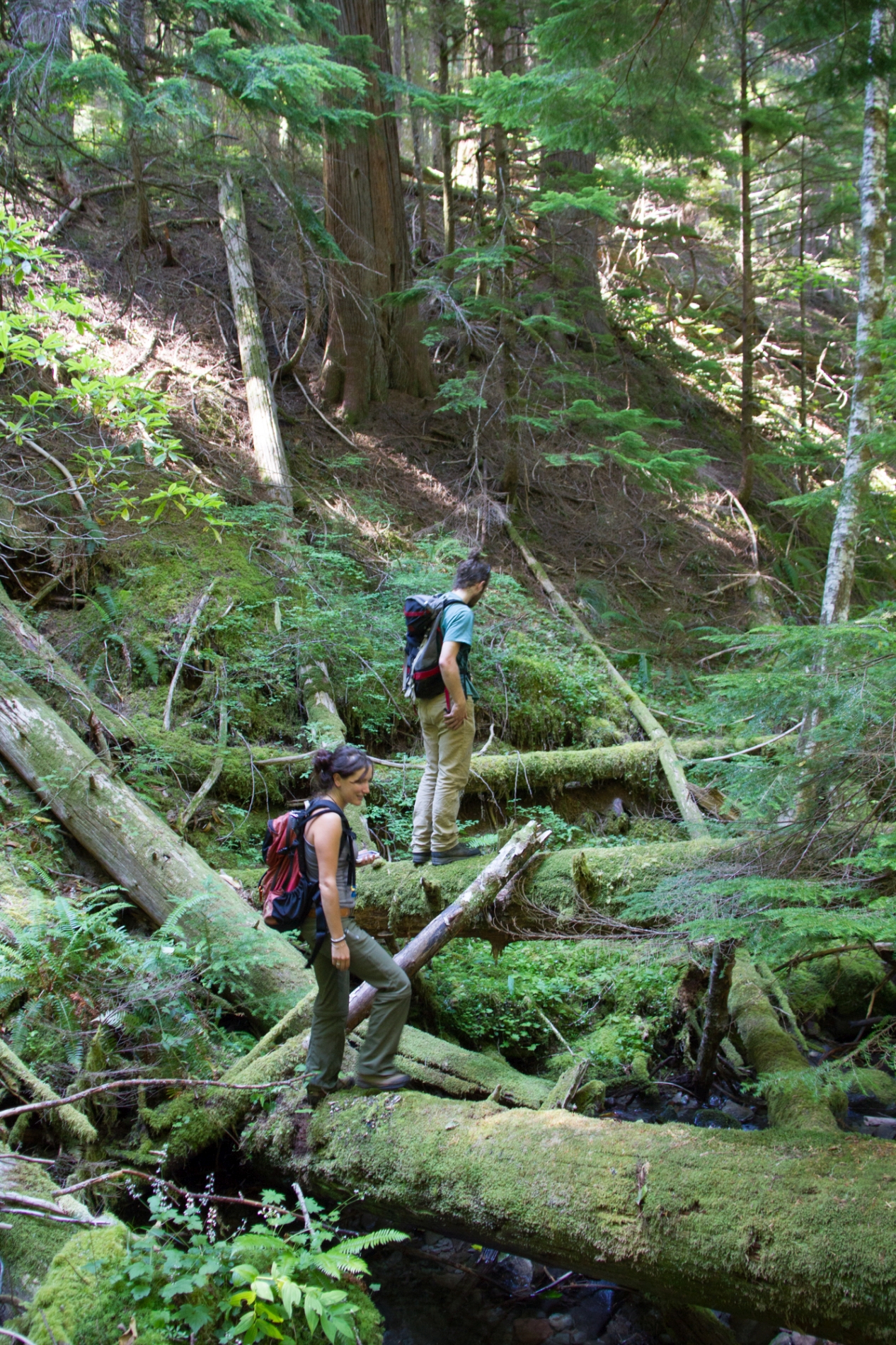
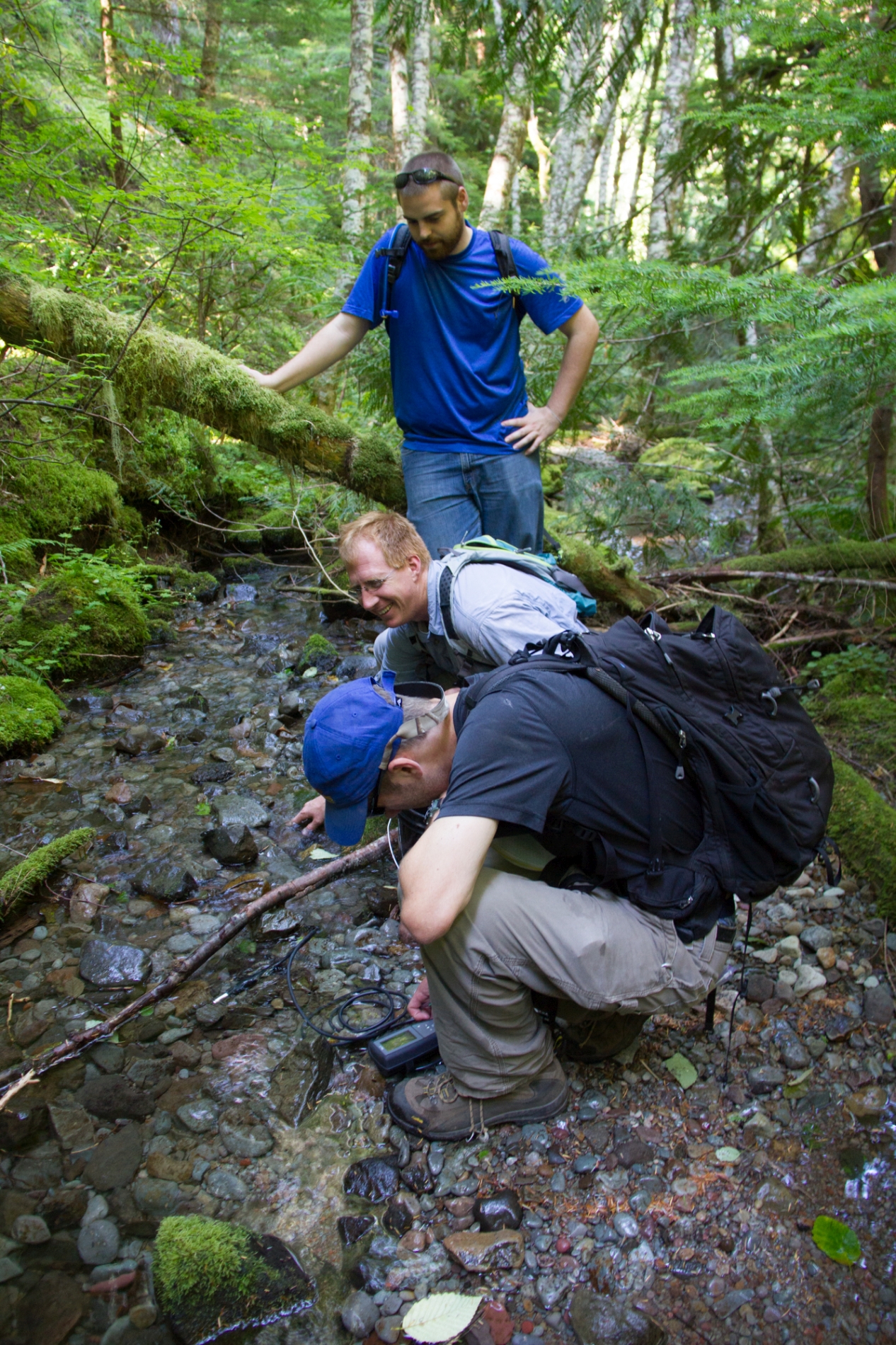
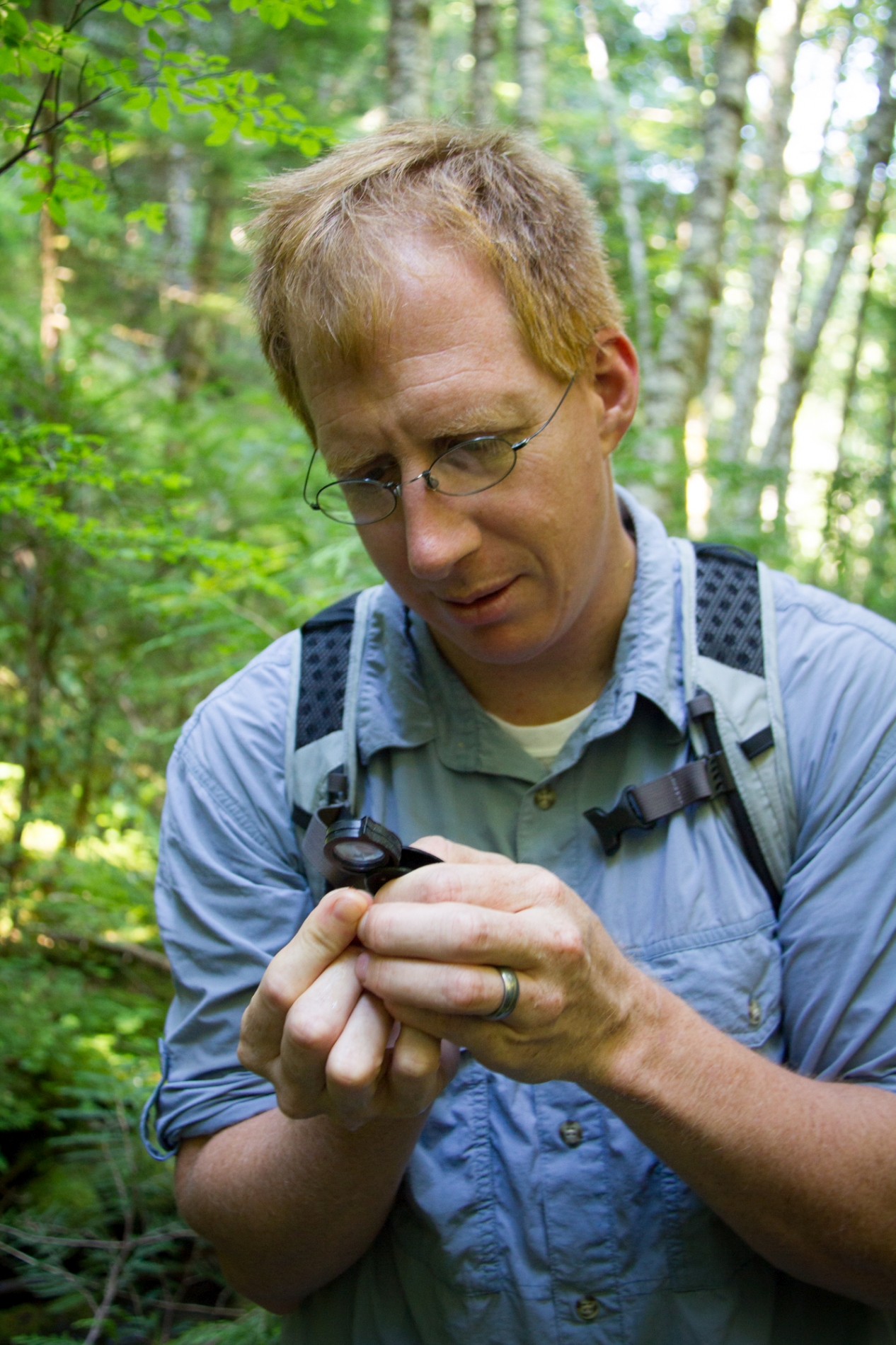
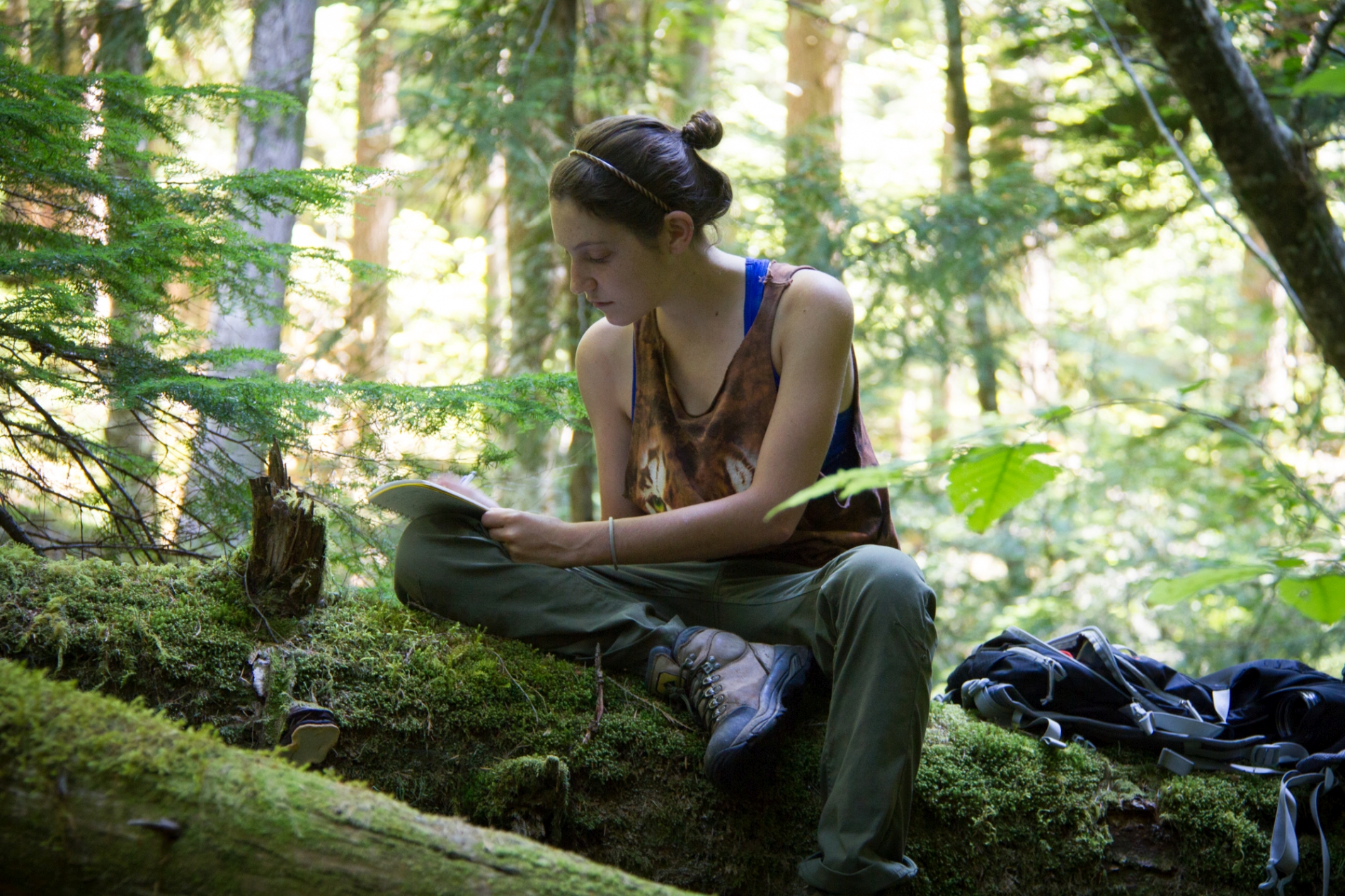
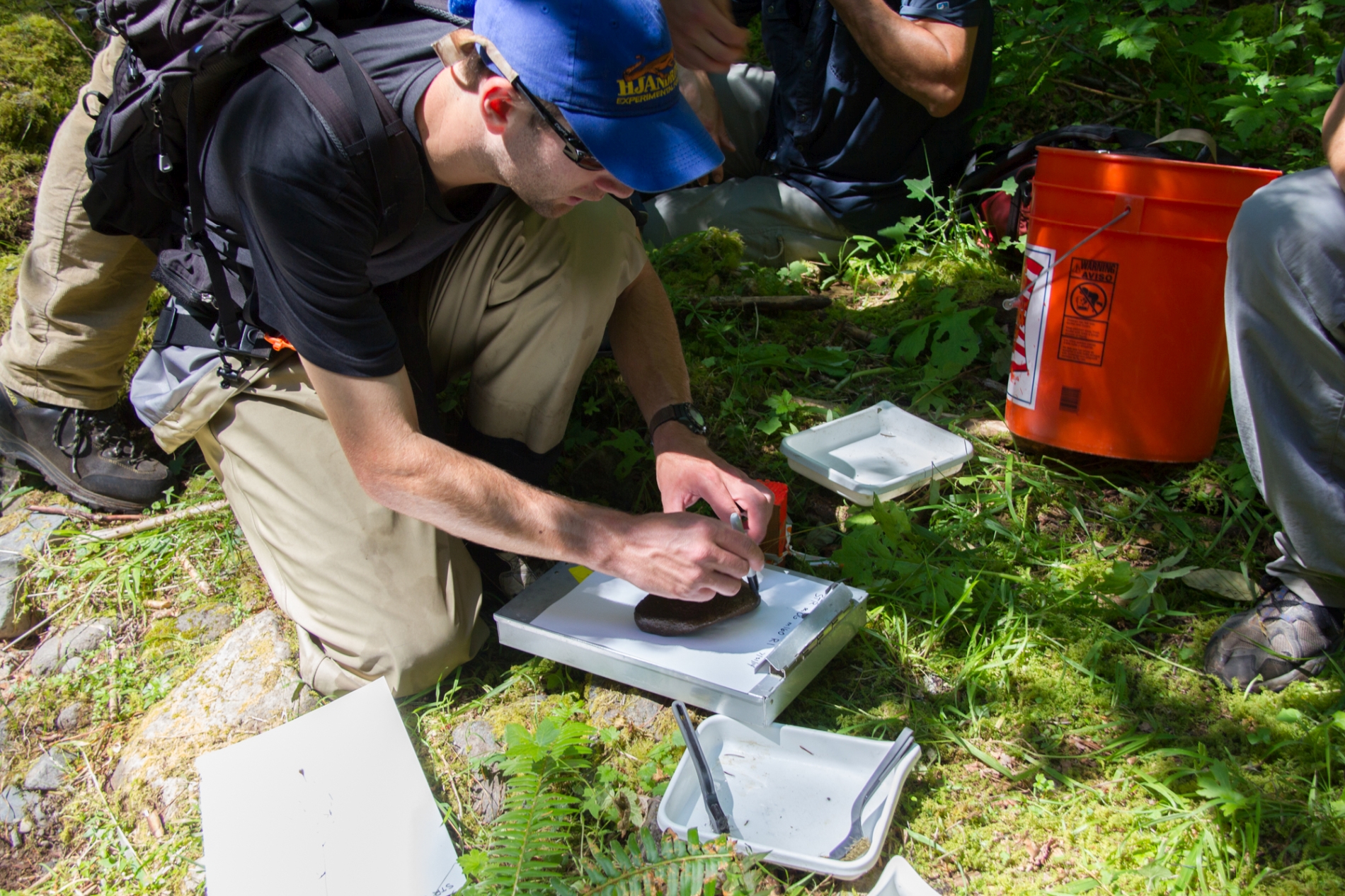
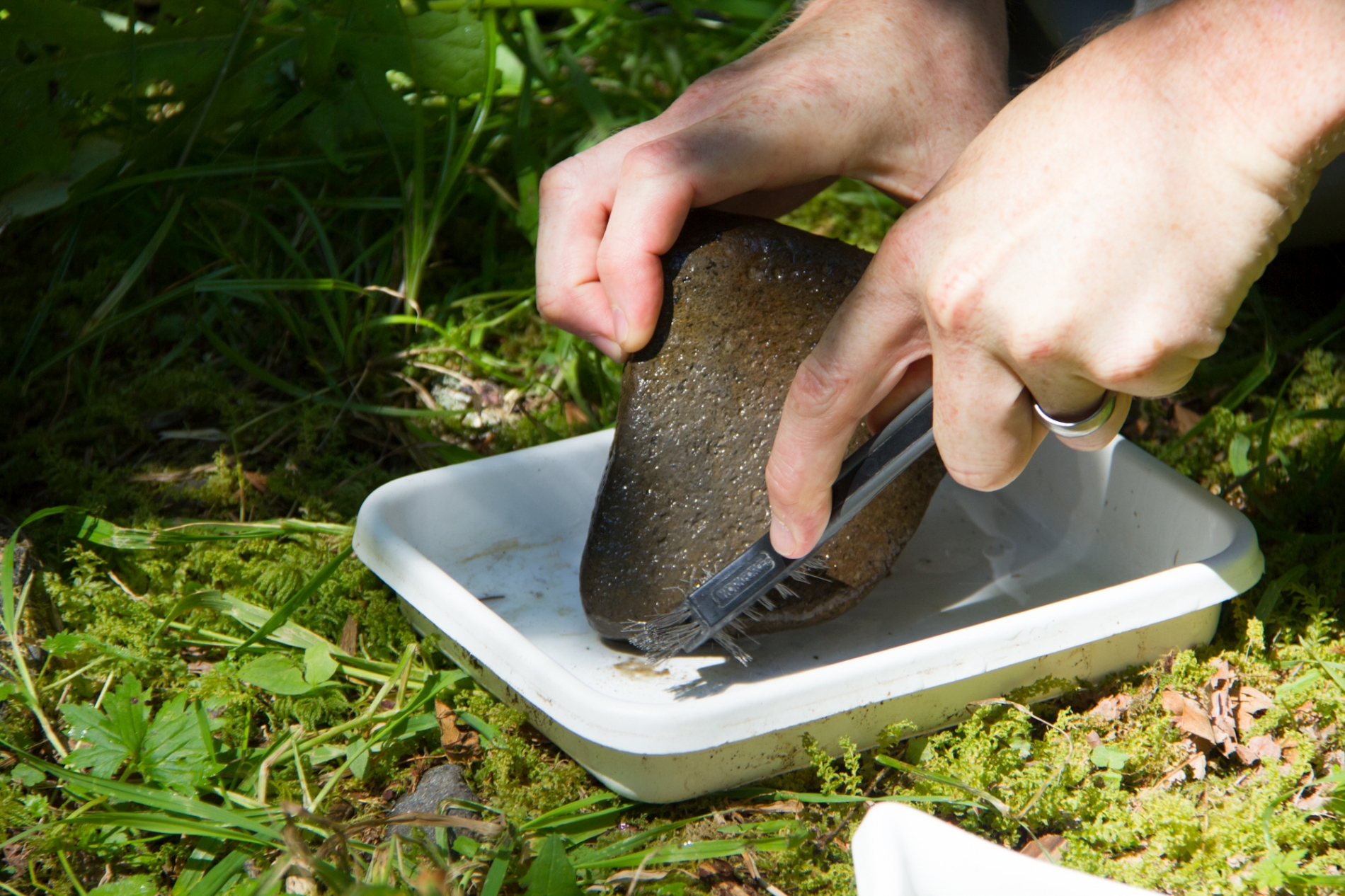
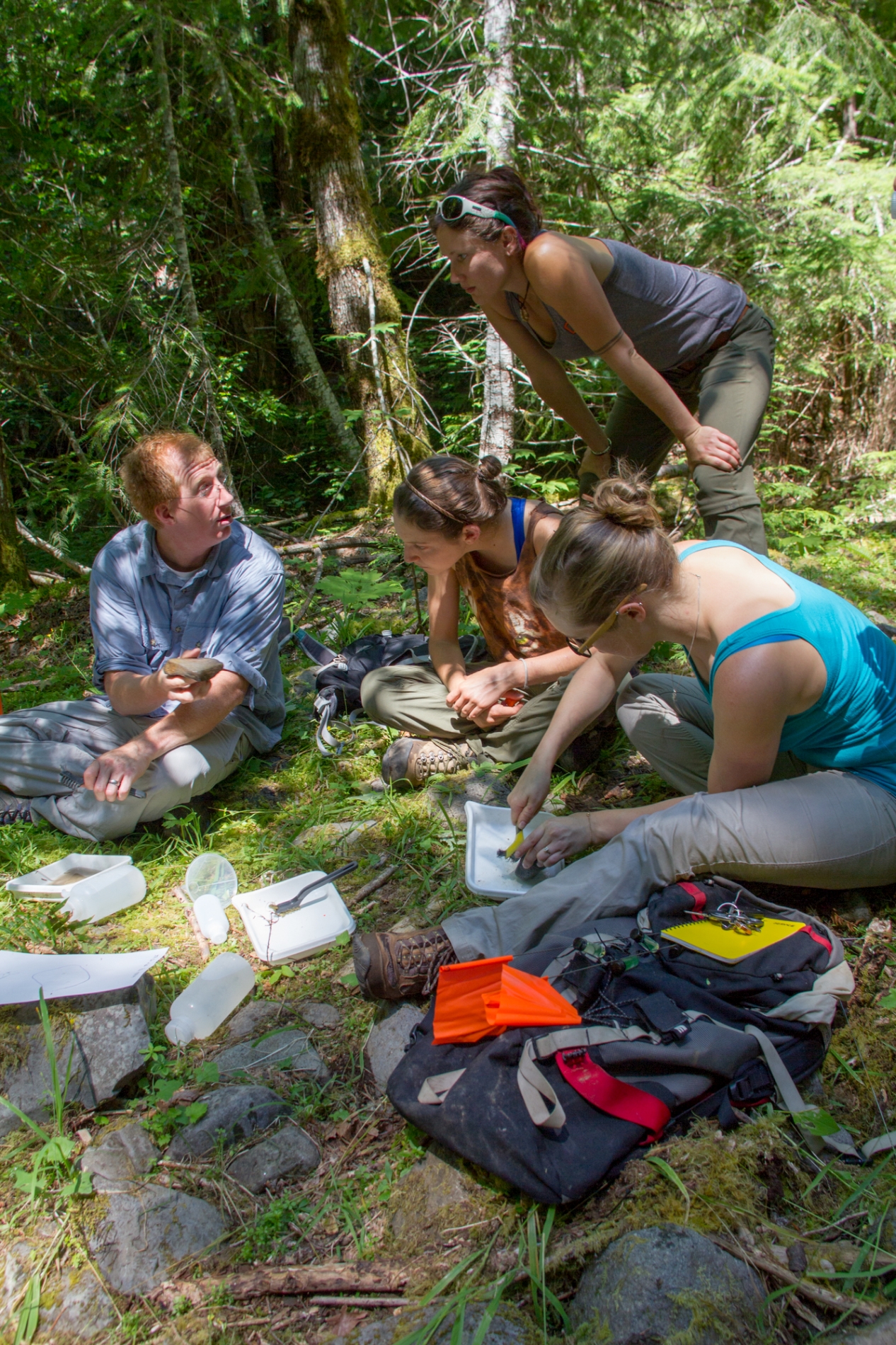
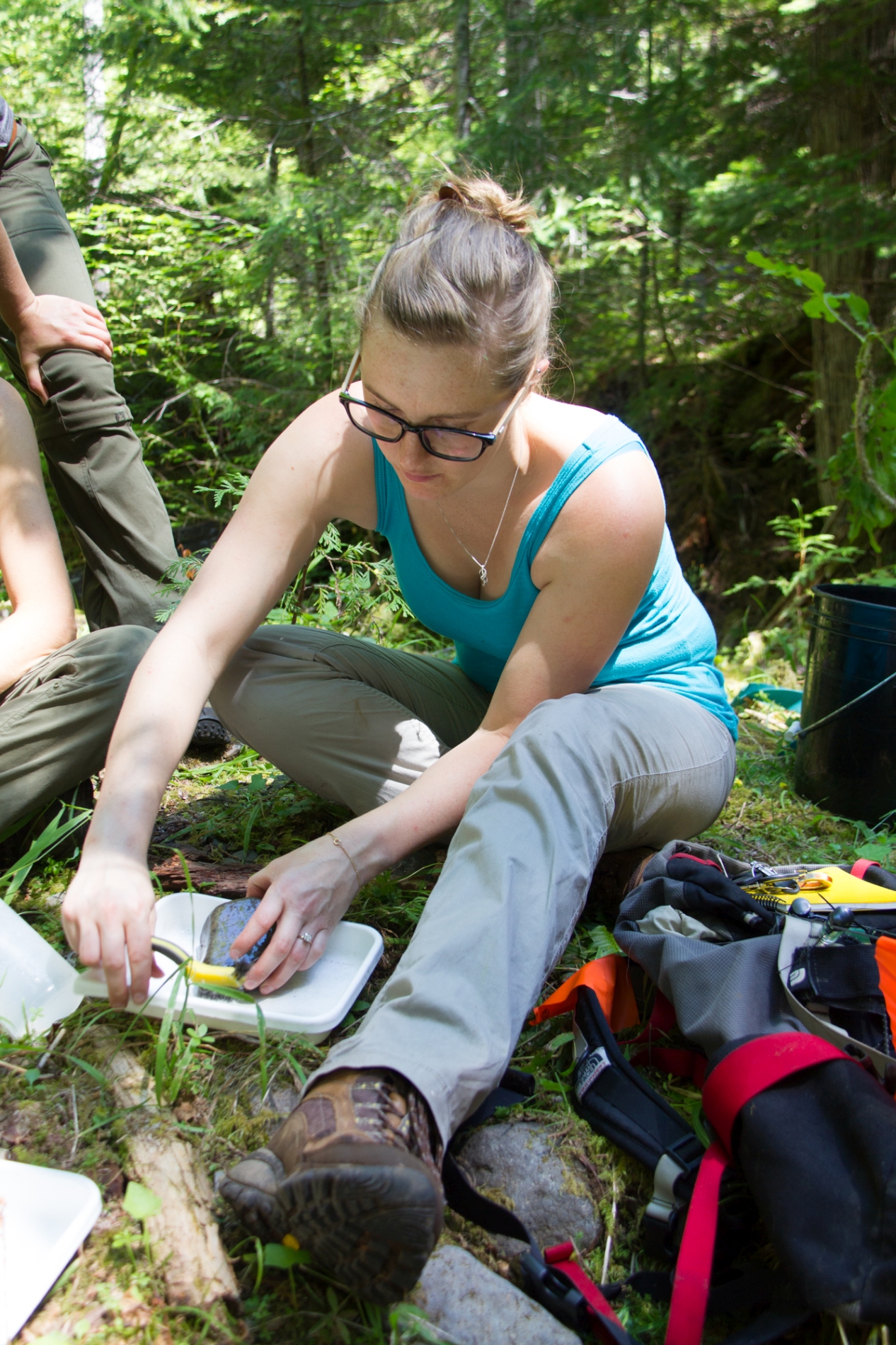
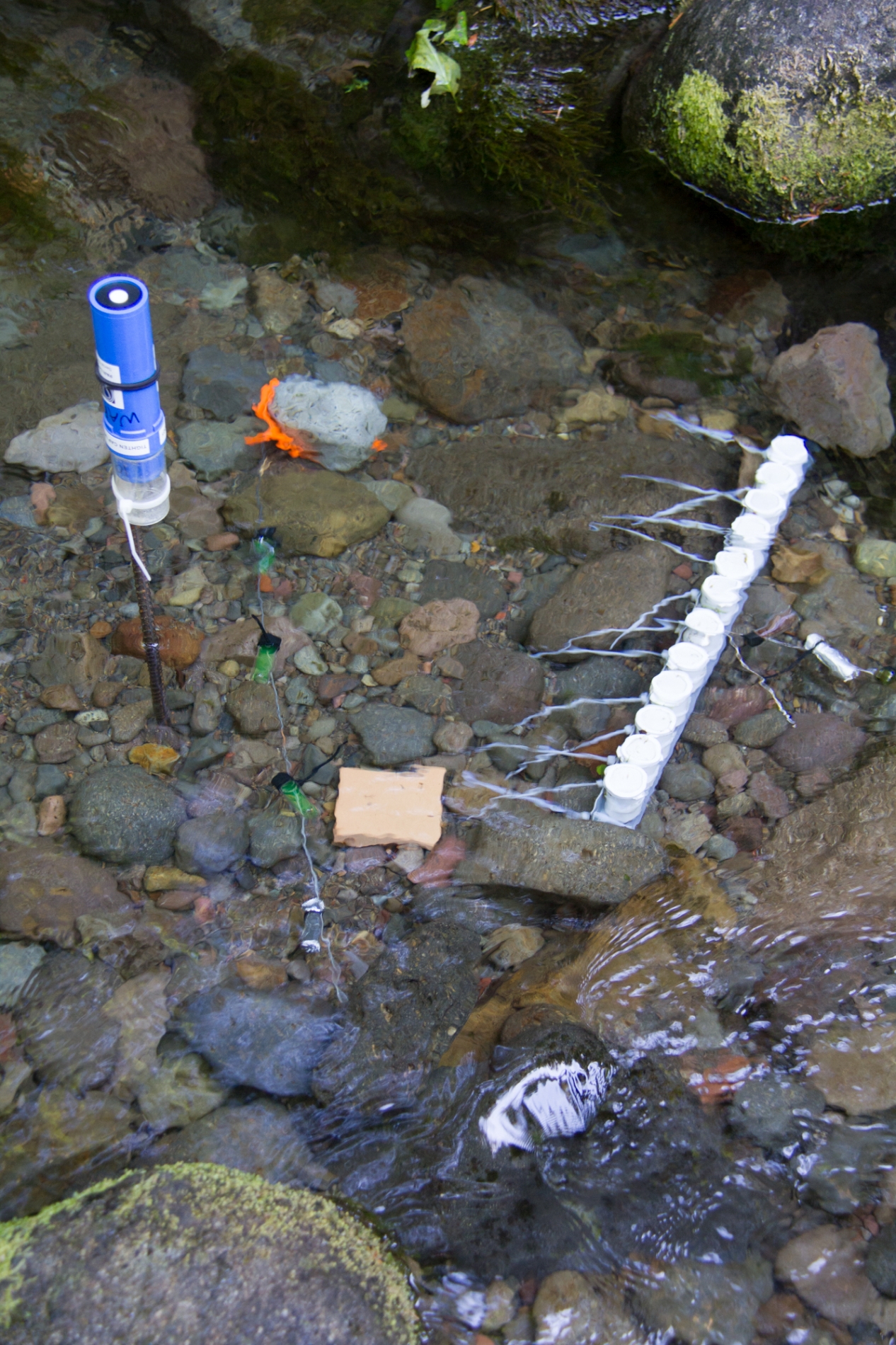
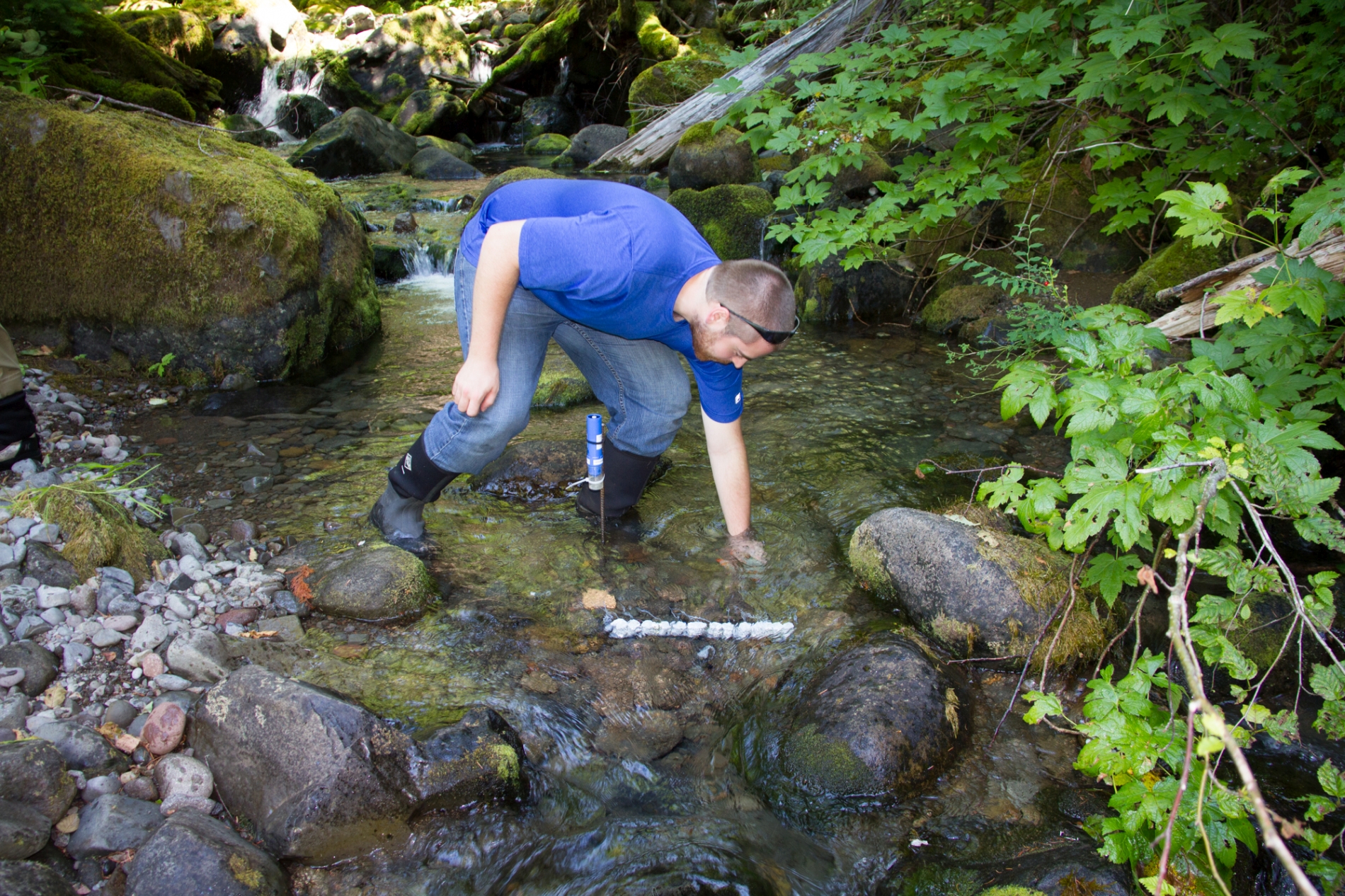
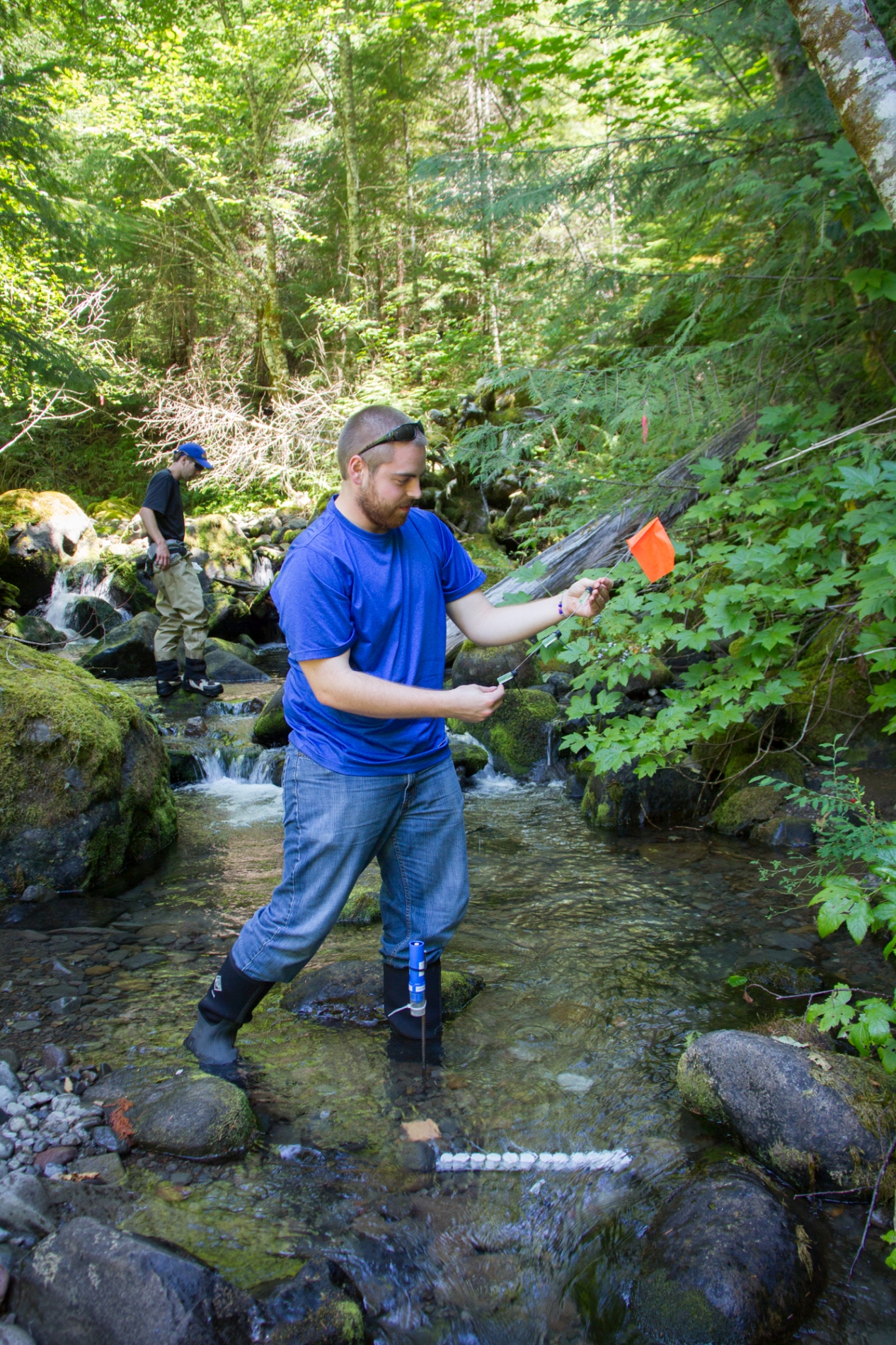
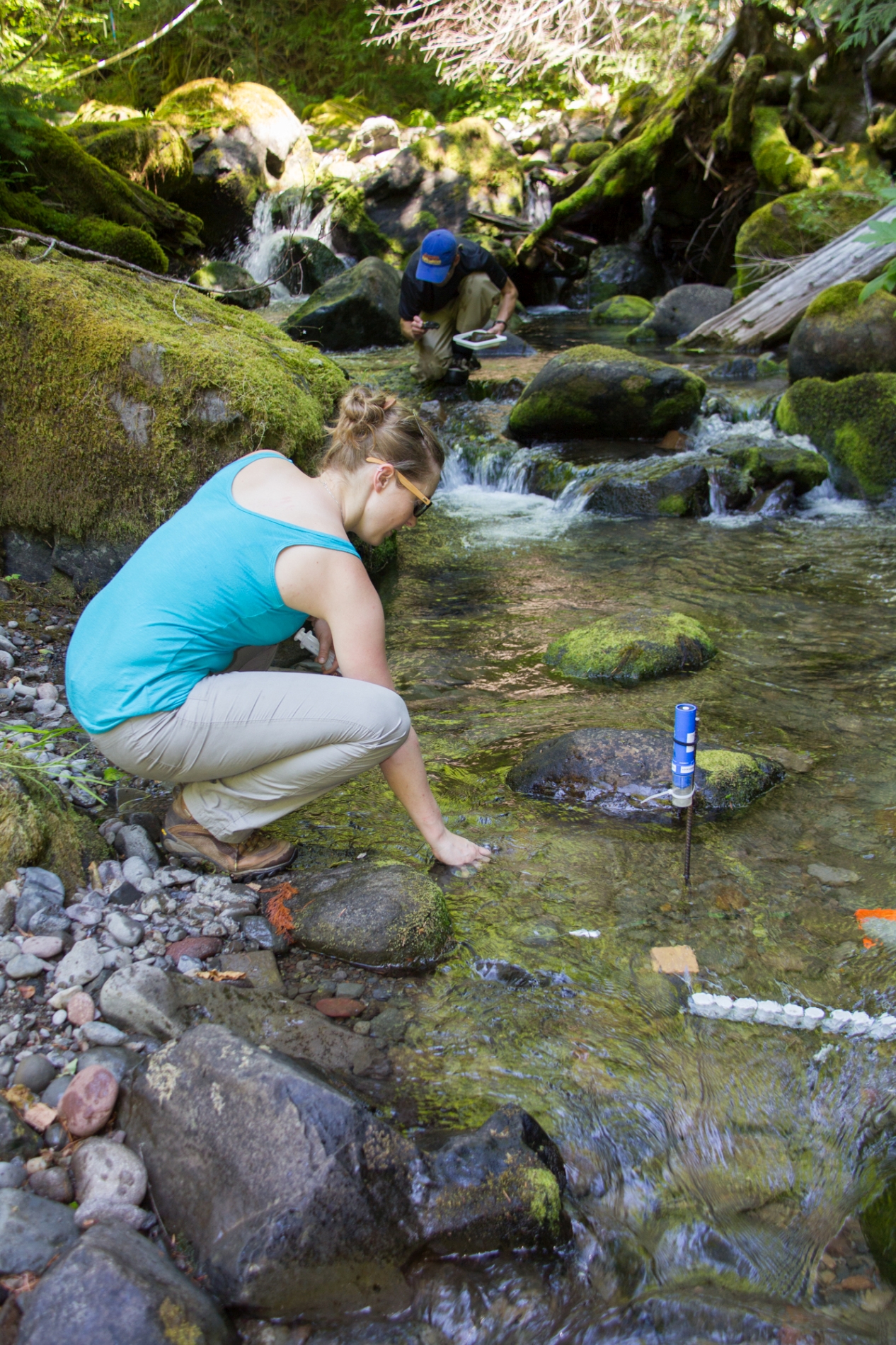
Phenology is study of the timing of biological events in nature, like plants budding, flowers blooming, birds migrating, or insects emerging, and how these events relate to seasonal and climatic changes. Plant and invertebrates phenologies are highly temperature dependent. Phenologies of terrestrial plants and invertebrates would therefore likely exhibit wide spatial and temporal variation across the landscape in response to temperature variation associated with elevational differences, cold air drainages patterns, and temperature inversions. For the invertebrate part of this study, we examined spring-time (April through June) flying (terrestrial and adult aquatic) insect activity and adult aquatic insect emergence across a range of sites in the HJ Andrews Experimental Forest. The vegetation phenology study sites were selected to capture the variation in elevation and topography across Lookout Creek watershed. Priority was given to sites with long-term air and soil temperature records (Reference stands) and previous phenology observations (Reference stands and stream gauging stations). Sixteen sites were established. At each site five individuals of from each 18 common species (if occurring within the site) from tree, shrub and herb layers were mapped and marked for observation. Weekly observations are conducted each year beginning in March or April depending on winter conditions and snowpack and continuing through June or July. Plant vegetative and reproductive phenophases are scored using a numbered system adapted to each plant species.
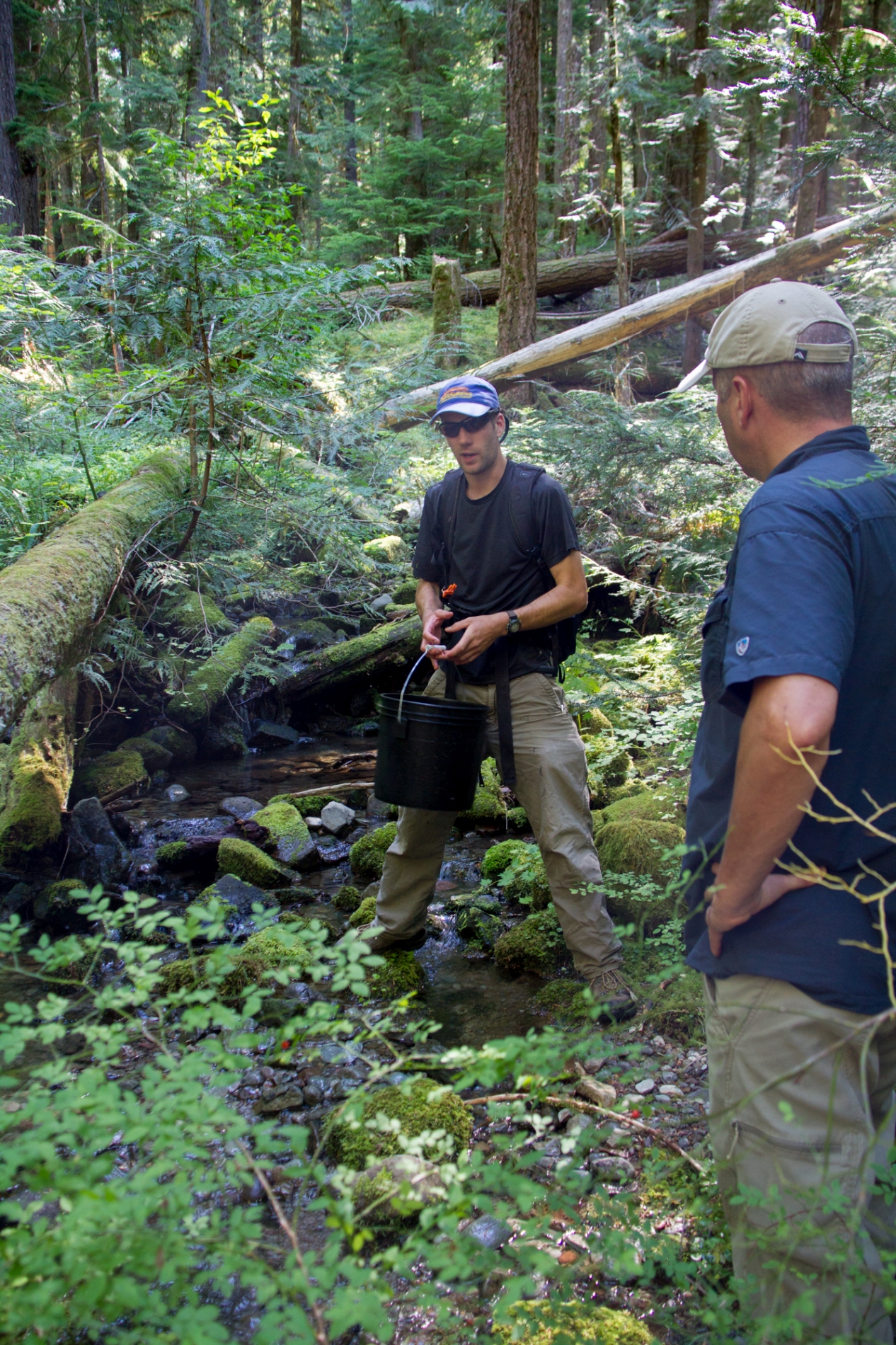
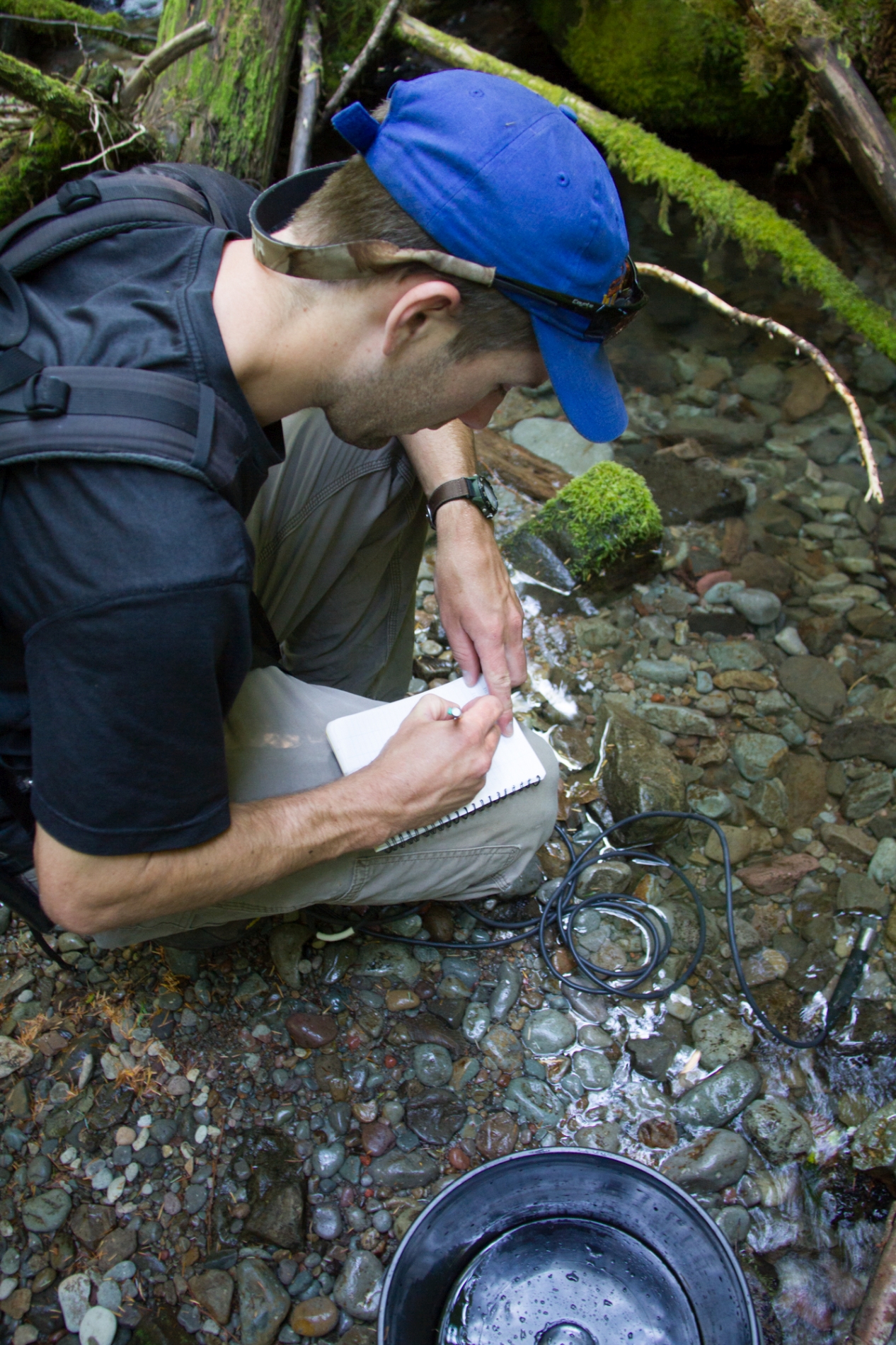
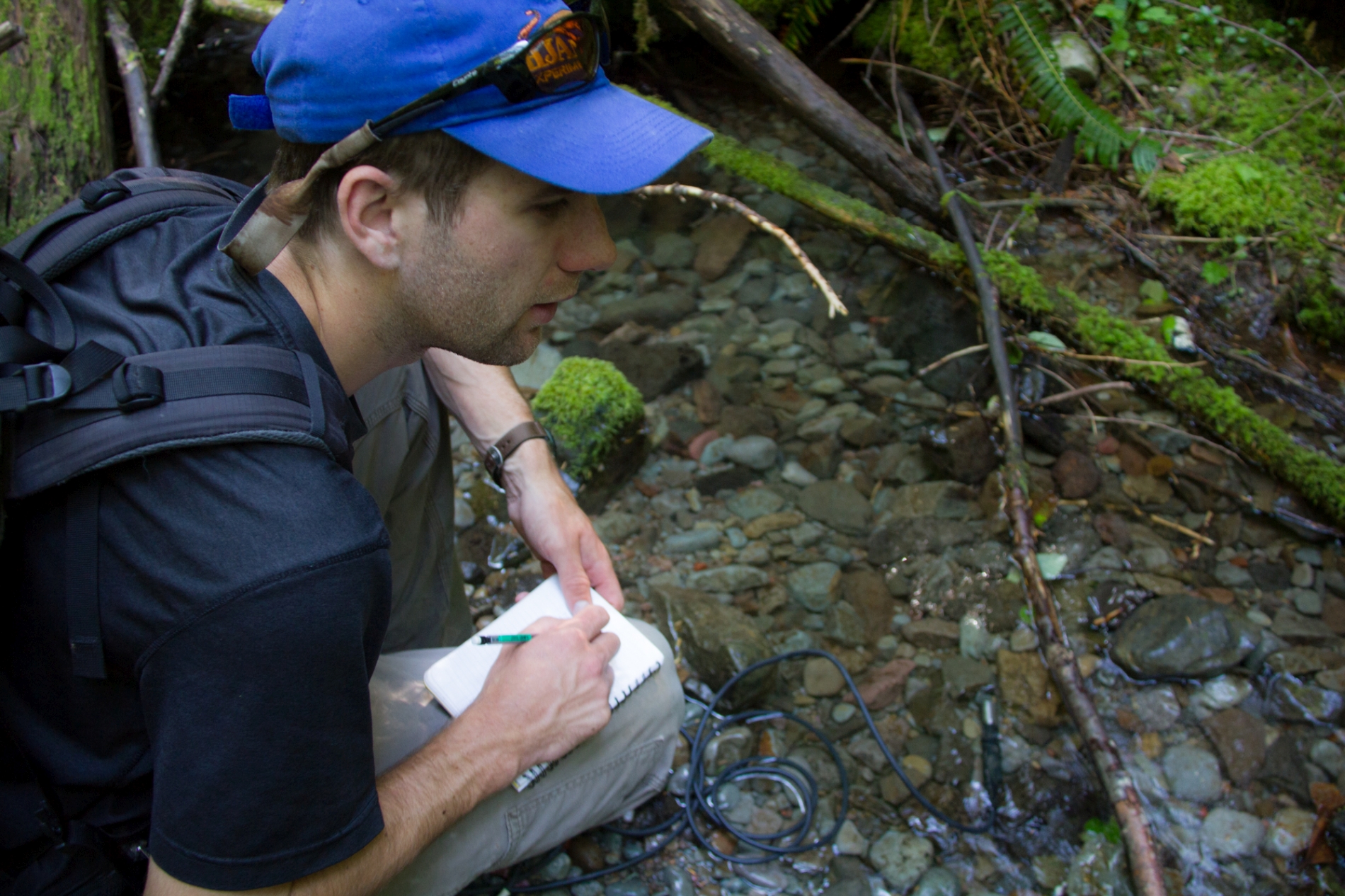
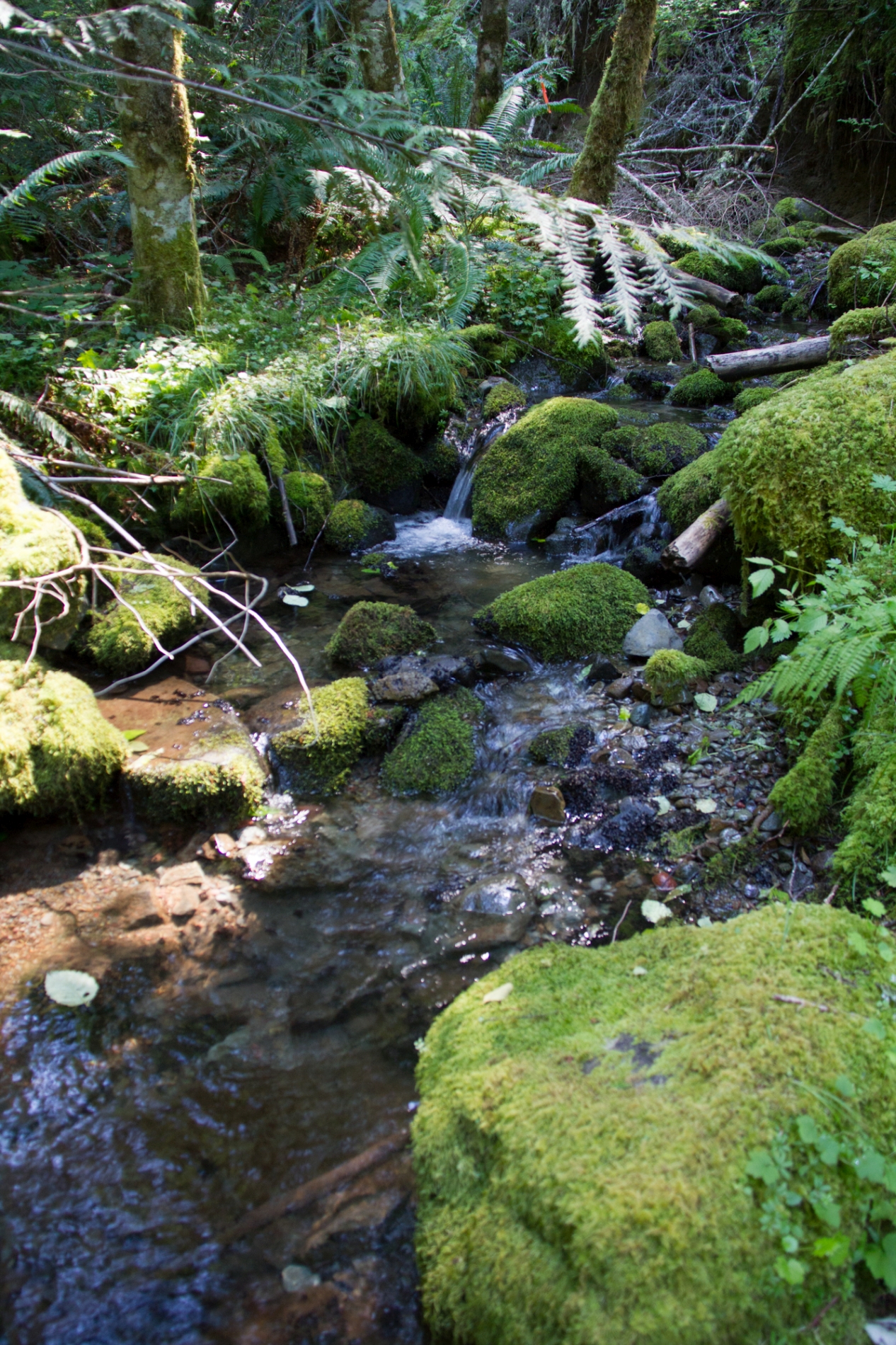
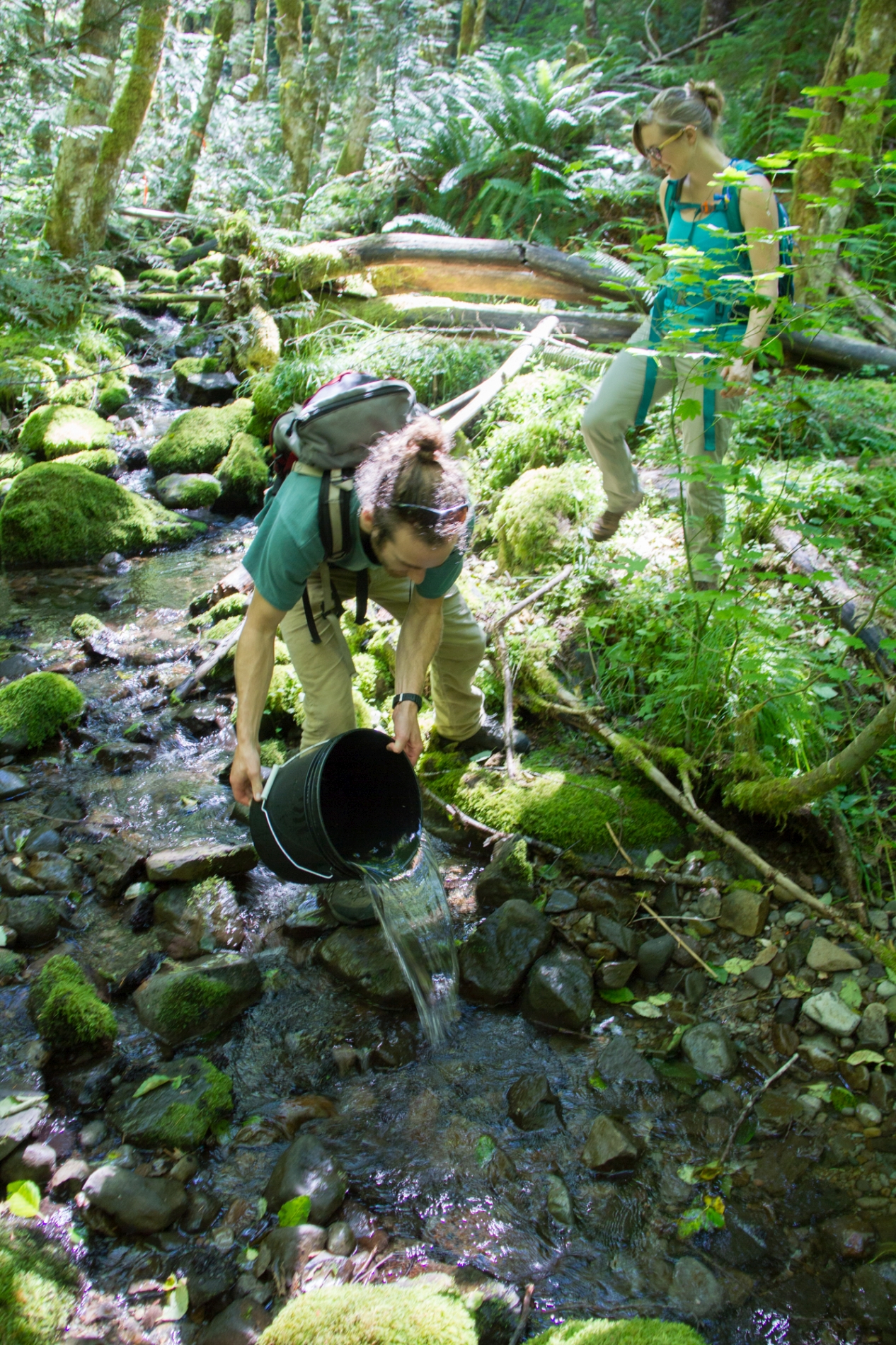
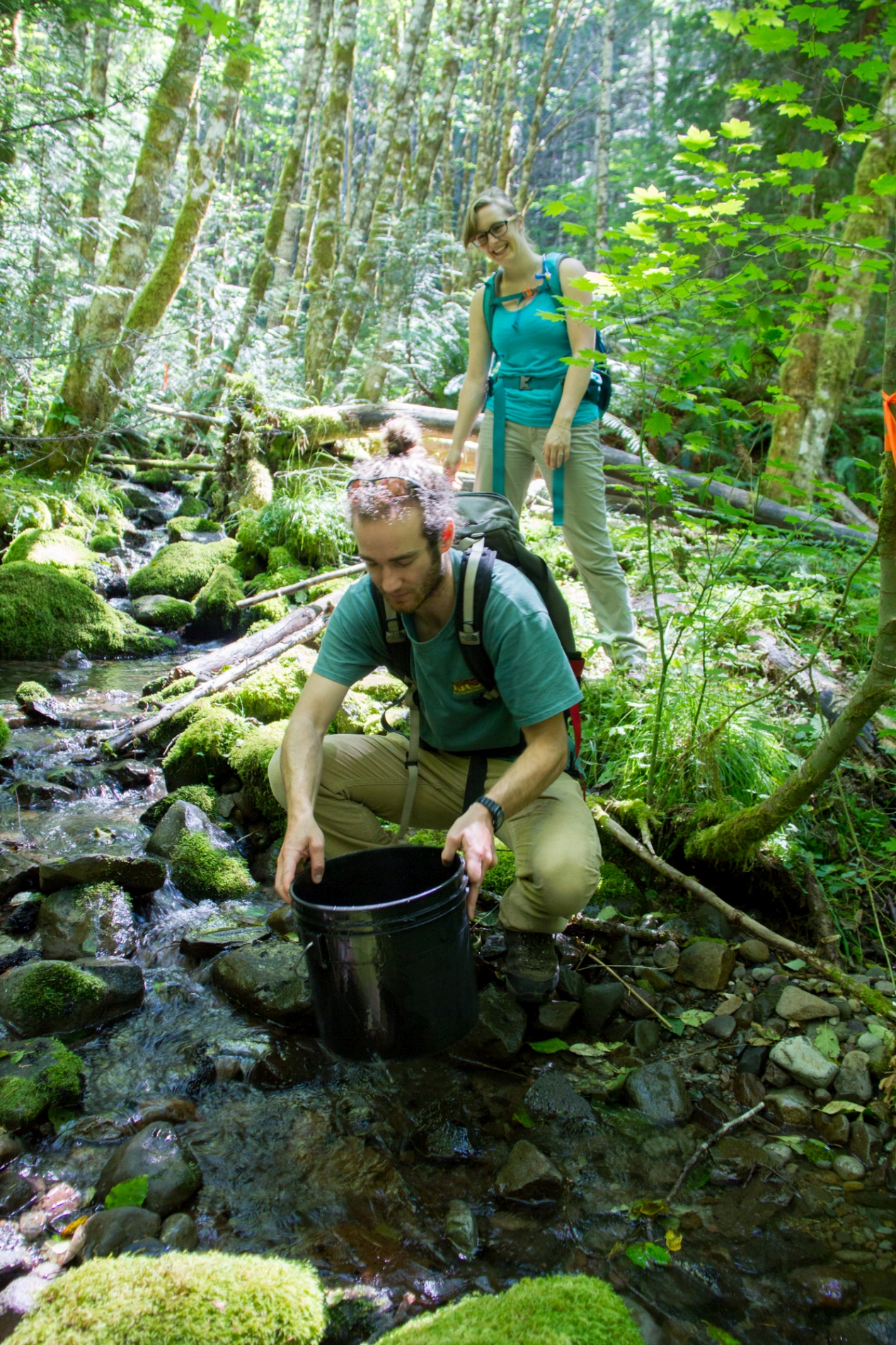
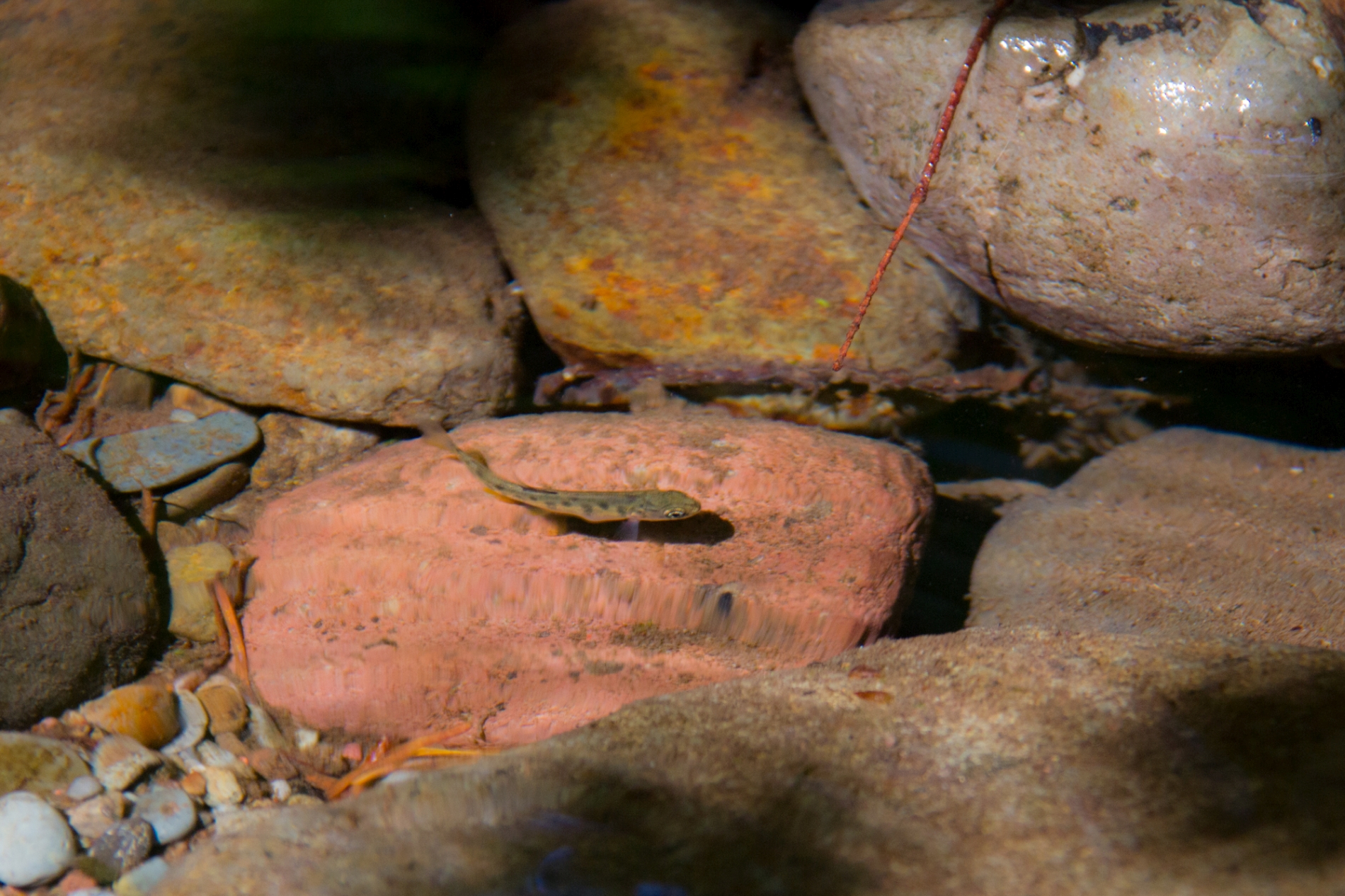
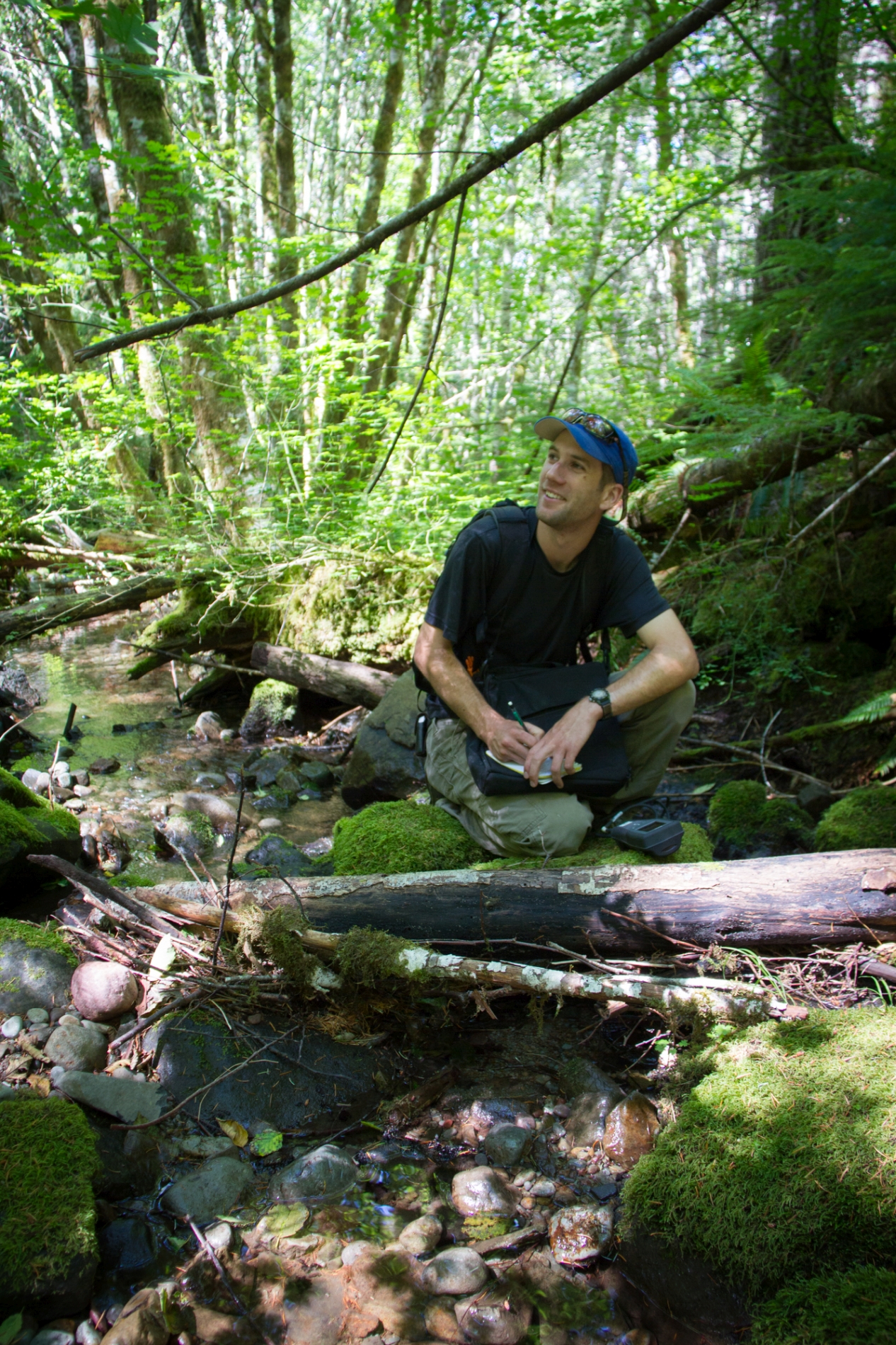
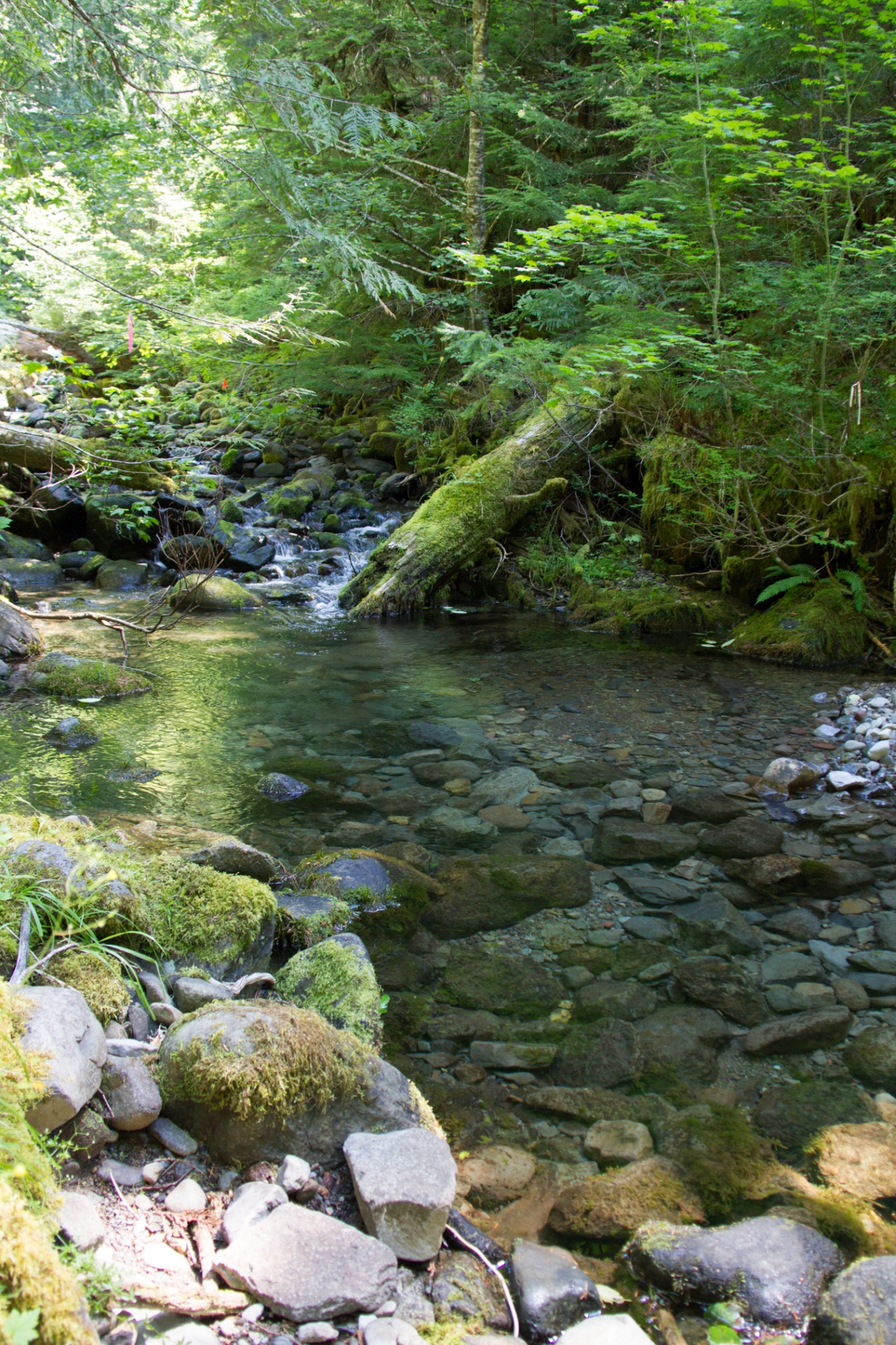
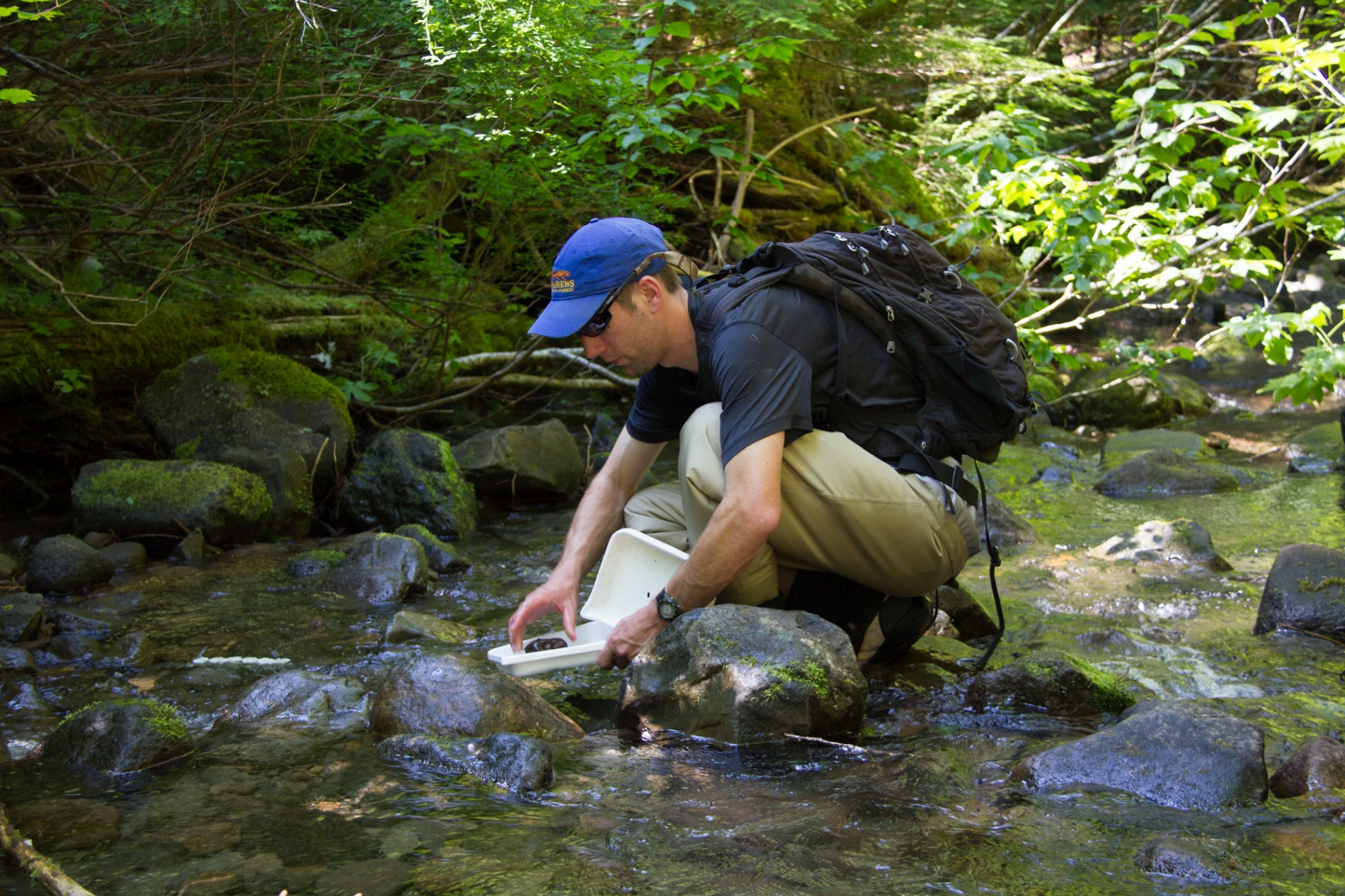
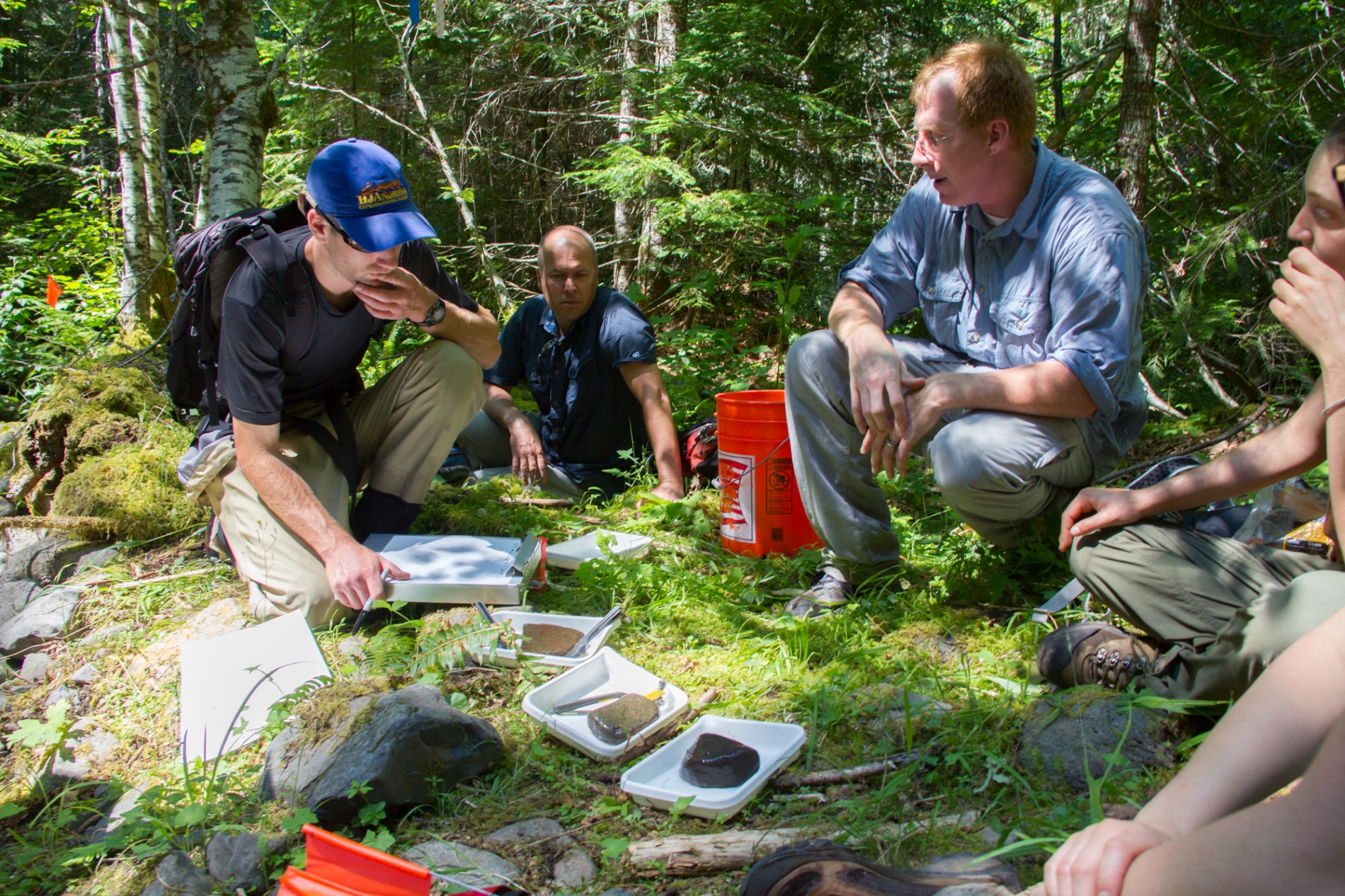
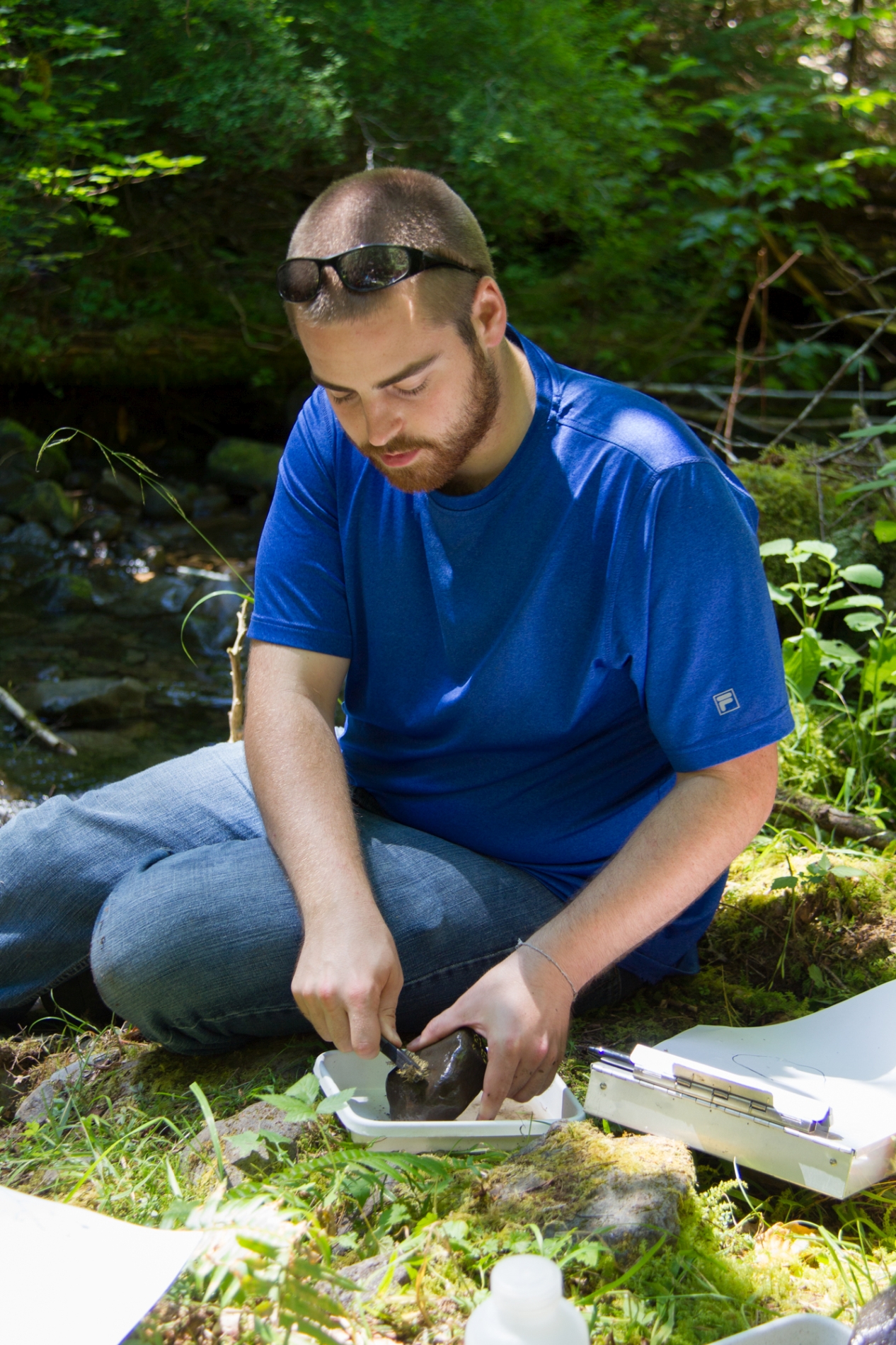
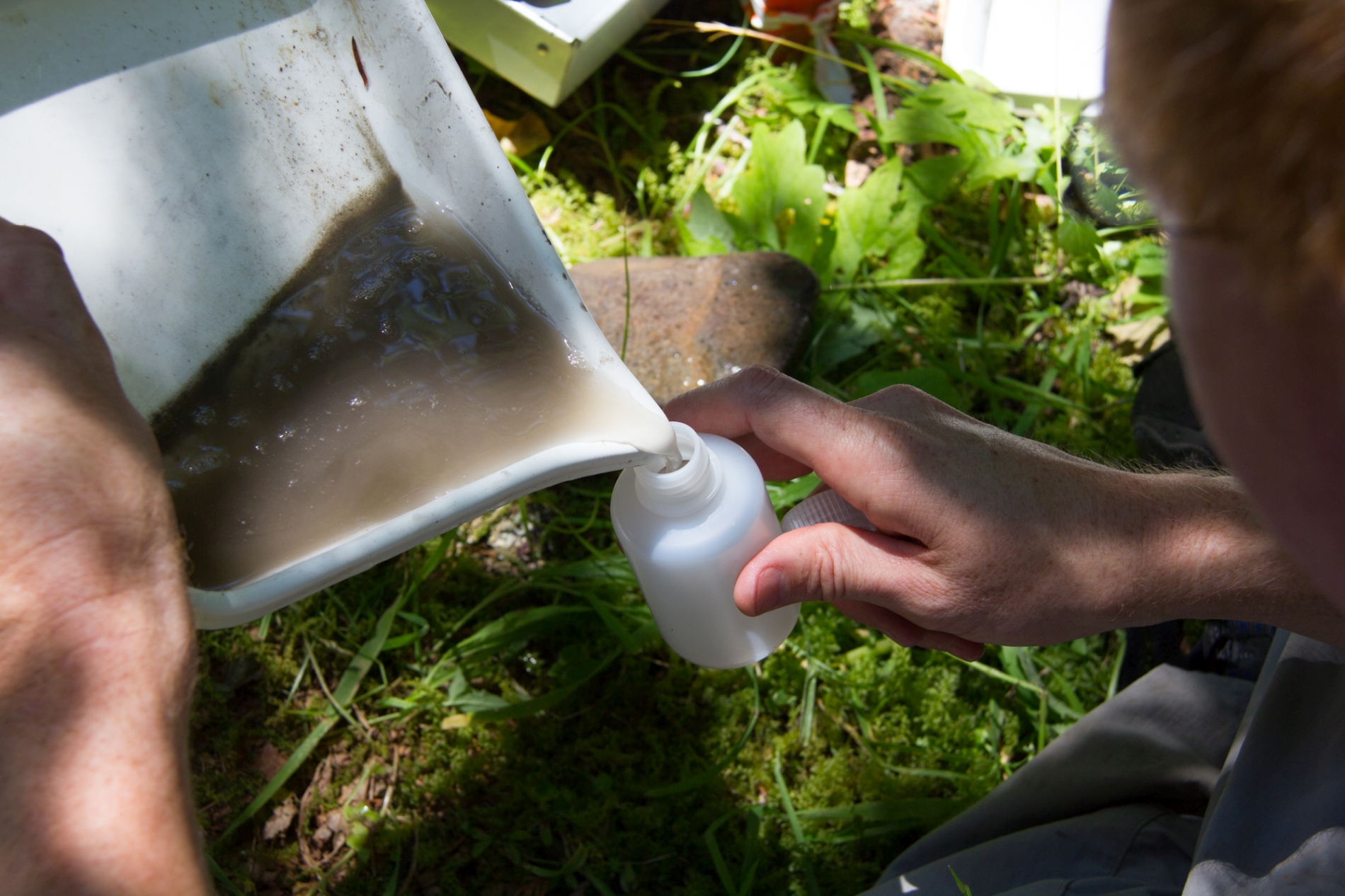
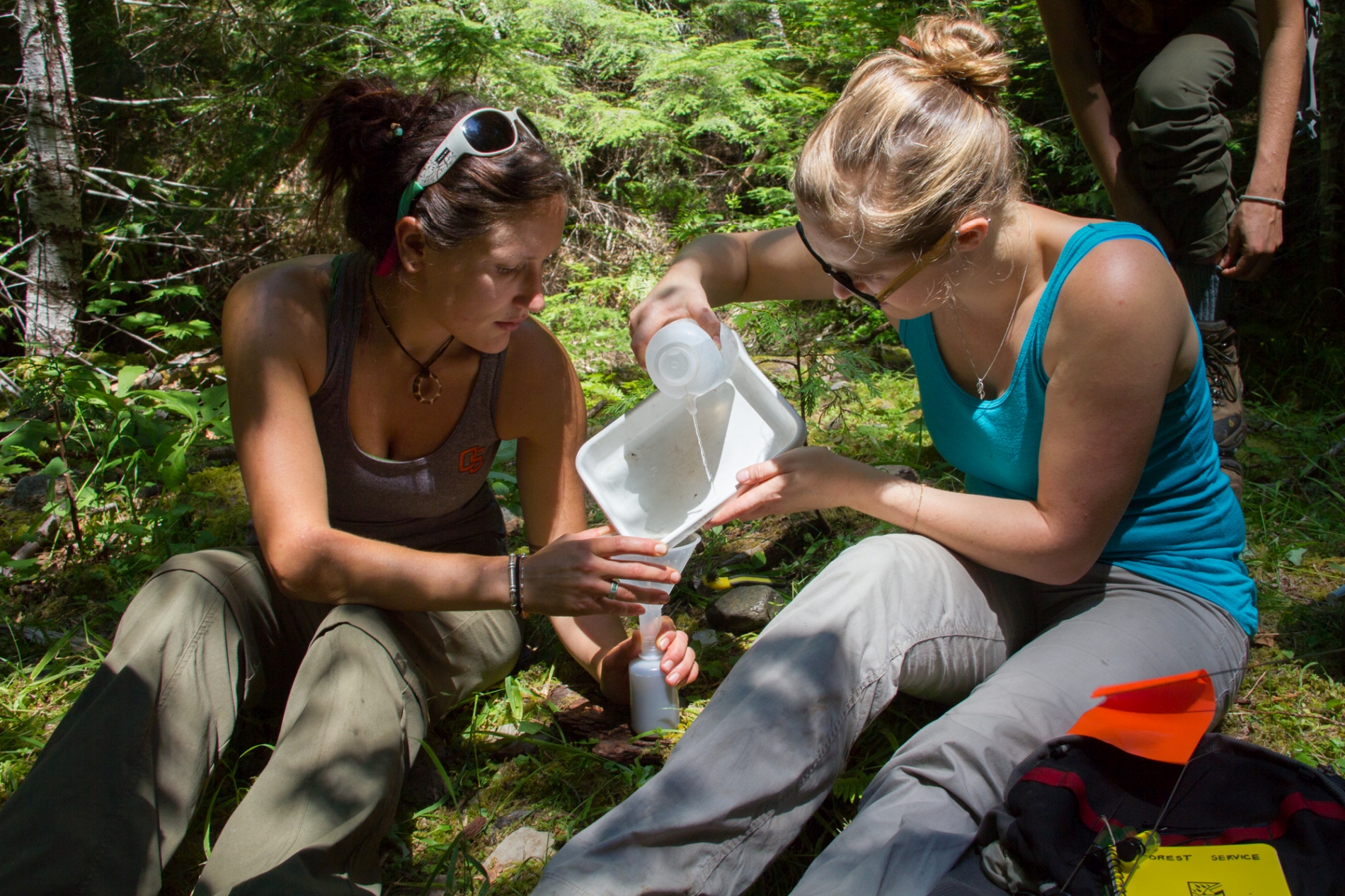
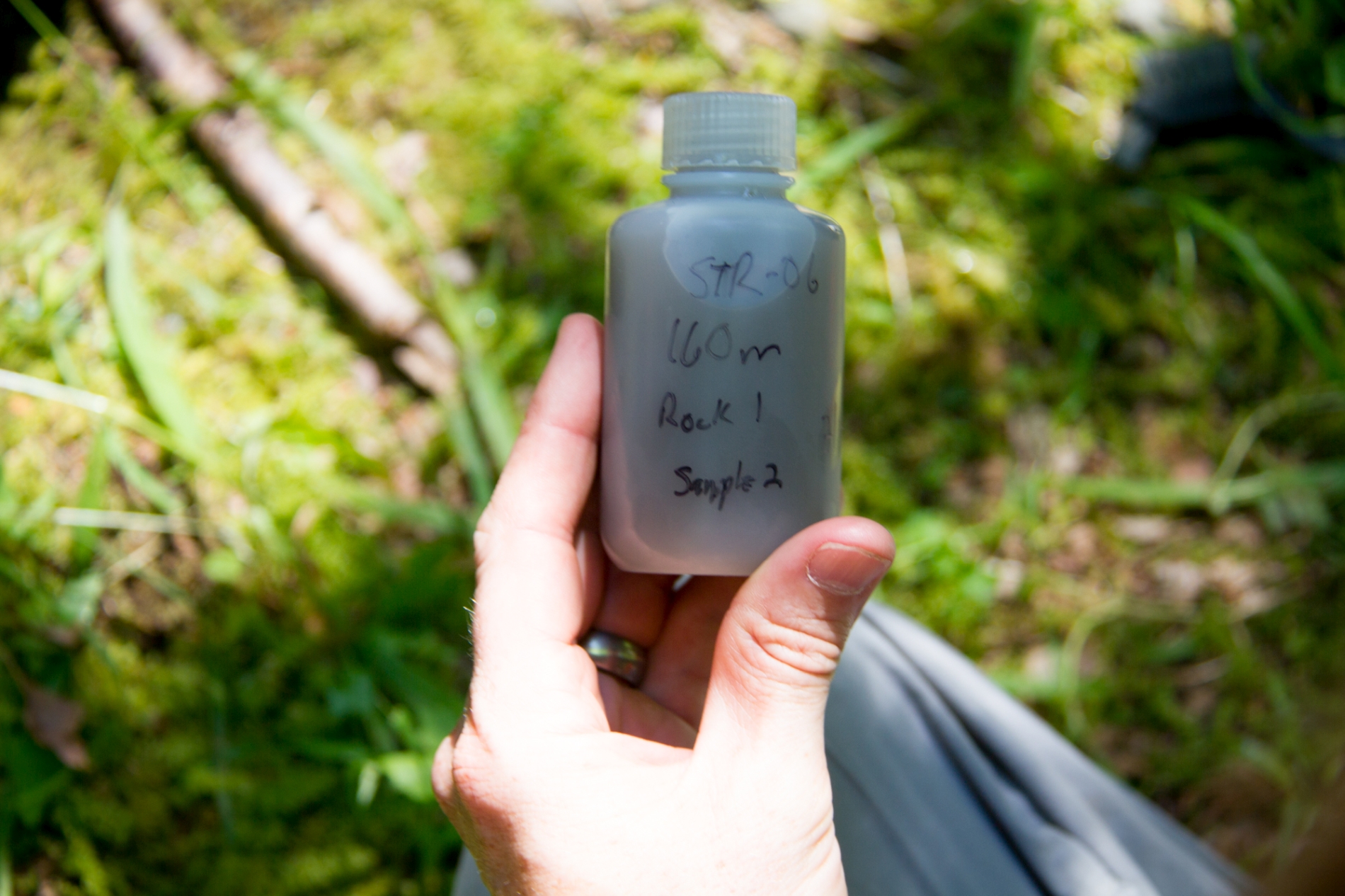
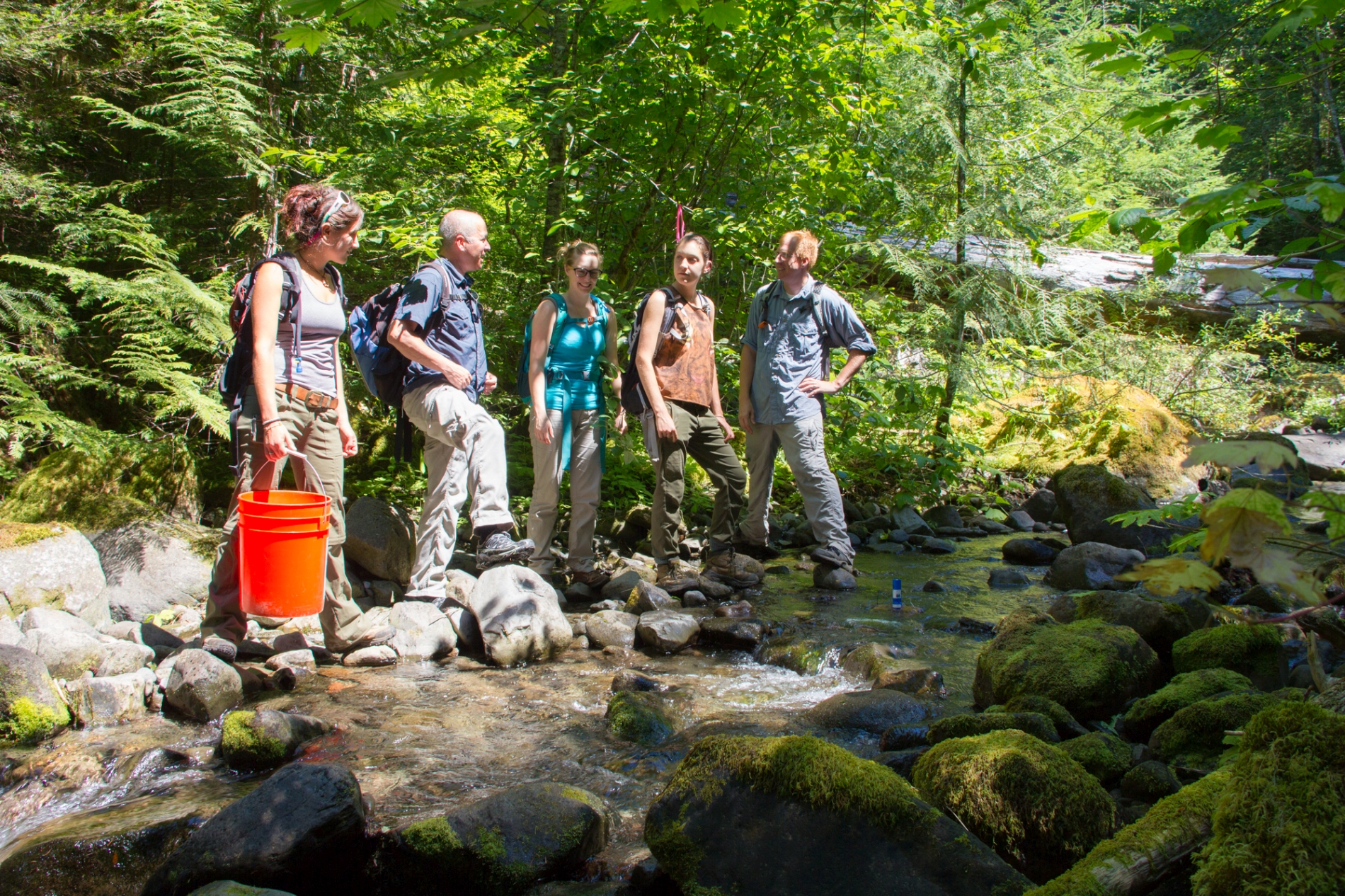
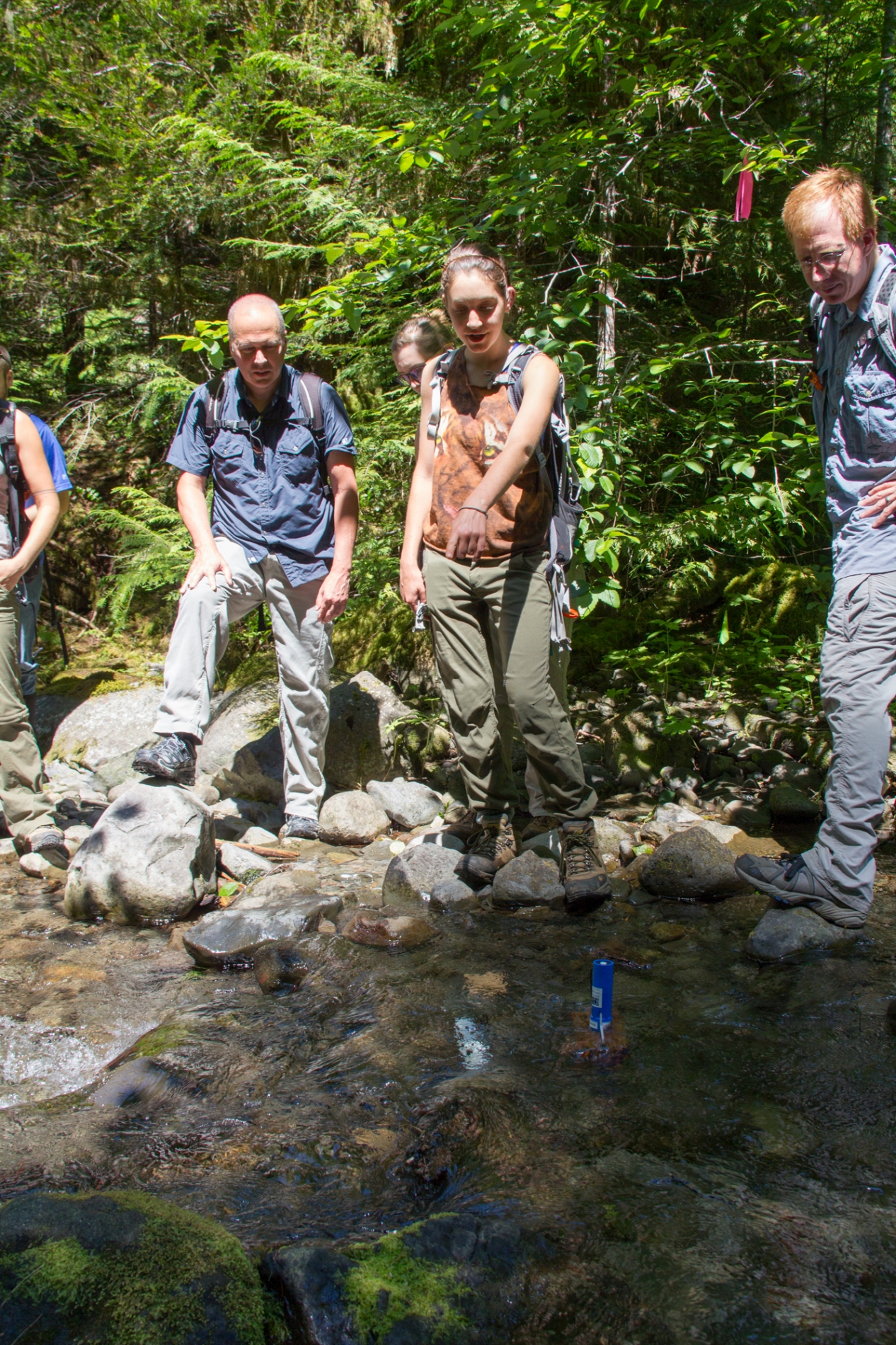
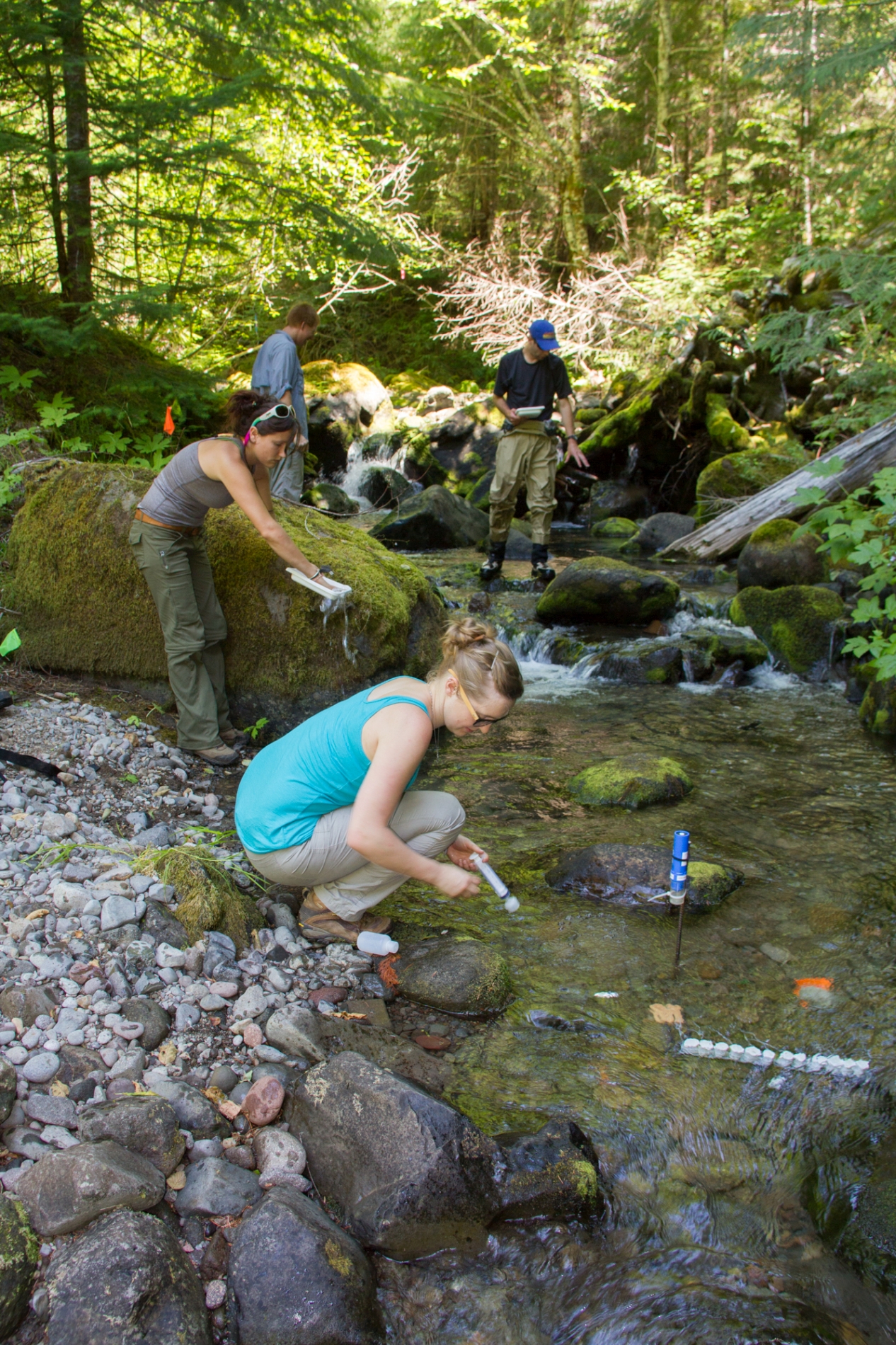
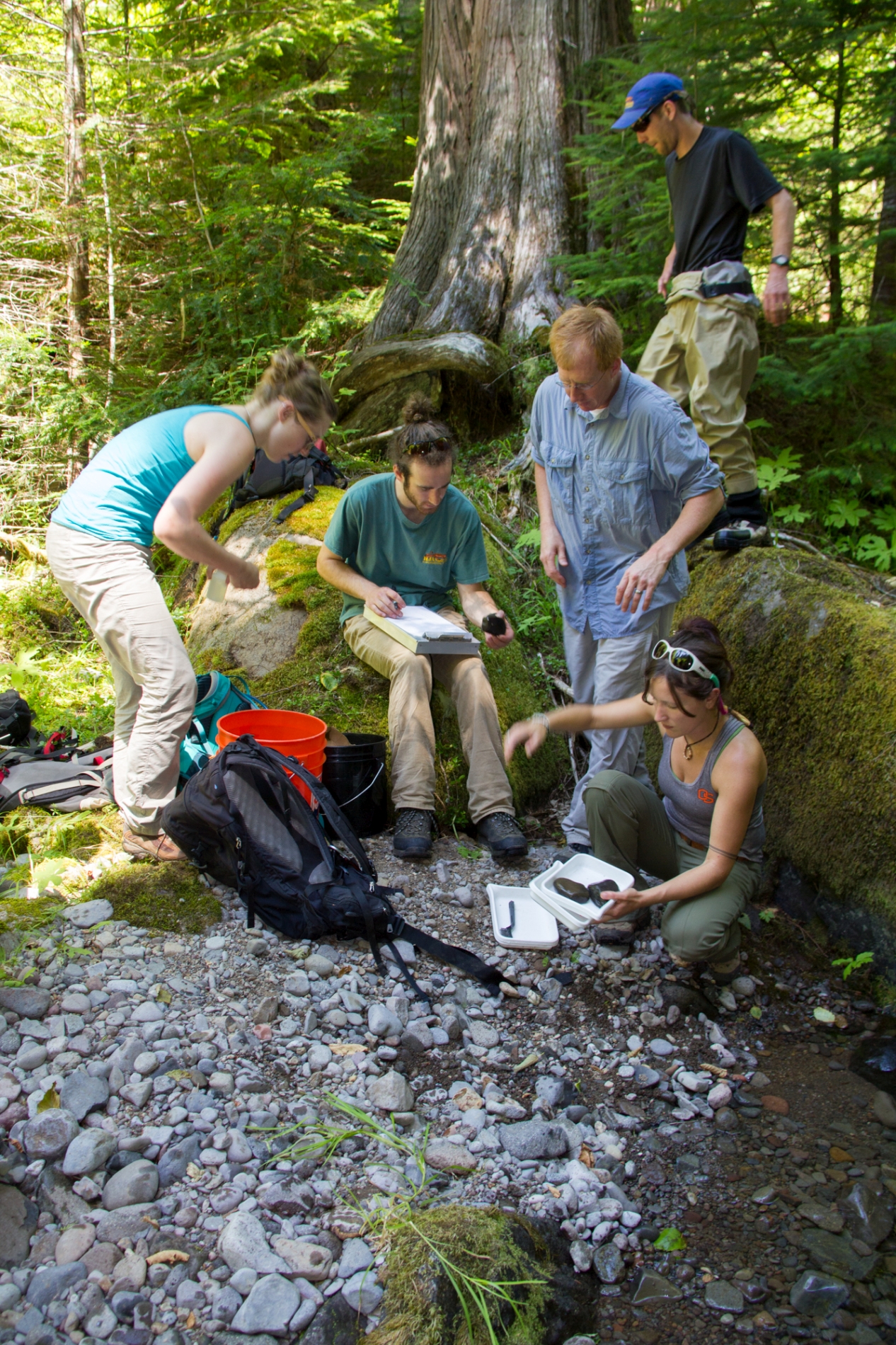
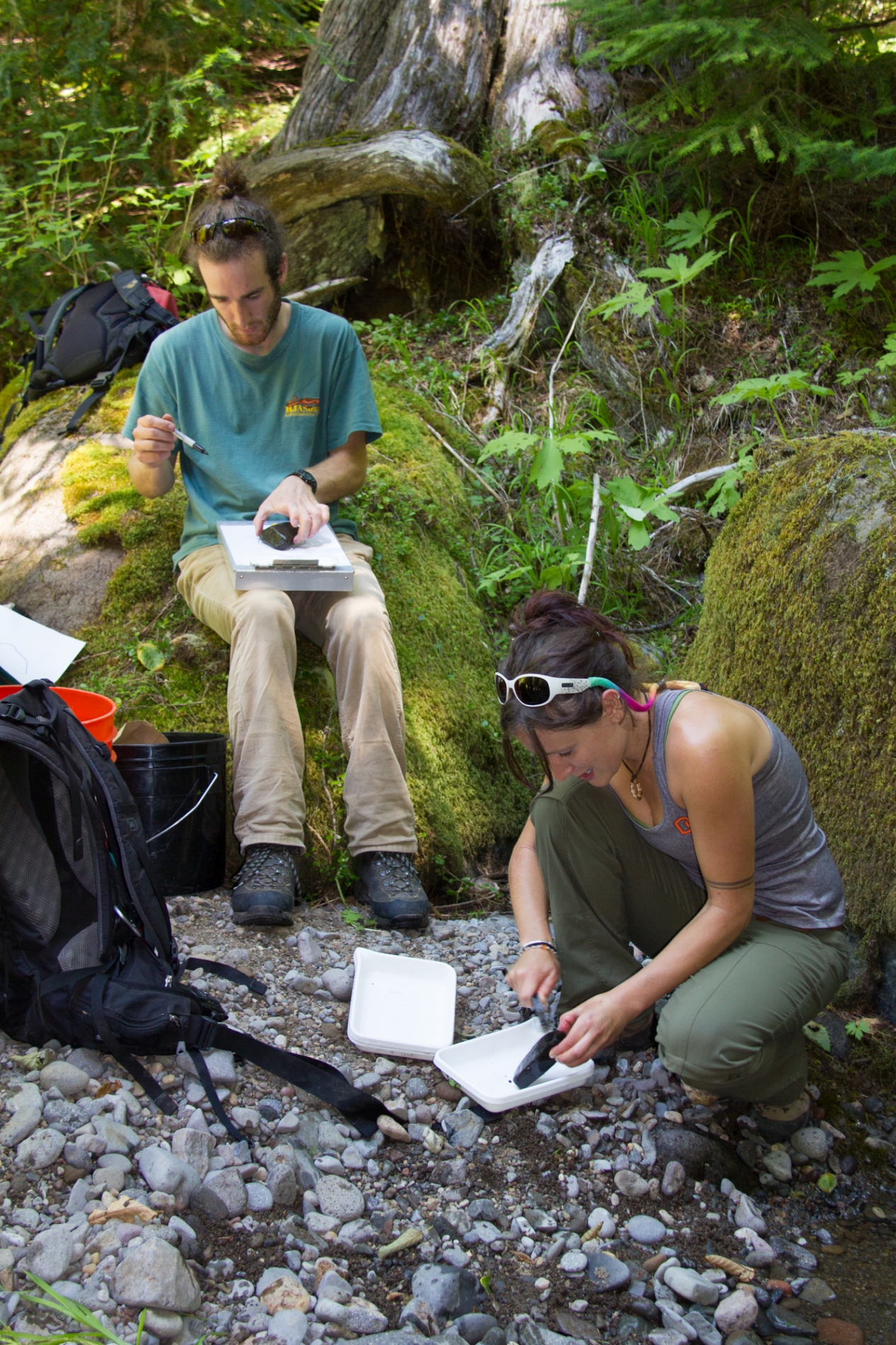
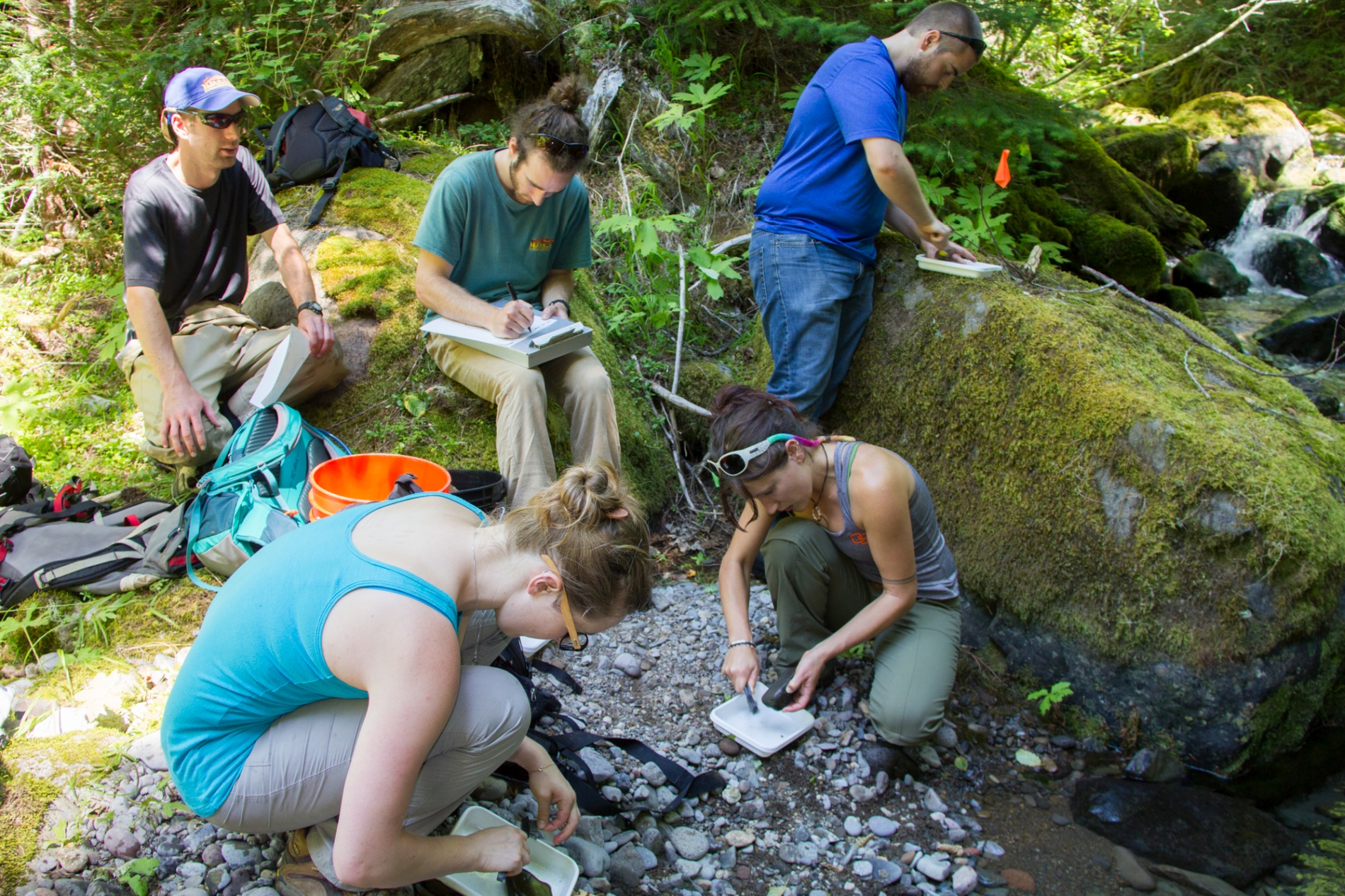
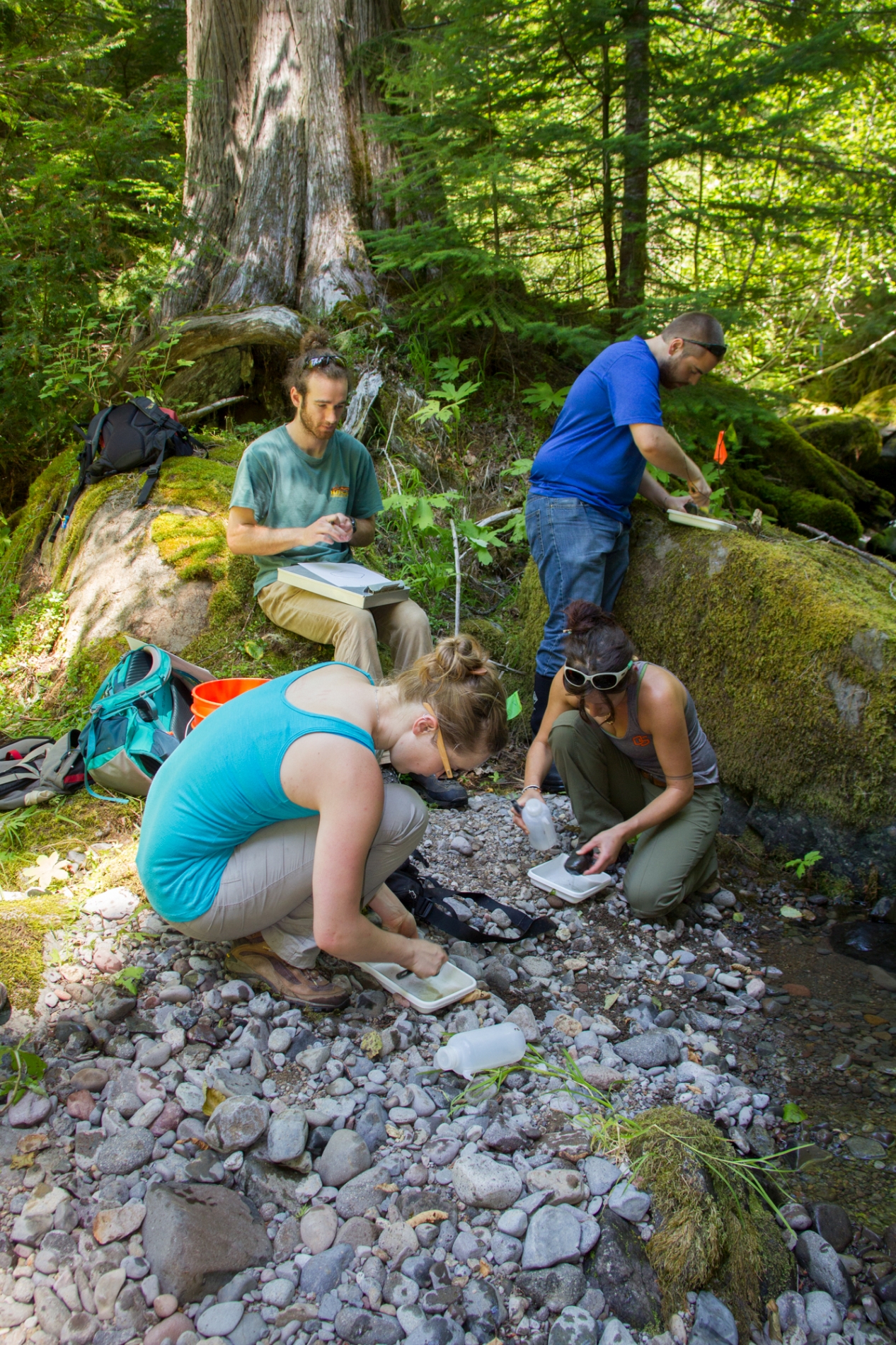
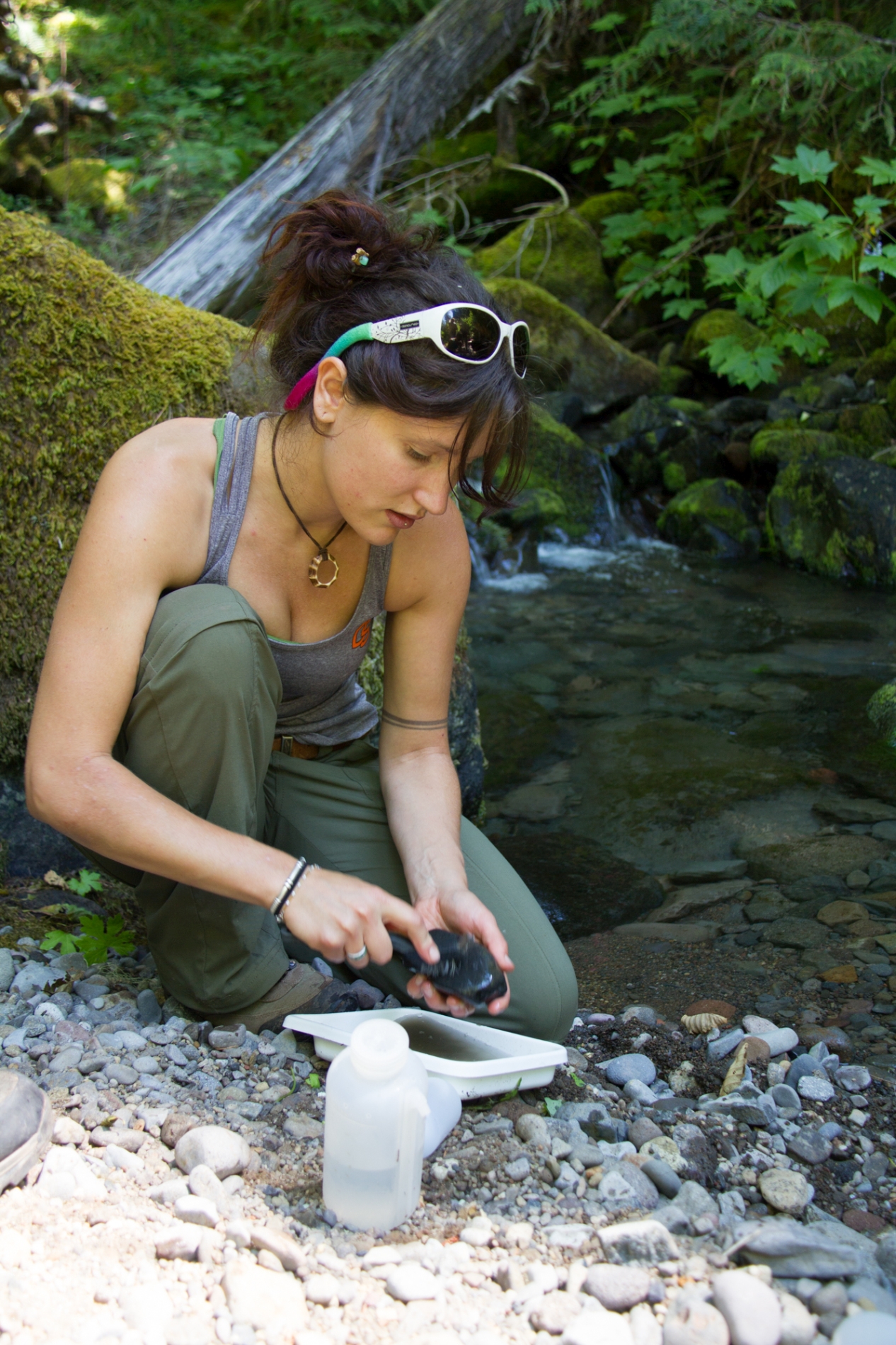
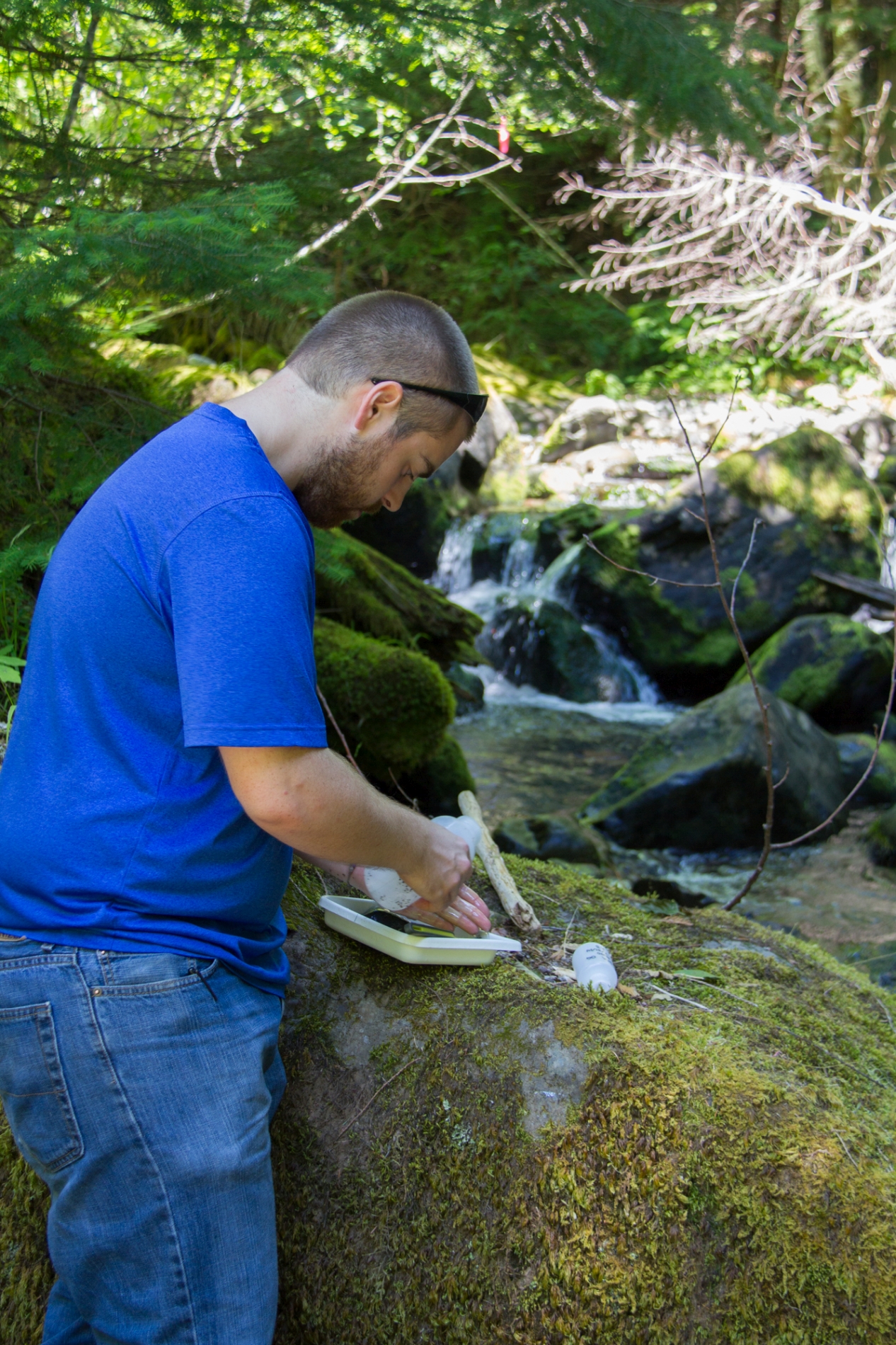
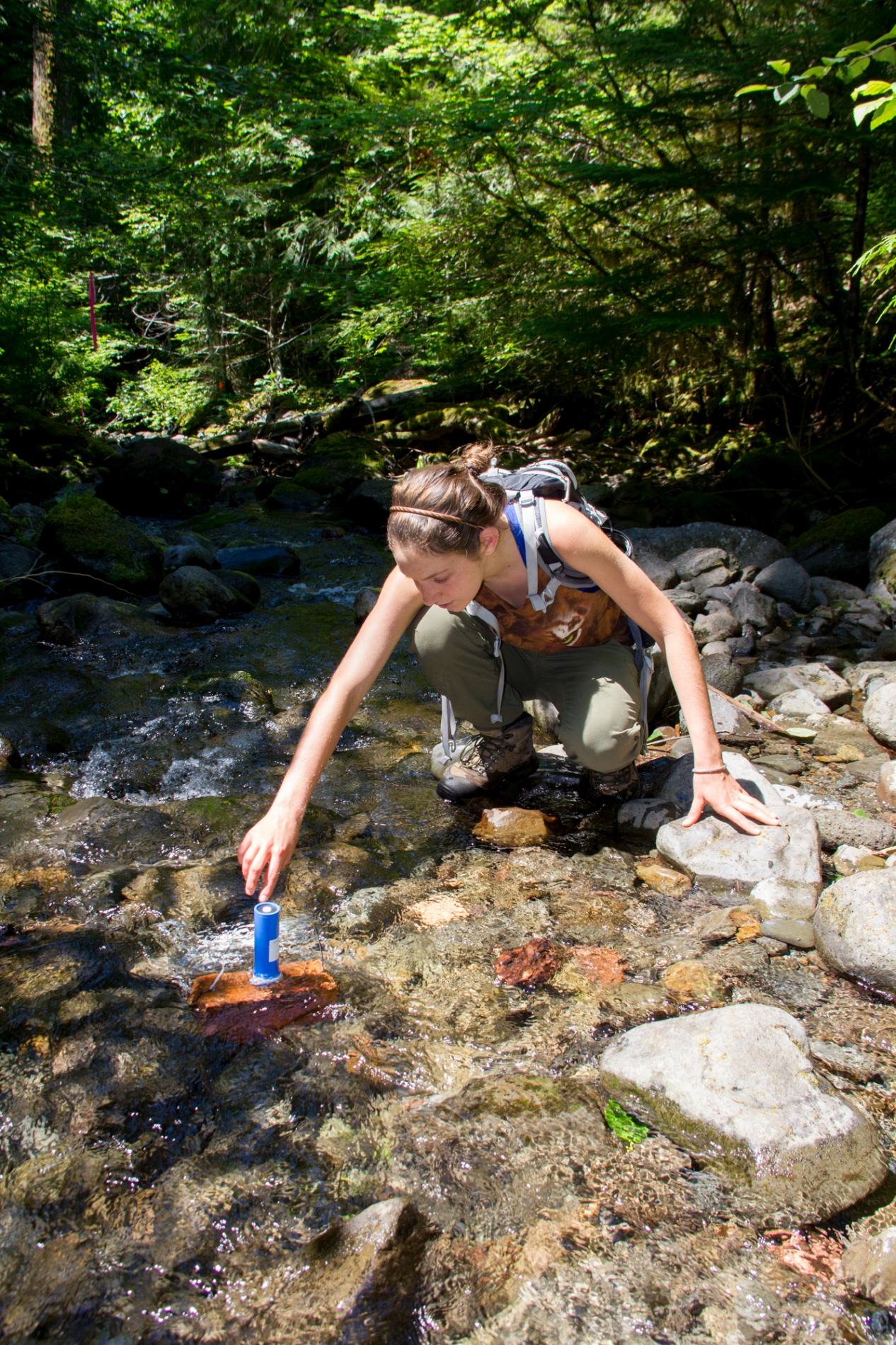
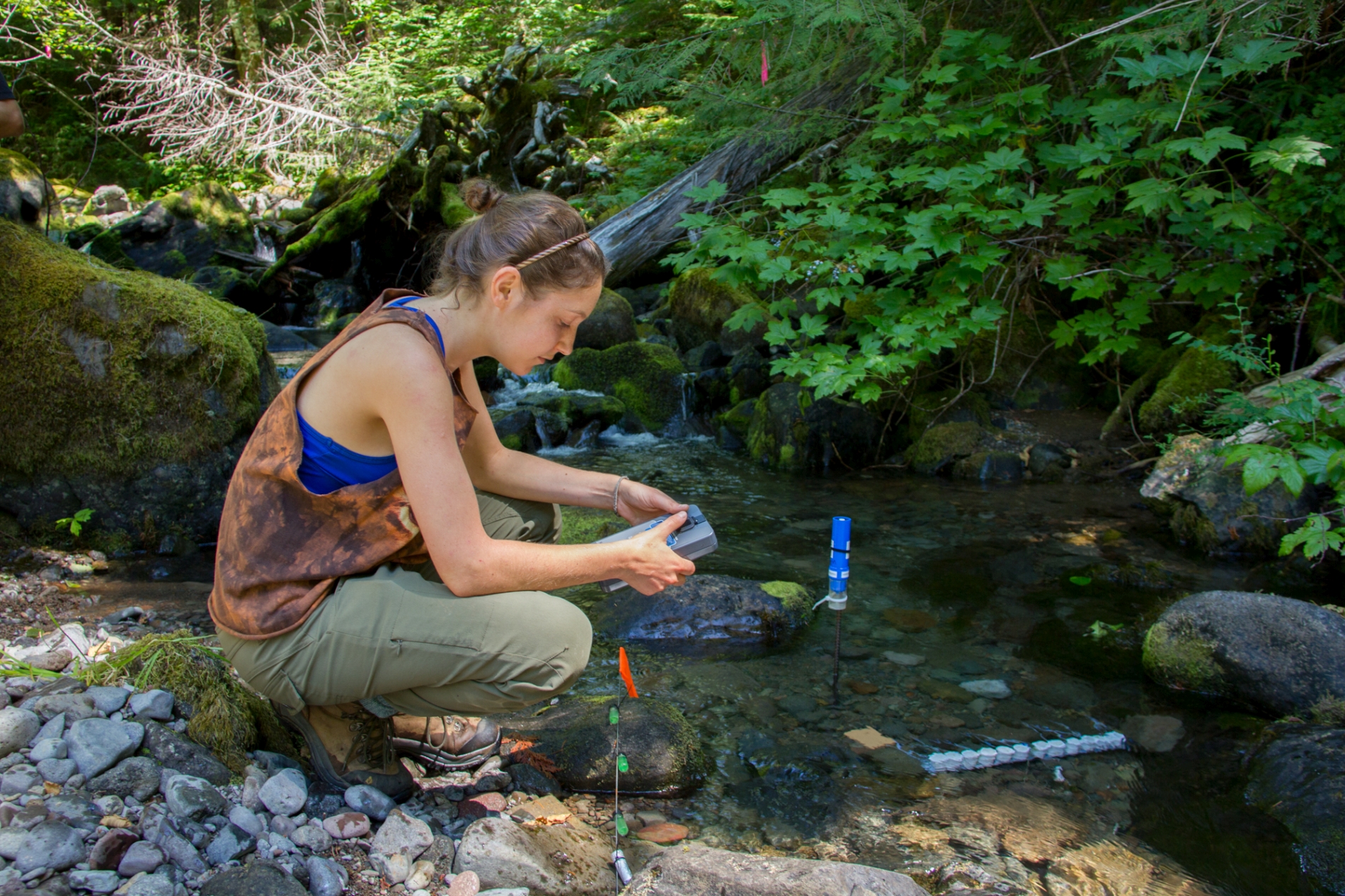
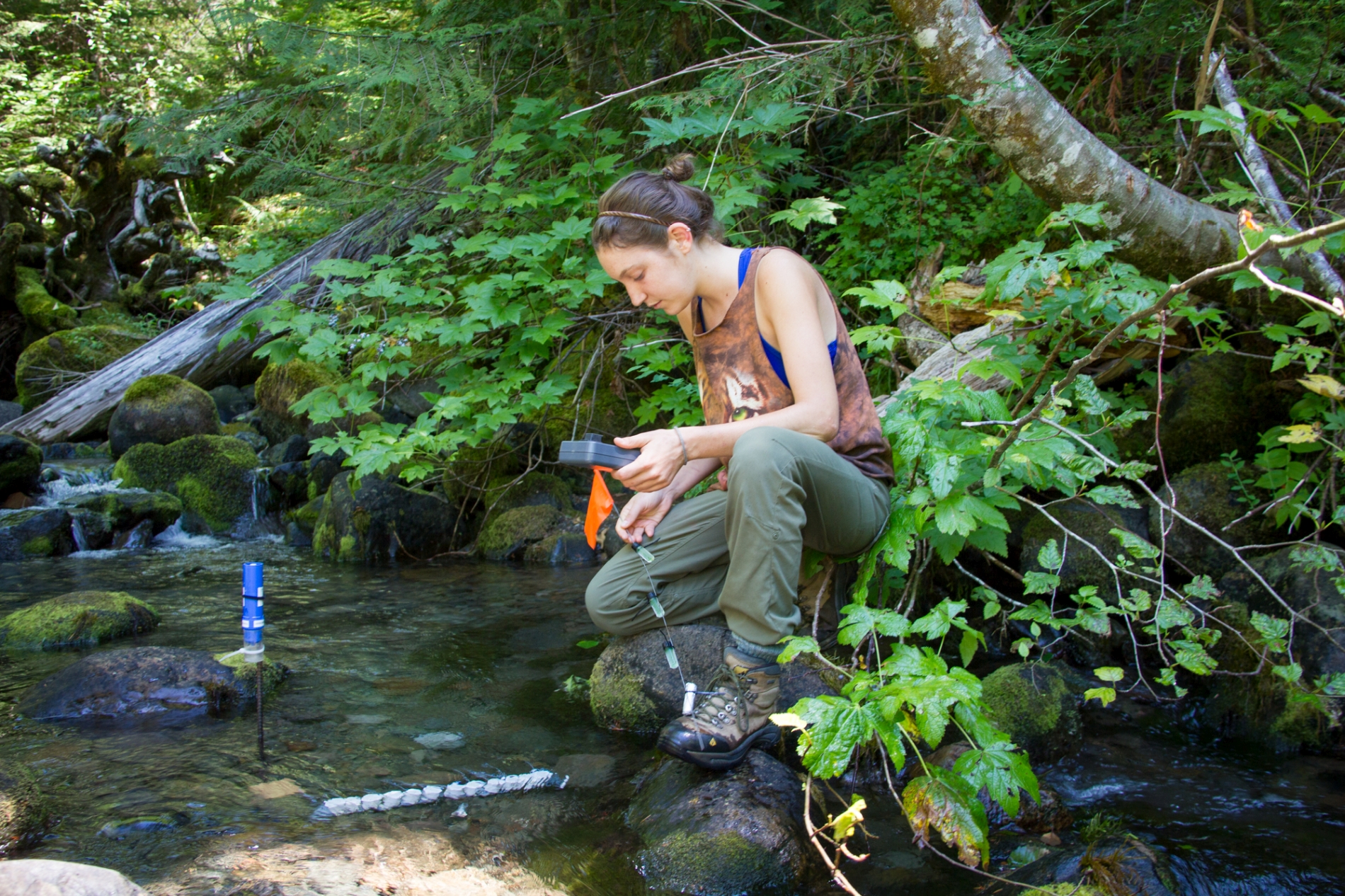
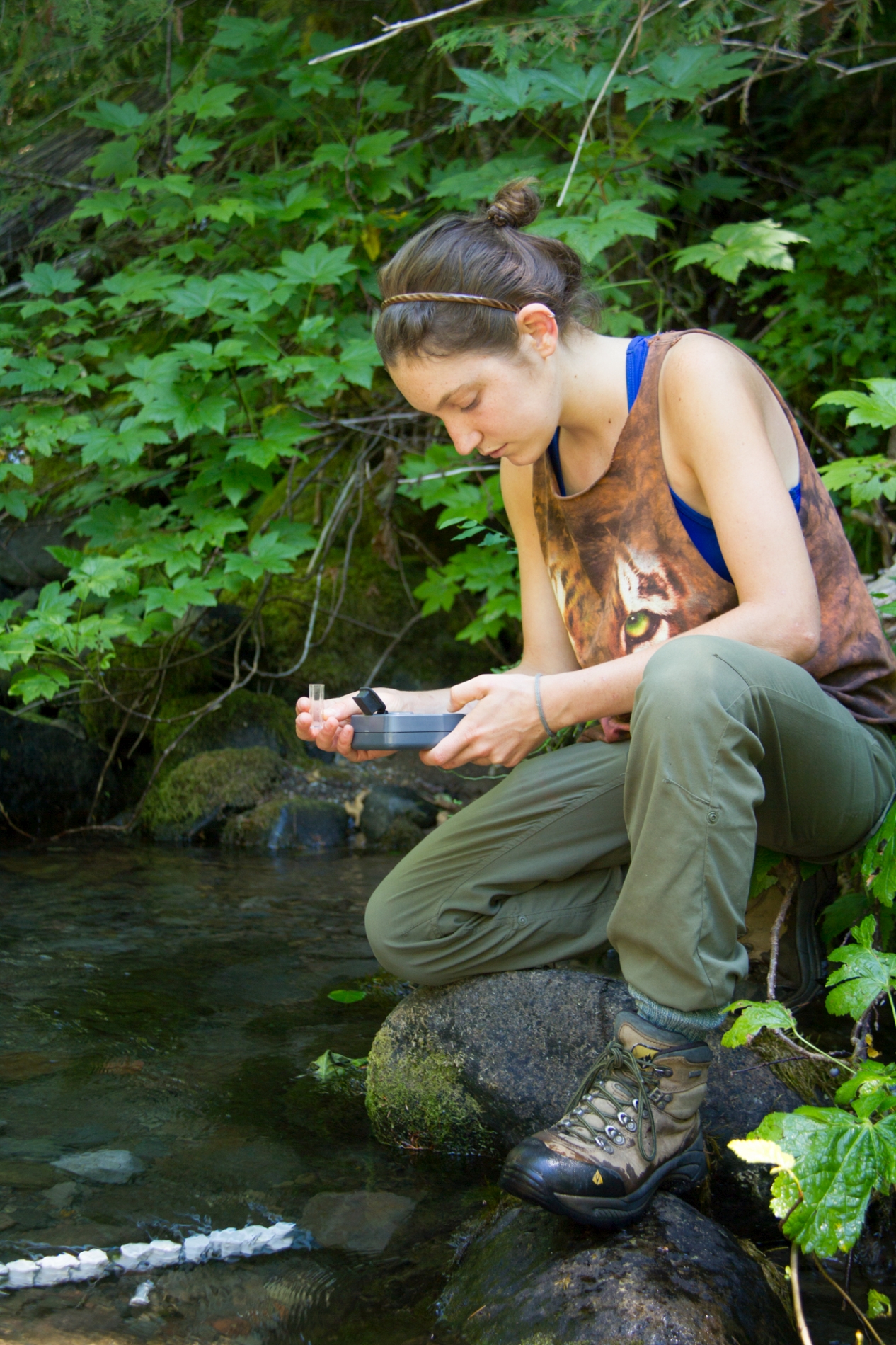
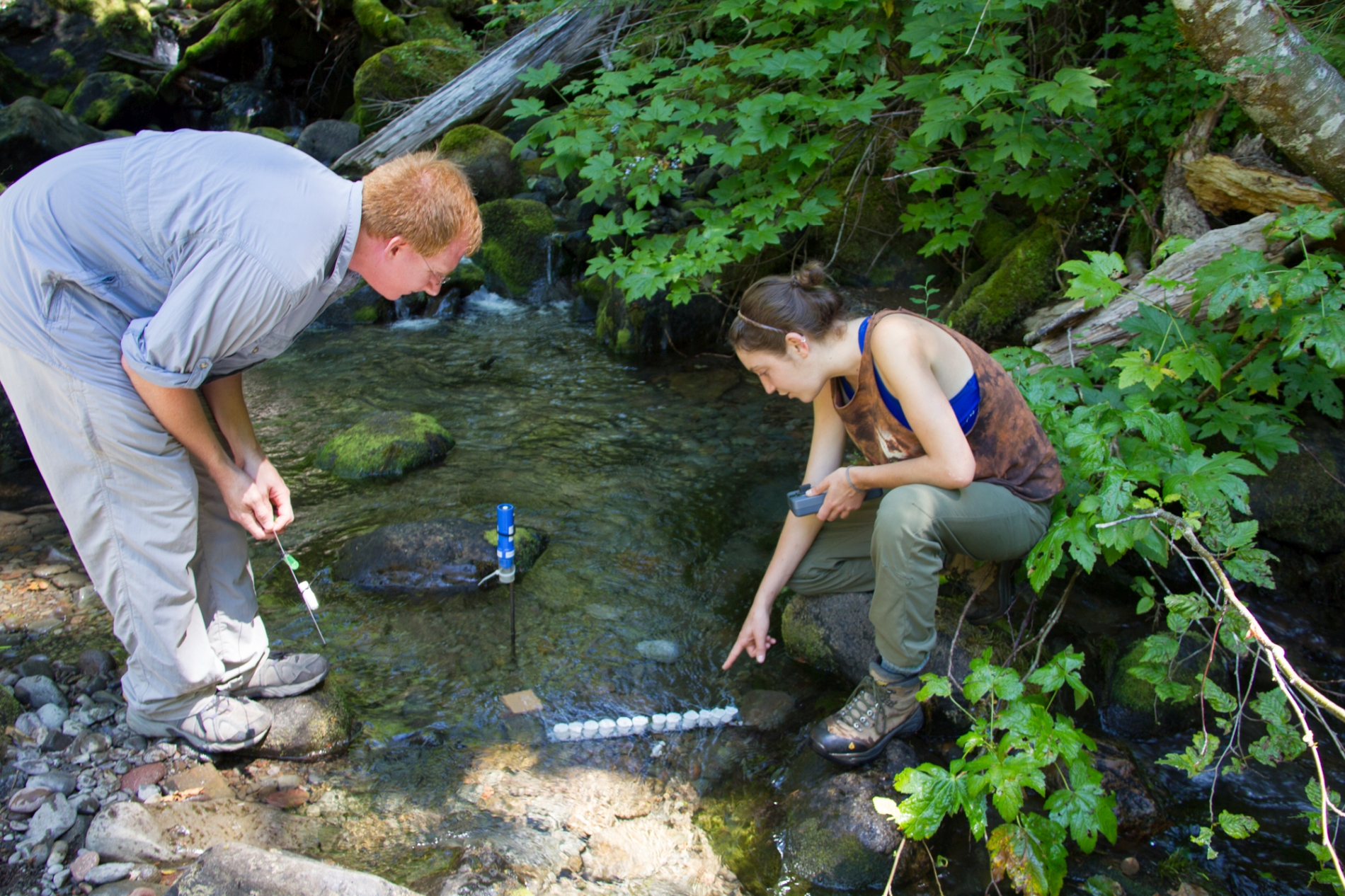
Stream ecology research, also highlighted in this image gallery, investigates the living things in the stream -- like fish and salamanders and invertebrates -- as they relate to stream temperature, structure, and flow.