
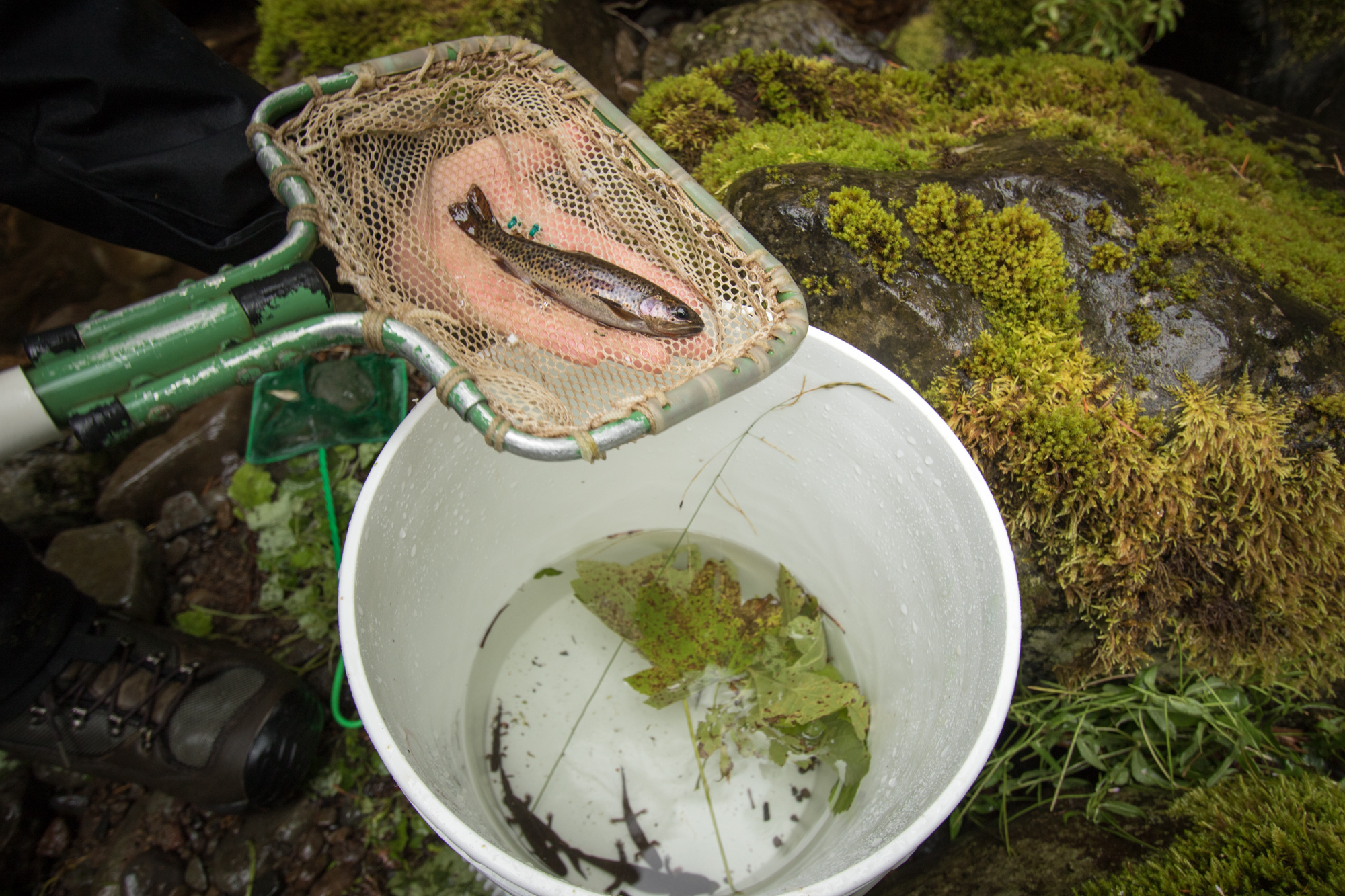
Understanding the mechanisms that enable species to coexist is essential for explaining community structure and biodiversity. Researchers compared the diets of two dominant stream predators in western North America: Coastal Giant Salamanders and Coastal Cutthroat Trout. They found that salamanders primarily preyed on aquatic invertebrates, while trout consumed a mix of terrestrial and aquatic invertebrates. These differences in diet highlight the role of dietary partitioning in structuring predator communities and inform predictions of how environmental changes may impact stream ecosystems.
Arismendi, I., Ain, N., Gerth, W. et al. Dietary niche partitioning between Coastal Giant Salamanders (Dicamptodon tenebrosus) and Coastal Cutthroat Trout (Oncorhynchus clarkii clarkii). Hydrobiologia 853, 353–365 (2026). https://doi.org/10.1007/s10750-025-05934-x. https://rdcu.be/e3aDA