
The images in our galleries reflect the history, place, people, and research of the HJ Andrews Experimental Forest Long-Term Ecological Research Program. Images may be downloaded for use in papers, posters, presentations, etc. Please use the suggested acknowledgements. In some cases, higher resolution images may be available from the information manager.
Our archived image library has several older images that don't appear in our image galleries, below.
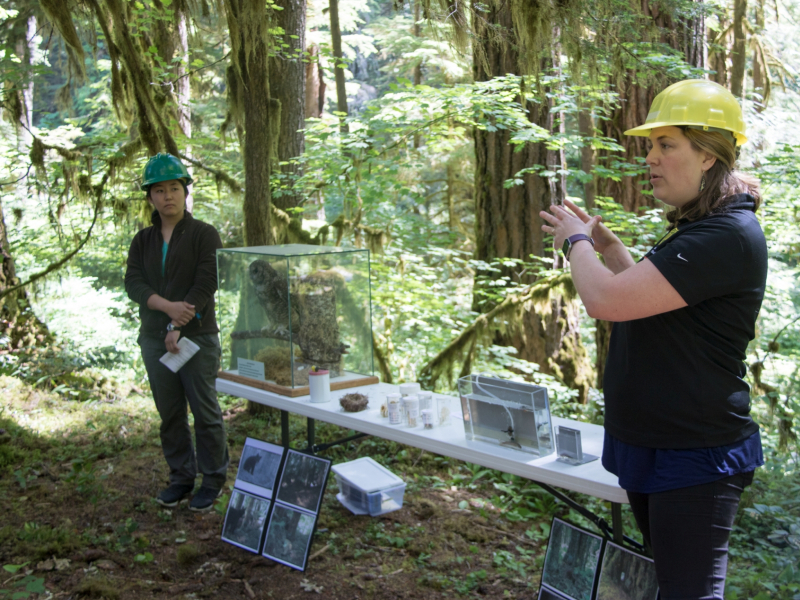
HJA Day is the annual field day at the HJ Andrews Experimental Forest and Long-Term Ecological Research site. HJA Day 2018 happened on June 28, 2018. The event highlighted the 70th anniversary of the 1948 establishment of the HJ Andrews Experimental Forest.
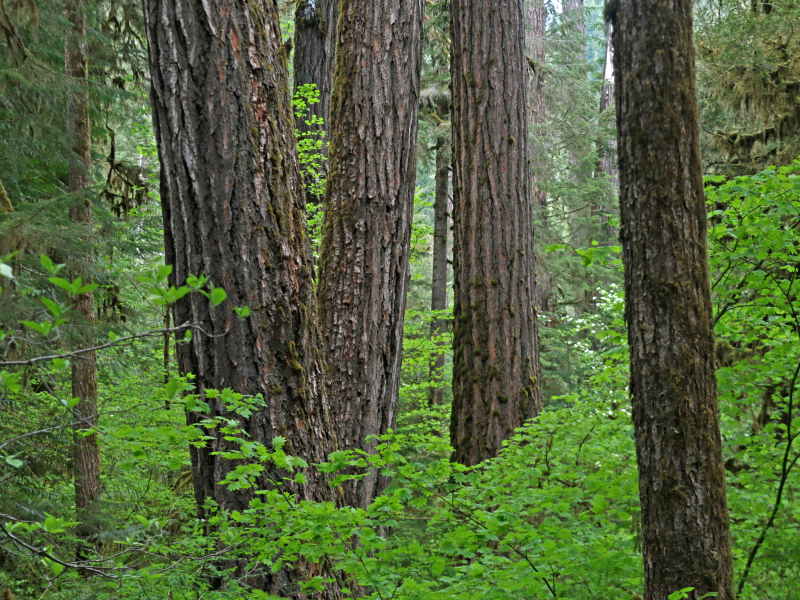
Starting in 2017, blogger and photographer Erika Zambello launched a road trip to visit as many LTER sites as possible. Erika visited the Andrews Forest LTER site in May 2018. Erika went high into the canopy of a big Douglas fir tree. She visited climate stations and hydrology gage stations that...
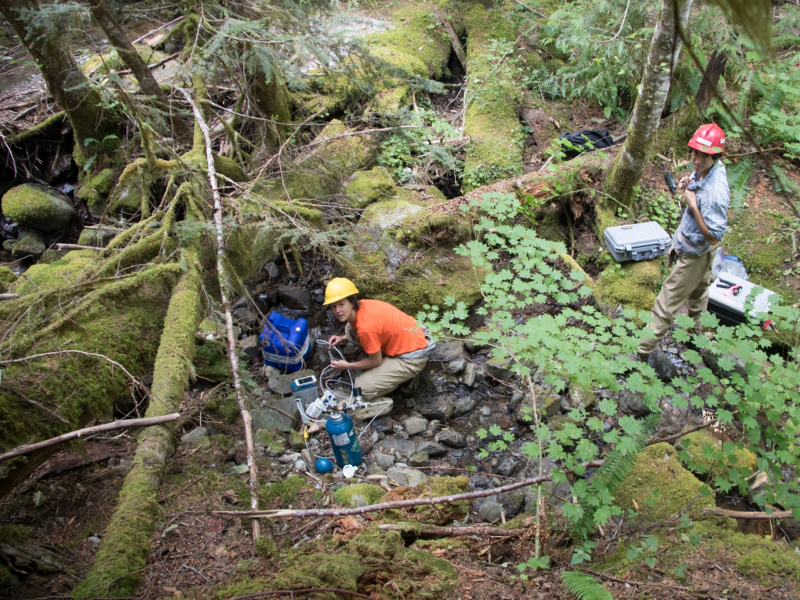
Graduate student Karla Jarecke studied how water moves through soil on the steep slopes of Watershed 1 at the Andrews Forest. Karla and an NSF-funded Research Experience for Undergraduate (REU) student, Lauren Roof, dug soil pits to sample and describe soil, and used metal rods to measure soil...
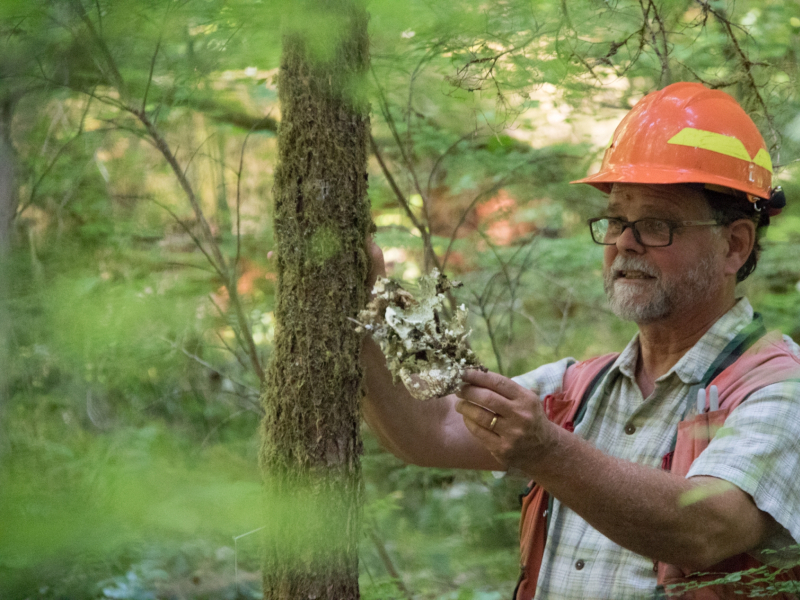
The National Science Foundation (NSF) funds research at the HJ Andrews Experimental Forest through its Long-Term Ecological Research (LTER) grant funding. The Andrews Forest has been funded by the NSF LTER program since 1980. LTER grants are six years in duration. Midway through the grant cycle, the...
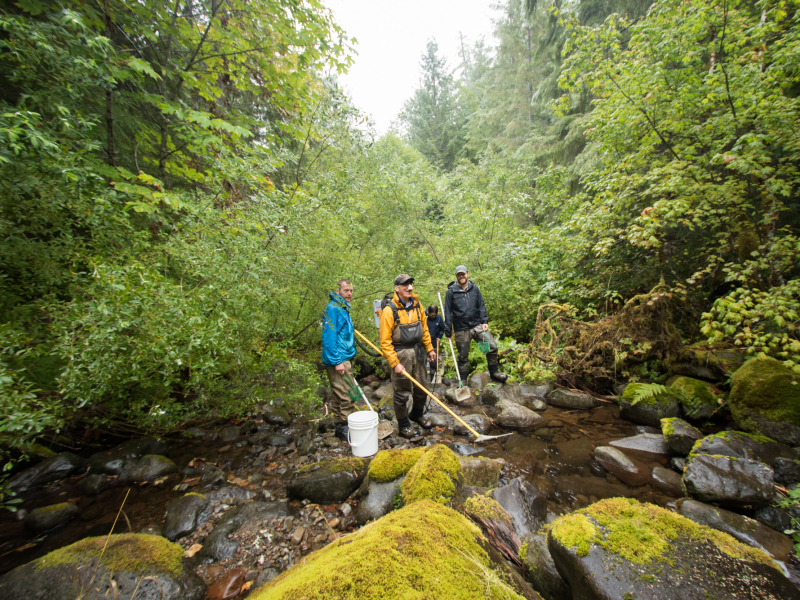
The Aquatic Vertebrate Population Study in Mack Creek (1987 to present) is a long-term study on populations of cutthroat trout and salamanders in two reaches of Mack Creek in the HJ Andrews Experimental Forest. Each year, since 1987, researchers visit the same stretches of the creek to measure the...
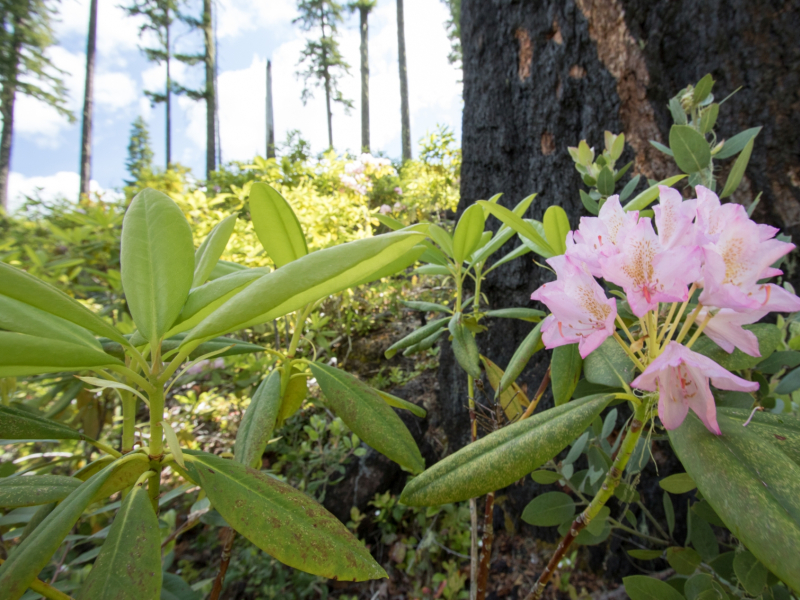
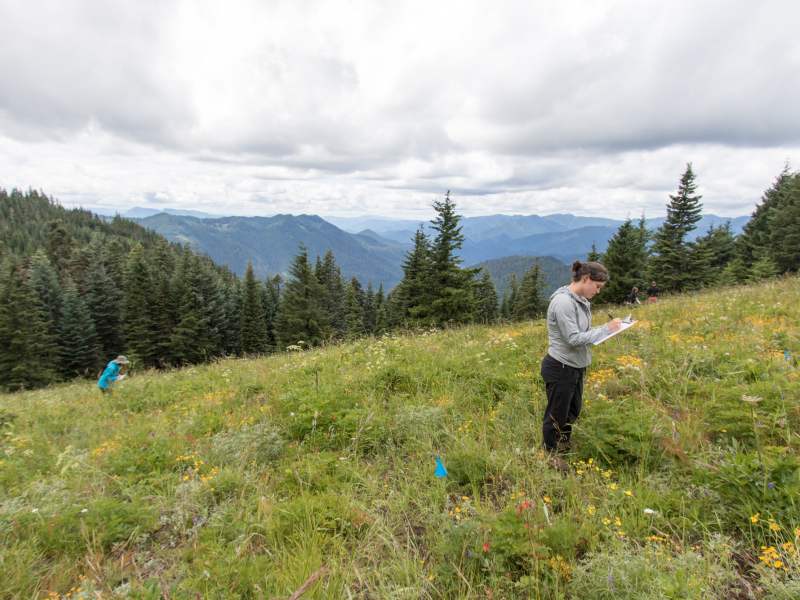
Students and researchers study pollinators, such as native bees, in the high meadows of the H.J. Andrews Experimental Forest.
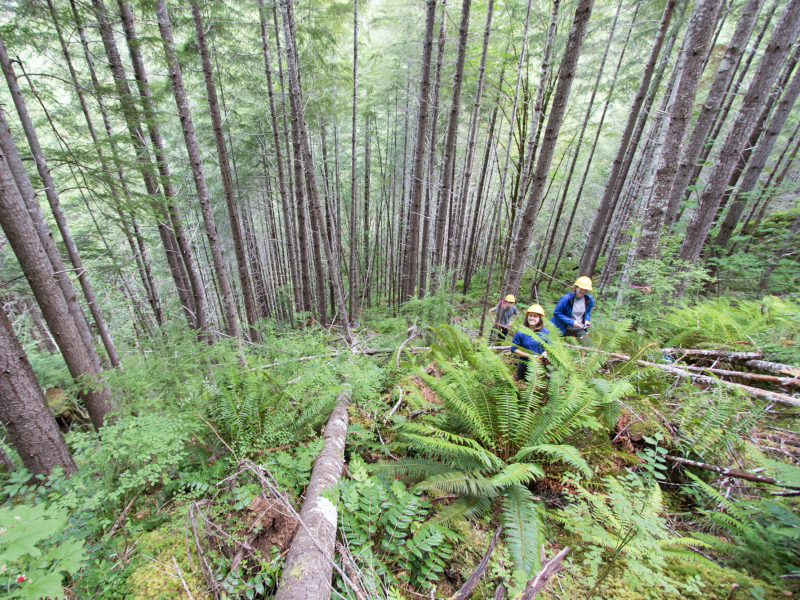
Soil moisture study in Watershed 1
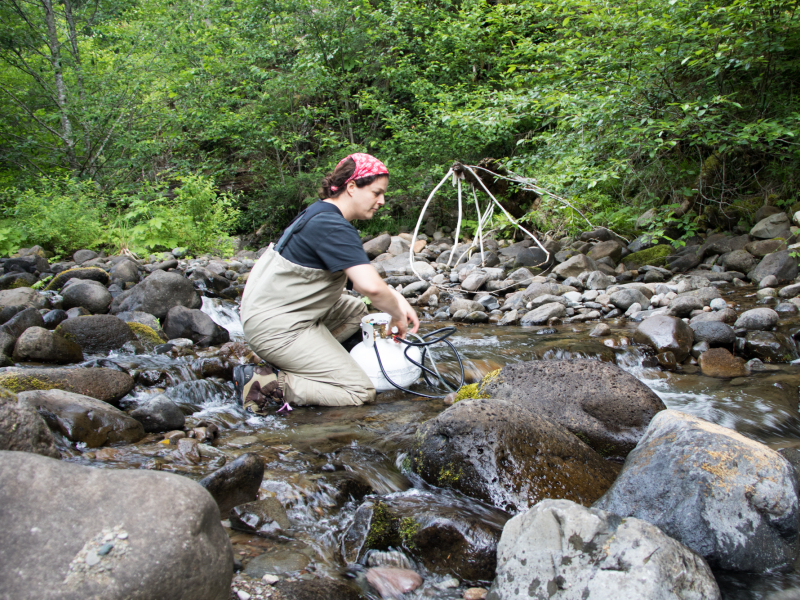
Stream ecology research in lower McRae Creek at the H.J. Andrews Experimental Forest, July 2016.
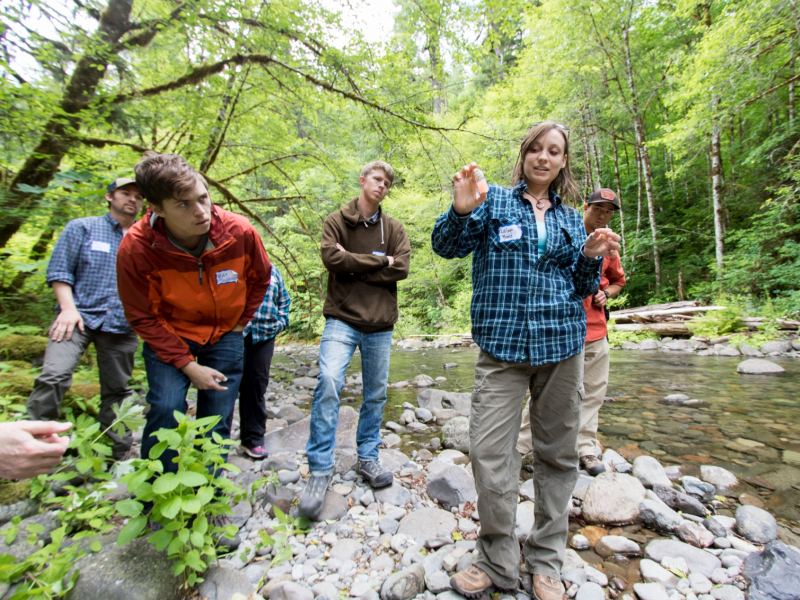
Images from HJA Day, our annual field day and open house, from years 2015 and 2016. See more about HJA Day on our Events and Meetings page.
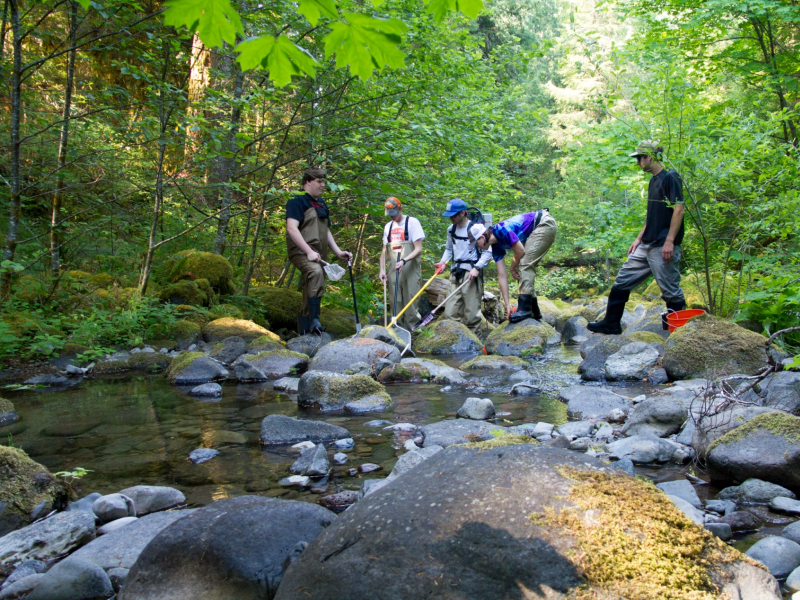
Stream ecology research on fish and salamanders, including the SCALER project, the Fish-No Fish project, and the long-term fish and salamander survey.
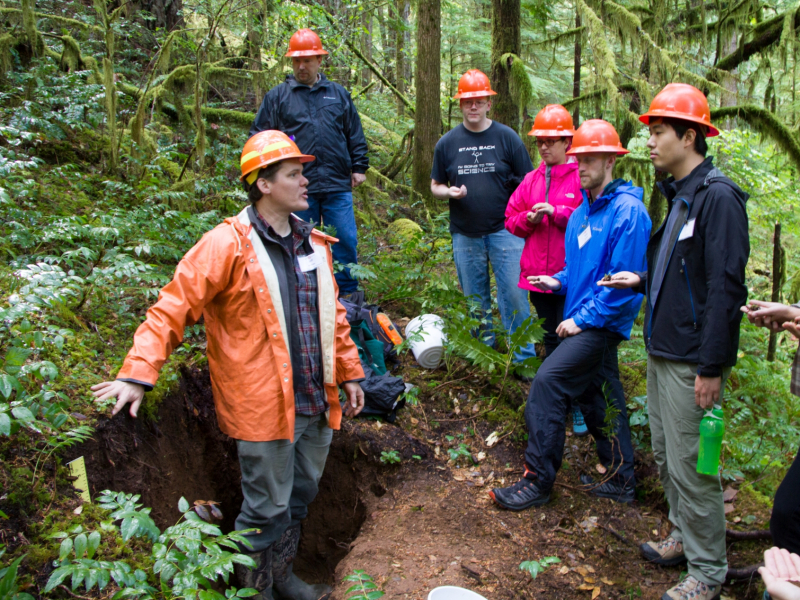
Graduate student orientation for OSU's College of Forestry, fall 2014
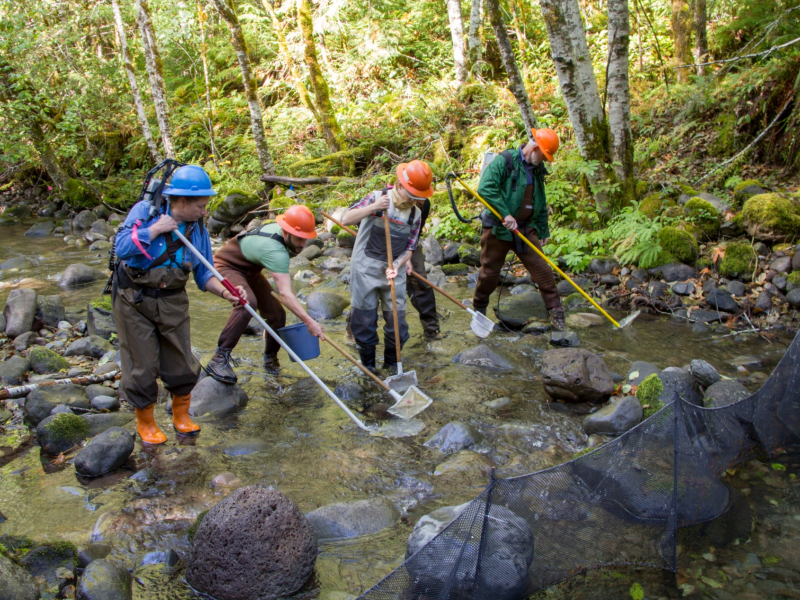
Stream Consumers and Lotic Ecosystem Rates (SCALER) in streams of the HJ Andrews Experimental Forest addresses the question of whether small-scale ecological experiments can be applied to understand the behavior of entire ecological systems. Specifically, the role of consumers to stream functional...
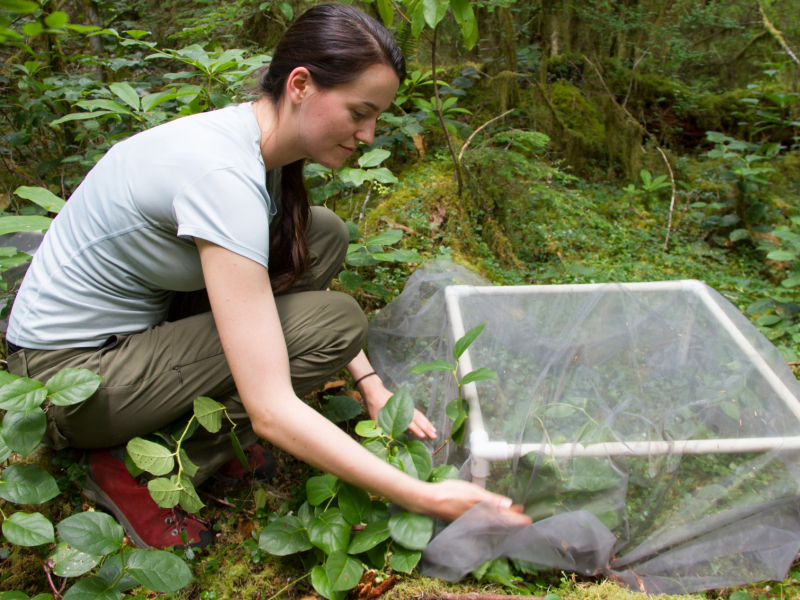
Phenology is study of the timing of biological events in nature, like plants budding, flowers blooming, birds migrating, or insects emerging, and how these events relate to seasonal and climatic changes. Plant and invertebrates phenologies are highly temperature dependent. Phenologies of terrestrial...
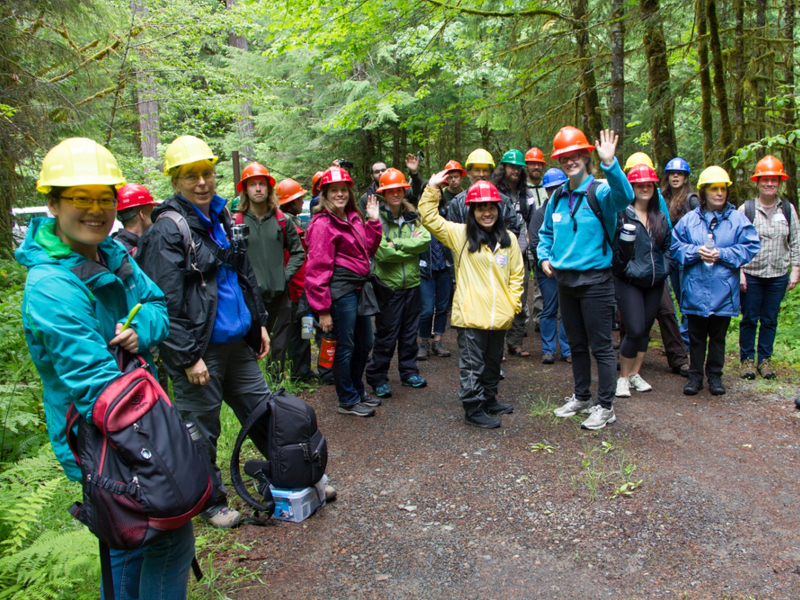
HJA Day is a field gathering at the HJ Andrews Experimental Forest. Activities include field trips to sites in the forest and presentations from researchers and managers. Everyone is welcome to attend - from OSU, the Forest Service, other institutions and organizations, and the local community. HJA...
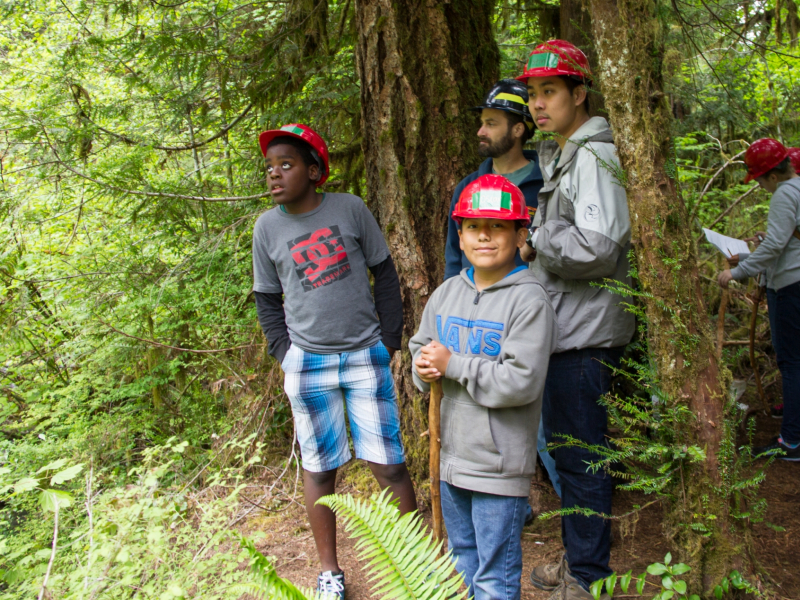
Canopy Connections offers a unique field trip experience that gives middle-school students an opportunity to climb into the canopy of an old-growth forest. The mission is to inspire a sense of wonder and respect for our natural world through a curriculum that integrates science, art, creative...
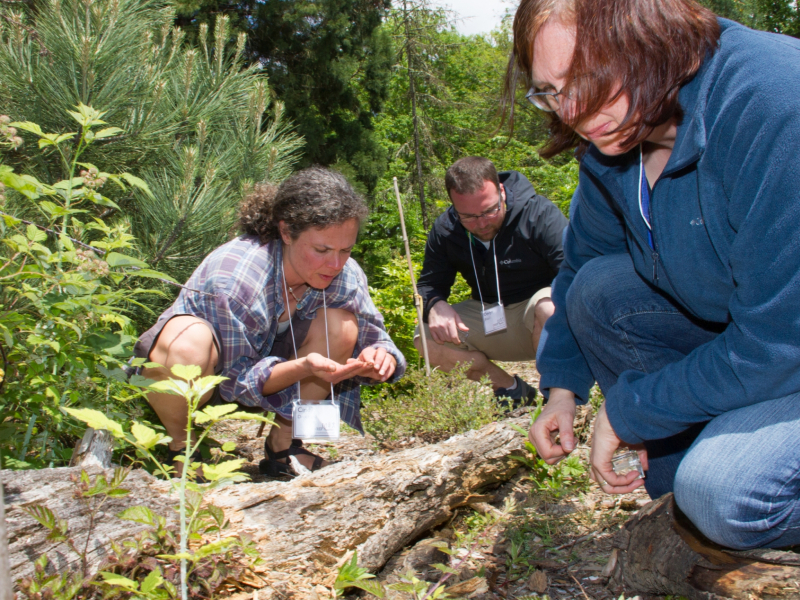
The Andrews Forest LTER K-12 teacher professional development program offers opportunities for K-12 teachers to build their understanding of the scientific process and to expand their capacity to engage their students in field-based science inquiry based on Andrews LTER research. Through funding...
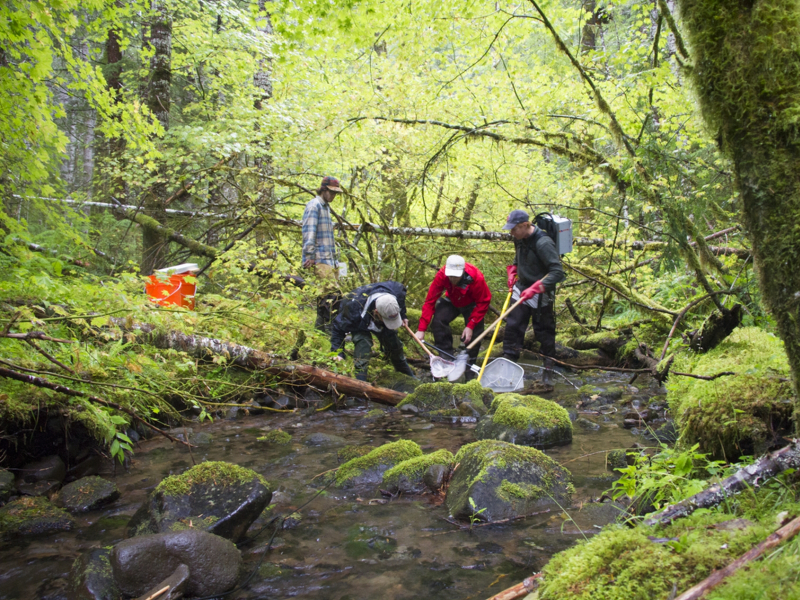
Researcher Dr. Dana Warren and a team of students sampled and measured cutthroat trout and salamanders in a small tributary stream of McRae Creek. PIT tags (like those used in pets) allow researchers to track individual fish and salamanders over time, tracking their movement and their general health...
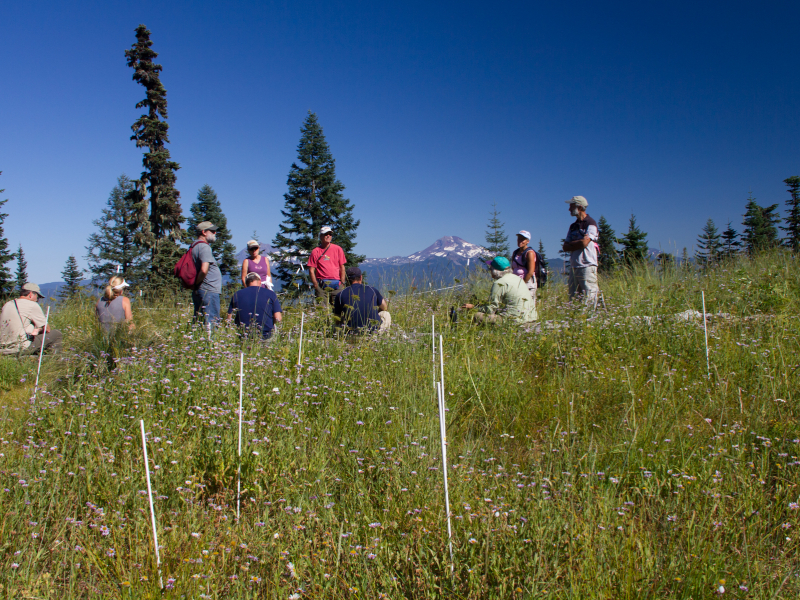
Images from meetings at the H.J. Andrews Experimental Forest.
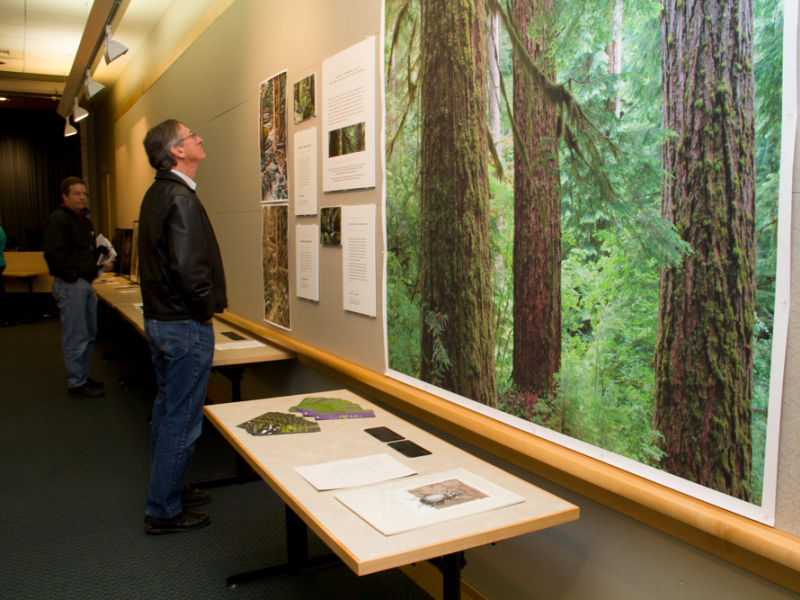
A showcase of artwork from the LTEReflections program. The work was featured on campus at Oregon State University and at NSF headquarters in Washington, DC.